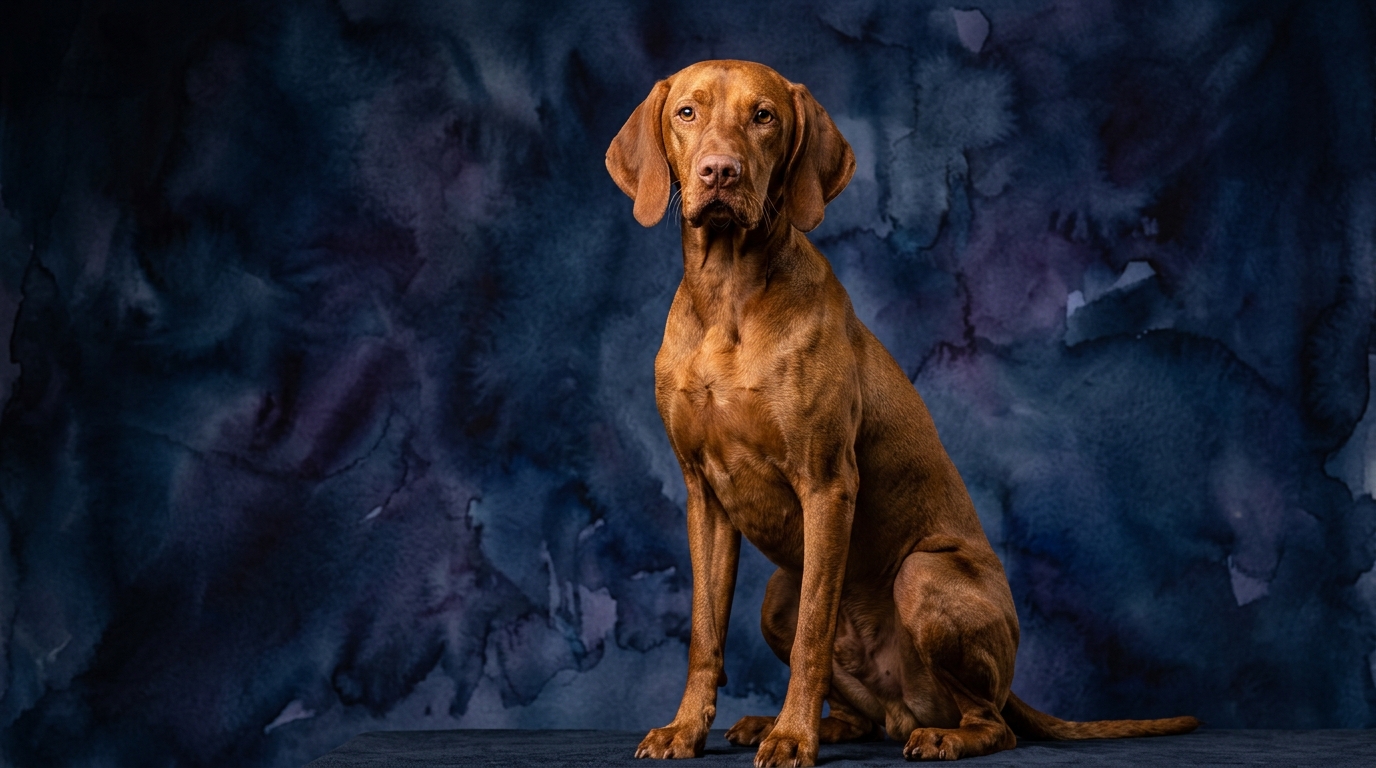
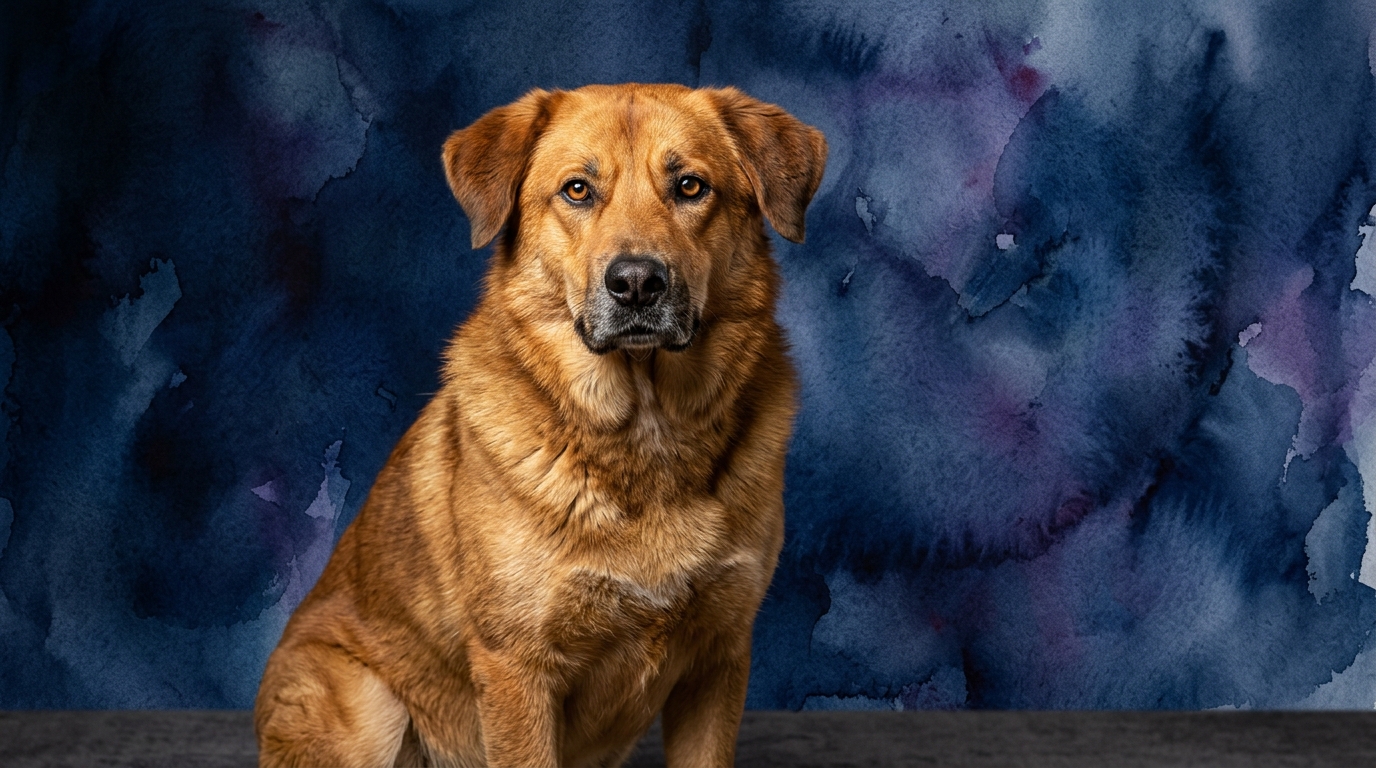
Side-by-Side Cognitive Profiles
At The Cosmic Pet Pet IQ Lab, we evaluate canine intelligence across five key dimensions. For the Vizsla, a Sporting breed, their profile is marked by an impressive blend of mental agility and deep social connection. Their Problem Solving is rated 4/5, indicating a capacity for independent thought and effective navigation of challenges. Training Speed also scores 4/5, reflecting their quick grasp of new concepts and commands. Social Intelligence is a standout at 5/5, showcasing an exceptional ability to read and respond to human cues. Their Instinctive Drive, deeply rooted in their hunting heritage, is a strong 5/5, while Memory is a solid 4/5, ensuring retention of learned behaviors and experiences.
The Chinook, a Working breed, presents a different, yet equally valuable, cognitive blueprint. Across all five dimensions—Problem Solving, Training Speed, Social Intelligence, Instinctive Drive, and Memory—they consistently score 3/5. This suggests a balanced and reliable cognitive approach rather than extreme peaks. Chinooks are capable learners and loyal companions, but their mental processes tend to be more deliberate and steady. Their working background emphasizes endurance and cooperation, which influences how their intelligence manifests in daily life and training scenarios.
Where the Vizsla's Cognition Excels
The Vizsla's cognitive profile showcases a distinct advantage in several key areas. Their social intelligence (5/5) stands out, allowing them to perceive and respond to human emotions with an almost uncanny empathy. This means a Vizsla might intuitively understand a shift in your mood or an unspoken request, adapting their behavior to offer comfort or solicit interaction without explicit commands. Coupled with their instinctive drive (5/5), which translates into a profound desire for purposeful engagement, Vizslas excel in activities that require a keen partnership and understanding of complex human-dog dynamics, such as advanced scent work or agility where nuanced handler cues are critical. Their higher problem-solving (4/5) aptitude also allows them to independently navigate novel environmental challenges, potentially figuring out how to manipulate latches or retrieve objects from tricky spots with a degree of ingenuity that a Chinook might not immediately display.
Where the Chinook's Cognition Shines Differently
While the Vizsla's scores are generally higher, the Chinook's cognitive strengths lie in their balanced and enduring approach, which can be a distinct advantage in certain roles. Their instinctive drive (3/5), while not as intensely predatory as the Vizsla's, is geared towards consistent, cooperative effort. This means a Chinook is less likely to be distracted by fleeting environmental stimuli and more inclined to maintain focus on a sustained task, like pulling a sled or accompanying long hikes, without the same level of independent hunting initiative. Their moderate social intelligence (3/5) fosters a robust, dependable bond with their immediate family, prioritizing loyalty and a steady presence over the Vizsla's more effusive and demand-driven connection. This means a Chinook's affection is often a calm, unwavering presence, less prone to the 'velcro' tendencies that define the Vizsla. This steady temperament, reflected across their cognitive dimensions, makes them incredibly reliable companions for tasks requiring consistent application rather than rapid, independent problem-solving or high-intensity social engagement.
Training Dynamics: Vizsla vs. Chinook
When considering ease of training, the Vizsla generally presents a more straightforward path for the average owner, largely due to their higher training speed (4/5) and exceptional social intelligence (5/5). A Vizsla's deep desire to engage and please their human, combined with their quick grasp of concepts, means they often pick up new commands and routines with fewer repetitions. They are highly motivated by positive reinforcement and actively seek to understand what is expected of them, often anticipating cues. This keen social awareness means they are often more forgiving of handler errors and quicker to adapt to varying training styles. For example, a Vizsla is more likely to 'offer' behaviors or try to figure out what you want, whereas a Chinook might wait for clearer, more explicit instructions.
The Chinook, with a training speed (3/5) that is steady rather than swift, requires a more patient and consistent approach. They are not less capable of learning, but they process information at a different pace. Their social intelligence (3/5), while strong within their established family unit, doesn't always translate to the same intuitive understanding of subtle human cues as a Vizsla. This means training a Chinook often benefits from very clear, unambiguous commands and a structured environment. They respond well to routines and can become proficient, but might take more time to generalize a learned behavior to new contexts. Their innate drive is more about endurance and cooperation, meaning motivation might stem more from the satisfaction of a shared task rather than the intense desire for human approval that drives a Vizsla.
Matching Breeds to Lifestyles: Active vs. Relaxed Owners
For the highly active owner, the Vizsla is an almost perfect match. Their instinctive drive (5/5) dictates a need for substantial physical and mental engagement, making them ideal partners for long runs, hiking, hunting, or dog sports like agility and flyball. These dogs are not content with short strolls; they require outlets for their boundless energy and keen intellect, thriving when given a 'job' that challenges their problem-solving skills and satisfies their natural hunting instincts. A relaxed owner, or one unable to provide several hours of vigorous activity daily, would likely find a Vizsla's unmet needs manifesting as restlessness, destructive behaviors, or persistent demands for attention.
The Chinook, while certainly a capable and willing exercise companion, leans more towards the active-but-steady owner. Their instinctive drive (3/5) is geared towards endurance and consistent work rather than explosive bursts or intense predatory focus. They enjoy long walks, hikes, and even sledding or carting, but their energy output is often more sustained and less frantic than a Vizsla's. A Chinook could suit an owner who enjoys daily outdoor adventures but perhaps not the extreme, high-octane demands of a Vizsla. They appreciate routine and purposeful activity, making them excellent partners for consistent, moderate exercise. While they need regular activity to stay content, they are generally less prone to the intense 'velcro' behavior or separation anxiety that can sometimes accompany the Vizsla's profound social needs if not adequately addressed.
The Verdict
Choose a Vizsla if you seek an intensely bonded, highly responsive companion who thrives on shared activity, mental challenges, and requires a dedicated partner to channel their profound instinctive drives and social intelligence into purposeful engagement.
Opt for a Chinook if you desire a steadfast, loyal, and balanced companion for consistent outdoor activities, valuing a dependable presence and a dog that excels in cooperative tasks without the same level of intense social or predatory demands.
🧠 Find Your Pet's IQ Score
Our Pet IQ Lab assessment covers 25+ tests across 5 cognitive dimensions — personalized to your breed.
Take the Full IQ Test →Frequently Asked Questions
Are Vizslas prone to separation anxiety?
Vizslas often form very strong attachments due to their high social intelligence, which can sometimes manifest as separation anxiety if their needs for companionship and mental stimulation are not adequately met. Consistent training and providing engaging activities are crucial.
What kind of 'work' does a Chinook enjoy?
Chinooks, stemming from sled dog lines, enjoy activities that involve sustained effort and cooperation, such as hiking, backpacking, skijoring, or even carting. They appreciate having a task that utilizes their endurance and steady drive.
Do Vizslas need a lot of mental stimulation?
Absolutely. With a problem-solving score of 4/5 and high instinctive drive, Vizslas require significant mental engagement beyond just physical exercise. Puzzle toys, training new tricks, and scent work are excellent ways to keep their minds active and prevent boredom.