Side-by-Side IQ Profile: Vizsla vs. Leonberger
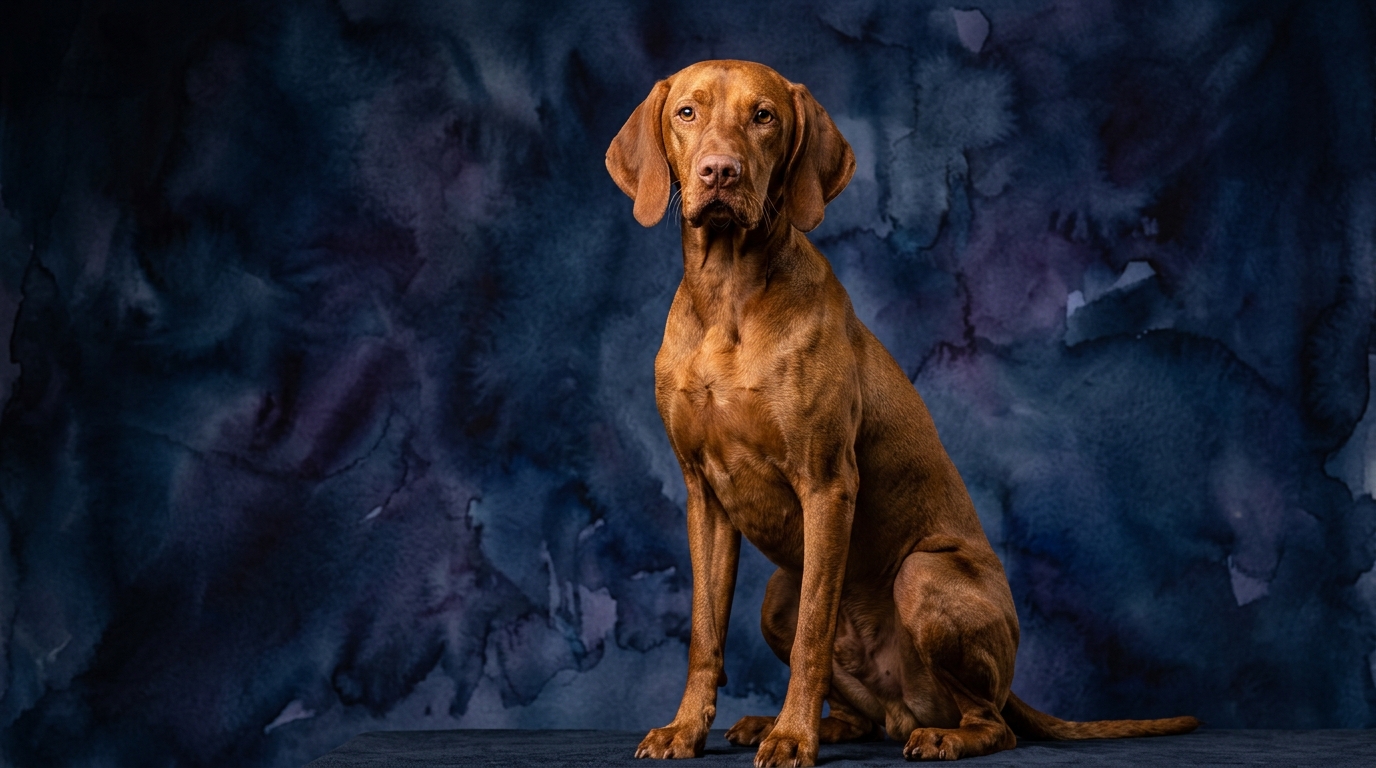
The Vizsla, a Hungarian gundog, exhibits a cognitive profile optimized for partnership and precision in the field. Its problem-solving ability is rated at 4/5, reflecting a quick aptitude for navigating complex environments and understanding multi-step tasks required in hunting scenarios. Training speed is also strong at 4/5, indicating a rapid grasp of commands and routines, often driven by a strong desire to collaborate. Social intelligence, scoring 5/5, is a hallmark of the Vizsla, enabling deep bonds with human handlers and excellent communication, crucial for working closely without explicit commands. An instinctive drive of 5/5 underscores its inherent motivation for scent work, retrieving, and pointing, while a memory of 4/5 ensures retention of learned behaviors and environmental cues over time, vital for consistent performance.
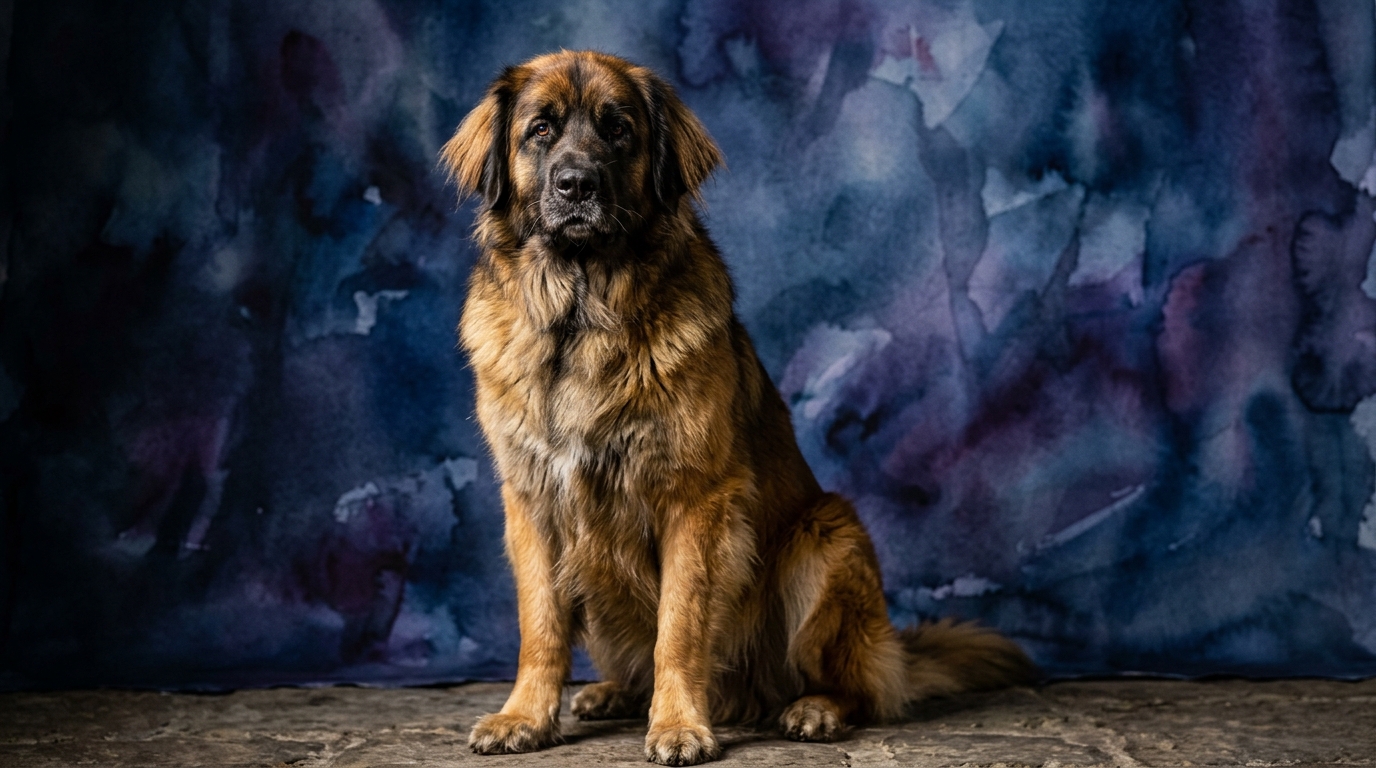
Conversely, the Leonberger, a German Working dog, presents a more measured and robust cognitive architecture suited for guardianship and companionship. Its problem-solving ability stands at 3/5, suggesting a thoughtful, perhaps less immediate, approach to novel situations, prioritizing careful assessment over rapid action. Training speed is rated 3/5, meaning they learn steadily with consistent instruction, valuing understanding over sheer pace. Social intelligence, also 3/5, is expressed through a calm, discerning interaction style, focused on family protection and a gentle demeanor rather than the effusive partnership of a gundog. An instinctive drive of 3/5 points to a strong, yet controlled, inclination for protection, companionship, and a desire to be near its people, rather than intense prey drive. Finally, a memory score of 3/5 indicates reliable retention of important family rules, boundaries, and social dynamics within their established circle.
Where the Vizsla Excels Cognitively
The Vizsla's cognitive strengths are particularly evident in its agility of thought and profound connection with its human partner. Its 4/5 problem-solving score means it can quickly adapt to changing conditions during a hunt, figuring out how to retrieve game from challenging terrain or navigate complex scent trails. This isn't just about physical prowess; it's about making rapid decisions under pressure. Their 4/5 training speed is a testament to their eagerness and capacity to absorb new commands efficiently, often requiring fewer repetitions to solidify a behavior. This makes them exceptionally responsive to nuanced cues and hand signals. Perhaps most striking is their 5/5 social intelligence, which allows them to anticipate their owner's intentions, read subtle body language, and form an almost intuitive working relationship. This deep social awareness, combined with a 5/5 instinctive drive for work, ensures they are not just capable but intensely motivated partners, always ready for the next task and keenly attuned to their handler's desires. Their 4/5 memory supports this by allowing them to recall vast repertoires of commands and past experiences, building on prior learning with ease.
Where the Leonberger Demonstrates Unique Cognitive Strengths
While the Leonberger's IQ scores are generally lower than the Vizsla's, its cognitive profile is exceptionally well-suited for its role, showcasing distinct strengths. Its 3/5 problem-solving, though not as rapid, often manifests as a deliberate, thoughtful assessment of situations, particularly in protective contexts. A Leonberger might take more time to process a novel threat, but this measured approach can prevent impulsive reactions, making them reliable and steady guardians rather than reactive ones. Their 3/5 social intelligence, while less about intense partnership, is deeply rooted in loyalty and a calm presence, allowing them to form profound, stable bonds with their family. This social acumen enables them to discern trusted individuals from strangers, acting as a gentle giant with children while maintaining a watchful eye. The 3/5 instinctive drive, focused on companionship and protection, means they are less likely to be distracted by external stimuli like small game, prioritizing their family's well-being. This specialized drive, coupled with a solid 3/5 memory, helps them consistently remember family rules, boundaries, and the individuals they are tasked to protect, contributing to their reputation as dependable and gentle family members.
Which is Easier to Train and Why?
Based on their cognitive profiles, the Vizsla is generally considered easier to train than the Leonberger, primarily due to its higher scores in training speed, problem-solving, and social intelligence. The Vizsla's 4/5 training speed means it picks up new commands and routines with remarkable quickness, often eager to please and highly motivated by positive reinforcement. Their 5/5 social intelligence allows them to keenly observe and understand human intentions, making them receptive to even subtle cues. This breed thrives on collaborative work and mentally stimulating tasks, leading to rapid acquisition of complex behaviors. Owners will find that a Vizsla often requires fewer repetitions and is more forgiving of minor inconsistencies in training methods, always aiming to engage and work with their handler.
In contrast, the Leonberger, with its 3/5 training speed and problem-solving, requires a more patient, consistent, and reward-based approach. While they are certainly capable of learning a wide array of commands, they may take longer to process information and internalize new behaviors. Their independent streak, typical of many Working breeds, means they might question commands or require clear justification before complying. This isn't a lack of ability, but rather a different learning style; once a Leonberger understands the 'why' and has mastered a command, their 3/5 memory ensures reliable retention. Owners need to be prepared for a steadier pace, emphasizing clear communication and positive reinforcement to build trust and solidify learning, rather than expecting instant results.
Suited for Active vs. Relaxed Owners
The cognitive and instinctive drives of these two breeds naturally align them with different owner lifestyles. The Vizsla, with its 5/5 instinctive drive and 4/5 problem-solving, is an ideal match for active owners who relish outdoor adventures and mental engagement. Their intense drive for work, combined with their quick learning ability, necessitates consistent physical exercise and challenging mental tasks to prevent boredom and destructive behaviors. They thrive in environments where they can run, hunt, or participate in dog sports like agility, field trials, or obedience. An owner who can channel their boundless energy and sharp mind into structured activities will find an incredibly devoted and well-adjusted companion.
The Leonberger, while still requiring regular exercise and mental stimulation, is generally more suited for owners who appreciate a calmer, more deliberate pace of life, though they are far from sedentary. Their 3/5 instinctive drive for companionship and protection means they are content with consistent, moderate walks, playtime, and being an integral part of family life. Their thoughtful problem-solving and social intelligence are best engaged through gentle training, puzzle toys, and involvement in family routines. They prefer being close to their people and are not typically driven by the same intense, high-energy pursuits as a Vizsla. An owner who provides a stable home environment, consistent training, and ample affection will find a loyal, gentle, and majestic companion.
The Verdict
Choose a Vizsla if you are an active, experienced owner seeking a highly cooperative, quick-learning partner for sports, hunting, or intense outdoor activities, valuing their intuitive social connection and rapid problem-solving.
Opt for a Leonberger if you desire a patient, thoughtful, and protective companion for family life, appreciating a steady learning pace and a calm, discerning social intelligence that values deep, stable bonds over high-energy collaboration.
🧠 Find Your Pet's IQ Score
Our Pet IQ Lab assessment covers 25+ tests across 5 cognitive dimensions — personalized to your breed.
Take the Full IQ Test →Frequently Asked Questions
Do Vizslas need a lot of mental stimulation?
Yes, Vizslas have a 4/5 problem-solving and 5/5 instinctive drive, meaning they require significant mental stimulation beyond just physical exercise. Puzzle toys, scent work, and consistent training challenges are crucial to keep their minds engaged and prevent boredom.
Are Leonbergers difficult to train because of their lower IQ scores?
Not difficult, but they require a different approach. With 3/5 training speed, Leonbergers learn steadily with patience and consistency, thriving on positive reinforcement and clear communication. Their thoughtful nature means they process information thoroughly rather than rapidly, leading to well-retained behaviors.
Which breed is better with children, based on their social intelligence?
Both can be excellent with children, but their social intelligence manifests differently. The Vizsla's 5/5 social intelligence makes them highly attuned and playful partners. The Leonberger's 3/5 social intelligence leans towards a gentle, watchful, and protective family guardian, often displaying remarkable patience and calm with younger family members.