Side-by-Side IQ Profile: Dissecting Canine Cognition
The Cosmic Pet Pet IQ Lab provides a comprehensive framework for understanding canine cognitive abilities, broken down into five key dimensions. Let's apply this lens to both the Vizsla and the Miniature Poodle, highlighting their unique mental blueprints.
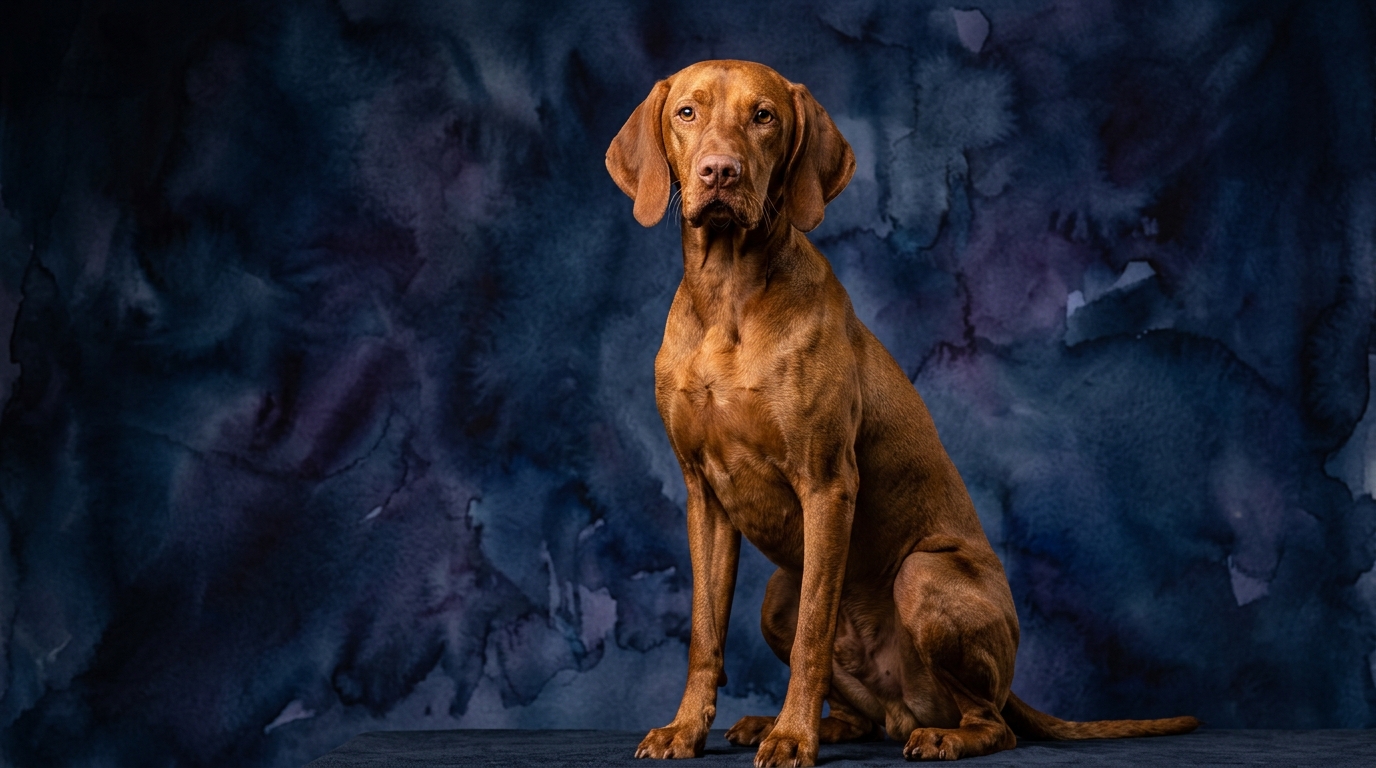
The Vizsla, with a respectable Coren rank of #31, demonstrates a solid foundation for learning and adaptability. Its Problem Solving score of 4/5 indicates a dog capable of navigating complex environments and figuring out solutions to obstacles, often leveraging its keen senses and physical prowess rather than abstract reasoning alone. Training Speed, also at 4/5, reflects a breed that picks up new tasks and cues quickly, showing a general eagerness to engage and cooperate. A standout trait for the Vizsla is its Social Intelligence, rated at a perfect 5/5; this signifies an exceptional ability to read human emotions and intentions, forming deep, almost symbiotic bonds with its family. Its Instinctive Drive, also 5/5, is a defining characteristic, rooted in its heritage as a versatile hunting dog, manifesting as an intense desire to pursue, point, and retrieve, alongside a need for purposeful activity. Finally, a Memory score of 4/5 suggests a robust capacity to recall learned behaviors, routines, and experiences over time, contributing to their consistency in training and daily life.
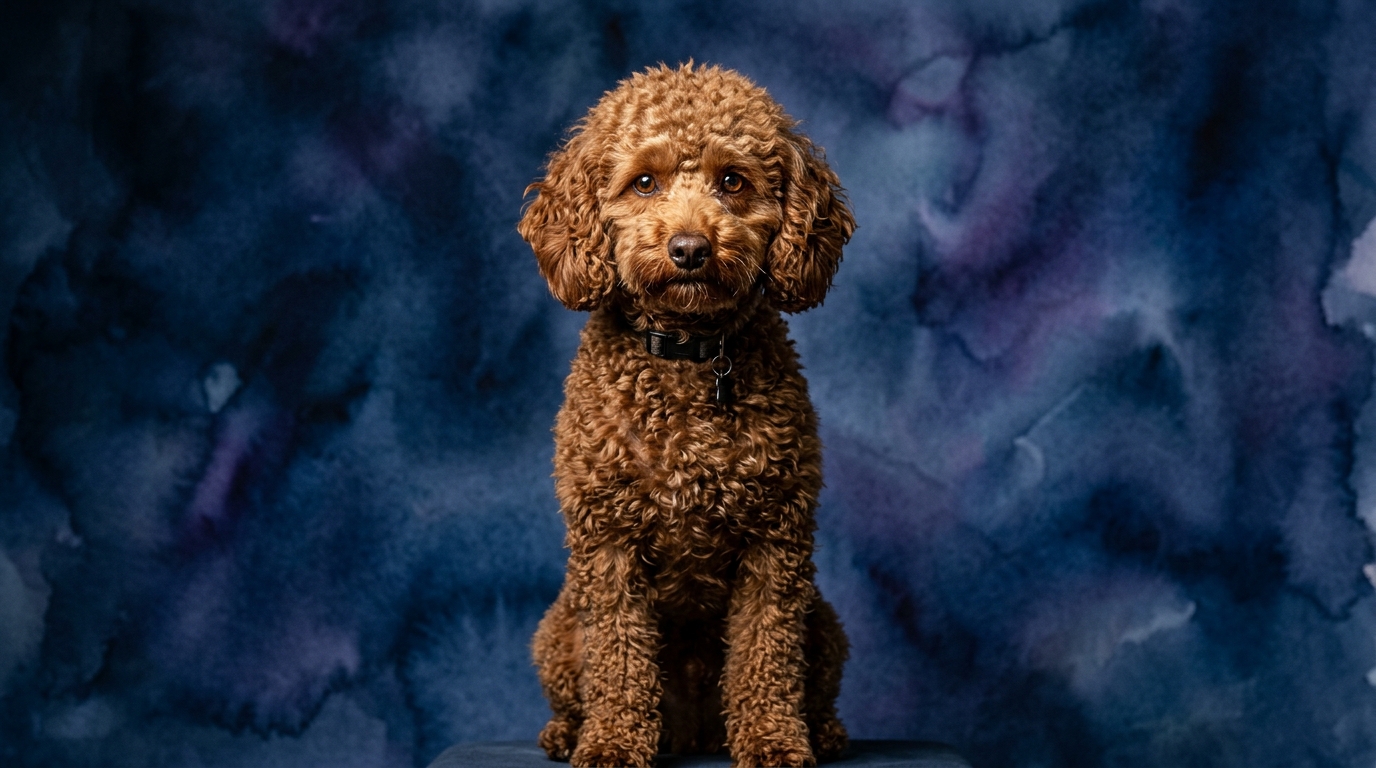
In stark contrast, the Miniature Poodle boasts an impressive Coren rank of #2, placing it among breeds that grasp new commands with minimal repetitions, indicative of a remarkable capacity for cognitive processing. Its Problem Solving ability earns a perfect 5/5, showcasing a breed that excels at conceptual understanding and strategic thinking, often independently assessing situations and devising novel solutions. Training Speed, also 5/5, highlights their exceptional quickness in learning, often understanding new commands after very few repetitions, driven by an eagerness to engage mentally and focus on their handler. The Miniature Poodle's Social Intelligence is rated at 3/5; while affectionate with its family, its social acumen is more focused on individual bonds rather than broad social dynamics, and they can be discerning with strangers. Its Instinctive Drive, at 3/5, is generally less intense and less generalized than a dedicated sporting breed, though they may enjoy retrieving and puzzle toys. Rounding out its profile is an exemplary Memory score of 5/5, allowing them to retain a vast repertoire of commands, tricks, and routines over extended periods, recalling past events and learned associations with remarkable clarity, which greatly aids in advanced training and consistency.
Where the Vizsla Excels Cognitively
The Vizsla’s particular cognitive strengths lie in its profound social intelligence and potent instinctive drive. A 5/5 social intelligence score signifies an almost uncanny ability to attune to human emotions and intentions. Vizslas don't just respond to commands; they often anticipate needs, offering comfort during distress or initiating play when sensing an invitation. This deep empathy fosters an incredibly strong, communicative bond, making them highly intuitive partners in daily life and exceptionally responsive to their family's emotional states.
Their 5/5 instinctive drive, stemming from centuries of selective breeding for hunting, means they possess an unparalleled motivation for purposeful activity. This isn't merely a desire for exercise; it's a cognitive framework that drives them to scan environments, track scents, and engage in problem-solving related to their inherent working tasks. This manifests as a focused determination in the field or an intense engagement with scent work and retrieving games, where their minds are fully immersed in the "hunt." This potent drive, when channeled appropriately, makes them exceptionally eager and resilient workers, capable of sustained mental and physical effort in pursuit of a goal.
Where the Miniature Poodle Excels Cognitively
The Miniature Poodle shines in areas demanding abstract thought, rapid learning, and robust memory. Their 5/5 problem-solving ability indicates a capacity for complex cognitive processing, allowing them to independently assess novel situations and devise creative solutions. This might involve figuring out how to open a child-proof gate, unraveling a complex puzzle toy, or even manipulating their environment to gain attention. This strategic thinking isn't merely trial-and-error; it often demonstrates a genuine understanding of cause and effect.
Paired with a 5/5 training speed, the Miniature Poodle absorbs new information and commands with remarkable alacrity. They often grasp concepts in a handful of repetitions, making them highly efficient students for advanced obedience, agility, or trick training. This rapid assimilation is bolstered by their 5/5 memory, allowing them to retain a vast and intricate mental library of learned behaviors and experiences over extended periods. This combination of quick understanding, strategic thinking, and enduring recall positions the Miniature Poodle as a highly adaptable and versatile learner, capable of mastering a diverse range of complex tasks.
Ease of Training: A Tale of Two Motivations
When evaluating ease of training, both breeds present compelling arguments, though their strengths derive from different cognitive profiles. The Miniature Poodle, with its perfect 5/5 scores in problem-solving, training speed, and memory, generally offers a more straightforward training experience in terms of acquiring new behaviors. Their cognitive flexibility allows them to quickly understand complex cues and sequences, and their excellent memory ensures retention. They often thrive on positive reinforcement and mental challenge, readily engaging with methods like clicker training, shaping, and advanced obedience. Their lower instinctive drive (3/5) means they are less likely to be distracted by environmental stimuli related to hunting, allowing for more focused attention on the handler in many scenarios.
The Vizsla, while still possessing a strong 4/5 in training speed and problem-solving, and a 4/5 in memory, approaches training with a different cognitive lens. Their exceptional 5/5 social intelligence means they are deeply motivated by connection and working collaboratively with their human. Training a Vizsla often feels like a partnership; they want to please and engage, making them highly responsive to praise and interaction. However, their potent 5/5 instinctive drive can introduce challenges. While this drive makes them tenacious and focused in tasks like scent work or retrieving, it can also manifest as a strong inclination to follow a scent or pursue movement, requiring consistent management and proofing in distracting environments. For a Vizsla, training isn't just about learning commands; it's about channeling their innate drives into productive, cooperative behaviors. Therefore, while both are highly trainable, the Miniature Poodle might be considered "easier" for an owner seeking rapid acquisition of a wide range of commands in various settings, whereas the Vizsla requires an owner dedicated to understanding and directing its powerful, inherent working motivations.
Active vs. Relaxed Owners: Matching Cognitive Needs to Lifestyles
The cognitive profiles of the Vizsla and Miniature Poodle dictate distinct requirements for their environments and owner lifestyles. The Vizsla, with its 5/5 instinctive drive and high physical stamina, is unequivocally suited for active owners. Their problem-solving abilities (4/5) are often geared towards navigating dynamic outdoor environments and engaging in tasks that require both mental and physical exertion. An owner who enjoys trail running, hiking, hunting, or participates in dog sports like agility, field trials, or advanced scent work will find a Vizsla a highly compatible partner. Their deep social intelligence (5/5) means they thrive on constant interaction and participation in family activities, not merely existing alongside their humans. A Vizsla requires significant daily mental and physical stimulation to prevent boredom and redirected energy; a "relaxed" lifestyle without purposeful outlets would be detrimental to their cognitive and emotional well-being, potentially leading to frustration.
The Miniature Poodle, while not a couch potato, offers more adaptability for owners with varying activity levels. Their exceptional problem-solving (5/5), training speed (5/5), and memory (5/5) mean they require consistent mental engagement through puzzle toys, trick training, obedience classes, or dog sports like agility and rally. This mental stimulation is paramount. While they enjoy walks and play, their instinctive drive (3/5) is less insistent on intense, sustained physical output compared to the Vizsla. A moderately active owner who can provide daily walks, play sessions, and dedicated mental enrichment time would find a Miniature Poodle a rewarding companion. Their social intelligence (3/5) allows them to bond closely with their family but doesn't demand the same constant, intense social immersion as a Vizsla. They can be content with a more relaxed home life, provided their cognitive needs are met through structured activities rather than just physical exertion.
The Verdict
Select a Vizsla if you are an active, outdoors-oriented individual or family seeking a deeply empathetic partner for adventure, and are prepared to channel their powerful instinctive drives into purposeful activities like sports or hunting.
Opt for a Miniature Poodle if you appreciate a highly adaptable, quick-witted companion eager for mental challenges and capable of mastering diverse tasks, fitting well into various lifestyles provided consistent cognitive engagement.
🧠 Find Your Pet's IQ Score
Our Pet IQ Lab assessment covers 25+ tests across 5 cognitive dimensions — personalized to your breed.
Take the Full IQ Test →Frequently Asked Questions
Which breed is better for first-time dog owners based on their cognitive traits?
The Miniature Poodle's rapid training speed and strong memory often make them a more forgiving choice for first-time owners, as they grasp concepts quickly and retain them well. The Vizsla's intense instinctive drive and high social needs require a more experienced hand to channel their energy constructively.
Do Vizslas or Miniature Poodles experience more separation anxiety due to their cognitive makeup?
Vizslas, with their 5/5 social intelligence and strong desire for connection, are more prone to separation distress if not adequately acclimated to alone time, as their cognitive framework thrives on constant human interaction. Miniature Poodles, while affectionate, tend to be more independent, making them less universally prone to severe separation anxiety.
How do their problem-solving differences impact their behavior at home?
A Miniature Poodle's 5/5 problem-solving often translates to cleverness in figuring out how to access forbidden areas or manipulate situations for treats. A Vizsla's 4/5 problem-solving combined with its instinctive drive might lead to more physically oriented 'solutions,' like finding ways to get outside to track a scent or overcome obstacles in a quest for activity.