Side-by-Side Cognitive Profiles
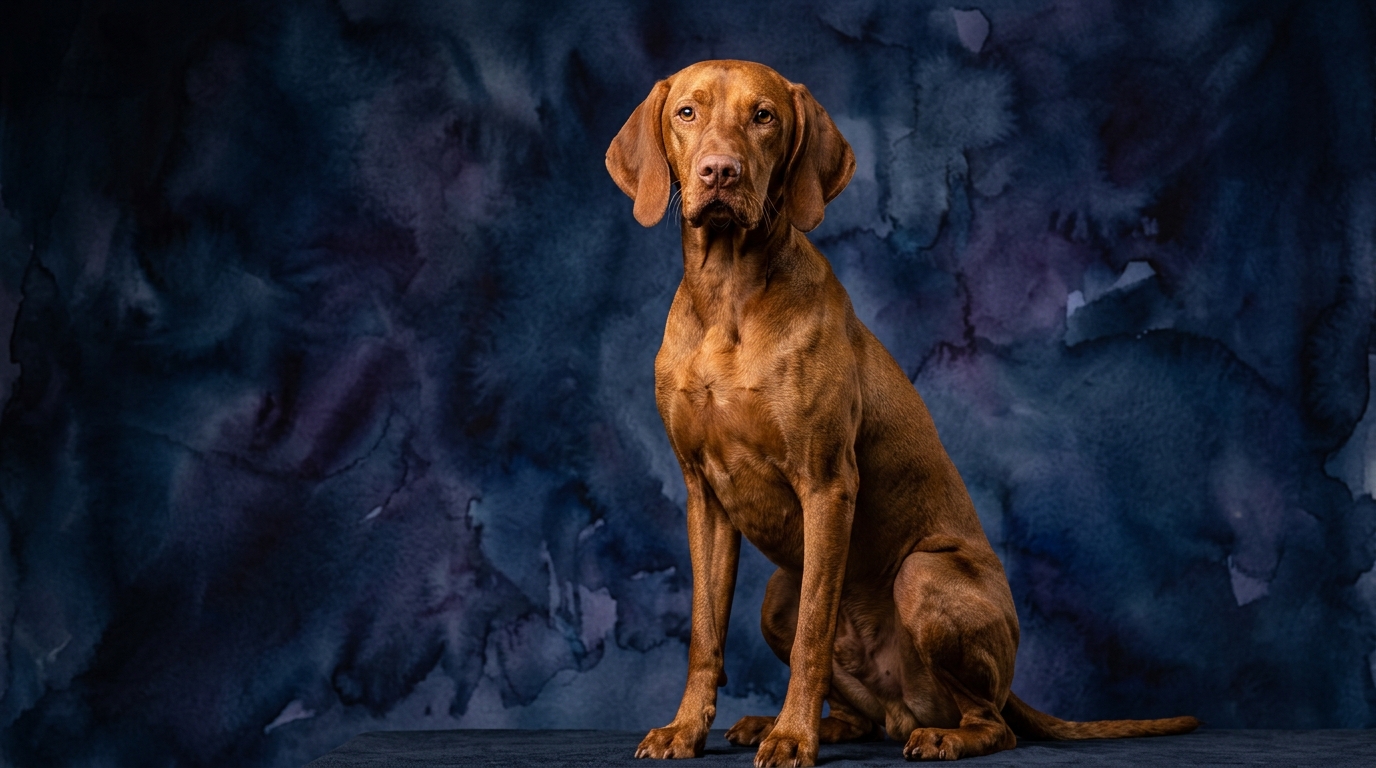
The Vizsla, a Sporting Group breed ranked #31 by Coren, presents a profile of exceptional mental agility and cooperative spirit. Their problem-solving ability, rated 4/5, indicates a breed capable of navigating complex scenarios, often involving multi-step tasks in varied environments. Training speed, also 4/5, reflects their eagerness and quick grasp of new commands and routines, making them responsive learners. Where the Vizsla truly shines is in social intelligence, scoring a perfect 5/5, signifying a profound attunement to human emotions and intentions, fostering deep, intuitive partnerships. Their instinctive drive, also 5/5, highlights a powerful genetic predisposition for hunting, tracking, and retrieving, executed with focus and determination. Finally, their memory, at 4/5, suggests a strong capacity to retain complex sequences and associations over time.
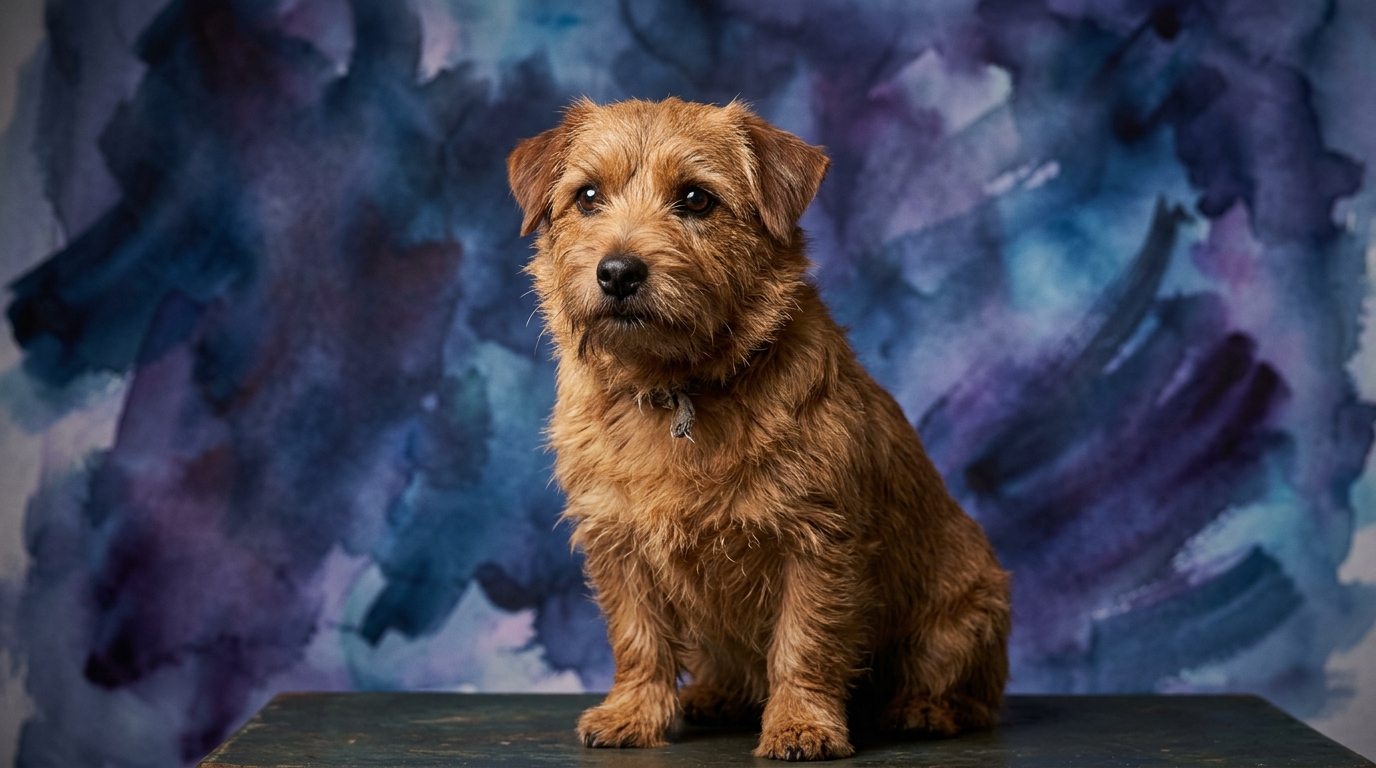
In contrast, the Norfolk Terrier, a Terrier Group breed without a specific Coren ranking, exhibits a distinct, tenacious cognitive style. Their problem-solving ability, rated 3/5, is often directed towards immediate, tangible goals, such as finding a hidden toy or navigating obstacles to reach a desired object, rather than abstract puzzles. Training speed, also 3/5, indicates they can learn, but often with a greater need for consistency and motivation, as their independent streak might sometimes supersede an eagerness to please. Social intelligence, at 3/5, means they are affectionate and enjoy companionship, but may not possess the same level of intuitive human understanding or intense focus on their handler's every cue as a Vizsla. Their instinctive drive, 3/5, is rooted in their terrier heritage – focused on digging, chasing, and dispatching small prey, often with a singular, determined focus. Their memory, at 3/5, is sufficient for retaining commands and routines, though perhaps less adept at recalling intricate, multi-layered tasks.
Where the Vizsla Excels Cognitively
The Vizsla's cognitive strengths are particularly evident in scenarios demanding intricate cooperation and emotional sensitivity. Their 5/5 social intelligence means they are exceptionally adept at reading subtle human cues, understanding tone of voice, and anticipating their owner's next move. This makes them outstanding partners in activities requiring close synchronicity, such as advanced obedience, agility, or field work, where a shared understanding is paramount. They don't just follow commands; they often intuit what is expected of them, demonstrating a proactive engagement.
Furthermore, the Vizsla's combination of 4/5 problem-solving and 5/5 instinctive drive allows them to excel in complex, goal-oriented tasks. For instance, in a scent-tracking challenge, a Vizsla can methodically follow a trail, navigate changing conditions, and make independent decisions to locate the target, all while remaining attuned to their handler's guidance. Their memory (4/5) supports the retention of these complex procedural steps, enabling them to refine their techniques with practice. This capacity for sustained, cooperative mental effort sets them apart, making them highly capable of mastering sophisticated routines and adapting to dynamic situations.
Where the Norfolk Terrier Shines Cognitively
While the Norfolk Terrier's IQ scores may be lower in some dimensions, their cognitive profile is uniquely suited to specific challenges, highlighting a tenacious, self-reliant form of intelligence. Their 3/5 problem-solving, for example, is often characterized by a focused, persistent effort to achieve a desired outcome, particularly when it involves their strong terrier instincts. A Norfolk might not solve an abstract puzzle quickly, but they will relentlessly work to unearth a hidden toy or squeeze into a tight space to investigate an interesting scent, demonstrating a practical, goal-driven ingenuity.
Their moderate social intelligence (3/5) and instinctive drive (3/5), combined with a degree of independence, allow them to operate effectively without constant human direction. This self-sufficiency means they are capable of entertaining themselves and exploring their surroundings with confidence, often finding creative solutions to immediate environmental challenges. They possess a robust, straightforward approach to their world, unburdened by the need for constant human validation, which can be a distinct advantage in situations requiring independent action and resilience. Their memory (3/5) is perfectly adequate for retaining essential routines and boundaries, allowing them to navigate their daily lives with competence and consistency.
Ease of Training: Vizsla vs. Norfolk Terrier
When it comes to training, the Vizsla generally offers a more fluid and cooperative experience due to their higher scores in training speed (4/5) and social intelligence (5/5). They possess an innate desire to please their human companions and are remarkably sensitive to feedback, making them quick to understand and execute commands. Their strong social bond means they are highly motivated by praise and positive interaction, thriving on consistency and a gentle, encouraging approach. They can learn a wide array of commands and complex sequences relatively quickly, often enjoying the mental stimulation that training provides as a form of shared activity.
The Norfolk Terrier, with a training speed of 3/5 and a more independent nature, typically requires a different training methodology. While capable of learning, their inherent terrier tenacity and self-directed focus mean they may not always prioritize pleasing their handler over pursuing their own interests, such as an intriguing scent or a potential digging spot. Training a Norfolk often demands more patience, creativity, and finding motivators that appeal to their specific drives, such as high-value treats or engaging play. Consistency is paramount, and short, fun training sessions are often more effective than lengthy, repetitive drills, as they can become bored or stubborn if not properly engaged. Real behavioral differences include the Vizsla's tendency to 'check in' with their handler frequently, whereas a Norfolk might be more absorbed in their immediate investigation.
Suitability for Active vs. Relaxed Owners
The Vizsla's cognitive profile, marked by high instinctive drive (5/5), problem-solving (4/5), and social intelligence (5/5), makes them an ideal match for active owners who seek a true canine partner in their adventures. These dogs thrive on significant physical and mental exercise, including long runs, hikes, dog sports like agility or flyball, and especially field work or hunting. Their deep social bond means they want to be involved in all family activities and can become distressed if left alone for extended periods. Owners who can dedicate substantial time to training, exercise, and companionship will find the Vizsla to be an incredibly rewarding and engaged companion.
Conversely, the Norfolk Terrier, with its more moderate scores across the board, is often better suited for owners seeking a companion that, while still active, doesn't demand the same intensity of structured exercise or constant cooperative engagement. While Norfolks enjoy regular walks, playtime, and mental stimulation, they are generally content with a more relaxed daily routine than a Vizsla. Their independence allows them to be comfortable spending time alone, provided they have appropriate outlets for their terrier instincts, such as puzzle toys or supervised digging areas. They make excellent companions for urban dwellers or those with a less intense outdoor lifestyle, as long as their fundamental needs for exercise and engagement are met consistently.
The Verdict
Choose a Vizsla if you are an active owner seeking a highly cooperative, deeply bonded canine partner for demanding physical and mental activities, valuing a dog that intuitively understands and works alongside you.
Opt for a Norfolk Terrier if you appreciate an independent, spirited companion with a focused, tenacious approach to life, suitable for a more moderate activity level and a less intensely cooperative partnership.
🧠 Find Your Pet's IQ Score
Our Pet IQ Lab assessment covers 25+ tests across 5 cognitive dimensions — personalized to your breed.
Take the Full IQ Test →Frequently Asked Questions
Do Vizslas suffer from separation anxiety more than Norfolk Terriers?
Vizslas, with their 5/5 social intelligence and strong desire for companionship, are generally more prone to separation anxiety if left alone for long periods. Norfolk Terriers, having a more independent streak, tend to tolerate solitude better, provided their needs are met.
Which breed is better for first-time dog owners?
While both breeds require commitment, the Vizsla's cooperative nature and eagerness to please can make them slightly more forgiving for first-time owners willing to invest heavily in training and exercise. Norfolk Terriers, with their independent and sometimes stubborn terrier personality, may present more of a challenge for inexperienced handlers without consistent guidance.
Are there specific types of 'problem-solving' activities each breed enjoys most?
Vizslas typically enjoy complex, multi-step problem-solving tasks that involve their human partner, like advanced scent work or intricate agility courses. Norfolk Terriers often prefer practical problem-solving related to their instincts, such as figuring out how to get to a hidden treat or investigating a novel environment, often with a determined, self-directed approach.