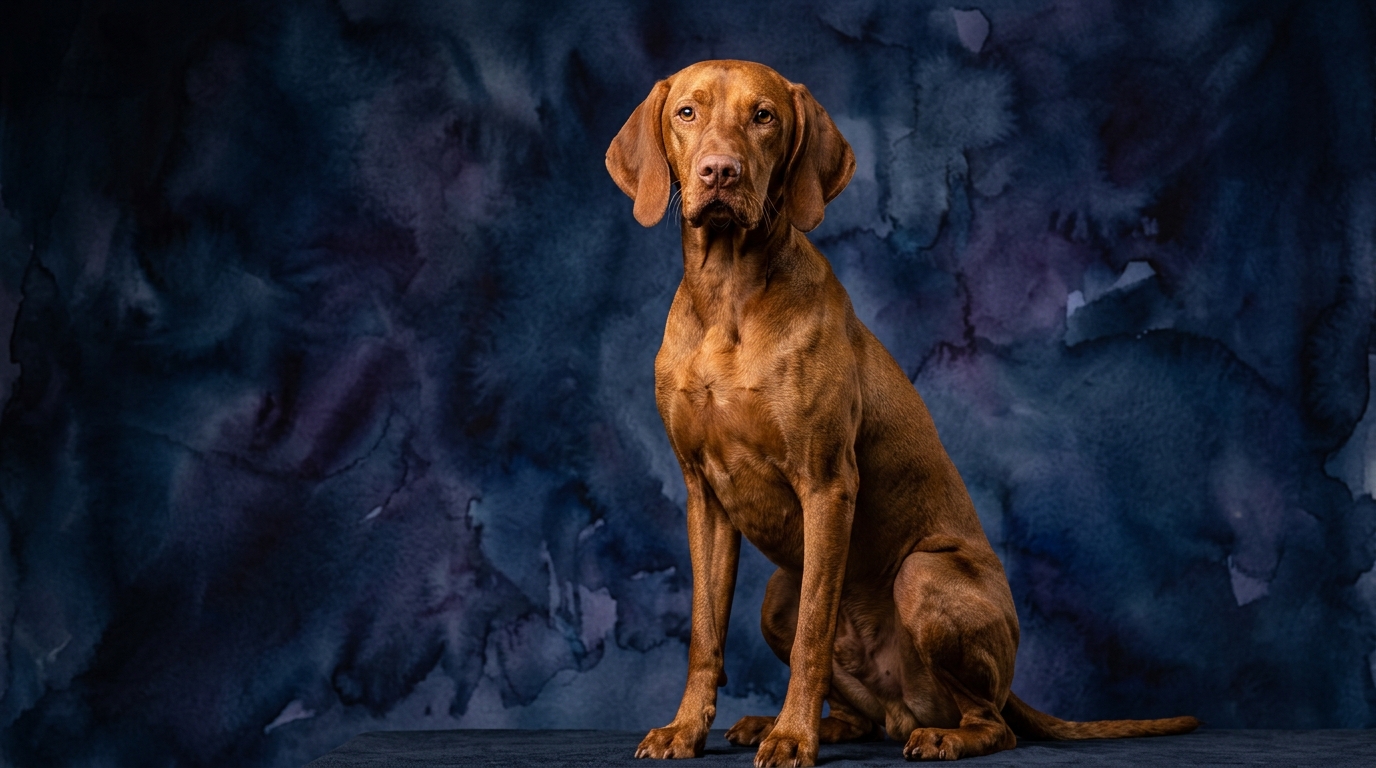
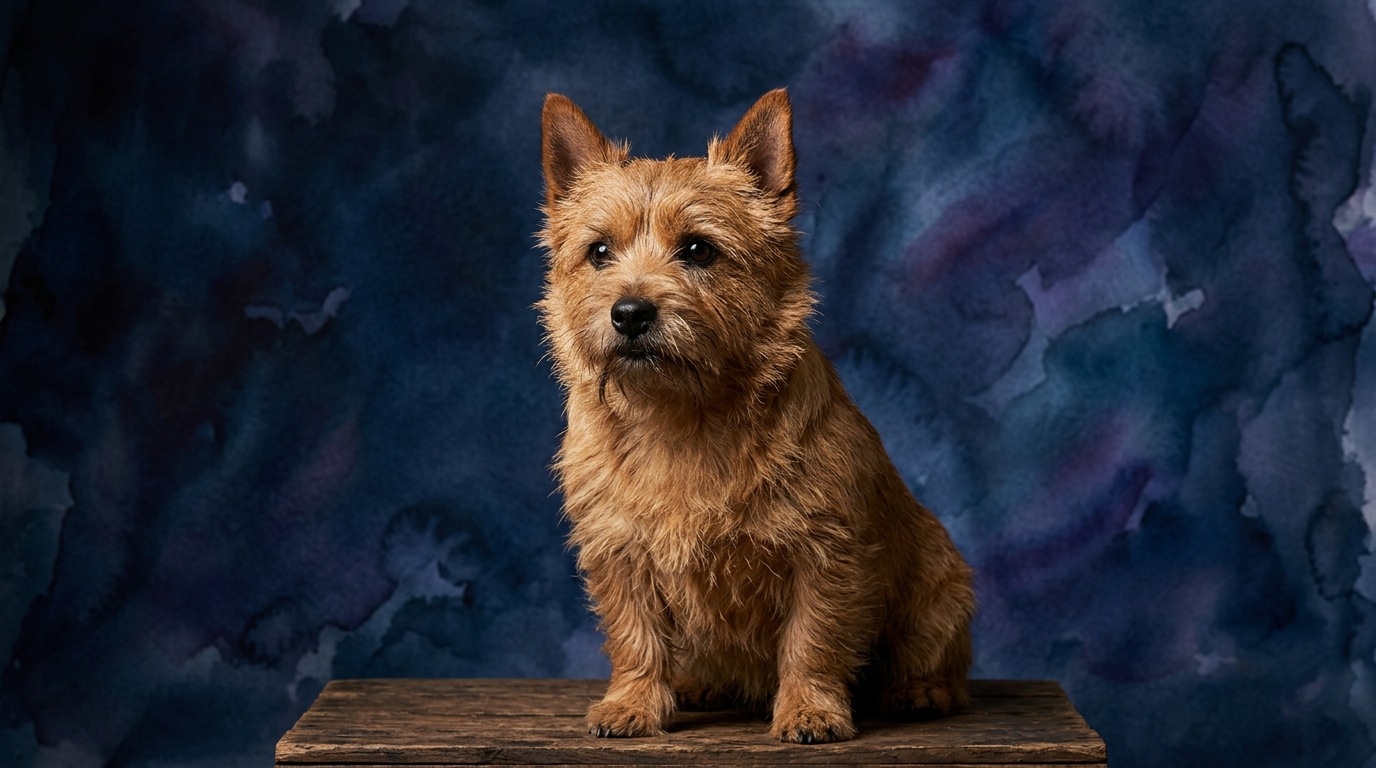
Side-by-Side IQ Profile
The Vizsla, a member of the Sporting Group and ranked #31 by Coren, demonstrates a cognitive profile characterized by collaborative intelligence and a strong drive for partnership. Their Problem Solving score of 4/5 indicates a robust capacity for figuring out novel challenges, particularly those involving spatial reasoning or complex retrieving setups. With a Training Speed of 4/5, these dogs grasp new commands and routines with remarkable efficiency, often requiring fewer repetitions due to their eagerness to engage. Their Social Intelligence is exceptionally high at 5/5, allowing them to read human cues with precision and form deep, cooperative bonds. An Instinctive Drive of 5/5 manifests as an intense desire to hunt, retrieve, and engage in vigorous physical activity, fueling their persistence and focus. Finally, their Memory, rated 4/5, supports their ability to retain complex sequences of commands, learned routes, and past experiences for reliable performance over time.
In contrast, the Norwich Terrier, a Terrier Group member without a Coren ranking, presents a cognitive profile rooted in tenacity and independence. Their Problem Solving score of 3/5 reflects an approach often characterized by persistence and physical effort to overcome obstacles, typically focused on immediate goals like accessing tight spaces or pursuing small prey. With a Training Speed of 3/5, Norwich Terriers require more patient and consistent methods, responding best to positive reinforcement and varied approaches that accommodate their independent streak. Their Social Intelligence, also 3/5, means they form strong bonds with their chosen family but can be more reserved in broader social interactions, understanding family dynamics without always seeking to broadly please. An Instinctive Drive of 3/5 is primarily rooted in their terrier heritage – a strong impulse to hunt, chase, and dig with persistent, singular focus. Their Memory, at 3/5, is functional for routines and learned commands, though perhaps without the intricate recall for complex sequences seen in some working breeds, remembering what works for them in their immediate environment.
Where Vizsla Wins Cognitively
The Vizsla's cognitive profile consistently outshines the Norwich Terrier across all five dimensions, particularly in collaborative intelligence and adaptability. Their exceptional 5/5 social intelligence means they are inherently predisposed to working in tandem with humans, actively seeking to understand and fulfill expectations. This translates to a profound ability to anticipate commands, interpret body language, and seamlessly integrate into complex human-led activities, from advanced obedience to intricate field work, making them highly responsive partners.
Furthermore, their superior problem-solving and training speed (both 4/5) allow them to rapidly acquire and apply new information in dynamic situations. A Vizsla can quickly learn multi-step tasks, adapt to environmental changes during a hunt, or navigate agility courses with a fluid understanding of the sequence and obstacles. This cognitive agility, combined with their strong memory, makes them adept at retaining and executing a broad repertoire of behaviors and strategies with impressive reliability.
Where Norwich Terrier Wins Cognitively
While the Norwich Terrier's scores might appear modest in direct comparison, their cognitive strengths are uniquely tailored to their original purpose and manifest differently. Their 3/5 instinctive drive, though numerically lower than a Vizsla's, is intensely focused and persistent, particularly when it comes to vermin control. This translates to an unwavering cognitive focus on a specific task – tracking, digging, and flushing small prey – often with remarkable tenacity that allows them to overcome physical and mental obstacles that might deter other breeds.
Moreover, their problem-solving (3/5) is often characterized by a resourceful independence. When faced with a barrier, a Norwich Terrier is less likely to wait for human instruction and more inclined to devise their own solution, even if that solution involves a bit of clever mischief or a determined effort to dig under a fence. This self-reliance in navigating their immediate environment, coupled with a memory for what yields results in their independent pursuits, represents a distinct cognitive advantage in specific, self-directed scenarios.
Which Is Easier to Train and Why
Without question, the Vizsla presents a significantly easier training experience due to their inherent cognitive architecture. Their 4/5 training speed means they pick up new commands and concepts with minimal repetition, often eager to please and quick to form associations between actions and rewards. This rapid assimilation is bolstered by their exceptional 5/5 social intelligence, which fosters a deep desire for partnership and makes them highly responsive to human direction and feedback. A Vizsla actively seeks to understand what is expected of them, making them highly biddable and a joy to train.
Conversely, the Norwich Terrier, with a 3/5 training speed and social intelligence, requires a more nuanced and patient approach. Their terrier independence means they are less inclined to blindly follow commands and will often question the value of an exercise if it doesn't align with their intrinsic motivations. Training a Norwich often involves finding creative ways to make tasks engaging, leveraging their keen instinctive drive through games that mimic hunting, and providing consistent, positive reinforcement to build trust and cooperation. Their memory for routines is functional, but their will to comply is often tied to their perceived self-interest rather than an innate desire to please.
Which Suits Active Owners vs Relaxed Owners
The Vizsla is an ideal match for active owners who relish a highly engaged, collaborative canine partner. Their exceptional instinctive drive (5/5) and need for mental and physical stimulation mean they thrive in environments offering regular, challenging activities like hiking, running, field trials, or advanced obedience. Owners who can dedicate significant time to training, exercise, and shared experiences will find the Vizsla a reciprocally devoted and capable companion, eager to participate in every adventure and requiring substantial daily engagement.
The Norwich Terrier, while possessing an active terrier spirit, can suit owners who appreciate a companion with a more independent, albeit still playful, disposition. They require daily walks and opportunities to explore, but their activity needs might be less demanding than a Vizsla's intense drive, focusing more on bursts of focused activity. Owners who enjoy a dog that is content with focused exploration, perhaps chasing a ball in the yard, exploring new scents on a leash, or engaging in short, fun training sessions, will find the Norwich a charming and resilient fit. They are less about constant collaborative work and more about companionship with an adventurous, self-possessed spirit.
The Verdict
Choose a Vizsla if you seek a highly cooperative, athletic partner for complex activities and appreciate a dog that is deeply attuned to your intentions and eager to learn.
Opt for a Norwich Terrier if you admire a resilient, independent spirit in a smaller package, valuing a dog that brings tenacious curiosity and a unique personality to your home.
🧠 Find Your Pet's IQ Score
Our Pet IQ Lab assessment covers 25+ tests across 5 cognitive dimensions — personalized to your breed.
Take the Full IQ Test →Frequently Asked Questions
Can a Norwich Terrier perform complex tasks like a Vizsla?
While Norwich Terriers are capable learners, their problem-solving and training speed scores suggest they may not excel at the same level of complex, multi-step tasks as a Vizsla. They thrive on tasks that align with their specific terrier instincts, such as scent work or digging games, rather than extensive obedience routines.
How do their social intelligence differences impact household dynamics?
A Vizsla's high social intelligence means they are generally more adaptable to various household members and situations, often seeking to please everyone and integrate smoothly. Norwich Terriers, with a lower social intelligence score, tend to bond intensely with a select few and might be more reserved with strangers or less interested in broad social engagement within the home.
Is the Vizsla's strong instinctive drive challenging to manage?
The Vizsla's 5/5 instinctive drive, while making them exceptional working dogs, does require consistent training and appropriate outlets to manage effectively. Without sufficient physical and mental stimulation, this drive can manifest as undesirable behaviors like excessive energy or destructive tendencies, so active engagement is crucial for their well-being.