Side-by-Side Cognitive Profiles
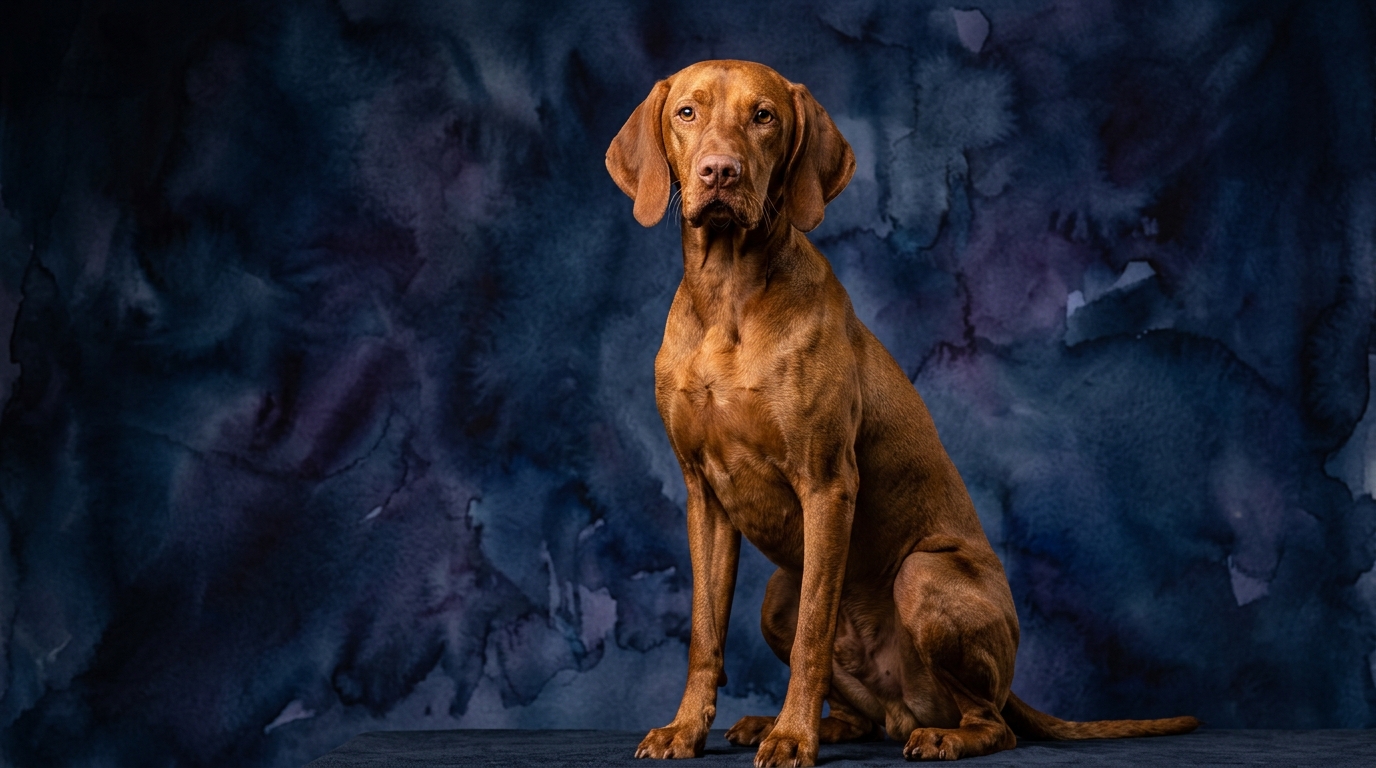
The Vizsla, a Hungarian Pointer, exhibits a cognitive profile tailored for partnership and complex tasks. Their Problem Solving is rated 4/5, indicating a strong capacity to figure out new challenges and adapt to novel situations, often in collaboration with their human. Training Speed also stands at 4/5, reflecting their eagerness and quick grasp of commands, making them highly responsive learners. With Social Intelligence at 5/5, Vizslas are exceptionally attuned to human emotions and cues, fostering deep bonds and a strong desire to please. Their Instinctive Drive, rated 5/5, is a powerful blend of hunting prowess and retrieve instinct, often directed towards collaborative activities. Finally, their Memory at 4/5 ensures they retain learned behaviors and routines efficiently, building upon past experiences.
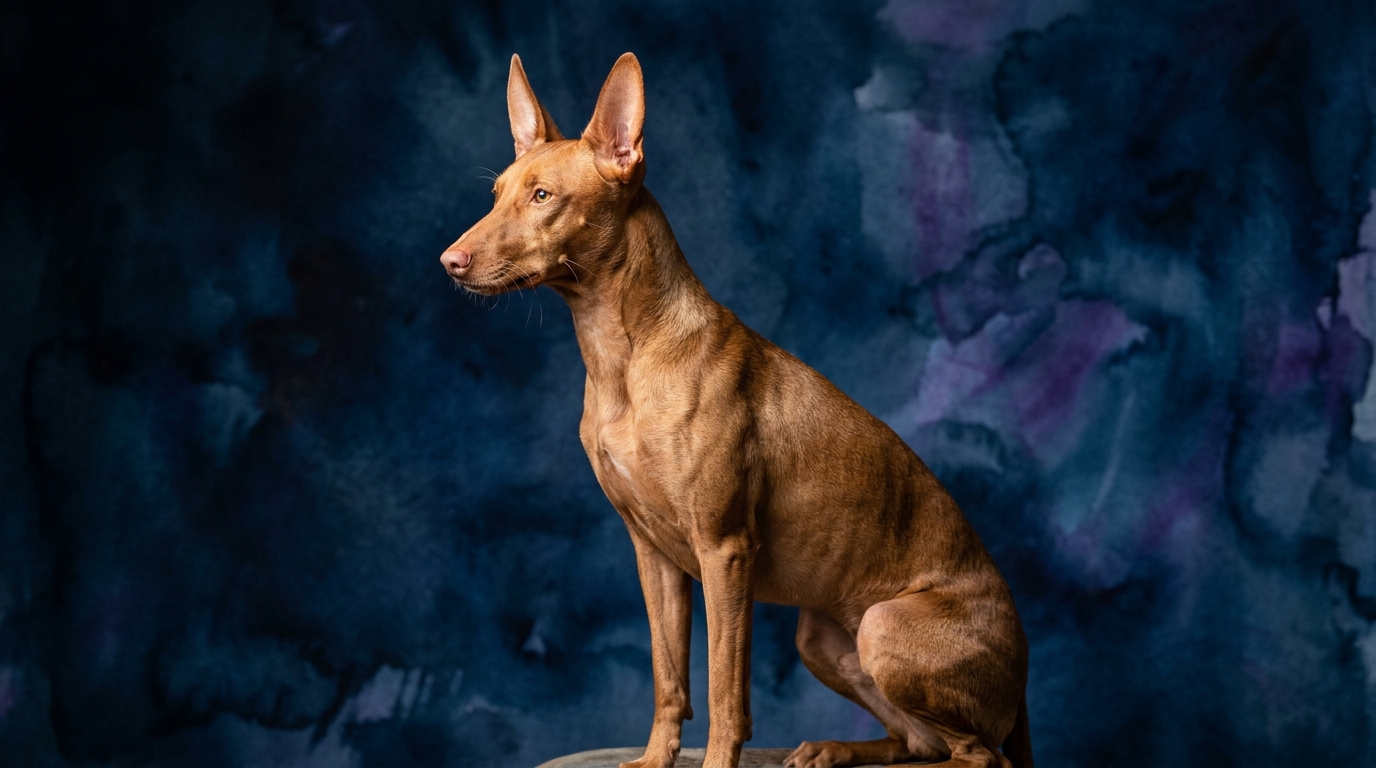
In contrast, the Pharaoh Hound, an elegant sighthound, presents a cognitive makeup honed for independent pursuit and keen sensory perception. Their Problem Solving is rated 3/5; while capable, they often prefer to solve problems on their own terms, less inclined towards human-directed puzzles. Training Speed also sits at 3/5, suggesting they learn at a steady pace but may require more patience and creative motivation given their independent nature. Social Intelligence at 3/5 indicates they are affectionate with their family but maintain a degree of aloofness, not always seeking constant human validation or direction. Their Instinctive Drive at 3/5 is primarily focused on sight hunting and chasing, a powerful, self-directed urge. Memory, rated 3/5, means they retain information adequately, but perhaps with less emphasis on intricate human-centric routines compared to a sporting breed.
Where the Vizsla Excels Cognitively
The Vizsla's cognitive strengths distinctly shine in areas demanding close human partnership and adaptable learning. Their superior Social Intelligence (5/5 vs. 3/5) means they are exceptionally perceptive of human intentions and emotions, making them natural collaborators in training and daily life. This attunement allows them to anticipate cues and respond with remarkable willingness, fostering a deep, almost symbiotic relationship with their owners. Their higher Problem Solving (4/5 vs. 3/5) translates into a greater aptitude for navigating complex environments, understanding multi-step commands, and independently figuring out how to achieve a desired outcome within a human-defined structure, such as opening a crate latch or mastering an agility course.
Furthermore, the Vizsla's elevated Training Speed (4/5 vs. 3/5) and Memory (4/5 vs. 3/5) contribute to their reputation as responsive learners. They grasp new concepts quickly and retain them over time, enabling them to build a vast repertoire of commands and behaviors. This makes them highly suitable for advanced obedience, dog sports, and service work where consistent, reliable performance based on learned skills is paramount. Their Instinctive Drive (5/5 vs. 3/5), while strong, is often channelled into working alongside humans, such as retrieving game or performing scent work, rather than purely independent pursuits, making it easier to integrate into structured activities.
Where the Pharaoh Hound's Unique Strengths Lie
While the Pharaoh Hound's cognitive scores may appear lower in a comparative framework designed for working breeds, their strengths are rooted in a different kind of specialized intelligence, reflecting their ancient sighthound heritage. Their Instinctive Drive (3/5) is not less potent, but rather hyper-focused on visual stimuli and independent chase, making them unparalleled in their ability to detect and pursue fast-moving objects over long distances without human intervention. This specialized drive represents a highly efficient cognitive process for their ancestral role, requiring keen observation, rapid assessment of movement, and swift, decisive action.
The Pharaoh Hound's Problem Solving (3/5) and Social Intelligence (3/5) also manifest in a way that emphasizes autonomy. They are adept at solving problems that directly benefit themselves, such as finding the sunniest spot to nap or navigating a complex field during a lure course, rather than solving human-initiated puzzles. Their social intelligence, while not as overtly collaborative as a Vizsla's, grants them a quiet dignity and a capacity for deep, yet independent, affection. This allows them to be content in their own company for periods, offering a different type of companionship that values mutual respect and less constant direction. Owners who appreciate a dog with a strong sense of self and an independent spirit often find this cognitive profile deeply rewarding.
Training Dynamics: Vizsla vs. Pharaoh Hound
Training a Vizsla is often a highly rewarding experience due to their exceptional Social Intelligence and Training Speed. They possess an inherent desire to please their human companions and thrive on positive reinforcement and collaborative activities. Their strong memory and problem-solving skills allow them to quickly associate commands with actions, making them receptive to a wide range of training disciplines, from basic obedience to advanced field work or agility. A Vizsla's willingness to engage and their emotional sensitivity mean they respond best to consistent, gentle methods, as harsh corrections can undermine their confidence and desire to cooperate. Their collaborative nature means they genuinely enjoy the process of learning with you.
Training a Pharaoh Hound, conversely, requires a different approach, one rooted in patience, understanding of their independent spirit, and creative motivation. Their lower Social Intelligence and Training Speed, combined with a powerful, self-directed instinctive drive, mean they may not always see the immediate benefit in performing human-initiated tasks. While they are capable of learning, they often require more repetition and compelling rewards, and may not always execute commands with the same enthusiastic precision as a Vizsla. Their sighthound nature means they can be easily distracted by movement, and their problem-solving often leans towards finding ways to achieve their own goals rather than strictly following directions. Successful training involves making it fun and engaging, leveraging their prey drive in appropriate contexts like lure coursing, and accepting that their obedience might be more nuanced and less absolute than that of a sporting dog.
Companion Suitability: Active vs. Relaxed Owners
For owners with a highly active lifestyle who desire a canine partner deeply integrated into their daily adventures, the Vizsla is often an ideal match. Their boundless energy and high instinctive drive necessitate consistent physical activity, such as long runs, hiking, swimming, or dog sports like agility and flyball. Beyond physical exertion, their high social intelligence and problem-solving skills mean they also require significant mental engagement, thriving on training sessions, puzzle toys, and interactive play. A Vizsla is not content to be a couch potato; they flourish when given a job to do and ample opportunities for shared experiences, making them perfect for owners who want an ever-present, enthusiastic companion for all their endeavors.
The Pharaoh Hound, while possessing a strong need for exercise, particularly bursts of running in a secure area, offers a different dynamic for owners. Their independent nature means they may not constantly demand human interaction or direction once their exercise needs are met. After a vigorous run or a session of lure coursing, they are often content to lounge gracefully, observing their surroundings with a quiet self-possession. This makes them suitable for active owners who appreciate a dog with a strong athletic drive but also value a companion capable of independent relaxation. They don't require the same level of constant mental 'work' or collaborative engagement as a Vizsla, appealing to those who desire an elegant, athletic dog that is affectionate on its own terms and less prone to separation anxiety if left alone for reasonable periods.
The Verdict
Choose a Vizsla if you seek a highly collaborative, eager-to-please canine partner for an active lifestyle, thriving on shared activities, consistent training, and deep emotional connection.
Opt for a Pharaoh Hound if you admire an independent, graceful athlete with a keen sighthound drive, valuing a companion that is affectionate yet self-possessed, requiring dedicated exercise but less constant human direction.
🧠 Find Your Pet's IQ Score
Our Pet IQ Lab assessment covers 25+ tests across 5 cognitive dimensions — personalized to your breed.
Take the Full IQ Test →Frequently Asked Questions
Are Vizslas good with children?
Yes, Vizslas often display high social intelligence and can be excellent family dogs, typically being gentle and patient with children, especially when properly socialized and trained from a young age. Their energetic nature means supervision is always recommended during play to ensure both child and dog interact safely.
Do Pharaoh Hounds bark a lot?
Pharaoh Hounds are not typically excessive barkers, but they will use their voice to alert to perceived threats or strangers, and may 'sing' or 'yodel' when excited. Their vocalizations are generally less frequent than some other breeds, but like all dogs, individual tendencies can vary.
Which breed requires more grooming?
Both breeds have short, low-maintenance coats. Vizslas and Pharaoh Hounds generally require minimal grooming, primarily weekly brushing to remove loose hair and occasional baths. Neither breed is known for heavy shedding, making them relatively clean companions in the home.