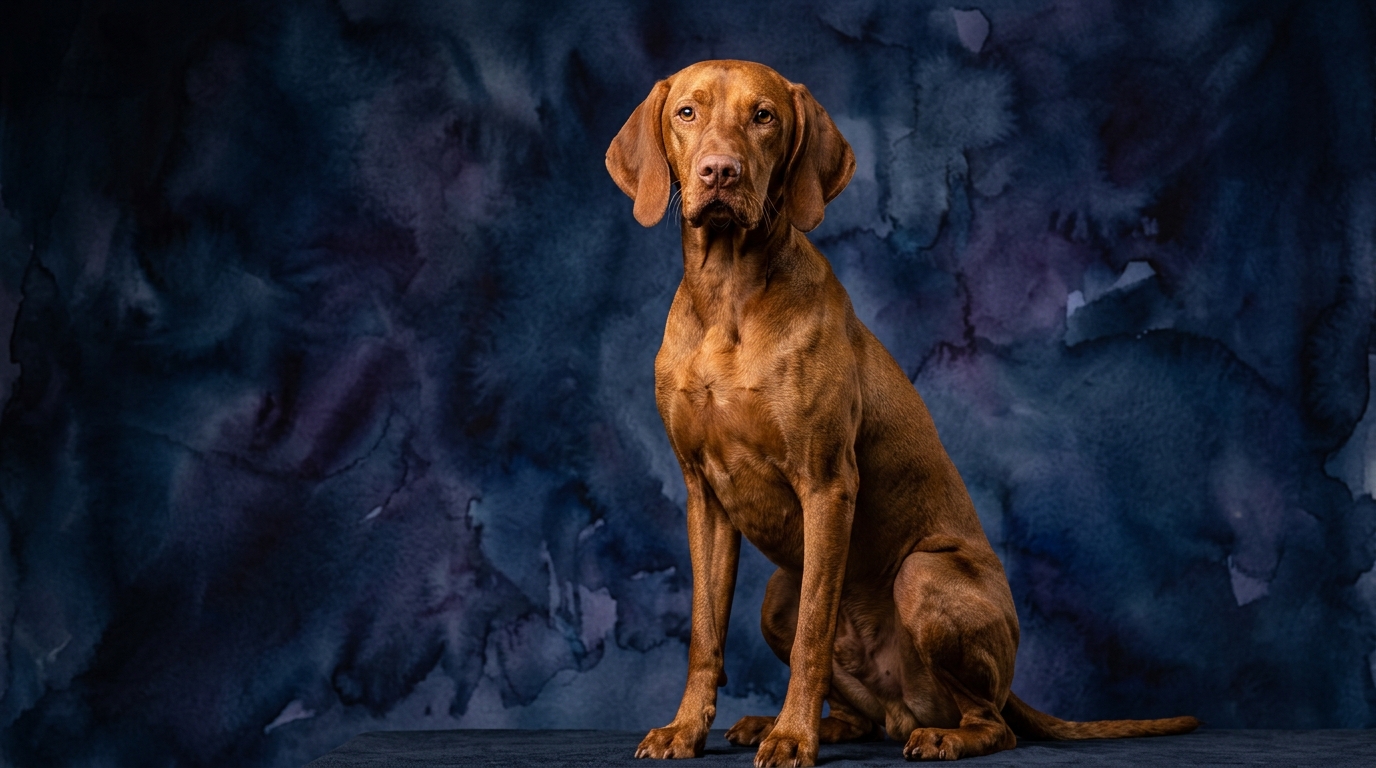
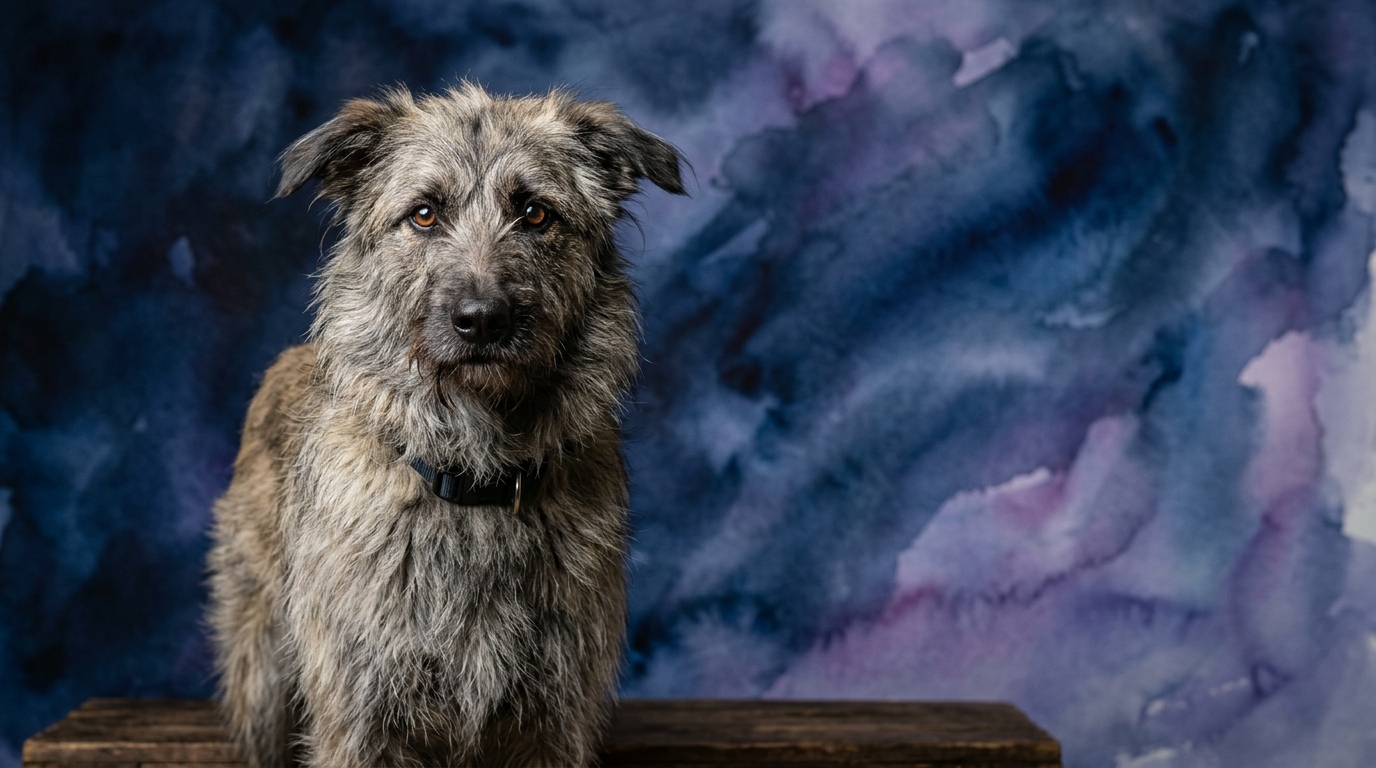
Side-by-Side IQ Profile: Vizsla vs. Pyrenean Shepherd
The Vizsla, a sporting breed, showcases a cognitive profile geared towards collaboration and adaptable problem-solving. Their Problem Solving (4/5) is evident in quickly learning complex tasks, navigating varied terrains, and mastering puzzle toys, demonstrating a flexible approach. Training Speed (4/5) highlights their remarkable ability to absorb new commands with few repetitions, driven by a keen desire to engage. Social Intelligence (5/5) makes them exceptionally attuned to human emotions and intentions, fostering deep, responsive bonds. An Instinctive Drive (5/5) fuels their relentless energy and purpose, whether tracking game or excelling in canine sports. Their Memory (4/5) is robust, allowing for reliable recall of learned behaviors and routes.
The Pyrenean Shepherd, a herding breed, displays a distinct cognitive makeup shaped by independent work. Their Problem Solving (3/5) is characterized by resourceful, autonomous decision-making, particularly in livestock management where quick, on-the-spot judgments are paramount. Training Speed (3/5) suggests they acquire new skills steadily, though requiring more consistent reinforcement. Social Intelligence (3/5) indicates a more reserved nature; loyal to family, but discerning with strangers. Their Instinctive Drive (3/5) is powerfully channeled into herding, manifesting as a focused desire to control and organize. Memory (3/5) is sufficient for retaining crucial working commands and routines, yet less generalized across non-working contexts.
Where the Vizsla Wins Cognitively
The Vizsla's cognitive strengths shine particularly in areas demanding close human partnership and adaptable learning. Their exceptional Social Intelligence (5/5) translates into an almost uncanny ability to read and respond to human cues, making them highly collaborative learners who thrive on shared experiences. This attunement means they often anticipate commands and adjust their behavior based on subtle handler signals, fostering a remarkably fluid working relationship. Furthermore, their superior Training Speed (4/5) allows them to acquire a diverse repertoire of skills, from complex obedience routines to intricate dog sports, with impressive efficiency, mastering tasks in fewer repetitions. This rapid acquisition is underpinned by their generalized Problem Solving (4/5), enabling them to apply learned principles to novel situations effectively. Their profound Instinctive Drive (5/5) also provides a powerful, self-sustaining motivation for engagement and learning, channeling their boundless energy into productive mental challenges.
Where the Pyrenean Shepherd Wins Cognitively
The Pyrenean Shepherd's cognitive profile excels in domains requiring independence, tenacity, and acute environmental awareness. Their Problem Solving (3/5), highly specialized for herding, demonstrates a remarkable capacity for autonomous decision-making when managing livestock, where swift, independent judgment without direct human instruction is crucial. This cognitive independence allows them to assess dynamic situations and implement solutions on the fly, a hallmark of a true working herder. Their Instinctive Drive (3/5), though numerically lower, is incredibly focused and persistent. It empowers them to concentrate on a task with unwavering determination, often outlasting breeds with broader but less targeted motivations. This tenacity is a cognitive advantage, enabling them to work through challenging scenarios and maintain focus. Moreover, their less overtly social nature fosters a self-reliance that prevents over-dependence on human input, supporting self-directed learning in observational and strategic tasks related to their environment.
Which is Easier to Train and Why
When evaluating ease of training, the Vizsla generally offers a more straightforward experience for many owners. Their high Social Intelligence (5/5) means they are inherently motivated to engage with and please their human companions, making them exceptionally receptive to positive reinforcement and eager to participate in training sessions. This eagerness, combined with their impressive Training Speed (4/5), allows them to grasp new commands and concepts quickly, often requiring fewer repetitions to achieve proficiency. They tend to seek out human interaction and guidance, making them highly biddable and responsive to direction, which accelerates the learning process across a broad spectrum of behaviors and activities.
The Pyrenean Shepherd, conversely, presents a different and often more nuanced training challenge. While certainly capable of learning, their Training Speed (3/5) indicates that new skills may require more consistent repetition and a patient, understanding approach. Their Social Intelligence (3/5), being more reserved, means they are less driven by a generalized desire to please and more by their own assessment of a situation. This independence, a valuable trait in a working herder, can manifest as a tendency to question commands or explore alternative solutions rather than simply complying. Training a Pyrenean Shepherd requires building a strong foundation of trust and clear communication, respecting their inherent self-reliance, and making learning feel like a collaborative problem-solving effort rather than a series of directives.
Which Suits Active Owners vs. Relaxed Owners
For active owners, the Vizsla is an ideal match, demanding significant daily engagement for both physical and mental well-being. Their profound Instinctive Drive (5/5) means they are not content with minimal exercise; they thrive on vigorous activities such as long runs, challenging hikes, extensive retrieving games, and participation in dog sports like agility, obedience, or scent work. A Vizsla’s high social intelligence also means they want to be an integral part of their family's adventures, making them unsuitable for owners seeking a sedentary companion. Failure to meet their substantial energy and companionship needs can lead to frustration and undesirable behaviors, as their cognitive engagement is deeply tied to purposeful activity.
The Pyrenean Shepherd also requires an active owner, albeit one who understands their specific type of activity. While their Instinctive Drive (3/5) is numerically lower than a Vizsla’s, it is intensely focused on purpose-driven work, rooted in their herding heritage. They excel in activities that engage their problem-solving abilities and provide a 'job,' such as herding trials, agility, competitive obedience, or even advanced trick training. A Pyrenean Shepherd needs consistent mental stimulation that taps into their strategic thinking and tenacity, rather than just endless physical exertion. A relaxed owner would struggle to provide the targeted engagement a Pyrenean Shepherd craves, potentially leading to boredom, destructive behaviors, or an overly vigilant guarding tendency. They are best suited for owners who can provide structure, purpose, and a consistent outlet for their working intelligence.
The Verdict
Choose a Vizsla if you seek a highly collaborative, socially attuned companion eager to participate in a wide array of activities and learn quickly. Their intense desire to engage with their human family makes them excellent partners for active lifestyles and diverse training pursuits.
Opt for a Pyrenean Shepherd if you appreciate an independent, resourceful canine partner who excels at specific tasks and requires thoughtful, consistent training. Their drive for purpose and unique problem-solving approach makes them a rewarding choice for experienced owners keen on specific dog sports or working roles.
🧠 Find Your Pet's IQ Score
Our Pet IQ Lab assessment covers 25+ tests across 5 cognitive dimensions — personalized to your breed.
Take the Full IQ Test →Frequently Asked Questions
Are Vizslas good for first-time dog owners?
Vizslas can be a handful for first-time owners due to their high energy, intense social needs, and strong drive. While they are eager to please, their requirements for exercise and mental stimulation are significant, demanding a committed and active lifestyle from their owner.
Do Pyrenean Shepherds bark a lot?
Pyrenean Shepherds can be prone to barking, especially if their herding instincts are not managed or if they are bored or under-stimulated. They use their voice to alert and communicate, a trait rooted in their working heritage, so consistent training and appropriate outlets are crucial.
How do Vizslas and Pyrenean Shepherds handle being alone?
Vizslas, with their high social intelligence, often struggle more with prolonged solitude and can develop separation anxiety if not properly conditioned. Pyrenean Shepherds, while forming strong bonds, tend to be more independent and may tolerate alone time better, provided their physical and mental needs are met beforehand.