A Side-by-Side Look at Cognitive Profiles
To understand the cognitive landscape of these two breeds, The Cosmic Pet Pet IQ Lab employs a five-dimensional framework, assessing problem-solving, training speed, social intelligence, instinctive drive, and memory. Each dimension offers a window into how a breed processes information and interacts with its environment.
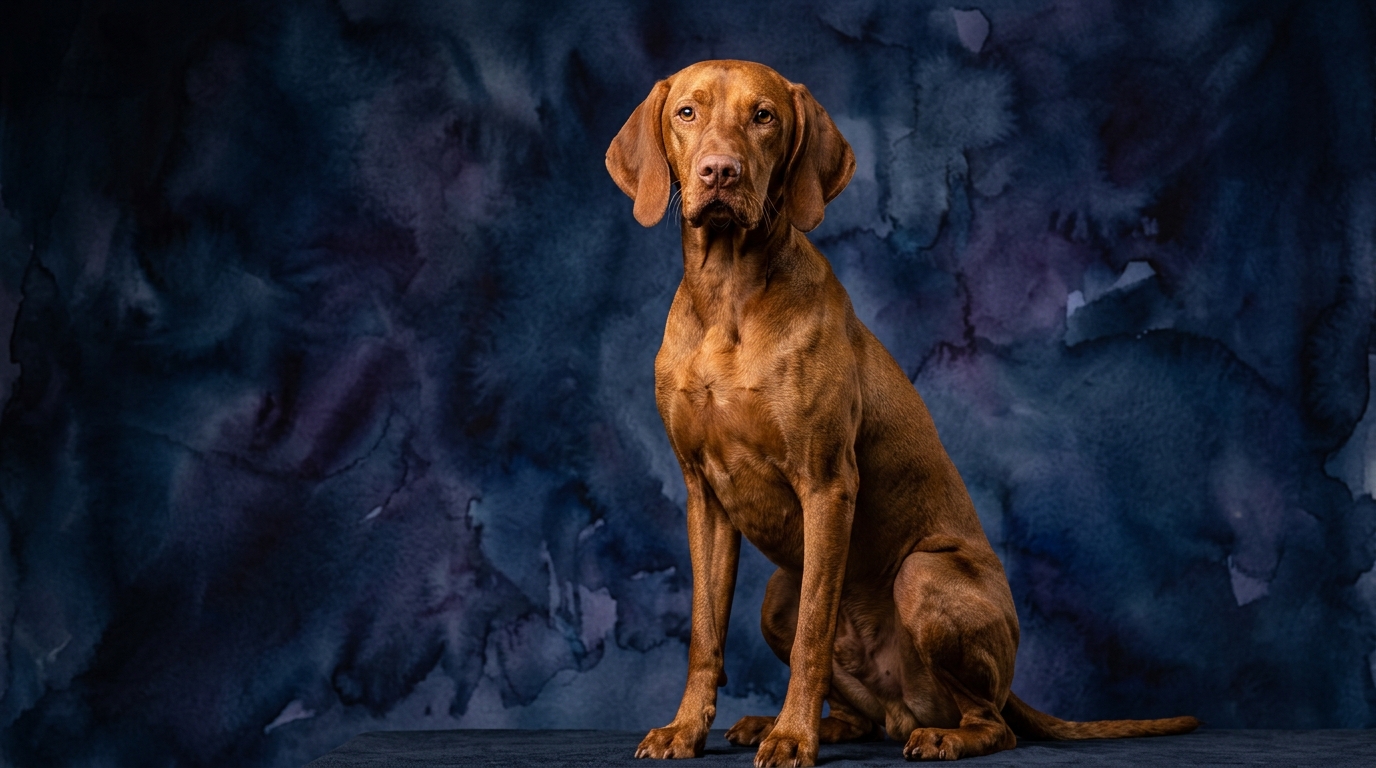
**Vizsla (Sporting Group, Coren Rank #31):** This breed consistently demonstrates a nuanced and highly engaged cognitive approach.
**Problem Solving (4/5):** Vizslas often display a keen ability to navigate complex tasks, such as figuring out how to retrieve a toy from an enclosed space or manipulating latches. Their approach to new challenges is typically resourceful and persistent, often trying various methods until a solution is found.
**Training Speed (4/5):** Vizslas generally absorb new commands and routines with impressive alacrity, often requiring fewer repetitions to solidify a behavior. Their eagerness to engage with their human companions fuels this rapid learning, making them highly receptive to instruction.
**Social Intelligence (5/5):** Marked by exceptional attunement to human emotions and social cues, Vizslas are typically highly responsive to subtle changes in tone or body language. This profound connection allows them to anticipate needs and intentions, fostering an incredibly close bond.
**Instinctive Drive (5/5):** Their strong inherent drive manifests as a powerful urge to hunt, retrieve, and work alongside humans, often displaying intense focus and endurance in pursuit of these goals. This deep-seated motivation is a defining characteristic, propelling them towards activity.
**Memory (4/5):** Vizslas tend to retain learned behaviors, routes, and associations over long periods, making them reliable in remembering commands and past experiences. This robust memory aids significantly in both training and daily interactions, building upon prior knowledge.
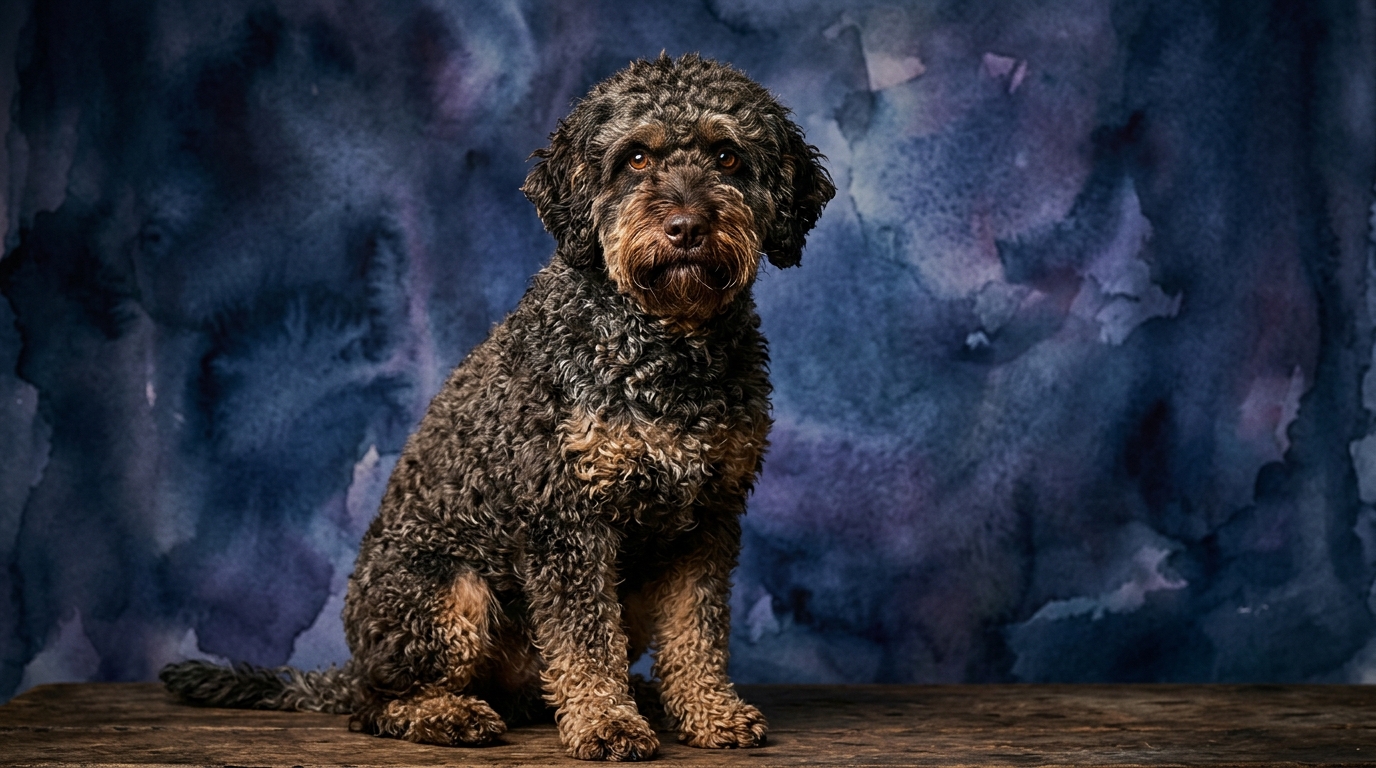
**Spanish Water Dog (Herding Group, Not Coren-Ranked):** This breed presents a cognitive profile shaped by its working heritage, emphasizing diligence and purpose.
**Problem Solving (3/5):** Spanish Water Dogs typically approach problems with a practical, but sometimes less experimental, mindset. They can solve familiar tasks efficiently but might take more time to devise novel solutions for new puzzles, preferring established methods.
**Training Speed (3/5):** While capable learners, Spanish Water Dogs might require more consistent repetition and patience during training sessions compared to breeds that learn at a faster pace. Their independent streak can sometimes influence their learning curve, demanding clear guidance.
**Social Intelligence (3/5):** This breed often exhibits a more reserved social nature, being observant rather than immediately effusive. They form strong bonds with their family but may not always display the same level of overt emotional responsiveness to strangers or even extended family members as some other breeds.
**Instinctive Drive (3/5):** Their inherent drive is focused on herding and guarding, manifesting as a diligent work ethic and territorial awareness. While present, it typically doesn't reach the same intensity or breadth as the Vizsla's varied sporting instincts, focusing instead on specific tasks.
**Memory (3/5):** Spanish Water Dogs generally possess a solid memory for routines and familiar commands, yet they might not recall complex sequences or less frequently practiced behaviors with the same precision as breeds with higher memory scores. They excel at remembering consistent patterns.
Where the Vizsla's Cognition Shines
The Vizsla's superior Social Intelligence (5/5) truly distinguishes it. This isn't just about being friendly; it's a deep capacity to read and react to human emotional states and intentions. A Vizsla might anticipate a change in activity based on a shift in an owner's posture or tone, fostering an almost telepathic connection. This keen social awareness translates into a dog that often feels like an extension of its handler, making them exceptionally responsive partners in dynamic activities like field trials or advanced obedience.
Their high scores in Problem Solving (4/5) and Training Speed (4/5) are also noteworthy. A Vizsla isn't just quick to learn; it often applies learned concepts to novel situations. For instance, after being taught to open a specific type of gate, a Vizsla might generalize that skill to other similar closures, demonstrating flexible application of intelligence. Their strong Instinctive Drive (5/5) for retrieving and working further empowers this cognitive profile, providing an intrinsic motivation that makes training feel less like work and more like a shared purpose. This breed often thrives on complex challenges that tap into their natural hunting acumen, exhibiting sustained focus and strategic thinking to achieve their goals, whether it’s tracking a scent or navigating an agility course.
Unpacking the Spanish Water Dog's Unique Cognitive Strengths
While the Spanish Water Dog's overall cognitive scores are generally lower than the Vizsla's, their distinct profile reveals strengths tailored to their traditional roles. Their Instinctive Drive (3/5) is primarily geared towards herding and guarding, which translates into a dog with a strong sense of responsibility and territorial awareness. This isn't about speed or flashiness, but rather a steady, reliable application of their inherent abilities, often displaying a quiet vigilance that is invaluable in a working capacity. They might not be as overtly expressive as a Vizsla, but their loyalty is often demonstrated through their protective instincts and consistent presence.
The Spanish Water Dog's Problem Solving (3/5) manifests in a practical, methodical way. They excel at repetitive tasks within a familiar context, like managing a flock or patrolling a boundary, rather than inventing novel solutions on the fly. Their Training Speed (3/5), while not as rapid as some breeds, indicates a dog that, with consistent and clear instruction, will reliably perform tasks. Their independent nature, a hallmark of many herding breeds, means they sometimes require more motivation to comply, but once a behavior is learned, it tends to be deeply ingrained due to their solid Memory (3/5) for established routines. Their Social Intelligence (3/5) is more about forming deep, trusting bonds with their immediate family, often being reserved with strangers, which is a desirable trait for a guardian.
Training Dynamics: Vizsla's Eagerness vs. SWD's Independence
When it comes to ease of training, the Vizsla generally holds an advantage due to its elevated Social Intelligence (5/5) and Training Speed (4/5). A Vizsla's deep desire to connect and please its owner, coupled with its rapid learning ability, means it often picks up commands and complex sequences with remarkable speed. They thrive on positive reinforcement and mental stimulation, viewing training as a collaborative activity rather than a chore. Their high instinctive drive also means they are often inherently motivated by tasks that mimic their natural sporting abilities, making activities like retrieve work or agility particularly engaging. Behavioral differences often include a lower threshold for frustration during training and a strong drive to maintain handler attention, requiring consistent engagement to prevent boredom.
The Spanish Water Dog, with its more moderate Training Speed (3/5) and a stronger independent streak inherent to many herding breeds, can present a different training experience. While certainly capable of learning, they might require more patience, consistency, and clear, unambiguous commands. Their Problem Solving (3/5) is more geared towards practical, repetitive tasks, meaning they may not generalize learned behaviors as quickly or eagerly apply themselves to novel challenges without specific guidance. Owners often report that SWDs can be discerning about who they listen to, and their occasional stubbornness is a manifestation of their independent nature rather than a lack of intelligence. Effective training for an SWD often involves building a strong foundation of trust and respect, using positive reinforcement to encourage their cooperative side while understanding their inclination to think for themselves.
Matching Cognitive Profiles to Lifestyles
For active owners seeking a highly engaged and responsive companion, the Vizsla's cognitive profile aligns perfectly. Their exceptional Social Intelligence (5/5) means they thrive on constant interaction and quickly become attuned to their owner's moods and desires, making them excellent partners for activities like running, hiking, or competitive dog sports. Their high Instinctive Drive (5/5) and Problem Solving (4/5) capabilities demand regular mental and physical outlets, preventing boredom and potential destructive behaviors. A Vizsla isn't content to simply observe; it wants to participate actively in every aspect of its owner's life, making them ideal for individuals who integrate their dog into their dynamic daily routines, valuing a constant, eager presence.
The Spanish Water Dog, while also an active breed, suits owners who appreciate a more self-reliant and purposeful companion, perhaps with a slightly less intense need for constant social engagement. Their Herding background means they appreciate having a "job" to do, whether it's agility, dock diving, or simply monitoring the household. Their moderate Social Intelligence (3/5) suggests they are devoted to their family but may not seek the same level of continuous physical affection or interaction as a Vizsla, often preferring to observe. This makes them a good fit for active owners who value a dog that can be independent when needed, yet still eager to participate in structured activities. They are less about being an ever-present shadow and more about being a steadfast, observant member of the family unit, thriving in environments where their innate drives are channeled into productive outlets.
The Verdict
Choose the Vizsla if you desire a deeply bonded, highly responsive, and intensely engaged companion eager to participate in every aspect of your active life and thrive on constant social and mental interaction.
Opt for the Spanish Water Dog if you seek a steadfast, independent, and purposeful working companion who will form deep bonds but appreciates having a distinct role and thrives on structured activities with a touch of self-reliance.
🧠 Find Your Pet's IQ Score
Our Pet IQ Lab assessment covers 25+ tests across 5 cognitive dimensions — personalized to your breed.
Take the Full IQ Test →Frequently Asked Questions
Are Vizslas good with children and other pets?
Vizslas, with their high Social Intelligence, generally interact well with children and other pets when properly socialized from a young age. Their energetic nature requires supervision, especially with very young children, to ensure gentle play and prevent accidental bumps.
Do Spanish Water Dogs require extensive grooming?
Spanish Water Dogs have a unique corded or curly coat that requires specific grooming, typically involving clipping rather than brushing to maintain its characteristic texture and prevent matting. Regular maintenance, including occasional hand-cording, is necessary to keep their coat healthy.
Which breed is better for first-time dog owners?
Neither breed is typically recommended for entirely novice owners without significant dedication and preparation. The Vizsla's high energy and social needs demand consistent engagement, while the Spanish Water Dog's independence and herding instincts require experienced guidance and firm, positive training to manage effectively.