Side-by-Side IQ Profile: Vizsla vs. Staffordshire Bull Terrier
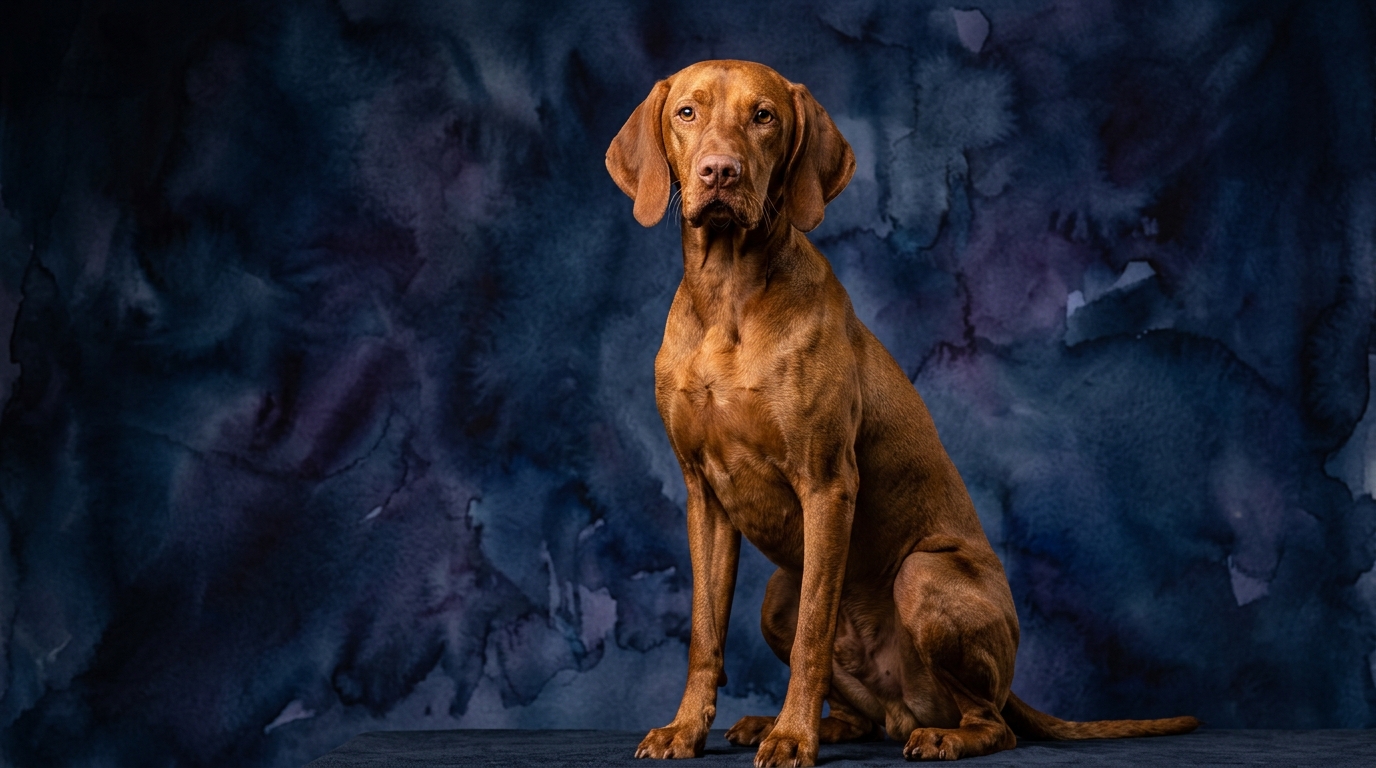
The Vizsla, a graceful Hungarian sporting dog, exhibits a cognitive profile that reflects its heritage as a versatile hunter and companion. Our Pet IQ Lab assessment gives the Vizsla a Problem Solving score of 4/5, indicating a strong capacity for independent thought and navigating novel situations. Their Training Speed, also 4/5, highlights their eagerness and quick uptake of new commands and routines. Where the Vizsla truly shines is in Social Intelligence, scoring a perfect 5/5, demonstrating an exceptional ability to read human cues and form deep, cooperative bonds. An Instinctive Drive of 5/5 underscores their intense desire to work and engage with tasks, particularly those involving scent and retrieval. Finally, their Memory at 4/5 ensures they retain learned behaviors and social interactions effectively.
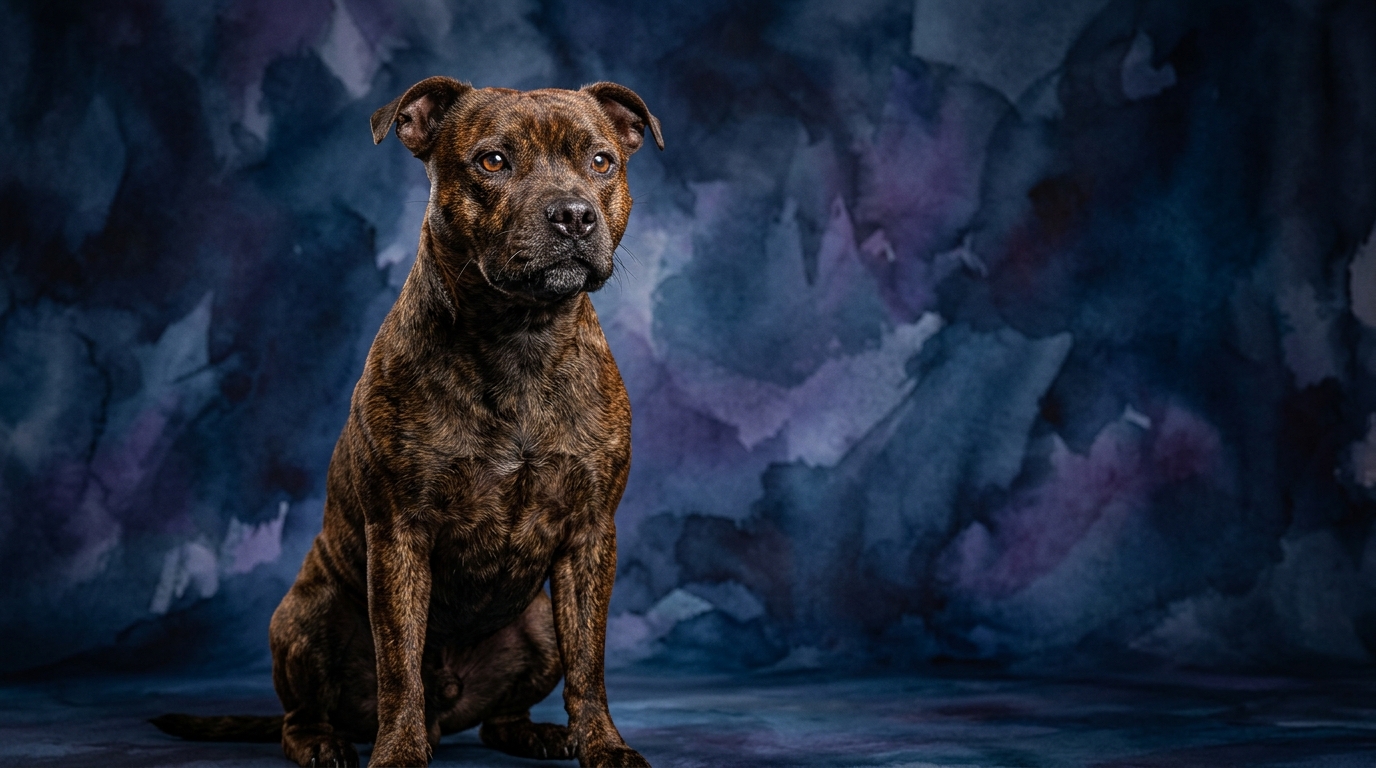
In contrast, the Staffordshire Bull Terrier, a courageous terrier breed, presents a different, yet equally compelling, cognitive blueprint. While not Coren-ranked, our IQ Lab scores show a consistent baseline across the board, starting with Problem Solving at 3/5. This suggests they can resolve challenges, though perhaps with less initial finesse or speed than a Vizsla, often relying on their tenacity. Their Training Speed also stands at 3/5, meaning they are certainly trainable, but may require more repetition and motivation to master new skills. Social Intelligence at 3/5 indicates they are affectionate and capable of bonding, though perhaps not with the same nuanced social awareness or 'velcro' intensity as a Vizsla. Instinctive Drive is rated 3/5, reflecting a moderate motivation for physical tasks and play, while their Memory at 3/5 suggests a reliable, if not exceptional, capacity for recall.
Where the Vizsla Excels Cognitively
The Vizsla's cognitive strengths are evident across nearly all assessed dimensions, making them stand out in specific areas. Their Problem Solving score of 4/5 means they are adept at figuring out complex puzzles or navigating challenging terrains during a hunt, often displaying a strategic approach. For instance, a Vizsla might quickly learn to open a specific gate or retrieve a toy from an unusual hiding spot with minimal guidance. The 4/5 Training Speed is critical; they grasp multi-step commands and intricate sequences with remarkable swiftness, allowing for advanced obedience or sport training. This rapid assimilation of information makes them highly responsive partners.
Furthermore, the Vizsla's Social Intelligence, a perfect 5/5, translates into an uncanny ability to anticipate their owner's moods and intentions, fostering an exceptionally deep connection. They are highly attuned to subtle shifts in tone or body language, making them intuitive companions. Their 5/5 Instinctive Drive fuels their desire for engagement and purpose, whether it's tracking a scent, performing agility, or retrieving. This strong intrinsic motivation makes them exceptionally focused on tasks they perceive as meaningful, sustaining effort longer than many other breeds. Coupled with a 4/5 Memory, they not only learn quickly but also retain that learning over extended periods, making their training durable and reliable.
Where the Staffordshire Bull Terrier Shines Cognitively
While the Staffordshire Bull Terrier's scores are consistently moderate at 3/5, these numbers highlight a different kind of cognitive strength: unwavering consistency and resilience. Their Problem Solving at 3/5 indicates they are not easily deterred by obstacles; rather than quick analytical leaps, they often apply persistent effort and a determined approach to overcome challenges. This can manifest as a steadfast refusal to give up on a puzzle toy until it's conquered, even if it takes more time. Their 3/5 Training Speed, while not as rapid as a Vizsla's, means they are consistent learners. Once a command is truly embedded, it tends to stick, often due to their inherent tenacity and desire to please their human companions.
The Staffordshire Bull Terrier's 3/5 Social Intelligence, while not as acutely sensitive as a Vizsla's, translates into a profound and steadfast loyalty. They form incredibly strong, devoted bonds with their families, offering a robust and uncomplicated companionship. This breed often excels in situations where a calm, predictable social dynamic is valued, providing consistent affection without demanding constant, intricate interaction. Their 3/5 Instinctive Drive means they enjoy activity and play but are also content with periods of rest and companionship, adapting well to varying energy demands. This adaptability, combined with their 3/5 Memory, ensures they are reliable and steadfast companions, remembering routines and family members with consistent affection.
Which is Easier to Train and Why
Based on our Pet IQ Lab scores, the Vizsla is generally considered easier to train, primarily due to their higher Training Speed (4/5) and exceptional Social Intelligence (5/5). Vizslas possess an intense 'eagerness to please' and a strong desire to work cooperatively with their human partners. This 'velcro dog' nature means they are highly attentive to their owners, absorbing commands and cues rapidly. Their high Instinctive Drive (5/5) can be effectively channeled into structured training, where tasks like retrieving or scent work become highly motivating. They thrive on positive reinforcement and quickly understand the link between their actions and desired outcomes, making complex sequences and advanced obedience relatively straightforward to teach.
The Staffordshire Bull Terrier, with a Training Speed of 3/5, requires a different approach. While certainly trainable, their terrier tenacity and more independent streak mean they may not always be as immediately compliant as a Vizsla. They can be more prone to 'selective hearing' if they don't see the immediate value in a command or if they're distracted. Training a Staffy requires consistency, patience, and highly engaging, positive reinforcement methods. Their strong loyalty means they *want* to please, but their independent problem-solving (3/5) might lead them to try their own solutions before readily accepting yours. Real behavioral differences include the Vizsla's inherent desire for partnership versus the Staffy's more self-assured, sometimes stubborn, approach to learning.
Which Suits Active Owners vs. Relaxed Owners
For highly active owners seeking a dynamic partner, the Vizsla is an ideal match. Their Instinctive Drive of 5/5 signifies an enormous need for both physical exertion and mental stimulation. These dogs thrive when given a 'job,' whether it's hunting, agility, long-distance running, or advanced obedience training. A Vizsla who doesn't receive adequate outlets for their energy and cognitive abilities can become bored, potentially leading to undesirable behaviors. They are not content with short walks; they require vigorous daily exercise and consistent mental challenges to remain balanced and happy. Owners who enjoy outdoor sports, hiking, or participate in dog sports will find the Vizsla to be an unparalleled companion.
The Staffordshire Bull Terrier, with an Instinctive Drive of 3/5, is far more adaptable to a range of owner lifestyles, including moderately active or even somewhat relaxed ones. While Staffies certainly enjoy daily walks, playtime, and mental engagement, their needs are generally less intense than a Vizsla's. They are often content with a good daily stroll, some interactive play in the yard, and plenty of quality time with their family. Their resilient and stable temperament allows them to settle down happily after exercise, making them excellent companions for owners who appreciate a dog that can be active when prompted but also enjoy quiet time indoors. They provide steadfast companionship without the relentless demand for high-octane activity.
The Verdict: When to Choose Each Breed
Deciding between a Vizsla and a Staffordshire Bull Terrier comes down to aligning their distinct cognitive profiles and energy levels with your lifestyle and expectations.
The Verdict
Choose a Vizsla if you are a highly active individual or family seeking a deeply engaged, quick-learning, and exceptionally responsive partner for demanding physical activities and intricate training, valuing their profound social bond.
Opt for a Staffordshire Bull Terrier if you desire a resilient, steadfastly loyal companion with moderate energy needs, appreciating their consistent affection and determined spirit over rapid task mastery or extreme athleticism.
🧠 Find Your Pet's IQ Score
Our Pet IQ Lab assessment covers 25+ tests across 5 cognitive dimensions — personalized to your breed.
Take the Full IQ Test →Frequently Asked Questions
Are Vizslas good family dogs?
Yes, with a Social Intelligence of 5/5, Vizslas form strong bonds with family members and are often gentle with children when properly socialized. However, their high energy and need for consistent engagement mean they thrive best in active households that can meet their extensive exercise and training requirements.
Are Staffordshire Bull Terriers stubborn?
While 'stubborn' might be a strong word, their 3/5 Training Speed and independent terrier spirit mean they can be more challenging to train than some other breeds. Consistency, patience, and highly motivating positive reinforcement are crucial to engage their determination and achieve reliable obedience.
Which breed is better for first-time dog owners?
Neither breed is inherently difficult, but their needs differ. A Staffy, with its moderate energy and consistent temperament, might be more forgiving for a first-time owner willing to commit to consistent training. A Vizsla, with its high energy and intense drive, demands a significant commitment to exercise and mental stimulation, which can be challenging for inexperienced owners.