
Side-by-side IQ profile
The Weimaraner, a Sporting breed ranked #21 by Coren, demonstrates a well-rounded cognitive toolkit. Their problem-solving ability scores 4/5, indicating a capacity to analyze new situations and devise effective strategies, often with a keen interest in their surroundings and a desire to engage. Training speed is also strong at 4/5, suggesting a quick grasp of new commands and routines, eager to engage in structured learning and responsive to consistent guidance. Social intelligence, at 4/5, points to their adeptness at reading human cues and forming strong, responsive bonds, often seeking interaction and thriving on companionship. An instinctive drive of 5/5 reflects their powerful prey drive and inherent desire to work, particularly in tasks involving scent and retrieval, making them highly motivated for activity. Their memory is robust at 4/5, allowing them to retain complex sequences and recall past experiences efficiently, contributing to their trainability.
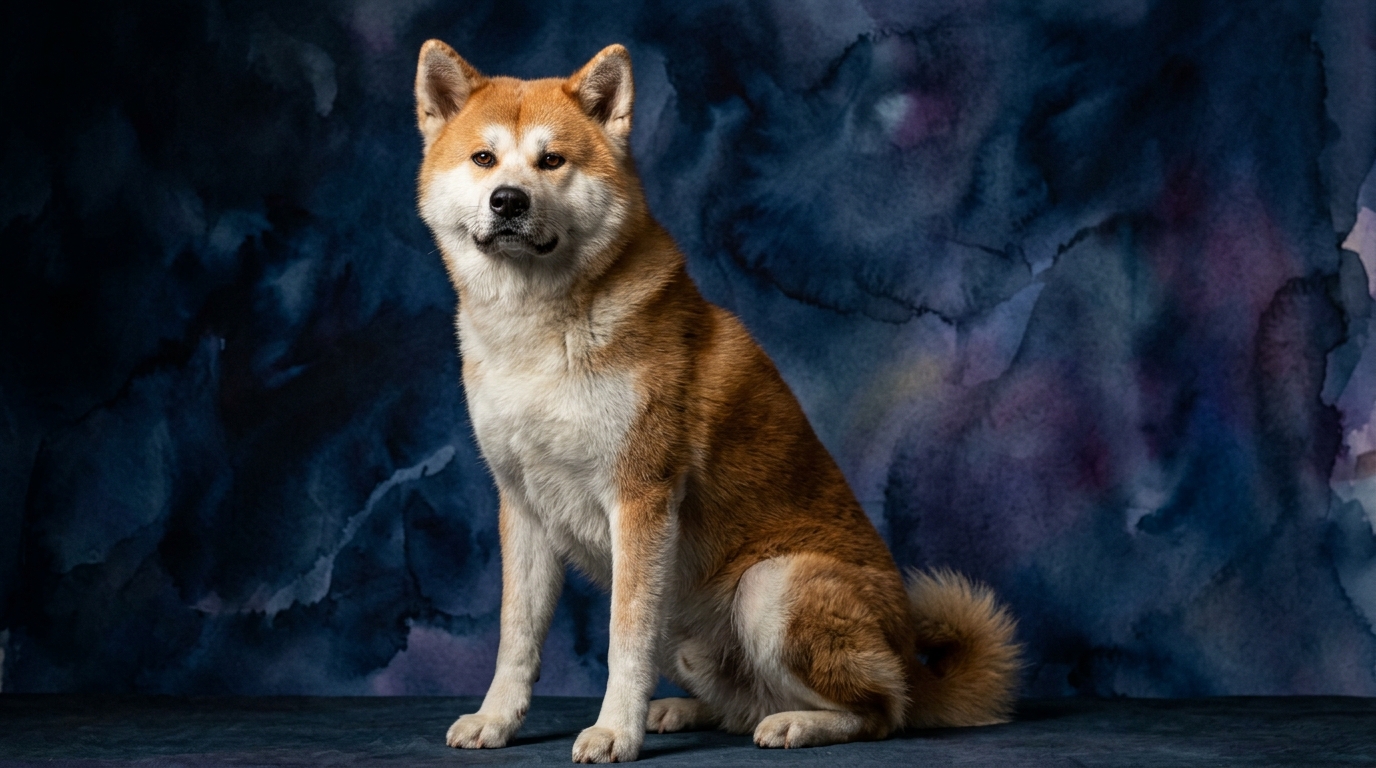
The Akita, a Working breed with a Coren rank of #54, possesses a distinct cognitive makeup. Their problem-solving ability scores 3/5, indicating they can navigate challenges but often prefer to rely on established routines or their own independent judgment rather than readily seeking human intervention for every puzzle. Training speed is 2/5, suggesting a more deliberate learning pace, often requiring patience and consistent, reward-based methods to solidify new behaviors due to their independent streak. Social intelligence, at 3/5, points to their selective nature; they form deep bonds with their inner circle but are often reserved or aloof with strangers, valuing their personal space and exhibiting a watchful demeanor. Their instinctive drive is a formidable 5/5, rooted in their historical roles as guardians and hunters, manifesting as strong protective instincts and a self-assured temperament. Memory is 4/5, indicating they retain experiences and learned behaviors effectively, though their application of this memory is often filtered through their independent temperament and purpose.
Where Weimaraner wins cognitively
The Weimaraner's cognitive strengths shine in areas demanding interactive engagement and adaptability. Their 4/5 problem-solving score means they are often adept at navigating novel situations, quickly assessing environmental changes, and figuring out how to achieve a desired outcome, such as opening a gate or finding a hidden toy through trial and error. This active mental engagement, coupled with their 4/5 training speed, makes them particularly responsive to complex command sequences and sports like agility or obedience, where rapid learning and precise execution are key. Furthermore, their 4/5 social intelligence allows them to excel in understanding and responding to human emotional states and intentions, fostering a highly communicative partnership. They are often keen to please and will adjust their behavior based on subtle human cues, making them intuitive companions in family settings who thrive on shared activities.
Where Akita wins cognitively
The Akita's cognitive profile reveals a different kind of strength, particularly in self-reliance and deep-seated purpose. Their 5/5 instinctive drive is a formidable standout, manifesting as unwavering loyalty and formidable protective instincts towards their family and territory. This isn't just a physical drive; it's a cognitive framework that prioritizes vigilance and security, making them keen observers of their surroundings and capable of independent decision-making when they perceive a threat. While their problem-solving score is 3/5, they often apply their intelligence to practical, independent tasks, such as assessing a situation before reacting or finding the most efficient way to patrol their domain, rather than seeking constant human direction. Their 4/5 memory is equally robust as the Weimaraner's, but it often underpins their consistent routines and their ability to recall past interactions, both positive and negative, which informs their selective social interactions and reinforces their protective behaviors with remarkable consistency.
Which is easier to train and why
Based on their cognitive profiles, the Weimaraner presents a more straightforward training experience for the average owner. Their 4/5 training speed and 4/5 social intelligence mean they are generally eager to learn, quick to pick up new commands, and highly motivated by human interaction and praise. They tend to form strong associations between actions and consequences rapidly, making positive reinforcement highly effective. Their desire to be involved and their responsiveness to their handler's cues translate into a dog that often seeks guidance and thrives on structured activities, making them highly adaptable to various training methodologies. In contrast, the Akita's 2/5 training speed and 3/5 social intelligence suggest a more independent and sometimes stubborn learner. While capable of learning, they require more patience, consistency, and a deep understanding of their unique motivations. Akitas often question commands if they don't perceive a clear purpose or if they feel their independence is being unduly challenged. Their strong instinctive drive means they respond best to training that respects their self-assured nature and leverages their natural desire for a clear hierarchy, rather than simply demanding compliance, requiring an owner with a firm yet gentle approach.
Which suits active owners vs relaxed owners
The Weimaraner's cognitive and physical energy make them an ideal match for active owners. Their 5/5 instinctive drive for activity, combined with their quick learning ability and social intelligence, means they thrive on consistent mental and physical engagement. Owners who enjoy long runs, hiking, dog sports like agility or flyball, or who can provide daily structured training sessions will find the Weimaraner a willing and capable partner. Their need for interaction and stimulation means they are not content to be couch potatoes; they require an owner who can channel their considerable drive into productive outlets, ensuring they receive sufficient mental and physical exercise to prevent boredom. Conversely, the Akita, while possessing a powerful 5/5 instinctive drive, often channels it differently. Their independence and protective nature can suit owners who appreciate a more self-sufficient companion, one that might enjoy a brisk walk but isn't necessarily seeking constant, high-intensity interaction. While they need regular exercise, their cognitive makeup suggests they are not driven by the same constant need for human-led activity as a Weimaraner. A 'relaxed' owner for an Akita might be someone who enjoys quiet companionship, appreciates their watchful presence, and can provide consistent, calm leadership without demanding constant engagement in high-energy activities, understanding their need for personal space and dignity.
The Verdict
Opt for a Weimaraner if you seek a highly trainable, socially engaged canine partner eager for shared activities and responsive to intricate commands, thriving in an active household committed to consistent mental and physical stimulation.
Select an Akita if you value a dignified, independent, and deeply loyal companion who forms strong, selective bonds and requires an owner who understands their self-assured nature and provides calm, consistent leadership without demanding constant, high-energy interaction.
🧠 Find Your Pet's IQ Score
Our Pet IQ Lab assessment covers 25+ tests across 5 cognitive dimensions — personalized to your breed.
Take the Full IQ Test →Frequently Asked Questions
Are Weimaraners prone to destructive behavior if not mentally stimulated?
Yes, their high problem-solving ability and instinctive drive mean that without adequate mental and physical outlets, Weimaraners can become bored and channel their energy into unwanted behaviors like chewing or excessive barking. Consistent training and exercise are vital for their well-being and household harmony.
Do Akitas get along with other pets or children?
Akitas can coexist peacefully with children and other pets if properly socialized from a young age and raised with them, but their strong protective instincts and independent nature mean they require careful introduction and supervision, especially with unfamiliar animals or rambunctious children. They are often best as the only dog to ensure a stable environment.
How do their memory scores of 4/5 differ in practical application?
Both breeds have excellent memory, but a Weimaraner's memory often contributes to recalling complex training sequences and social cues for immediate application in interactive tasks. An Akita's memory often reinforces their understanding of routines, family members, and past interactions, contributing to their consistent protective behaviors and selective social engagement, informing their independent decision-making.