
Side-by-side IQ profile
The Weimaraner, a dog steeped in hunting tradition, exhibits a cognitive profile tailored for demanding work. Their Problem Solving (4/5) allows them to ingeniously navigate complex tasks, while their Training Speed (4/5) means they absorb new commands rapidly, a reflection of their cooperative nature. Social Intelligence (4/5) helps them forge deep bonds and anticipate human cues, vital for a working partner. Their Instinctive Drive (5/5) is unparalleled, manifesting as an intense focus on tracking and retrieving. This drive is supported by a strong Memory (4/5), ensuring complex learned behaviors are retained for sustained performance.
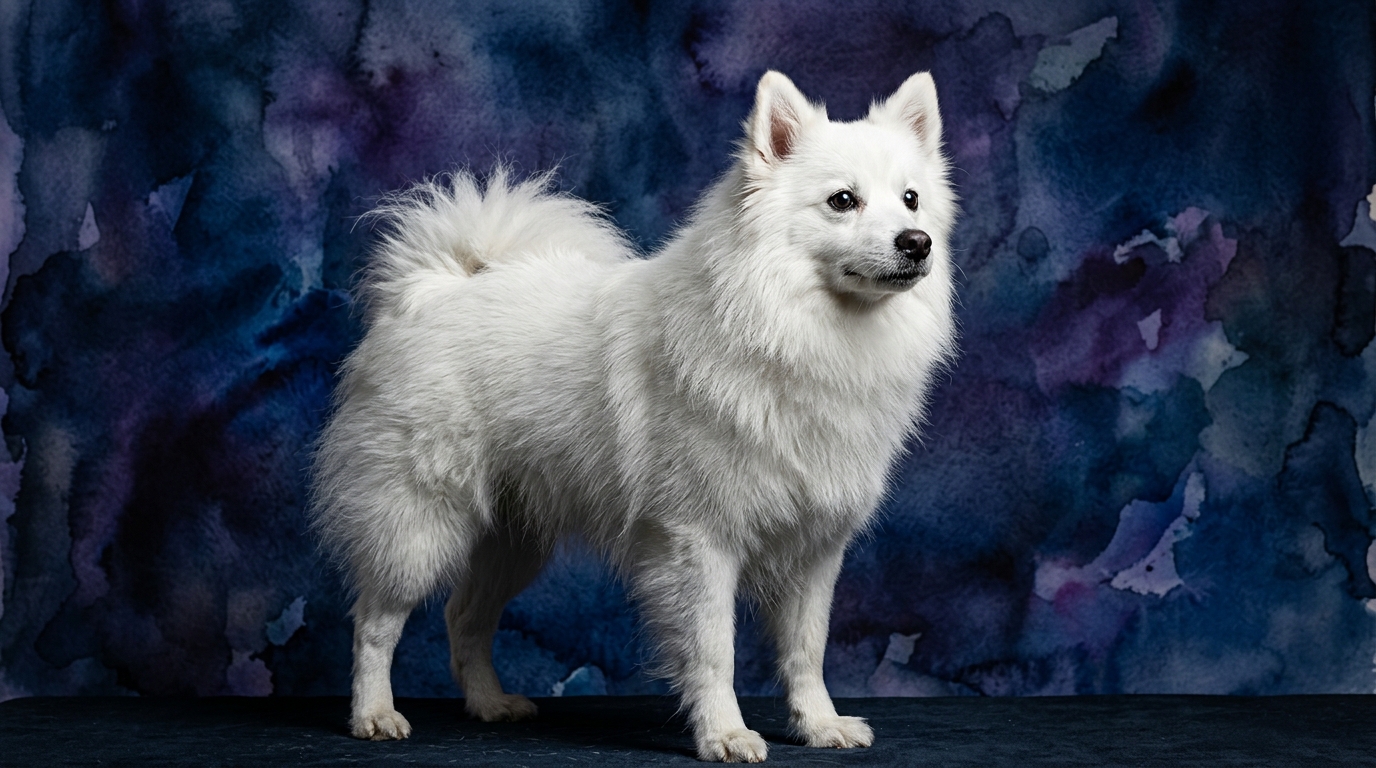
The American Eskimo Dog, historically a companion and performance animal, presents a balanced cognitive set. Their Problem Solving (3/5) indicates a solid ability to learn routines and everyday tasks, though perhaps without the same flair for novel solutions. Training Speed (3/5) shows they are capable learners with consistent positive reinforcement, albeit requiring more repetition than some breeds. Social Intelligence (3/5) allows them to be responsive and engaged family members, attuned to household dynamics. Their Instinctive Drive (3/5) is moderate, leaning more towards general play and interaction than specialized work. A functional Memory (3/5) supports their ability to recall commands and familiar experiences.
Where Weimaraner wins cognitively
The Weimaraner's cognitive strengths lie in its profound drive and rapid, focused learning. With a 4/5 in Problem Solving and Training Speed, combined with a 5/5 in Instinctive Drive, they are masters of sustained, purpose-driven activity. This breed excels at quickly understanding intricate tasks like advanced agility courses or complex scent discrimination, then executing them with unwavering dedication. Their 4/5 Memory ensures that once a skill is acquired, it's deeply ingrained, allowing for the progression to highly sophisticated commands and multi-stage field work. Their mental agility and persistent work ethic make them exceptional partners for challenging canine sports.
Where American Eskimo Dog wins cognitively
The American Eskimo Dog's consistent 3/5 scores across all cognitive dimensions offer a distinct advantage in adaptability and broad appeal. Their moderate instinctive drive means they are less prone to destructive behaviors if not given an intense, specific working outlet daily, making them more forgiving for varied lifestyles. Their solid 3/5 in Social Intelligence and Problem Solving allows them to thrive on human interaction and learn a wide range of tasks suitable for a family companion, without the singular, intense focus of a sporting breed. This balanced profile ensures they are versatile, cheerful learners, ready to engage in play, training, or simply enjoy companionship without overwhelming demands for specialized activity.
Which is easier to train and why
The Weimaraner (Training Speed 4/5) generally proves quicker to train than the American Eskimo Dog (Training Speed 3/5). The Weimaraner's higher Problem Solving (4/5) and powerful Instinctive Drive (5/5) mean they grasp concepts rapidly and possess an innate desire to perform. They focus intensely on tasks, generalize learned behaviors quickly, and their strong memory aids retention, making complex training like multi-step retrieves progress swiftly. In contrast, while the Eskie is trainable, their 3/5 in these areas suggests they may require more repetition and varied motivation. Eskies can exhibit an independent streak or vocalize, sometimes diverting focus. Training success with an Eskie often relies on keeping sessions engaging and building a strong, cooperative relationship, rather than relying on an inherent drive to work.
Which suits active owners vs relaxed owners
The Weimaraner is ideally suited for active owners. Their 5/5 Instinctive Drive, coupled with high Problem Solving and Memory, translates into a significant need for vigorous physical activity and consistent mental challenges. They thrive with a "job," excelling in activities like long runs, advanced obedience, or scent work. Without sufficient outlets, their energy and problem-solving skills can manifest as destructive boredom. They require an owner committed to daily, demanding engagement. The American Eskimo Dog, with its balanced 3/5 scores, offers more flexibility for moderately active to relaxed owners. While energetic, their moderate instinctive drive means they don't demand the same intensity as a Weimaraner. Daily walks, yard play, and consistent mental enrichment through puzzles suffice. They are adaptable, content with various paces as long as they receive attention and engagement, making them a forgiving choice for diverse lifestyles.
The Verdict
Choose the Weimaraner if you are an active, experienced owner eager for a highly driven, focused, and capable partner for demanding outdoor activities, advanced training, or competitive dog sports.
Choose the American Eskimo Dog if you desire a bright, adaptable, and cheerful companion who thrives on human interaction and can fit into a moderately active to more relaxed household with consistent mental engagement.
🧠 Find Your Pet's IQ Score
Our Pet IQ Lab assessment covers 25+ tests across 5 cognitive dimensions — personalized to your breed.
Take the Full IQ Test →Frequently Asked Questions
Are Weimaraners difficult to manage due to their drive?
Weimaraners require significant commitment due to their intense instinctive drive and problem-solving abilities. Without consistent exercise, mental stimulation, and clear leadership, their energy can manifest as destructive behaviors or anxious tendencies, making them challenging for inexperienced or sedentary owners.
Can American Eskimo Dogs do advanced obedience?
Yes, American Eskimo Dogs are capable of advanced obedience and excel in various dog sports, though they may require more patience and creative motivation than some high-drive breeds. Their moderate training speed and social intelligence mean they learn well when training is fun, positive, and focused on building a cooperative bond.
Which breed is better for first-time dog owners?
The American Eskimo Dog is generally a more suitable choice for first-time dog owners due to its more moderate exercise needs and adaptable temperament. Weimaraners, with their intense drive and high demands for physical and mental engagement, typically require an owner experienced in channeling a working breed's energy.