
Side-by-Side IQ Profile: Weimaraner vs. Bichon Frisé
The Cosmic Pet Pet IQ Lab provides a comprehensive framework for understanding canine intelligence across five key dimensions. For the Weimaraner, a breed originally developed for hunting, its profile reflects a powerful and driven intellect: Problem Solving at 4/5 indicates a strong capacity for navigating complex situations and figuring out solutions independently, while Training Speed at 4/5 signifies a quick grasp of commands and routines. Social Intelligence, also at 4/5, suggests they are adept at understanding human cues and integrating into family dynamics, though perhaps with a more independent streak. Their Instinctive Drive is exceptionally high at 5/5, reflecting their profound natural hunting and working aptitudes, and Memory at 4/5 ensures they retain learned behaviors and experiences effectively.
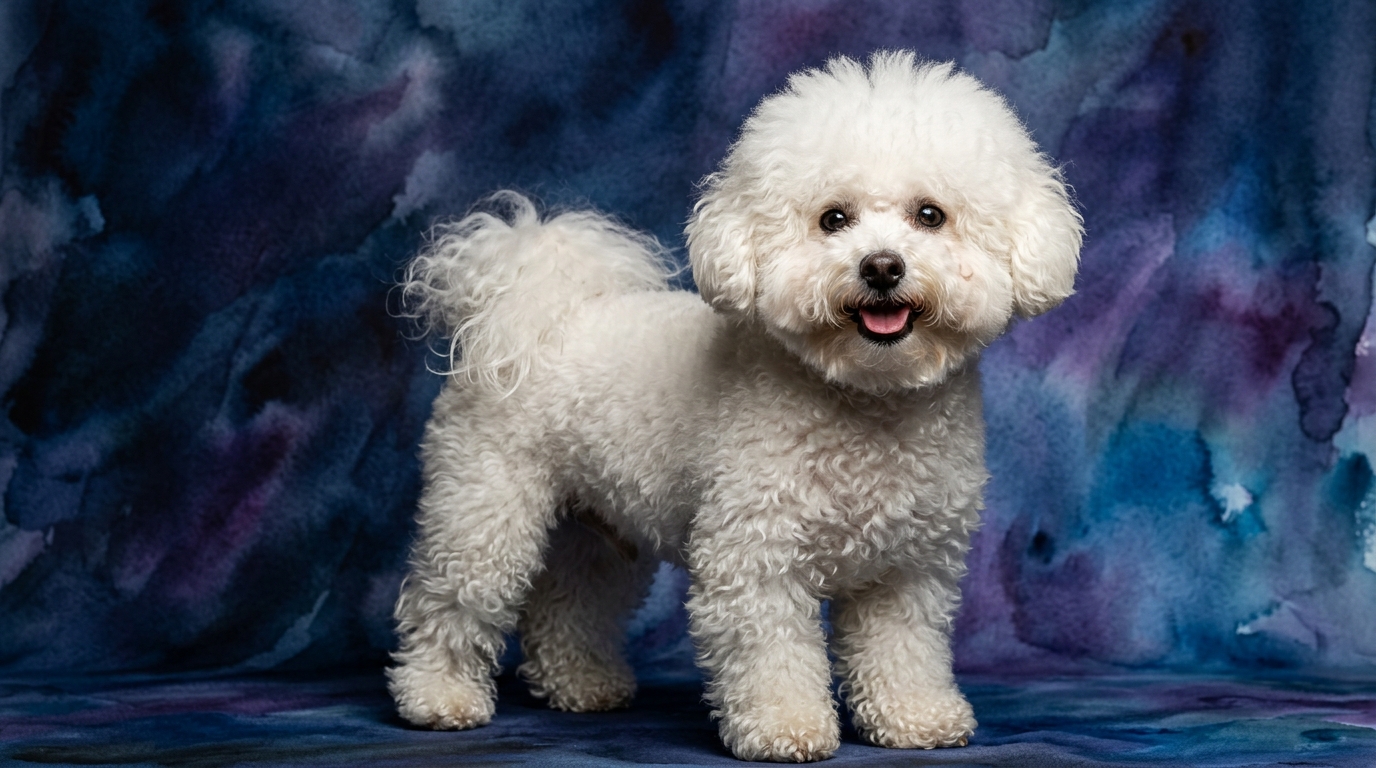
In contrast, the Bichon Frisé, a charming companion breed, presents a different cognitive blueprint. Their Problem Solving is rated at 3/5, meaning they can handle straightforward puzzles but might not excel at highly intricate tasks. Training Speed also stands at 3/5, suggesting they learn at a moderate pace, requiring consistent and engaging methods. Where the Bichon truly shines is in Social Intelligence, scoring a perfect 5/5; this highlights their exceptional ability to connect with humans, understand emotional nuances, and adapt seamlessly to social environments. Their Instinctive Drive is lower at 2/5, as they were bred for companionship rather than demanding work, and Memory at 3/5 indicates a solid but not extraordinary retention of information.
Where the Weimaraner Excels Cognitively
The Weimaraner's cognitive strengths are deeply rooted in its heritage as a versatile hunting dog. Their superior Problem Solving (4/5) means they can independently assess situations in the field, like figuring out the best path through dense cover or strategizing how to retrieve game. This translates into a dog that can excel in complex obedience trials, agility courses, or scent work where they must interpret subtle cues and make quick decisions without constant human direction. Their strong Memory (4/5) ensures they recall intricate sequences of commands or the layout of an environment after minimal exposure, making them highly efficient learners for advanced tasks.
Furthermore, the Weimaraner's exceptional Instinctive Drive (5/5) is a cognitive asset, not just a physical one. This drive fuels their focus and persistence, allowing them to maintain concentration on a task for extended periods, whether it's tracking a scent or perfecting a retrieve. This innate motivation reduces the need for constant external motivators once a task is understood, as the activity itself is often rewarding. Their balanced Social Intelligence (4/5) means they are cooperative partners in these endeavors, capable of understanding and responding to handler commands even amidst high-drive activities, making them highly trainable for sophisticated working roles.
Where the Bichon Frisé Shines Cognitively
The Bichon Frisé's standout cognitive advantage is unequivocally its Social Intelligence, rated at a perfect 5/5. This isn't just about being friendly; it's about a profound capacity to read human emotions, understand social dynamics, and adapt their behavior to create harmony within a household. A Bichon will often anticipate a owner's mood, offering comfort during sadness or engaging in playful antics to lift spirits. This keen social awareness makes them exceptional therapy dogs, able to form deep, empathetic connections with people, often intuitively understanding when to be calm and when to be more interactive.
While their Problem Solving and Training Speed scores are moderate, their high social intelligence significantly augments these areas in a domestic context. A Bichon might not solve a complex puzzle box as quickly as a Weimaraner, but they will often 'solve' the problem of how to get attention or affection from their human through charming behaviors. Their eagerness to please, driven by their social connection, can make training enjoyable for both dog and owner, even if the learning curve is slightly longer. They thrive on positive reinforcement and will often put in extra effort to maintain that cherished human bond, making them highly responsive to emotionally rich interactions.
Which is Easier to Train and Why
When considering ease of training, the Weimaraner (Training Speed 4/5) generally picks up new commands and routines with impressive swiftness. Their inherent desire to work and strong instinctive drive means they are often eager students, provided their mental and physical needs are met. However, this same high drive and problem-solving ability means they require a handler who is equally engaged and consistent; a bored Weimaraner will quickly apply its cognitive prowess to finding its own entertainment, which might not align with household rules. Their training requires clear, firm guidance to channel their energy and focus effectively, ensuring their independence doesn't lead to stubbornness.
The Bichon Frisé (Training Speed 3/5), while not as lightning-fast, is often perceived as 'easier' to train for the average companion owner due to its exceptional social intelligence (5/5) and lower instinctive drive (2/5). Their strong desire to please their human companions means they are highly motivated by praise and affection, making positive reinforcement exceptionally effective. While they might take a few more repetitions to master a command, their primary goal is often to maintain harmony and connection with their family, leading to fewer behavioral challenges stemming from boredom or a strong independent streak. This makes them highly adaptable to various training methods focused on building a bond, rather than strictly on task performance.
Which Suits Active Owners vs. Relaxed Owners
The Weimaraner is unequivocally suited for highly active owners who can match their boundless energy and cognitive demands. Their high instinctive drive (5/5), coupled with strong problem-solving skills (4/5) and memory (4/5), means they require consistent mental stimulation and rigorous physical exercise. Owners who enjoy activities like running, hiking, dog sports (agility, obedience, flyball), or hunting will find a Weimaraner to be an enthusiastic and capable partner. Without adequate outlets, their intelligence and drive can manifest as destructive behaviors, anxiety, or excessive vocalization, making them a poor fit for a sedentary lifestyle or owners unable to commit significant time to their enrichment.
Conversely, the Bichon Frisé is an ideal match for relaxed owners or those seeking a devoted companion without the demands of a working breed. Their lower instinctive drive (2/5) and moderate need for physical activity mean they are content with daily walks and indoor play, rather than needing extensive, high-impact exercise. Their supreme social intelligence (5/5) makes them thrive on human companionship and interaction, often happy to curl up by their owner's side. While they still benefit from mental engagement like puzzle toys and basic training, their cognitive profile makes them highly adaptable to quieter household routines, making them excellent companions for individuals or families seeking a less demanding, yet deeply connected, furry friend.
The Verdict: When to Choose Each
The Verdict
Choose a Weimaraner if you lead an active lifestyle, desire a highly engaged partner for sports or work, and are prepared to provide consistent, stimulating mental and physical challenges.
Opt for a Bichon Frisé if you seek a devoted, adaptable companion who thrives on social interaction and a more relaxed pace of life, bringing joy through their affectionate and charming nature.
🧠 Find Your Pet's IQ Score
Our Pet IQ Lab assessment covers 25+ tests across 5 cognitive dimensions — personalized to your breed.
Take the Full IQ Test →Frequently Asked Questions
Do Weimaraners make good family dogs?
Weimaraners can be wonderful family dogs due to their social intelligence (4/5) and loyalty, but their high energy and strong drive require families to be committed to their training and exercise needs. They generally do well with older, respectful children who can participate in their activities, but supervision is key with very young children due to their boisterous nature.
Are Bichon Frisés difficult to house train?
Bichon Frisés are not inherently difficult to house train, but their moderate training speed (3/5) means consistency and positive reinforcement are crucial. Their desire to please, driven by high social intelligence, makes them responsive to patient, reward-based methods, though some individuals may take a bit longer to grasp the concept than higher-drive breeds.
Which breed is better for apartment living?
The Bichon Frisé is generally better suited for apartment living due to their lower instinctive drive (2/5) and moderate exercise requirements, making them content with indoor play and daily walks. The Weimaraner's intense energy and need for space and extensive activity make them less ideal for apartment life, as they require significant outdoor engagement to prevent boredom and destructive behaviors.