Side-by-Side IQ Profile: Weimaraner vs. Coton de Tuléar
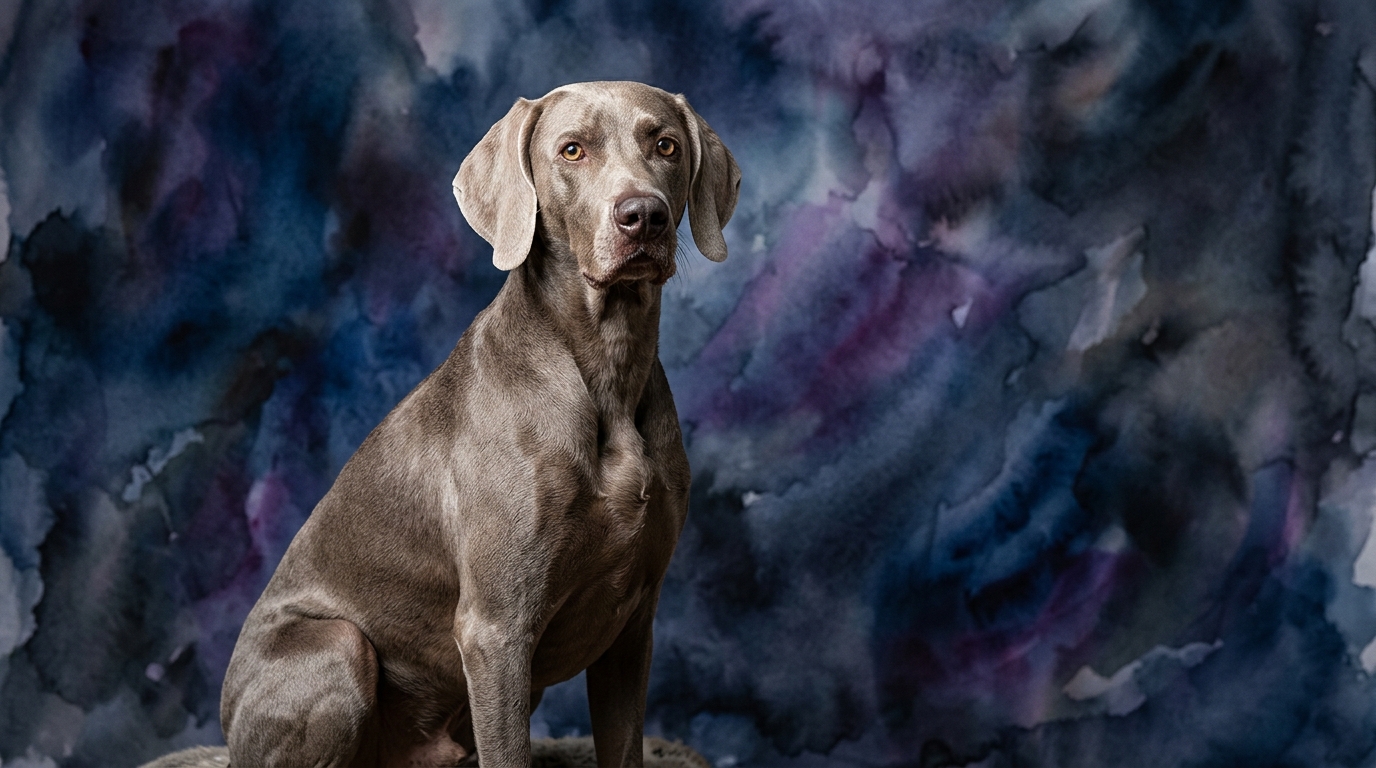
The Weimaraner, a dog from the Sporting Group, ranks impressively at #21 in Coren's intelligence scale, reflecting a robust cognitive toolkit. Their Problem Solving ability is rated 4/5, indicating a strong capacity to navigate complex situations and figure out solutions independently. Training Speed also sits at 4/5, suggesting they grasp new commands and behaviors with relative ease and efficiency. Social Intelligence, at 4/5, points to a breed highly attuned to human cues and social dynamics, making them responsive partners. Their Instinctive Drive is a notable 5/5, a clear hallmark of their hunting heritage, signifying a powerful intrinsic motivation for pursuit and engagement. Finally, their Memory is rated 4/5, meaning they retain learned information and experiences over significant periods.
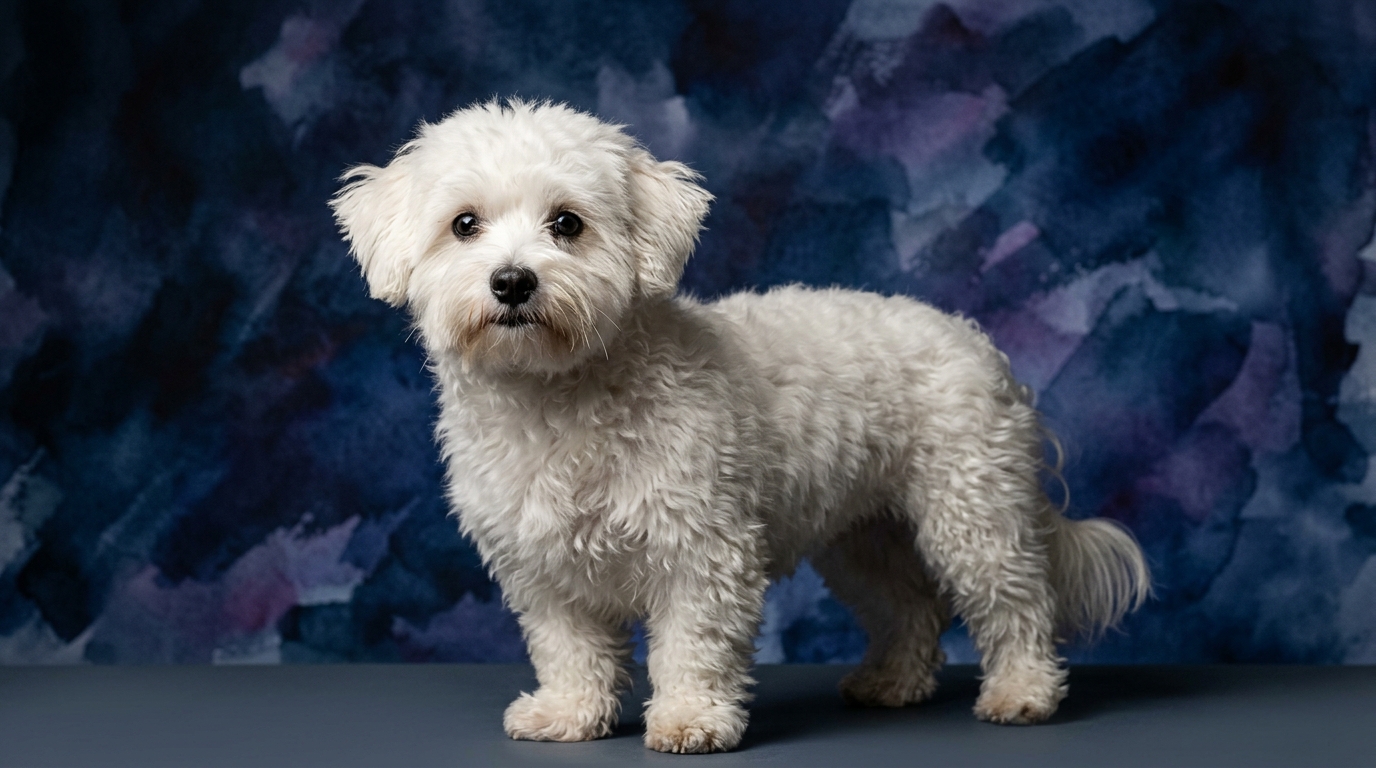
In contrast, the Coton de Tuléar, a Non-Sporting breed not listed in Coren's rankings, presents a more moderate, yet equally functional, cognitive profile tailored for companionship. Their Problem Solving score of 3/5 suggests they can navigate everyday challenges but may not excel at intricate puzzles without guidance. Training Speed is also 3/5, indicating they are certainly trainable, though they might require more consistent repetition and patience to solidify new behaviors. Social Intelligence at 3/5 means they are adequately responsive to human interaction and form strong bonds, though perhaps without the intense perceptiveness of a working breed. Their Instinctive Drive is 3/5, a moderate level suitable for a pet that enjoys play but isn't overwhelmingly driven by predatory urges. Their Memory, rated 3/5, is sufficient for remembering routines, family members, and basic commands.
Where the Weimaraner Excels Cognitively
The Weimaraner's cognitive strengths are deeply rooted in their history as versatile hunting dogs, demanding quick wit and relentless focus. Their 4/5 Problem Solving score means they are adept at strategizing, whether it's figuring out how to open a gate or navigate a complex scent trail. This translates to a dog that can often anticipate next steps or devise novel approaches to achieve a goal, making them engaging partners in advanced obedience or canine sports.
Furthermore, the Weimaraner's 5/5 Instinctive Drive is a profound cognitive advantage for specific roles. This isn't just about physical energy; it's a deep-seated mental compulsion to work, search, and retrieve. This strong internal motivation makes them exceptionally persistent in tasks once engaged, less likely to give up on a challenge, and highly responsive to activities that tap into their innate drives, such as tracking or field work. Their 4/5 Training Speed complements this drive, allowing them to quickly channel that intrinsic motivation into structured, learned behaviors.
Where the Coton de Tuléar's Cognitive Profile Shines
While the Coton de Tuléar's cognitive scores are generally more moderate than the Weimaraner's, their profile is perfectly calibrated for their role as a devoted companion, shining in ways that prioritize domestic harmony and adaptable interaction. Their 3/5 Instinctive Drive means they are less prone to intense prey drives or independent pursuits, making them excellent indoor companions who are content with human company over tracking game.
The Coton's 3/5 Social Intelligence and 3/5 Problem Solving, while not geared for complex working tasks, mean they possess an ideal balance for family life. They are sufficiently perceptive to understand household routines and family moods without the demanding mental intensity that can lead to boredom-related behaviors in higher-drive breeds if their cognitive needs aren't constantly met. Their cognitive makeup encourages a pleasant, adaptable nature, focusing their mental energy on forming strong, affectionate bonds and enjoying shared experiences within the home.
Training Dynamics: Weimaraner vs. Coton de Tuléar
When it comes to training, the Weimaraner's 4/5 Training Speed and 4/5 Social Intelligence suggest a dog that is eager to learn and quick to pick up on cues. They often thrive in structured training environments, absorbing commands rapidly and enjoying the mental engagement. Their high Instinctive Drive (5/5) means they are often highly motivated by tasks that mimic their natural drives, responding well to reward-based training that channels their energy and focus. However, their independent problem-solving can sometimes manifest as clever attempts to 'bend the rules' if training isn't consistent and engaging.
The Coton de Tuléar, with a 3/5 Training Speed, will generally require a more patient and consistent approach. They are certainly trainable, but they may not grasp new concepts with the same speed as a Weimaraner. Their moderate Instinctive Drive (3/5) means they are less likely to be driven by intense work-oriented rewards, responding best to positive reinforcement centered around praise, gentle play, and tasty treats. Their social intelligence, while 3/5, ensures they are attentive to their human, making them willing participants in training sessions, albeit at their own pace, and less prone to the independent-mindedness seen in some higher-drive breeds.
Suitability for Active vs. Relaxed Owners
The Weimaraner's cognitive profile distinctly favors active owners who can provide ample physical and mental stimulation. Their 5/5 Instinctive Drive and 4/5 Problem Solving mean they require significant engagement to prevent boredom and destructive behaviors. Owners who enjoy long runs, hiking, dog sports like agility or tracking, or even hunting, will find a Weimaraner to be an enthusiastic and capable partner. Their strong memory and social intelligence mean they thrive on consistent interaction and structured activities that challenge their sharp minds.
Conversely, the Coton de Tuléar's more moderate cognitive scores make them an excellent fit for relaxed owners seeking a devoted, less demanding companion. Their 3/5 Instinctive Drive and Problem Solving indicate they are content with moderate daily walks, indoor play, and plenty of cuddle time. While they still benefit from mental enrichment, it doesn't need to be as intense or continuous as with a Weimaraner. Owners who prefer a calm home environment and enjoy a dog that is primarily a loving presence rather than a working partner will find the Coton's cognitive makeup aligns perfectly with their lifestyle.
The Verdict
Choose the Weimaraner if you are an active individual or family seeking an engaged, highly trainable partner for demanding physical activities and mental challenges, capable of independent thought.
Opt for the Coton de Tuléar if you desire a charming, adaptable companion for a calmer lifestyle, valuing affectionate bonds and a dog that thrives on consistent, gentle interaction without intense working demands.
🧠 Find Your Pet's IQ Score
Our Pet IQ Lab assessment covers 25+ tests across 5 cognitive dimensions — personalized to your breed.
Take the Full IQ Test →Frequently Asked Questions
Is a Weimaraner difficult to live with due to its high instinctive drive?
A Weimaraner's 5/5 instinctive drive requires significant outlets through exercise and mental tasks to prevent undesirable behaviors. Without proper engagement, their drive can lead to restlessness or destructive habits, making them best suited for owners committed to fulfilling these needs.
Can a Coton de Tuléar learn complex tricks or commands?
Yes, a Coton de Tuléar, with a 3/5 training speed and problem-solving, is capable of learning complex tricks and commands. They may require more patience and repetition than a Weimaraner, but their social intelligence ensures they are attentive and eager to please their human companions.
Which breed is better for a first-time dog owner?
For a first-time dog owner, the Coton de Tuléar is generally more forgiving due to its moderate instinctive drive and cognitive demands. A Weimaraner, while trainable, requires an owner prepared for its intense energy, problem-solving abilities, and significant need for consistent mental and physical engagement.