
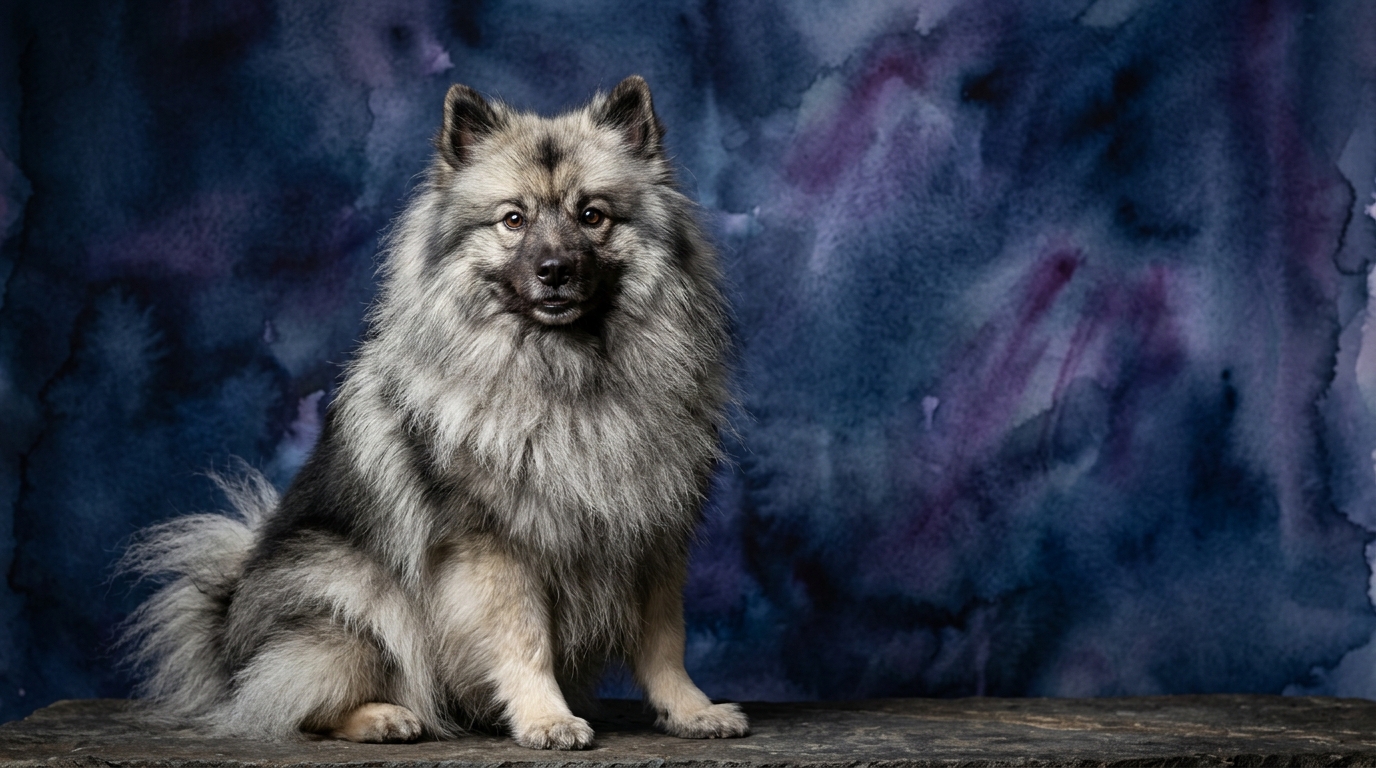
Side-by-Side IQ Profile: Weimaraner vs. Keeshond
The Cosmic Pet Pet IQ Lab's assessment offers a detailed look into the cognitive dimensions of these two distinct breeds:
**Weimaraner (Coren Rank #21)**
**Problem Solving (4/5):** The Weimaraner excels at complex tasks, demonstrating spatial reasoning and strategic thinking, particularly in retrieving or navigating environments. Their cognitive approach is direct and solution-oriented.
**Training Speed (4/5):** These dogs absorb commands rapidly, their eagerness to please and focus on human partners enabling quick mastery of new behaviors.
**Social Intelligence (4/5):** Weimaraners are adept at reading human cues, anticipating desires, and forming strong bonds, making them highly responsive, though also prone to separation anxiety.
**Instinctive Drive (5/5):** Their profound instinctive drive, bred for hunting, fuels unwavering focus, boundless energy, and a compelling urge to work, track, and retrieve, orienting them towards purposeful activity.
**Memory (4/5):** Weimaraners effectively retain learned behaviors and experiences, contributing to their reliability in performance tasks.
**Keeshond (Coren Rank #16)**
**Problem Solving (4/5):** Keeshonds are independent thinkers, displaying cleverness in navigating environments or achieving goals, often through observation and inventive solutions rather than immediate physical action.
**Training Speed (4/5):** They learn commands and routines quickly, processing information well, though their application of knowledge can be selective if a task seems unimportant to them.
**Social Intelligence (3/5):** Affectionate with family, Keeshonds are reserved with strangers. Their social intelligence focuses more on household dynamics than constantly seeking human direction or approval.
**Instinctive Drive (3/5):** Moderate drive, historically as companions and watchdogs, they possess a watchful nature and desire to alert, lacking the intense prey drive of a sporting breed.
**Memory (5/5):** Excelling in memory, Keeshonds have exceptional recall for routines, people, places, and past events, making them highly consistent once a behavior is established.
Where the Weimaraner Wins Cognitively
The Weimaraner's cognitive strengths truly shine in areas demanding intense partnership and physical application. Their superior instinctive drive, rated at 5/5 compared to the Keeshond's 3/5, grants them an unparalleled capacity for sustained focus and tireless effort in tasks like tracking, retrieving, or agility courses. This isn't merely about physical stamina; it's a cognitive engine that fuels their dedication to a 'job,' allowing them to maintain concentration over long periods and through complex sequences. Furthermore, their higher social intelligence (4/5 vs. Keeshond's 3/5) means Weimaraners are often more attuned to their human partner's subtle cues, making them exceptionally responsive and cooperative in performance-based activities. They excel at deciphering body language and vocal inflections, fostering a deep, almost symbiotic working relationship that is crucial in competitive dog sports or demanding field work.
Where the Keeshond Wins Cognitively
The Keeshond's cognitive profile showcases a distinct advantage in memory, earning a perfect 5/5 compared to the Weimaraner's 4/5. This translates into an exceptional ability to retain learned information, routines, and specific experiences over extended periods. A Keeshond will often recall a command learned months ago with surprising accuracy, or remember the specific route to a favorite park even after a long absence. This potent memory contributes significantly to their reliability within a structured home environment. Additionally, while the Coren rank is a general measure, the Keeshond's #16 position versus the Weimaraner's #21 suggests a slightly quicker initial grasp of new commands, reflecting their capacity for rapid learning. Their problem-solving, while rated similarly at 4/5, often manifests with a touch more independent thought, allowing them to assess situations and devise solutions based on their extensive memory bank, rather than solely relying on human direction.
Which is Easier to Train and Why?
Determining which breed is 'easier' to train is nuanced, depending on owner goals. The Weimaraner's 4/5 training speed, 4/5 social intelligence, and 5/5 instinctive drive often make them appear exceptionally easy for task-oriented activities. They inherently desire to work alongside their human, absorbing commands rapidly and applying them with zeal. Their strong partnership orientation means they respond well to guidance, making them a joy for owners who enjoy consistent, engaging training. However, their intense drive demands significant consistent mental and physical engagement; an under-stimulated Weimaraner can become destructive or anxious, presenting its own training challenge in managing their energy.
The Keeshond, with 4/5 training speed and superior 5/5 memory, learns commands quickly and retains them exceptionally well, ensuring consistency once established. However, their 3/5 social intelligence and moderate 3/5 instinctive drive suggest a more independent approach. While they understand what is asked, a Keeshond might comply only if they perceive value, or if their attention isn't diverted. They are not as driven to constantly work *with* their owner as the Weimaraner. Training a Keeshond requires patience, positive reinforcement, and understanding their sometimes-stubborn yet affectionate nature. While they might learn a trick quickly, they might need more motivation to perform it consistently. Therefore, for a cooperative, driven working partner, the Weimaraner might feel 'easier,' whereas for an owner valuing consistency and willing to work with an independent spirit, the Keeshond is rewarding.
Which Suits Active Owners vs. Relaxed Owners?
The Weimaraner is unequivocally suited for active owners. Their profound 5/5 instinctive drive and boundless energy mean they demand significant physical exertion and mental stimulation daily. These dogs thrive when given a 'job,' whether it's participating in dog sports like agility, flyball, or scent work, or accompanying their owners on long runs, hikes, or bike rides. An owner who can dedicate several hours a day to structured activity and cognitive challenges will find the Weimaraner a joyful and engaged partner. Failing to meet these intense needs can lead to frustration for both dog and owner, manifesting in undesirable behaviors rooted in boredom and pent-up energy.
Conversely, the Keeshond's moderate 3/5 instinctive drive and less demanding energy profile make them a more adaptable choice for owners with a more relaxed lifestyle. While they certainly enjoy walks, playtime, and mental engagement, they do not possess the same relentless need for high-intensity activity as the Weimaraner. A Keeshond is content with regular walks, puzzle toys, and interactive play sessions in the yard, followed by periods of calm companionship. They are observant and enjoy being part of family activities, but their preference leans towards being a watchful presence rather than a constant participant in strenuous outdoor adventures. This makes them well-suited for owners who appreciate a mentally engaged companion without the requirement of an athlete's daily routine.
The Verdict
Choose a Weimaraner if you're an active individual or family seeking a highly driven, cooperative partner for demanding physical activities, dog sports, or a working role.
Opt for a Keeshond if you desire an observant, companionable dog with exceptional memory, adaptable to a more relaxed lifestyle, who appreciates mental engagement without requiring constant strenuous activity.
🧠 Find Your Pet's IQ Score
Our Pet IQ Lab assessment covers 25+ tests across 5 cognitive dimensions — personalized to your breed.
Take the Full IQ Test →Frequently Asked Questions
Do Weimaraners or Keeshonds make better family pets?
Both breeds can be wonderful family pets, but in different ways. Weimaraners, with their high social intelligence and deep bonds, often thrive in active families willing to include them in all activities. Keeshonds are loyal and affectionate with their family, often acting as watchful, calm companions, though they may be more reserved with children outside their immediate household.
Which breed is more prone to separation anxiety?
Weimaraners, due to their high social intelligence and strong desire for partnership, are generally more prone to developing separation anxiety if left alone for extended periods. Their deep attachment to their owners means they can become distressed without human companionship, whereas Keeshonds, with their more independent streak, tend to cope better with solitude.
Are there significant grooming differences impacting their care?
Yes, there are notable differences. Weimaraners have a short, sleek coat that requires minimal grooming, primarily weekly brushing and occasional baths. Keeshonds, with their dense double coat, require more diligent grooming, including regular brushing several times a week to prevent mats and manage shedding, particularly during seasonal coat blows.