
Side-by-Side Cognitive Profiles
The Weimaraner, a Sporting Group dog with a Coren ranking of #21, demonstrates a well-rounded cognitive toolkit honed for partnership in the field. Their Problem Solving is rated at 4/5, indicating an adeptness at navigating complex scenarios, often involving tracking and retrieving prey with creative resourcefulness. Training Speed also sits at 4/5, reflecting their quick grasp of commands and an eagerness to learn new tasks alongside their handler. Social Intelligence is strong at 4/5, showing a high degree of attunement to human cues and an ability to form deep, understanding bonds. Their Instinctive Drive is exceptionally high at 5/5, characterized by an intense prey drive, strong retrieve instinct, and tireless focus in their work. Memory is rated at 4/5, allowing them to effectively retain learned behaviors, complex sequences, and environmental layouts crucial for successful hunting.
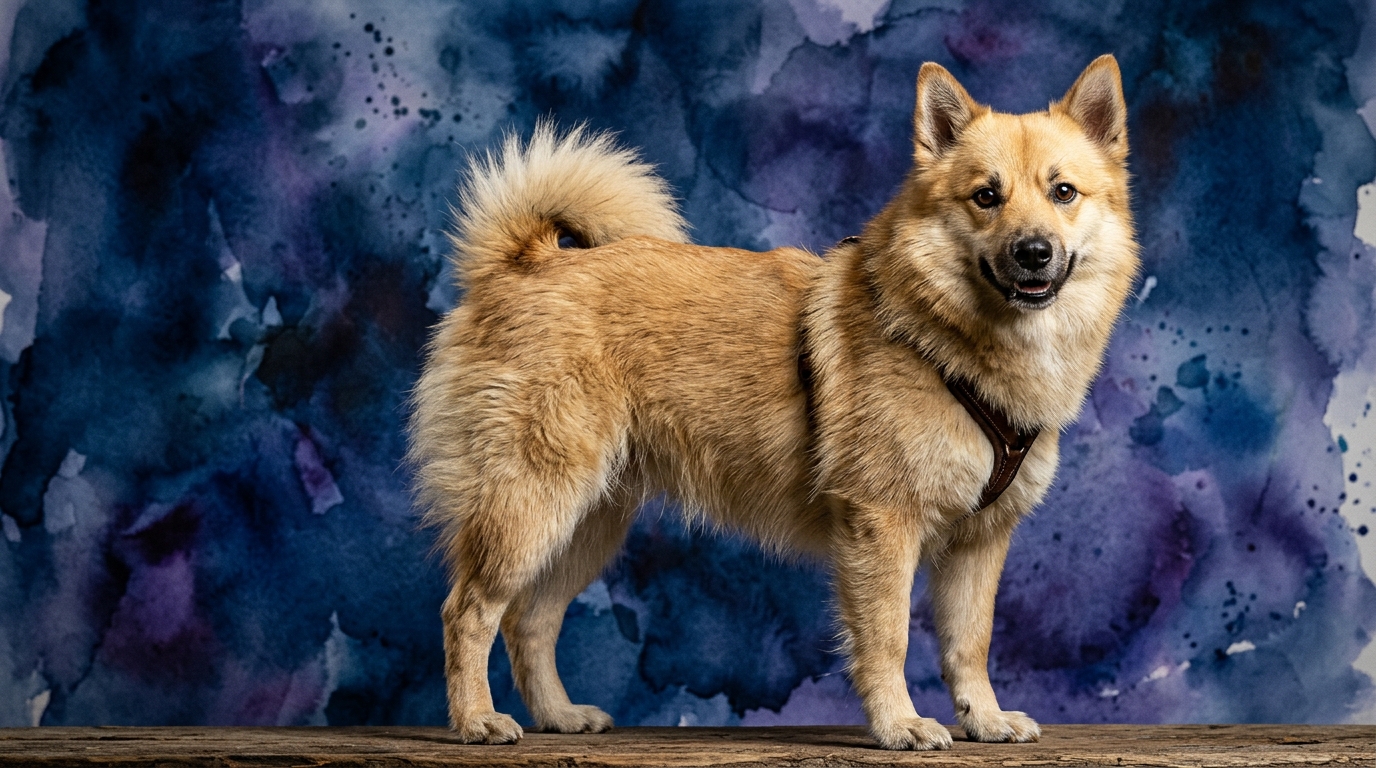
In contrast, the Norwegian Buhund, a Herding Group dog not listed on Coren's ranking, presents a cognitive profile shaped by independence and vigilance. Their Problem Solving is rated 3/5, indicating competence in practical herding tasks and independent decision-making, though less inclined towards abstract puzzles. Training Speed is 3/5, meaning they learn at a moderate pace, sometimes displaying an independent streak that requires consistent motivation and patience from their owner. Social Intelligence is 3/5; they are observant of their family and good at reading familiar situations, but may be less universally adaptable or subtly communicative than the Weimaraner. Instinctive Drive is 3/5, manifesting as a strong herding instinct and protective vigilance over their 'flock,' rather than an intense prey drive. Memory is 3/5, allowing them to remember routines and familiar commands, but complex sequences might require more frequent reinforcement.
Where the Weimaraner Excels Cognitively
The Weimaraner's cognitive strengths distinctly shine in areas requiring focused partnership and sophisticated sensory processing. Their superior problem-solving (4/5) is particularly evident in novel, scent-driven situations, where they apply logical deduction to track and locate targets. This translates to an impressive ability to work through complex puzzles that engage their natural hunting instincts.
A key advantage for the Weimaraner is their faster acquisition of new commands and intricate sequences (Training Speed 4/5), coupled with a strong desire to collaborate. This eagerness to please and inherent drive to work alongside a human makes them highly responsive to instruction.
Furthermore, their nuanced social understanding (4/5) allows them to interpret subtle human intentions and emotional states beyond mere commands, fostering a deep, almost intuitive connection with their primary caregiver. This facilitates a highly cooperative training dynamic.
Finally, the Weimaraner's unmatched instinctive drive (5/5) for a specific purpose—be it pointing, retrieving, or tracking—provides an inherent work ethic that can be channeled into diverse activities. This intense focus allows them to concentrate on tasks for extended periods, making them exceptional partners for performance-based pursuits.
Where the Norwegian Buhund Excels Cognitively
The Norwegian Buhund's cognitive strengths are rooted in their history as independent livestock guardians and herders, emphasizing self-reliance and environmental awareness. Their problem-solving (3/5) is geared towards practical, real-world scenarios, particularly those involving livestock management where they must make decisions without direct human oversight.
A significant advantage for the Buhund is their capacity for independent decision-making in dynamic situations. This allows them to react quickly to perceived threats or changes in their environment, anticipating movements and protecting their charges with minimal instruction.
Their inherent adaptability to varied weather and rugged terrain demonstrates a robust physical and mental resilience. This resilience allows them to maintain vigilance and effectiveness in challenging outdoor conditions, showcasing a practical intelligence essential for their working role.
The Buhund’s persistent vigilance and characteristic alarm barking are further demonstrations of their strong protective instinct and keen environmental awareness. This translates to an excellent ability to monitor their surroundings and alert their family to anything unusual, serving as a reliable watch dog.
Training Aptitude: Weimaraner vs. Norwegian Buhund
When considering ease of training, the Weimaraner generally presents a more straightforward experience for a dedicated owner. Their higher Training Speed (4/5) means they grasp new commands quickly, often with fewer repetitions. This efficiency is amplified by their strong Social Intelligence (4/5) and inherent desire to work collaboratively with their handler, making them highly receptive to instruction. Their powerful Instinctive Drive (5/5) can be effectively channeled into training, as they thrive on having a purpose and excel in activities like obedience, agility, or scent work. The Weimaraner's superior Memory (4/5) ensures that once a behavior is learned, it is retained effectively, allowing for the progression to more complex tasks.
The Norwegian Buhund, while certainly trainable, typically requires a more patient and consistent approach. Their moderate Training Speed (3/5) means they may take longer to master new commands, and their independent herding nature can sometimes lead them to prioritize their own perceived tasks over a handler's instruction. This independence can manifest as a slight stubbornness or a tendency to question commands, demanding clear, consistent, and reward-based motivation. Their Social Intelligence (3/5) is sufficient for forming strong family bonds, but they may not possess the same innate eagerness to please a handler in a formal training setting as a Weimaraner. Owners must be prepared for more repetition due to their Memory (3/5) and consistent reinforcement to build reliable responses, ensuring their intelligent but self-reliant nature is guided effectively.
Matching Breeds to Lifestyles: Active vs. Moderately Active Owners
For truly active owners seeking a canine partner with boundless energy and a strong work ethic, the Weimaraner is an exceptional match. Their intense instinctive drive (5/5) and need for continuous mental and physical stimulation demand an owner committed to extensive daily exercise, advanced training, and opportunities for their dog to engage in purpose-driven activities. Weimaraners thrive in roles like hunting, competitive agility, obedience, or long-distance running, and an owner who can provide these outlets will find an incredibly devoted and fulfilled companion. They are not suited for a sedentary lifestyle, as their unspent energy can lead to destructive behaviors.
While no working breed is truly suited for a 'relaxed' owner, the Norwegian Buhund might be a better fit for active individuals or families who appreciate a robust companion with moderate, rather than extreme, work needs. Their lower instinctive drive (3/5) and moderate energy levels, compared to the high-octane Weimaraner, mean they still require regular exercise and mental engagement but may not demand the same intensity or highly specialized 'job.' Buhunds enjoy hiking, long walks, and engaging in family activities, and their independent nature means they can be content with less structured 'work' once their foundational needs are met. They are ideal for those seeking a watchful, resilient, and engaging dog who is part of an active household, without the intensity of a dedicated sporting partner.
The Verdict: When to Choose Each Breed
The Verdict
Choose the Weimaraner if you are a dedicated individual or family prepared to provide substantial daily exercise, consistent advanced training, and opportunities for their dog to fulfill its intense working drive in activities like hunting, competitive sports, or extensive outdoor adventures.
Opt for the Norwegian Buhund if you are an active family who appreciates an independent, watchful companion, are prepared for consistent training to manage its herding instincts, and can offer regular exercise without necessarily requiring a full-time working partner.
🧠 Find Your Pet's IQ Score
Our Pet IQ Lab assessment covers 25+ tests across 5 cognitive dimensions — personalized to your breed.
Take the Full IQ Test →Frequently Asked Questions
Are Weimaraners good family dogs?
Weimaraners can be excellent family dogs when properly socialized and exercised, forming deep bonds with their human family. However, their high energy and need for consistent training mean they thrive best in active households that can meet their considerable demands.
Do Norwegian Buhunds bark a lot?
Norwegian Buhunds are known for being vocal, often using barking as a means of communication and as an alarm system due to their watchful herding instincts. Consistent training from a young age can help manage excessive barking, but they will likely remain alert communicators.
Which breed is better for first-time dog owners?
Neither breed is typically recommended for inexperienced first-time dog owners due to their strong working drives and specific training needs. However, between the two, the Weimaraner's intensity and energy might be more challenging for a novice, making the Buhund, with its slightly lower intensity, potentially a marginally more manageable choice for a highly committed and active first-timer prepared for research and consistent effort.