Side-by-Side IQ Profile: Weimaraner vs. Polish Lowland Sheepdog
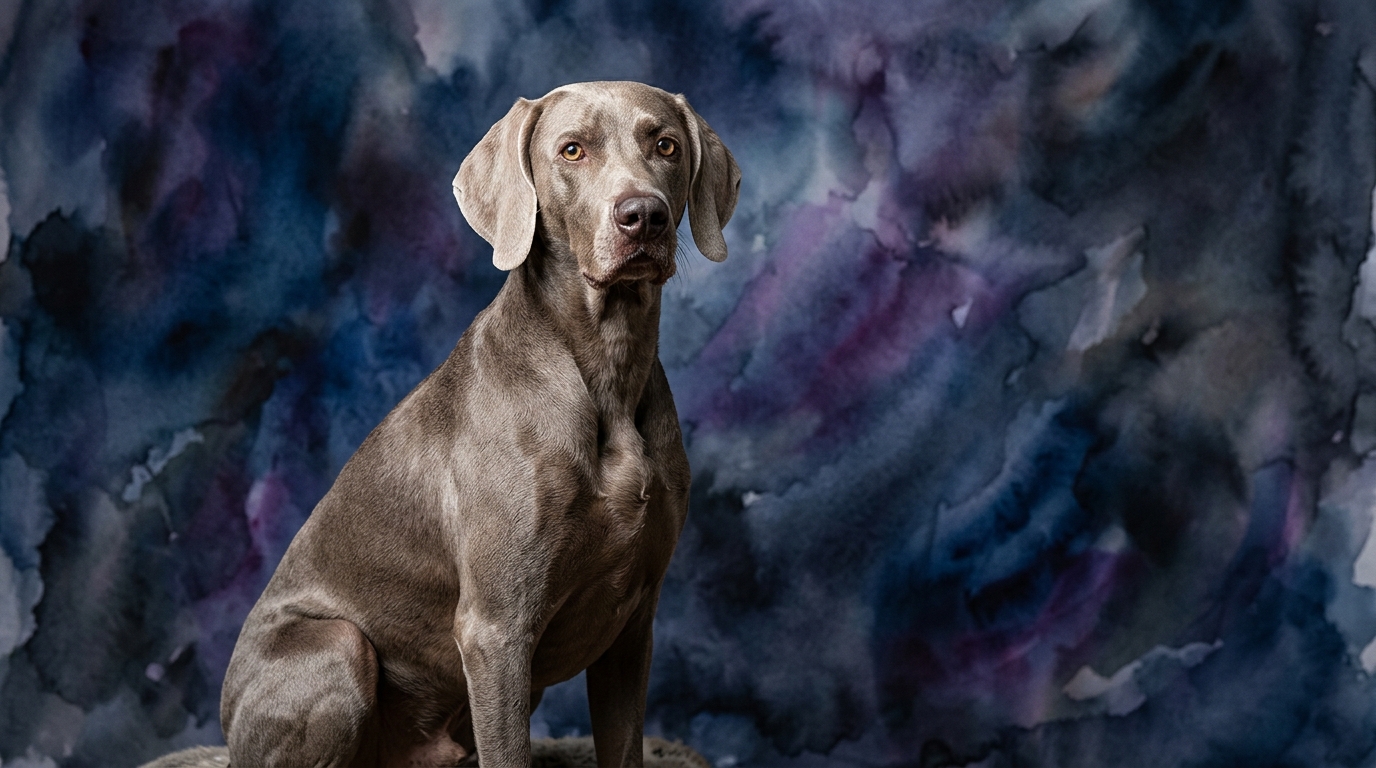
At The Cosmic Pet Pet IQ Lab, we evaluate canine cognition across five critical dimensions. The Weimaraner, a Sporting breed ranked #21 by Coren, presents a profile marked by agility and focus. Their Problem Solving is rated 4/5, indicating an adeptness at navigating complex physical challenges and figuring out how to achieve desired outcomes efficiently. Training Speed also scores 4/5, reflecting their quick grasp of new commands and routines, often showing a keen desire to work collaboratively. Social Intelligence stands at 4/5, signifying their capacity to read human cues, form strong bonds, and understand social dynamics within their family unit. A formidable Instinctive Drive of 5/5 highlights their profound inherent motivation for tracking, retrieving, and pursuit, deeply rooted in their sporting heritage. Finally, their Memory is rated 4/5, meaning they retain learned behaviors, routes, and associations effectively, making them reliable in established routines and capable of recalling past training sessions with precision.
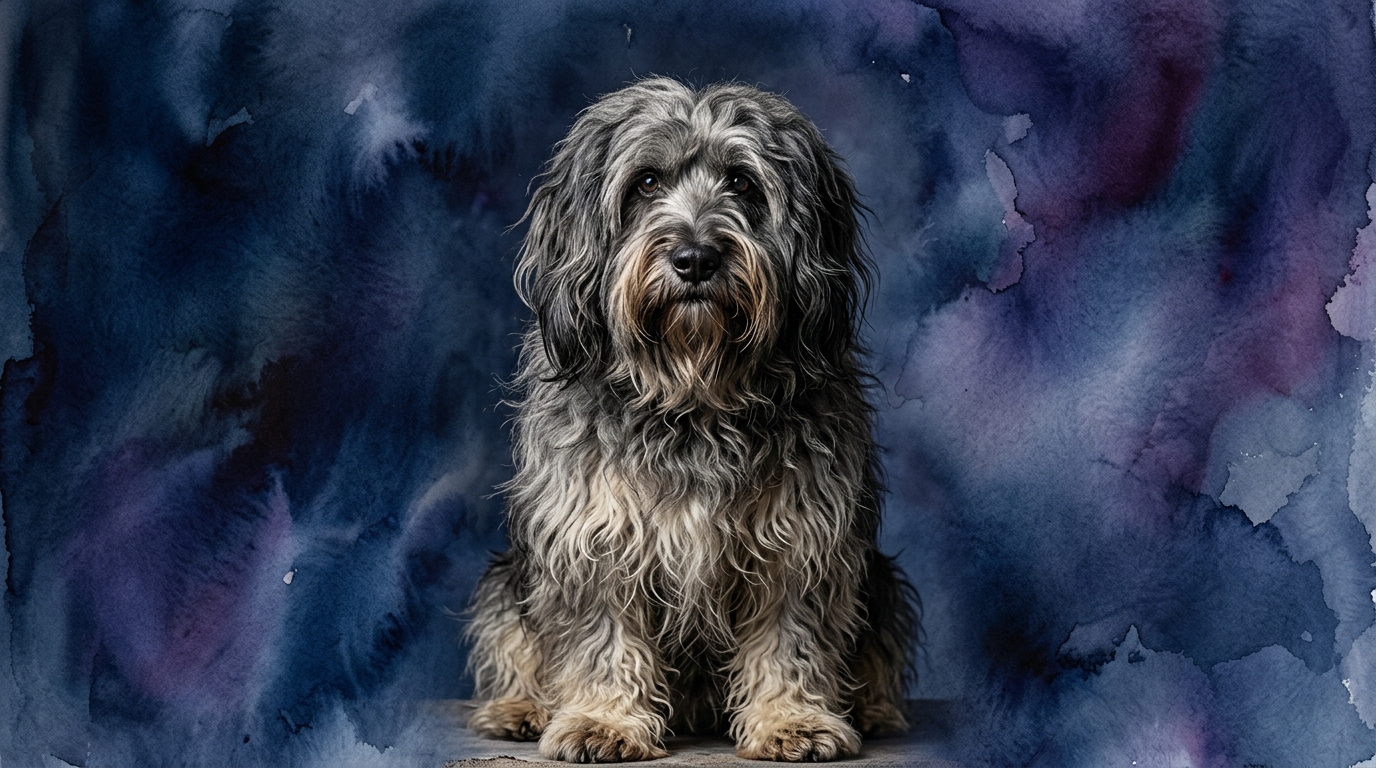
In contrast, the Polish Lowland Sheepdog (PLS), a Herding breed not ranked by Coren, demonstrates a more methodical and independent cognitive style. Their Problem Solving is rated 3/5, suggesting competence in practical, real-world tasks like managing livestock or navigating familiar territories, often with a measured rather than impulsive approach. Training Speed receives a 3/5, indicating they learn at a steady pace, requiring consistent and clear instruction to internalize new tasks. Social Intelligence is also 3/5, signifying their observational nature regarding family dynamics and an attunement to their primary caregivers' moods, often preferring a close, trusted circle over widespread interaction. Their Instinctive Drive is 3/5, primarily expressed through a desire to gather, manage, and supervise, which manifests as watchful supervision rather than high-speed chase. Lastly, Memory is rated 3/5, indicating that once a concept or routine is learned, it tends to stick reliably, though initial acquisition might demand more repetition and time.
Where the Weimaraner Wins Cognitively
The Weimaraner's cognitive strengths lie in their capacity for direct, decisive action and rapid skill acquisition. Their 4/5 score in Problem Solving, particularly when synergized with their 5/5 Instinctive Drive, means they excel at tasks demanding quick assessment and resolution. Imagine a Weimaraner quickly devising a strategy to retrieve a toy from an intricate space or efficiently navigating an obstacle course to reach a goal. Their solutions are often goal-oriented and involve physical manipulation, reflecting a mind wired for effective engagement with the environment. This isn't just about physical prowess; it's about the mental agility to map a solution and execute it with precision.
Furthermore, their 4/5 Training Speed gives them a distinct advantage in mastering complex sequences of commands and learning new skills with fewer repetitions. This extends beyond basic obedience to intricate tasks like scent discrimination, advanced agility patterns, or specialized retrieve work. Their inherent eagerness to engage and collaborate with their human partners often fuels this quick uptake, making them highly receptive students. The Weimaraner’s unparalleled 5/5 Instinctive Drive also gives them an edge in sustained, high-energy tasks. This isn't merely physical stamina; it represents a profound cognitive commitment to a task, whether it involves tracking a scent over long distances or maintaining intense focus during demanding field trials. Their minds are inherently geared towards tenacious, driven work, allowing them to remain mentally engaged and persistent where other breeds might falter.
Where the Polish Lowland Sheepdog Wins Cognitively
The Polish Lowland Sheepdog's cognitive strengths are rooted in a different set of demands, primarily those of their herding heritage. While their Instinctive Drive is 3/5, it is geared towards watchful oversight and independent decision-making, a nuanced form of problem-solving. A PLS excels at observing a 'flock' – be it sheep or family members – anticipating movements, and making autonomous decisions to maintain order, often without explicit human command. This involves subtle spatial reasoning, an understanding of group dynamics, and a proactive approach to management. Their Problem Solving (3/5) is less about direct manipulation and more about strategic positioning and maintaining equilibrium within their perceived domain.
Their Social Intelligence (3/5) and Memory (3/5), combined with their herding background, contribute to a keen awareness of their surroundings and the individuals within their trusted circle. They are adept at recognizing anomalies or potential disruptions within their territory, responding not through aggressive pursuit but through alert vocalizations, strategic positioning, and a watchful presence. This requires a sophisticated understanding of their environment and its occupants, often exhibiting a quiet confidence in their role as guardians. Moreover, while their Training Speed is 3/5, their Memory (3/5) ensures that once a routine or command is established, it is deeply ingrained. This steadfastness makes them highly reliable in learned behaviors, making them dependable partners in tasks that demand consistency and adherence to established protocols, rather than rapid adaptation to constantly shifting, novel challenges. They might take longer to learn, but what they learn, they tend to retain with impressive durability.
Which Is Easier to Train and Why
The Weimaraner generally presents as the breed that is 'easier' to train, largely due to their higher scores in Training Speed (4/5) and Social Intelligence (4/5). Their inherent desire to collaborate with humans, coupled with a quick grasp of new commands, means they often pick up skills rapidly. They are eager to please and respond well to positive reinforcement, making training sessions engaging and productive. This responsiveness allows for quicker progression through various obedience levels or specialized tasks. However, their formidable Instinctive Drive (5/5) means that while they learn quickly, managing this drive requires consistent direction and ample outlets to prevent it from manifesting in undesirable behaviors, such as incessant chasing or excessive energy within the home.
The Polish Lowland Sheepdog, with a 3/5 in Training Speed, typically requires a more patient and consistent approach. They are certainly capable of learning, but their independent herding nature means they may question commands or prefer to figure things out on their own terms rather than immediately complying. Their social intelligence (3/5) suggests they form strong bonds, but their compliance is often earned through clear, fair, and consistent leadership rather than an inherent eagerness to please. Repetition and positive reinforcement are crucial, and owners should be prepared for a slower acquisition phase. The focus for PLS training should be on clarity, consistency, and building a strong, trusting foundation, understanding that their intelligence manifests in thoughtful deliberation rather than instant execution.
Which Suits Active Owners vs. Relaxed Owners
The Weimaraner is unequivocally suited for active owners who can match their dog’s intense energy and cognitive demands. Their 5/5 Instinctive Drive and 4/5 scores across Problem Solving, Training Speed, Social Intelligence, and Memory demand significant mental and physical engagement. An owner who enjoys daily long runs, hiking, field work, or dog sports like agility, obedience, or tracking will find a Weimaraner thrives in such environments. These dogs need a 'job' to do, and without ample outlets for their boundless energy and cognitive needs, they can become restless, destructive, or develop behavioral issues. Their minds are constantly seeking a task or a challenge, making them unsuitable for a sedentary lifestyle.
The Polish Lowland Sheepdog, while still requiring regular exercise, is better suited for owners who appreciate a dog whose activity is often more focused on patrolling, oversight, and purposeful engagement rather than high-speed, continuous pursuit. Their 3/5 Instinctive Drive indicates a preference for activities like herding games, long walks where they can 'monitor' their environment, or puzzle toys that engage their methodical problem-solving. They can adapt to a slightly less frenetic pace than a Weimaraner, but still need consistent mental engagement and structured activity to prevent boredom and channel their natural herding tendencies. A truly 'relaxed' owner might find even a PLS too demanding without understanding and meeting their needs for purposeful activity and mental stimulation.
The Verdict
Select a Weimaraner if you are an active, experienced owner ready to channel intense drive and rapid learning into structured activities, dog sports, or hunting, seeking a highly engaged and responsive partner.
Opt for a Polish Lowland Sheepdog if you appreciate a thoughtful, watchful companion with a strong sense of independence, and enjoy engaging in purposeful, consistent training and activities that leverage their herding instincts.
🧠 Find Your Pet's IQ Score
Our Pet IQ Lab assessment covers 25+ tests across 5 cognitive dimensions — personalized to your breed.
Take the Full IQ Test →Frequently Asked Questions
Do Weimaraners get bored easily?
Yes, Weimaraners, with their 5/5 Instinctive Drive and 4/5 Problem Solving, require constant mental and physical stimulation. Without engaging activities, they can quickly become bored, leading to destructive behaviors or excessive vocalization as they seek an outlet for their energy.
Are Polish Lowland Sheepdogs good for first-time dog owners?
Polish Lowland Sheepdogs can be a challenge for first-time owners due to their independent nature and 3/5 Training Speed, which demands patience and consistent leadership. Their herding instincts also require understanding and appropriate channeling to prevent nipping or attempts to 'herd' family members.
How do their social intelligence scores impact family life?
The Weimaraner's 4/5 social intelligence means they are often highly attuned to family dynamics, seeking interaction and bonding closely, sometimes to the point of 'velcro dog' tendencies. The Polish Lowland Sheepdog's 3/5 social intelligence suggests they are loyal to their family but may be more reserved, observing from a distance rather than constantly seeking direct engagement, and can be wary of strangers.