
Side-by-Side IQ Profile: Weimaraner vs. Schipperke
The Cosmic Pet Pet IQ Lab employs five key dimensions to evaluate canine intelligence, offering a nuanced view beyond a simple ranking. For the Weimaraner, a Sporting group dog with a Coren rank of #21, its profile highlights a balanced and purposeful mind: Problem Solving at 4/5, Training Speed at 4/5, Social Intelligence at 4/5, Instinctive Drive at an impressive 5/5, and Memory at 4/5. This suggests a dog capable of complex thought, quick learning, strong social bonds, and a powerful natural inclination towards its working heritage.
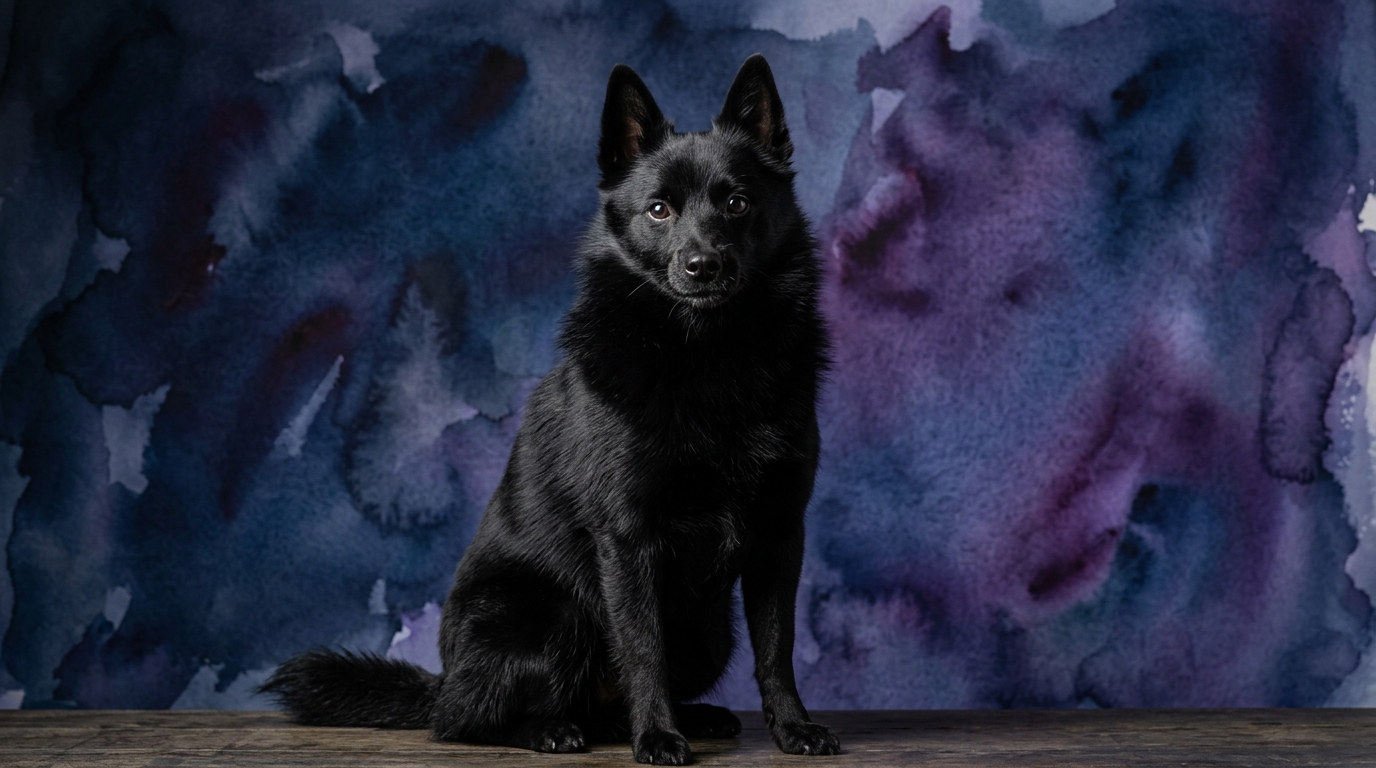
In contrast, the Schipperke, a Non-Sporting breed with a higher Coren rank of #15, presents a distinct cognitive makeup. It scores exceptionally high in Problem Solving (5/5), Training Speed (5/5), and Memory (5/5), indicating a rapid, astute learner with excellent recall. However, its Social Intelligence is rated lower at 3/5, and Instinctive Drive stands at 3/5. This profile suggests a highly independent and efficient thinker, less driven by cooperative instincts and more by its own internal logic or immediate goals, a characteristic often observed in breeds developed for guarding or vermin control.
These individual scores illustrate that while both breeds demonstrate considerable mental capacity, the *nature* of their intellect diverges significantly. The Weimaraner's strengths lie in cooperative work and harnessing its natural drives, while the Schipperke's prowess is in independent thought and rapid acquisition of information, showcasing two different paths to canine capability.
Where the Weimaraner Wins Cognitively
The Weimaraner's cognitive edge is most apparent in its superior Instinctive Drive (5/5) and robust Social Intelligence (4/5). This combination makes them exceptionally adept at tasks requiring a strong natural inclination to perform specific actions, such as retrieving, pointing, or tracking, coupled with a deep understanding of human cues and a desire to work alongside their people. Their drive is not just a raw impulse; it's a channeled energy that, when properly directed, makes them incredibly focused and persistent in their designated roles.
Their strong social intelligence means Weimaraners often display a keen awareness of their family's emotional states and routines, fostering deep bonds and a cooperative spirit. This cognitive strength allows them to integrate smoothly into family life, respond well to nuanced communication, and thrive in environments where they are active participants rather than just observers. They are attuned to their human partners, making them excellent candidates for activities like obedience, agility, or therapy work where partnership is key.
Where the Schipperke Wins Cognitively
The Schipperke truly shines in its exceptional Problem Solving (5/5), Training Speed (5/5), and Memory (5/5). These scores indicate a canine mind that is incredibly quick to grasp new concepts, resourceful in navigating novel situations, and possesses an outstanding capacity for retaining learned information. A Schipperke can quickly analyze an unfamiliar scenario, devise a strategy to achieve its objective, and remember the solution for future application, often with minimal repetition during training sessions.
This breed's cognitive strengths manifest in their ability to master complex sequences and adapt their strategies efficiently. Their quick intellect means they are not easily stumped by puzzles or new commands; they process information with impressive alacrity. This makes them formidable contenders in dog sports that demand precision, rapid decision-making, and memorization, such as competitive obedience, rally, or even intricate trick training, where their mental agility can truly be showcased.
Which Is Easier to Train and Why?
Determining which breed is 'easier' to train is nuanced, as it depends on the owner's approach and desired outcomes. The Schipperke boasts superior Training Speed (5/5) and Problem Solving (5/5), meaning they will likely *learn* new commands and behaviors faster than the Weimaraner. They pick up on patterns and associations with remarkable swiftness. However, their lower Social Intelligence (3/5) and Instinctive Drive (3/5) suggest they might be less inherently motivated by human approval or a desire for cooperative partnership. Training a Schipperke often requires an owner who can make learning inherently rewarding and engaging for the dog, appealing to its independent and clever nature, rather than relying solely on a desire to please.
Conversely, the Weimaraner, with its Training Speed (4/5) and strong Social Intelligence (4/5) combined with its exceptional Instinctive Drive (5/5), is often perceived as highly responsive to training that leverages its natural predispositions and desire for connection. While they may not learn a new trick in as few repetitions as a Schipperke, their eagerness to work with their handler and channel their powerful drives into directed tasks makes them very trainable for their intended purposes. Their strong 'work ethic' and cooperative spirit make them highly amenable to structured, positive reinforcement-based training, especially when it involves activities that satisfy their natural sporting instincts.
Which Suits Active Owners vs. Engaged Owners?
For active owners seeking a canine companion for outdoor adventures and structured activities, the Weimaraner is a compelling choice. Their formidable Instinctive Drive (5/5) and physical stamina, characteristic of the Sporting group, necessitate significant physical and mental engagement. Weimaraners thrive when involved in consistent exercise, whether it's long runs, hiking, field work, or dog sports like agility and flyball. Their social intelligence means they also deeply value shared experiences and partnership in these activities, making them ideal for owners who want a dog that is an integral part of their active lifestyle and enjoys working alongside them.
The Schipperke, while not typically requiring the same sheer volume of physical exertion as a Weimaraner, is best suited for what we might call 'engaged' owners – those who can consistently provide mental stimulation and clear structure. Their exceptional Problem Solving (5/5) and Memory (5/5) mean they need intellectual challenges to prevent boredom and destructive behaviors; puzzle toys, trick training, and consistent mental exercises are crucial. While they are active and curious, their lower Instinctive Drive (3/5) means their energy might be channeled into independent exploration or vigilance rather than sustained cooperative endeavors. They thrive with owners who appreciate an independent thinker and can provide thoughtful, consistent engagement rather than just endless physical activity.
The Verdict: When to Choose Each Breed
The Verdict
Choose a Weimaraner if you are an active individual or family seeking a highly cooperative, driven companion for outdoor pursuits and integrated family life, valuing a strong social bond and a dog eager to work alongside you.
Opt for a Schipperke if you appreciate an independent, quick-witted canine mind that excels at problem-solving and learns rapidly, and you are prepared to provide consistent mental engagement and structured training to harness its sharp intellect.
🧠 Find Your Pet's IQ Score
Our Pet IQ Lab assessment covers 25+ tests across 5 cognitive dimensions — personalized to your breed.
Take the Full IQ Test →Frequently Asked Questions
Do Weimaraners or Schipperkes make better family pets?
Weimaraners, with their 4/5 Social Intelligence, generally integrate very well into family dynamics, often forming strong bonds with all members and enjoying cooperative activities. Schipperkes, with their 3/5 Social Intelligence, can be devoted to their families but may exhibit more independence or reserve with strangers, thriving best with consistent boundaries and mental engagement from their primary caregivers.
Which breed requires more mental stimulation?
Both breeds require significant mental stimulation, but in different ways. Schipperkes, with 5/5 Problem Solving and Memory, thrive on complex puzzles, trick training, and tasks that challenge their quick wit. Weimaraners, with 5/5 Instinctive Drive and 4/5 Problem Solving, need mental engagement that often ties into their working instincts, such as scent work, retrieving games, or advanced obedience, which channels their drive constructively.
Are Weimaraners or Schipperkes better for first-time dog owners?
Neither breed is typically recommended for entirely novice owners without prior research and commitment, due to their distinct needs. However, a Weimaraner's cooperative nature and desire to please (4/5 Social Intelligence) can be more forgiving for a dedicated first-time owner willing to provide ample activity. A Schipperke's independence and sharp intellect (5/5 Problem Solving) might require a more experienced hand to guide their quick learning and ensure consistent boundaries.