
Side-by-Side IQ Profile
**Weimaraner (Sporting Group, Coren Rank #21):** Resourceful in complex tasks, they effectively figure out challenges, especially when collaborating with a handler on multi-step commands or navigating new environments. With impressive quickness, Weimaraners grasp new commands and routines, often needing minimal repetitions due to their eagerness to please and focused attention. Highly attuned to human emotions and social cues, they form deep, empathetic bonds, responding sensitively to feedback and integrating smoothly into family life. Their powerful prey drive and boundless energy demand significant outlets for chasing, retrieving, and exploring, stemming from their hunting heritage. Weimaraners retain learned behaviors, routes, and complex associations over long periods, aiding training longevity and consistent performance.
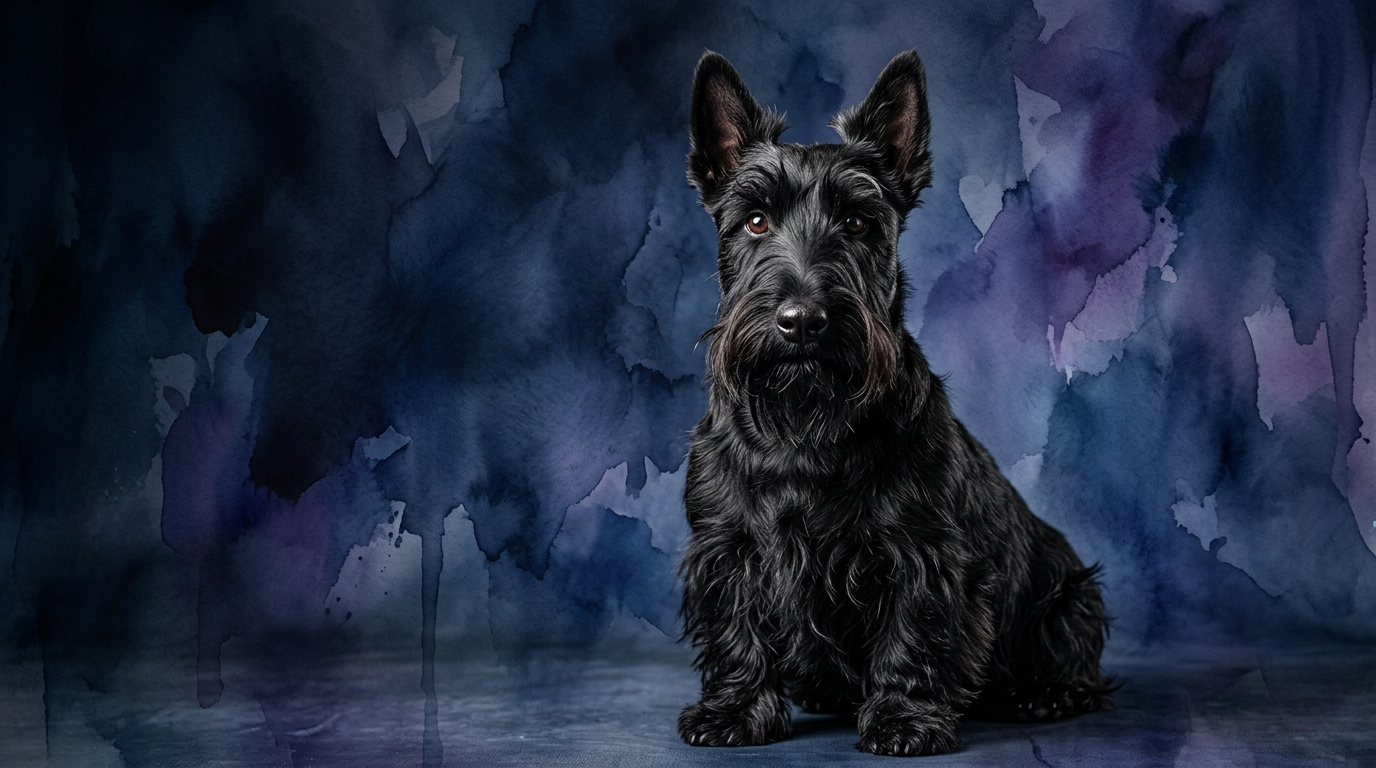
**Scottish Terrier (Terrier Group, Coren Rank #65):** They tackle problems with independent tenacity, preferring self-directed efforts over seeking human guidance, often demonstrating clever persistence in their own way. Scotties learn at their own pace, requiring patient, consistent, and engaging methods due to their strong-willed nature and potential for boredom with repetition. Reserved yet affectionate with their family, they are discerning in social interactions, appreciating calm environments and showing less overt emotional expression than some breeds. Their drive focuses on vermin hunting, manifesting as a persistent urge to dig, chase small animals, and patrol, rather than broad, expansive energy. Possessing adequate memory for routines, their recall can be selective, influenced by their independent streak; they remember what's important to them.
Where Weimaraner Wins Cognitively
The Weimaraner's cognitive strengths distinctly favor collaborative work and handler-focused activities. Their 4/5 Problem Solving reflects a proactive approach, seeking solutions *with* their human, crucial for tasks like agility or complex retrieval. A 4/5 Social Intelligence means they excel at interpreting human cues, fostering deep emotional connections and anticipating handler actions. This acute sensitivity makes them highly responsive to subtle commands. Furthermore, their 4/5 Memory ensures excellent retention of learned behaviors and complex sequences over time, making them reliable partners for consistent performance and building upon prior learning in any endeavor.
Where Scottish Terrier Wins Cognitively
The Scottish Terrier's cognitive advantages lie in their independent ingenuity and tenacious spirit. Their 3/5 Problem Solving, while lower, signifies a unique self-reliant resourcefulness. A Scottie often prefers to tackle challenges independently, employing clever, persistent methods until achieving their objective, demonstrating singular determination rather than seeking human aid. This tenacity is a valuable cognitive asset for tasks requiring unwavering individual focus, like scent-work or investigating a perceived anomaly. Their 3/5 Instinctive Drive, though moderate, is highly concentrated on their original purpose, enabling unwavering attention on specific tasks and demonstrating effective decision-making without constant human oversight.
Which is Easier to Train and Why
The Weimaraner is generally easier to train for most obedience and skill-based tasks. Their 4/5 Training Speed and 4/5 Social Intelligence mean they are eager to please, quickly grasp commands, and are highly motivated by human interaction and approval. Weimaraners thrive on clear communication and structure, viewing training as a collaborative activity. Their strong 4/5 Memory ensures commands are retained, requiring fewer refreshers. Real behavioral differences include their natural inclination for sustained eye contact and working closely with a handler, often anticipating the next instruction. In contrast, the Scottish Terrier's 3/5 Training Speed and independent nature demand a different approach. A Scottie learns, but often on their own terms, and their inherent stubbornness means they might understand a command but choose not to comply if unmotivated. Training a Scottie requires immense patience, engaging positive reinforcement, and a strategy that earns their cooperation, leveraging their curiosity rather than expecting immediate deference.
Which Suits Active Owners vs Relaxed Owners
The Weimaraner, with its 5/5 Instinctive Drive and significant energy, is perfectly suited for highly active owners. These dogs demand extensive daily exercise, including vigorous runs, challenging hikes, or participation in dog sports like agility. Their high problem-solving and social intelligence also necessitate consistent mental stimulation to prevent boredom. Owners who embrace long outdoor adventures and commit to regular, engaging training will find a Weimaraner a devoted and fulfilling companion. Conversely, the Scottish Terrier is a better fit for more relaxed owners, though they still require daily activity. Their 3/5 Instinctive Drive translates to moderate exercise needs, with daily walks and garden playtime typically sufficient. Their independent nature means they are often content with self-entertainment, rather than constant human interaction, making them amenable to a quieter household.
The Verdict
Opt for a Weimaraner if you are an active individual or family seeking a highly trainable, intensely bonded companion eager for demanding physical activities and complex mental challenges. Their collaborative spirit thrives with owners dedicated to consistent engagement.
Select a Scottish Terrier if you appreciate an independent, self-possessed companion with a charmingly stubborn streak and more moderate exercise needs, suited for a less intensely active lifestyle. They offer deep loyalty but value autonomy.
🧠 Find Your Pet's IQ Score
Our Pet IQ Lab assessment covers 25+ tests across 5 cognitive dimensions — personalized to your breed.
Take the Full IQ Test →Frequently Asked Questions
Do Weimaraners or Scottish Terriers bark more frequently?
Weimaraners typically bark less excessively, usually communicating or alerting to specific events. Scottish Terriers, true to their terrier heritage, can be more prone to barking when patrolling their territory or reacting to perceived threats, reflecting their vigilant nature.
Are Weimaraners or Scottish Terriers better with children?
Weimaraners, with their high social intelligence, can be wonderful with children if properly socialized and supervised. Scottish Terriers can be good family dogs but their independent nature means they might prefer older, respectful children over boisterous play.
Which breed is more adaptable to apartment living?
The Scottish Terrier is generally more adaptable to apartment living due to their smaller size and moderate exercise requirements, provided they receive regular walks. Weimaraners, with their high energy and drive, thrive better in homes with ample space and a secure yard for exercise.