Side-by-side IQ profile
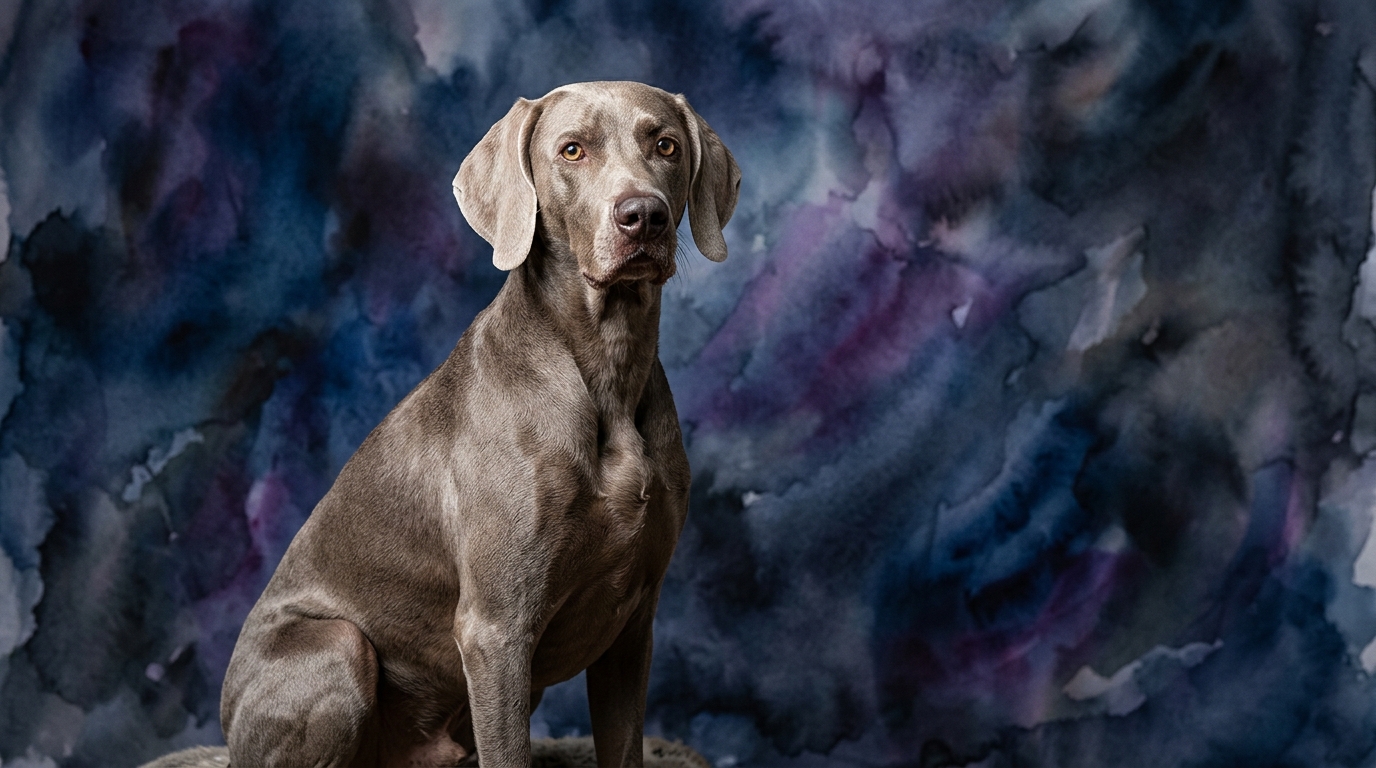
**Weimaraner (Sporting Group, Coren Rank #21):**
**Problem Solving (4/5):** Weimaraners excel at practical problem-solving, particularly when tasks involve their human partner or a trained goal. They adeptly manipulate objects or navigate environments to retrieve items, showing direct, purposeful solutions driven by a desire to succeed collaboratively.
**Training Speed (4/5):** This breed acquires new commands and behaviors rapidly, often needing fewer repetitions. Their focus on the handler and eagerness to please ensures efficient learning, making them highly responsive to consistent positive reinforcement.
**Social Intelligence (4/5):** Weimaraners keenly interpret human social cues, emotions, and body language, often adjusting their behavior accordingly. This high attunement fosters deep bonds and makes them highly interactive and communicative companions.
**Instinctive Drive (5/5):** Their powerful drive stems from a hunting heritage, manifesting as intense prey drive, a strong desire to retrieve, and unwavering scent focus. They are perpetually alert and require outlets for these deep-seated, action-oriented behaviors.
**Memory (4/5):** Weimaraners exhibit excellent long-term memory for commands, routines, and experiences, retaining learned behaviors even after inactivity. They remember people, places, and events with notable clarity, contributing to consistent performance.
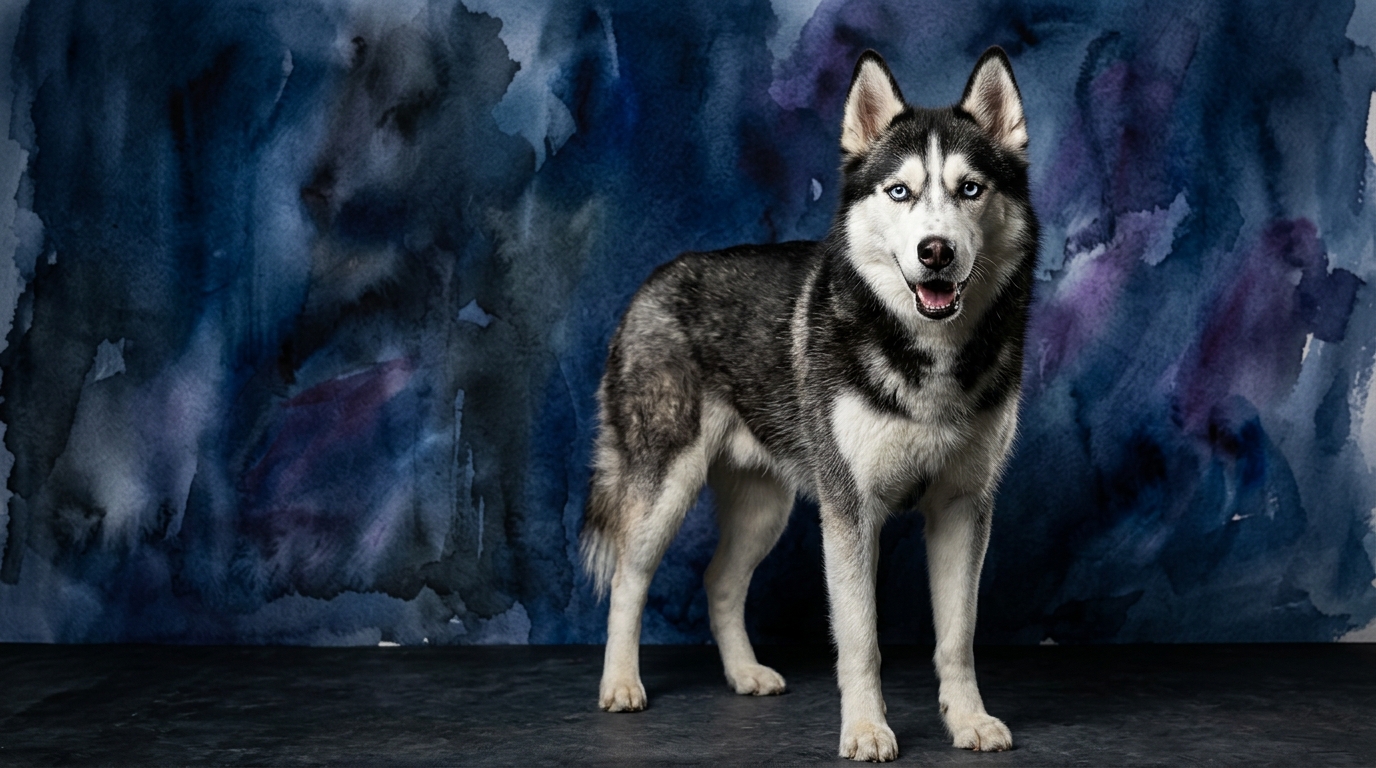
**Siberian Husky (Working Group, Coren Rank #45):**
**Problem Solving (4/5):** Huskies display robust independent problem-solving, especially for self-motivated objectives like escaping enclosures or locating resources. Their solutions are often creative and self-reliant, reflecting a history of decision-making without constant human oversight.
**Training Speed (2/5):** While capable, Huskies typically take longer to learn new commands. Their independent nature means they often weigh a command's value against their own inclinations, demanding patience and consistency for effective training.
**Social Intelligence (3/5):** Generally friendly, Huskies are more independent in social interactions, appreciating companionship but not constantly aligning their behavior with human emotions. Their social intelligence often leans towards broader pack dynamics.
**Instinctive Drive (5/5):** This drive is exceptionally strong, rooted in their sled dog heritage, manifesting as an unparalleled desire to run, pull, and explore vast distances. They possess a powerful prey drive, a natural inclination to dig, and incredible endurance.
**Memory (4/5):** Huskies have excellent spatial memory for routes and locations, crucial for sledding. They also recall commands and routines effectively, though their willingness to execute them can be conditional on their current motivation and interest.
Where Weimaraner wins cognitively
The Weimaraner's cognitive strengths truly shine in areas requiring direct partnership and focused learning. Their superior Training Speed (4/5) means they grasp new commands and complex sequences with remarkable alacrity, making them exceptionally responsive to handler instruction. This rapid assimilation, combined with high Social Intelligence (4/5), enables them to anticipate human desires and adjust behavior, fostering a seamless working relationship. Weimaraners excel at cooperative problem-solving, driven by an innate desire to please and find solutions that involve their human, making them highly trainable for advanced obedience and dog sports demanding precision and teamwork.
Where Siberian Husky wins cognitively
The Siberian Husky's cognitive profile reveals a different kind of brilliance, forged in environments demanding self-reliance and endurance. Their Problem Solving (4/5) highlights an impressive capacity for independent thought, particularly when navigating challenges without direct human guidance. This manifests in ingenious escape methods, resourcefulness in finding entertainment, or an uncanny ability to remember and follow complex trails over long distances. Their powerful Instinctive Drive (5/5) for running and exploring makes them masters of energy management and spatial awareness, skills refined over centuries of pulling sleds. This cognitive independence allows them to make sound decisions in novel situations, relying on their own judgment.
Which is easier to train and why
Without question, the Weimaraner is significantly easier to train due to its higher Training Speed (4/5) and Social Intelligence (4/5). Weimaraners possess an inherent eagerness to please, viewing training as a collaborative activity that strengthens their bond. They are highly attentive, quickly grasp concepts, and are motivated by praise, making them responsive to positive reinforcement. Their strong social intelligence facilitates fluid communication during training. In contrast, the Siberian Husky’s independent nature and lower Training Speed (2/5) mean they often require more repetition and stronger incentives. Huskies tend to evaluate commands based on their own perceived value, sometimes opting for self-directed activities over obedience. Their training demands immense patience, creativity, and consistent effort to engage their innate desire for autonomy.
Which suits active owners vs relaxed owners
Both the Weimaraner and Siberian Husky demand active lifestyles, making neither suitable for genuinely relaxed owners. However, the *nature* of that activity differs. A Weimaraner thrives with an owner who wants a partner for high-intensity, structured activities like running, hiking, hunting, or dog sports. They need mental engagement involving teamwork and problem-solving alongside their human, craving constant interaction and a clear purpose. Their activity is focused and goal-oriented. A Siberian Husky, conversely, requires an owner who can accommodate their relentless need for endurance-based exercise and independent exploration. Their activity is about covering vast distances, often with a pulling instinct, and they possess incredible cold tolerance. They need outlets for their powerful instinctive drive to run and explore, ideal for activities like canicross or skijoring, where they utilize their innate drive for forward motion, sometimes with a more independent mindset.
The Verdict
Choose a Weimaraner if you seek a highly trainable, deeply bonded canine partner for structured activities, collaborative problem-solving, and a responsive companion eager to engage in every aspect of your life.
Opt for a Siberian Husky if you are an owner prepared for an independent, endurance-driven companion who thrives on extensive, self-motivated exercise and can appreciate a dog with a strong will and a charmingly aloof yet affectionate nature.
🧠 Find Your Pet's IQ Score
Our Pet IQ Lab assessment covers 25+ tests across 5 cognitive dimensions — personalized to your breed.
Take the Full IQ Test →Frequently Asked Questions
Are Weimaraners prone to separation anxiety?
Yes, Weimaraners often form very strong bonds with their families and can develop separation anxiety if not properly socialized and trained for alone time from a young age. Their high social intelligence means they crave companionship and can become distressed when left alone for extended periods.
Do Siberian Huskies bark a lot?
Siberian Huskies are not typically excessive barkers; instead, they are famous for their unique vocalizations, including howling, "talking," and a wide range of expressive sounds. They use these sounds to communicate with their pack and express their emotions, which can be quite different from a dog's typical bark.
What kind of mental stimulation do these breeds need?
Weimaraners need mental stimulation that involves partnership and problem-solving, like advanced obedience, scent work, or puzzle toys that require collaboration. Siberian Huskies require mental challenges that engage their independent problem-solving and instinctive drives, such as extensive exploration on varied terrains, consistent training to keep them engaged, or activities that satisfy their pulling instinct.