
Side-by-Side Cognitive Profiles: Weimaraner vs. Toy Poodle
At The Cosmic Pet Pet IQ Lab, we evaluate canine cognition across five crucial dimensions, offering a nuanced understanding beyond simple obedience. The Weimaraner, a Sporting group dog, holds a Coren rank of #21. Their problem-solving capacity scores 4/5, indicating they are capable thinkers who often prefer action-oriented solutions. Training speed is also 4/5; they learn quickly but thrive when tasks align with their natural drives. Social intelligence stands at 4/5, reflecting their strong bond with humans and ability to read cues. Their instinctive drive is a robust 5/5, showcasing a powerful urge for hunting, tracking, and retrieving. Memory rates 4/5, meaning they retain commands and experiences well over time.
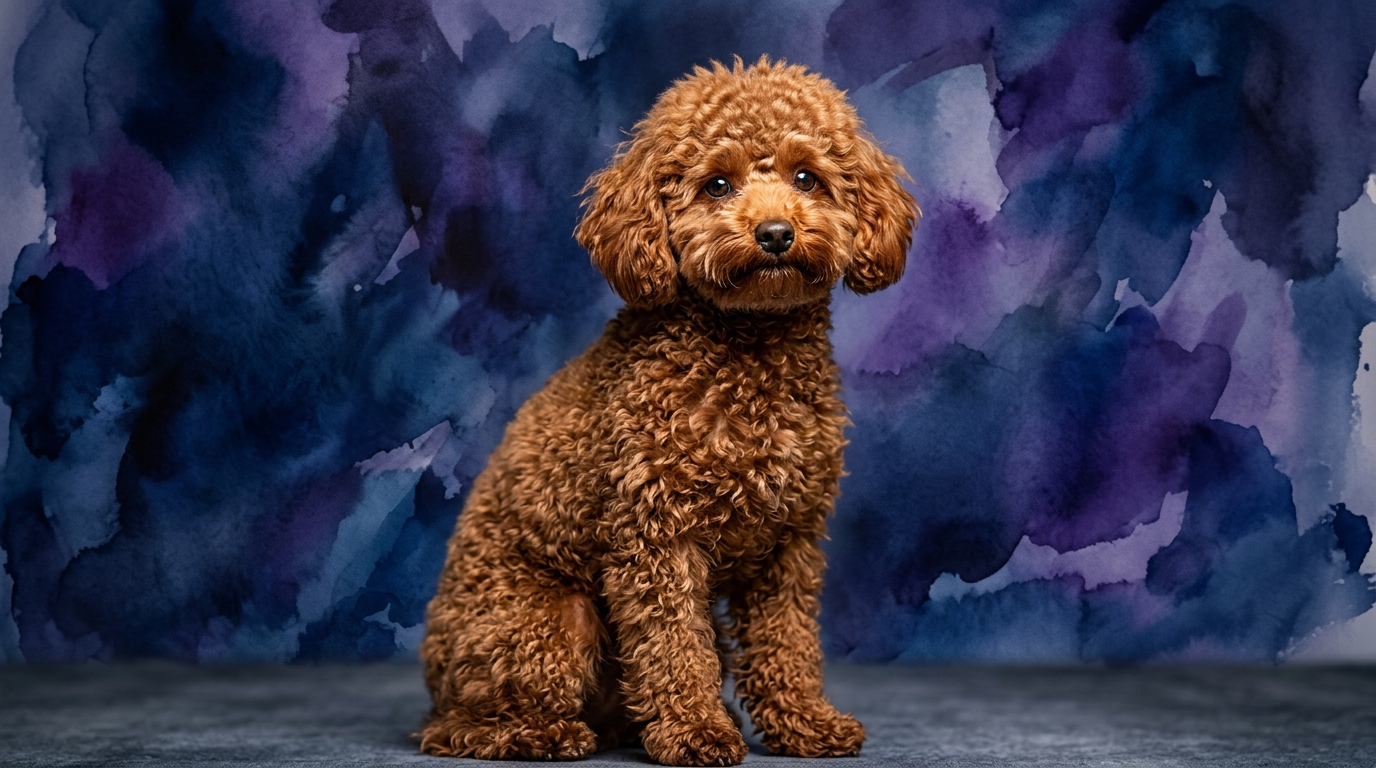
In contrast, the Toy Poodle, a Toy group dog, ranks impressively at Coren #2. Their problem-solving ability is exceptional at 5/5, often demonstrating creative and analytical thought. Training speed is equally outstanding at 5/5, making them incredibly rapid learners. Social intelligence scores 3/5, indicating they form deep bonds but can be more discerning or less universally effusive than some breeds. Their instinctive drive is 3/5, present in play but less pronounced in primal working capacities. Memory is a perfect 5/5, allowing them to recall complex sequences and experiences with remarkable precision.
Where the Weimaraner Excels Cognitively
The Weimaraner's cognitive strengths are deeply rooted in their heritage as a versatile hunting dog. Their instinctive drive, rated 5/5, is a clear differentiator; they possess an unparalleled urge to track, point, and retrieve, making them brilliant partners in field sports or activities that mimic these roles. This drive isn't just physical; it's a cognitive engine that fuels their focus and determination when engaged in scent work, agility, or advanced obedience that requires sustained effort. Their 4/5 social intelligence further enhances this, allowing them to form a deeply cooperative bond with their human handler, anticipating commands and working in seamless partnership during complex tasks. They are adept at understanding the nuances of human communication within a working context, making them incredibly responsive to subtle cues from a trusted companion.
Where the Toy Poodle Shines Cognitively
The Toy Poodle's cognitive prowess truly shines in areas demanding abstract thought and rapid learning. Their 5/5 problem-solving ability means they are adept at figuring out novel solutions, whether it's opening a complex puzzle toy or devising a new way to get attention. This isn't brute force problem-solving but often involves observation, deduction, and creative application. Coupled with a 5/5 training speed, Toy Poodles absorb new commands and concepts with remarkable quickness, often requiring fewer repetitions than other breeds. They thrive on intellectual challenges and excel in disciplines like competitive obedience, trick training, and even dog dancing. Their perfect 5/5 memory means they not only learn fast but retain that knowledge for extended periods, building an impressive repertoire of skills and understanding complex routines with ease.
Training Dynamics: Which Breed is More Amenable?
When it comes to ease of training, the Toy Poodle generally holds an advantage due to their exceptional training speed and problem-solving skills. They are typically eager to please and respond enthusiastically to positive reinforcement, quickly associating actions with rewards. Their sharp memory allows them to build upon learned behaviors rapidly, making them suitable for intricate trick training or advanced obedience. They thrive on mental engagement and can become bored if not given consistent intellectual challenges, which makes training a rewarding activity for both dog and owner.
The Weimaraner, while also possessing a respectable 4/5 training speed and memory, presents a different training dynamic. Their powerful 5/5 instinctive drive means training must be engaging and channel their natural urges rather than suppress them. They learn quickly but can become distracted or 'stubborn' if tasks don't align with their desire for action or exploration. Consistency, clear communication, and activities that incorporate their prey drive or scenting abilities (like fetch, tracking games, or retrieving) are crucial for successful Weimaraner training. An owner who understands and can harness this drive will find them incredibly responsive and dedicated partners.
Matching Canine Cognition to Owner Lifestyles
The distinct cognitive profiles of these breeds mean they suit very different owner lifestyles. The Weimaraner, with its formidable instinctive drive and strong social intelligence, is an ideal companion for active owners who relish outdoor adventures and can provide consistent, engaging mental and physical stimulation. They thrive in environments where they can run, explore, and use their natural abilities in structured activities like hunting, agility, or long hikes. An owner who can integrate their Weimaraner into an active, cooperative lifestyle will find an incredibly devoted and fulfilled partner, as their cognitive needs are met through shared experiences and challenges.
Conversely, the Toy Poodle's exceptional problem-solving and training speed make them a superb fit for owners who enjoy intellectual engagement and can provide consistent mental enrichment, even if physical activity is less intense. While they enjoy walks and play, their minds are their most demanding feature. Relaxed owners who enjoy teaching new tricks, engaging in puzzle games, or participating in indoor obedience will find the Toy Poodle a highly rewarding companion. They adapt well to various living situations, from apartments to larger homes, as long as their brilliant minds are kept busy and challenged with novel stimuli.
The Verdict
Choose a Weimaraner if you're an active individual or family seeking a highly cooperative, driven companion for outdoor activities and structured challenges that tap into their robust instinctive intelligence.
Opt for a Toy Poodle if you're looking for a sharp, adaptable companion who thrives on intellectual stimulation, enjoys learning complex tasks, and can excel in a variety of mental pursuits.
🧠 Find Your Pet's IQ Score
Our Pet IQ Lab assessment covers 25+ tests across 5 cognitive dimensions — personalized to your breed.
Take the Full IQ Test →Frequently Asked Questions
Are Weimaraners good family dogs?
Yes, with their strong social intelligence, Weimaraners can be deeply loyal and affectionate family members, often forming close bonds with all household members. However, their high energy and instinctive drive mean they require consistent exercise and mental engagement to prevent boredom and ensure harmonious living, especially around young children.
How much mental exercise does a Toy Poodle require?
A Toy Poodle's exceptional problem-solving and memory mean they thrive on consistent mental challenges, needing daily mental enrichment to prevent boredom. This can include learning new tricks, puzzle toys, obedience training, or engaging in interactive games that stimulate their sharp intellect.
Is either breed prone to separation anxiety?
Weimaraners, with their strong desire for companionship and cooperative nature, can be prone to separation anxiety if left alone for extended periods without adequate mental and physical outlets. Toy Poodles, forming deep bonds with their owners, can also exhibit signs of anxiety if not gradually accustomed to solitude, as their social intelligence dictates a need for connection.