Side-by-Side Cognitive Profiles
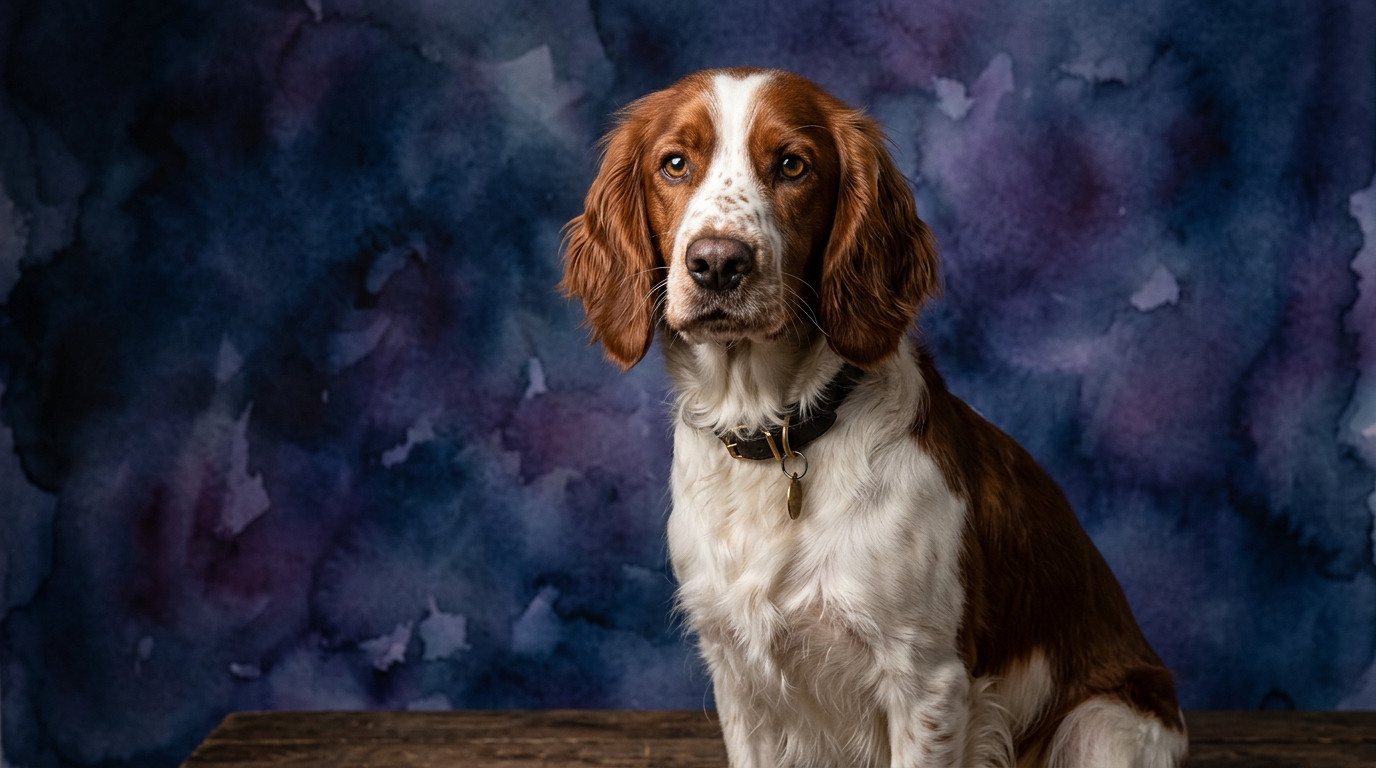
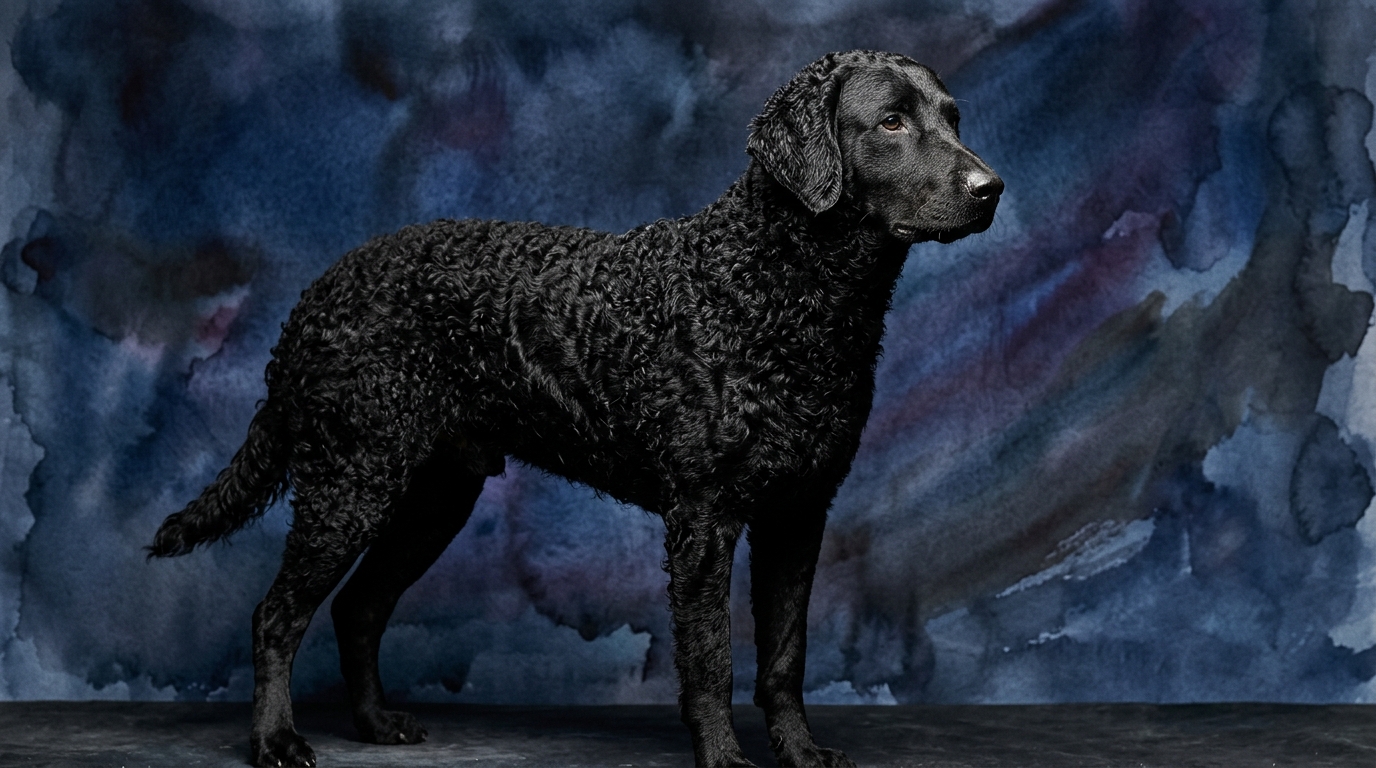
At The Cosmic Pet Pet IQ Lab, we evaluate canine cognition across five key dimensions, providing a granular look at how different breeds process the world. Here’s how the Welsh Springer Spaniel (Coren rank #31) and the Curly-Coated Retriever (Coren rank #41) stack up:
**Welsh Springer Spaniel (Coren rank #31)**
**Problem Solving (4/5)**: This breed exhibits a notable capacity for independently assessing novel situations and devising effective solutions, quickly adapting strategies when faced with obstacles. Their flexible and resourceful mind allows for rapid understanding of complex tasks.
**Training Speed (4/5)**: Welsh Springer Spaniels generally grasp new commands and routines with impressive alacrity. Their inherent desire to please and eagerness to engage contribute to a rapid learning curve, making them highly responsive pupils.
**Social Intelligence (3/5)**: Possessing moderate social perceptiveness, Welsh Springers interpret human cues and adapt behavior in social settings. They are amiable and form strong bonds, though might need guidance in complex group dynamics.
**Instinctive Drive (3/5)**: Their sporting heritage provides a balanced instinctive drive, including moderate prey drive and inclination towards retrieving and scent work. This drive is typically manageable and channelable.
**Memory (4/5)**: Welsh Springer Spaniels demonstrate excellent recall for commands, routines, and experiences, retaining learned behaviors over long periods, which enhances their overall reliability.
**Curly-Coated Retriever (Coren rank #41)**
**Problem Solving (3/5)**: The Curly-Coated Retriever approaches problems methodically rather than with immediate brilliance. They can solve challenges but may take a more deliberate path, preferring analysis and sometimes needing more repetition for understanding.
**Training Speed (3/5)**: This breed learns at a steady pace, requiring consistent, patient instruction to master new skills. While not as quick to pick up novel commands, learned behaviors are retained with great reliability.
**Social Intelligence (3/5)**: Curly-Coated Retrievers share a similar social perceptiveness, understanding human interactions and forming deep, loyal connections with family, though they can be reserved with strangers.
**Instinctive Drive (3/5)**: Like their Spaniel counterpart, Curlys possess a moderate instinctive drive, particularly in retrieving and water work. This drive is purposeful and channelable into appropriate activities.
**Memory (4/5)**: Curlys exhibit strong memory capabilities, retaining commands, learned behaviors, and spatial information accurately over time. This robust memory ensures lessons, once ingrained, are unlikely to be forgotten.
Where the Welsh Springer Spaniel Wins Cognitively
The Welsh Springer Spaniel clearly outshines the Curly-Coated Retriever in Problem Solving (4/5) and Training Speed (4/5). Their superior problem-solving capacity means a Welsh Springer is more adept at independently navigating new situations, quickly devising solutions, and adapting strategies to obstacles. Owners will observe them making swift connections and anticipating next steps in games or training. This proactive cognitive approach allows rapid adaptation to changing environments, making them excellent companions for varied activities requiring mental agility.
Furthermore, their higher Training Speed signifies a markedly faster acquisition of new skills. A Welsh Springer will typically grasp basic and complex commands with fewer repetitions, making training sessions more dynamic and less repetitive. This eagerness to engage and process information swiftly fosters quicker progression in dog sports that demand rapid learning and decision-making, such as agility or advanced obedience trials. Their cognitive edge here means a more fluid and engaging learning partnership for the owner.
Where the Curly-Coated Retriever Wins Cognitively
While the Curly-Coated Retriever may not boast higher scores in Problem Solving or Training Speed, their cognitive profile offers distinct advantages in consistency and steadfastness. Their equal Memory score of 4/5 with the Welsh Springer Spaniel is crucial, underpinning their reliability and long-term retention of learned behaviors. Once a Curly-Coated Retriever masters a command or routine, it is deeply ingrained, making them exceptionally dependable companions for tasks requiring precision over extended periods.
This powerful memory, combined with their steady Problem Solving (3/5) and Training Speed (3/5), ensures habits and understandings are robust and resistant to fading. Owners note that while a Curly might take longer to learn, once it clicks, it truly sticks. This reliability is invaluable in working roles, such as hunting or service tasks, where consistent execution of learned protocols is paramount. Their thoughtful, enduring cognitive style means a Curly-Coated Retriever is less likely to make impulsive errors once a procedure is established, making them a consistently predictable and trustworthy partner.
Which is Easier to Train and Why
Based on their IQ profiles, the Welsh Springer Spaniel is generally easier to train than the Curly-Coated Retriever. The primary differentiator is their Training Speed: Welsh Springer at 4/5 versus Curly-Coated Retriever at 3/5. This means a Welsh Springer will grasp new commands and concepts more quickly, requiring fewer repetitions.
Their higher Problem Solving score (4/5 vs. 3/5) further aids trainability, as they are more inclined to independently understand task objectives and adapt their behavior. For instance, a Welsh Springer might quickly connect a command to a desired action. In contrast, the Curly-Coated Retriever requires a more patient, consistent, and structured approach, benefiting from clear, repetitive instruction to process and internalize new information. While both have similar Social Intelligence (3/5), the Welsh Springer's quicker cognitive processing makes for a more fluid and less demanding training experience for the owner.
Which Suits Active Owners vs. Relaxed Owners
Both breeds are sporting dogs requiring activity, but their cognitive profiles suggest different owner matches. The Welsh Springer Spaniel, with its higher Problem Solving (4/5) and Training Speed (4/5), combined with moderate Instinctive Drive (3/5), suits active owners who enjoy diverse mental and physical engagement. These dogs thrive on activities like agility, obedience, or advanced trick training, needing consistent new challenges. Their quick learning adapts well to dynamic lifestyles, provided mental and physical needs are met through structured activities.
Conversely, the Curly-Coated Retriever, with its slightly lower Problem Solving and Training Speed but strong Memory (4/5) and moderate Instinctive Drive, is better for active owners appreciating a more consistent, deliberate pace. They need regular exercise and mental engagement but prefer routines. Ideal for owners who value a dog that, once trained, performs tasks with unwavering reliability, perhaps long walks, swimming, or retrieving games, without constantly seeking novel intellectual challenges. Neither breed is suitable for purely 'relaxed' owners offering minimal exercise or mental engagement, as their sporting heritage demands an outlet for their energy and drives.
The Verdict
Choose a Welsh Springer Spaniel if you seek a quick-witted, adaptable companion eager to learn new skills rapidly and excel in dynamic dog sports or varied activities. Their faster problem-solving and training speed make them a rewarding partner for owners who enjoy a more interactive and progressive training journey.
Choose a Curly-Coated Retriever if you prioritize unwavering reliability, a steady temperament, and a dog that, once trained, performs with steadfast consistency, making them ideal for predictable routines or demanding working roles. Their strong memory and deliberate learning style suit patient owners who value long-term dependability.
🧠 Find Your Pet's IQ Score
Our Pet IQ Lab assessment covers 25+ tests across 5 cognitive dimensions — personalized to your breed.
Take the Full IQ Test →Frequently Asked Questions
Is a Welsh Springer Spaniel better for a first-time dog owner than a Curly-Coated Retriever?
A Welsh Springer Spaniel might be slightly more forgiving for a first-time owner due to its faster training speed and problem-solving abilities, which can make the learning process less frustrating. However, both breeds require consistent training and socialization, so a dedicated first-time owner could succeed with either.
Do these breeds have similar exercise needs despite their cognitive differences?
Yes, both breeds are sporting dogs with moderate to high exercise needs, requiring daily physical activity like brisk walks, runs, or retrieving games. While their cognitive approaches differ, their inherent physical drive remains significant, stemming from their shared working heritage.
How do their social intelligence scores impact their interaction with families or strangers?
Both breeds score 3/5 in social intelligence, meaning they are capable of understanding social cues and forming strong family bonds. Welsh Springers are generally outgoing, while Curly-Coated Retrievers can be more reserved with strangers, often needing proper introductions to new people.