Side-by-side IQ profile
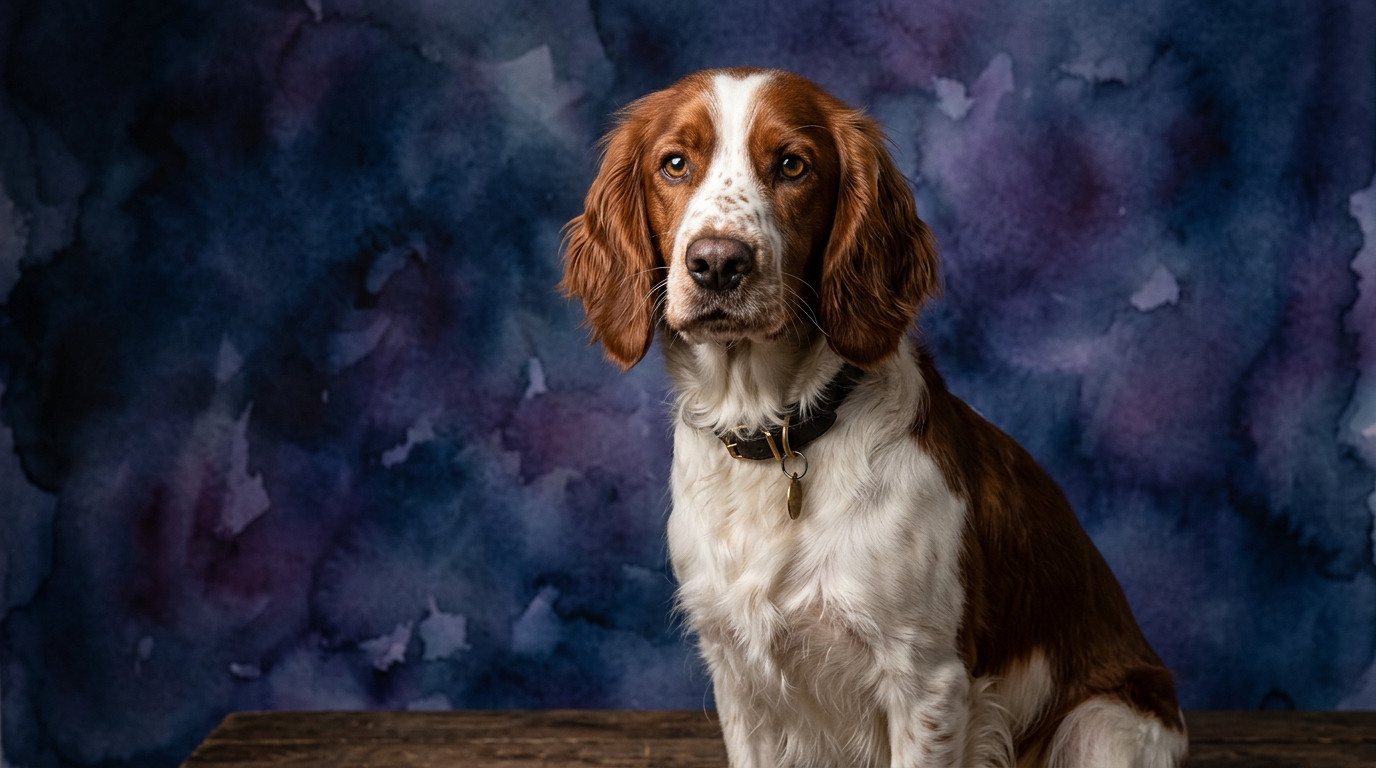
As a Sporting group member, the Welsh Springer Spaniel (WSS) demonstrates a robust cognitive profile, placing it at Coren's #31 for working and obedience intelligence. Its problem-solving ability scores a strong 4 out of 5, indicating an aptitude for navigating complex tasks, such as figuring out how to retrieve a toy stuck under furniture or manipulating latches. This breed also learns new commands and behaviors with impressive speed, earning a 4 out of 5 in training speed, a trait essential for working alongside handlers in the field, where quick adjustments and complex sequences are often required. Social intelligence, measured at 3 out of 5, suggests a moderate capacity for understanding human cues and integrating into family dynamics, capable of forming strong bonds while retaining a degree of independence. Their instinctive drive, also 3 out of 5, points to a moderate but persistent level of inherent prey drive and desire to work, balanced with a willingness to be directed by their handler. The WSS boasts a commendable memory score of 4 out of 5, enabling them to retain learned behaviors over long periods and recall past experiences effectively, making them consistent performers in repetitive tasks.
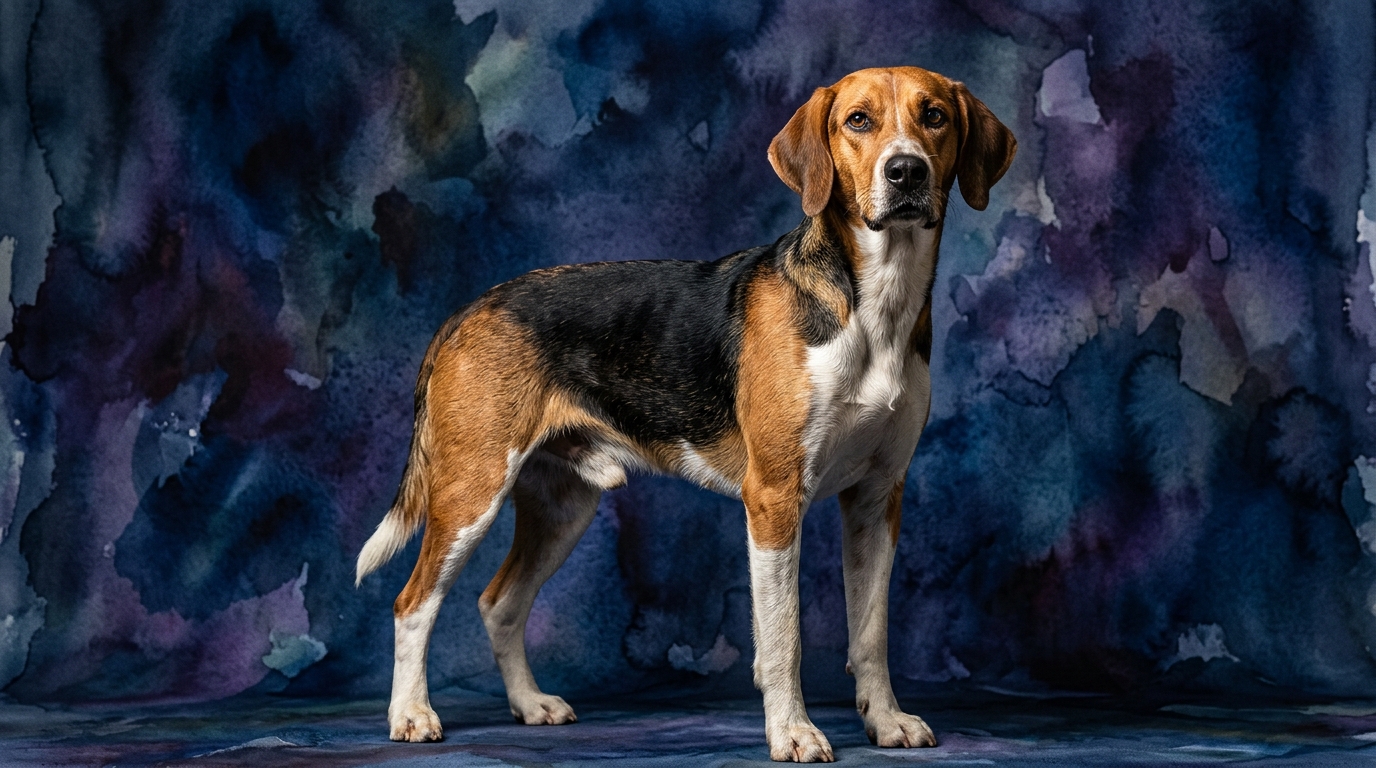
The English Foxhound (EFH), a classic Hound group representative, exhibits a cognitive makeup specifically tailored for its role in pursuit. Lacking a Coren ranking, its intelligence is better understood through its specialized attributes rather than generalized obedience. Its problem-solving capabilities are rated at 3 out of 5, reflecting an ability to overcome physical obstacles in pursuit of a scent, such as finding the path through dense undergrowth, but perhaps less inclined towards abstract problem-solving without a clear, scent-driven goal. Training speed is also a 3 out of 5, suggesting they can learn commands, but may require more repetition or compelling motivation compared to breeds primarily bred for close partnership, as their focus is often externally driven by scent. Social intelligence, at 3 out of 5, indicates a capacity for complex pack dynamics and communal living, essential for cooperative hunting, but potentially a less nuanced understanding of individual human social cues than some companion breeds. Their instinctive drive, a solid 3 out of 5, is primarily and powerfully focused on tracking and chasing, an internal motivation that can override other stimuli. Memory scores 3 out of 5, sufficient for remembering specific scent trails and familiar hunting territories, but perhaps not as finely tuned for a wide array of arbitrary learned commands.
Where Welsh Springer Spaniel wins cognitively
The Welsh Springer Spaniel clearly holds an edge in several cognitive domains, particularly those valuing partnership and adaptable learning. Their superior problem-solving score (4/5 vs. 3/5) means a WSS is more likely to independently figure out how to open a gate, retrieve a toy from a tricky spot, or navigate a novel obstacle course, demonstrating a proactive and flexible approach to new challenges. This breed's faster training speed (4/5 vs. 3/5) is a direct consequence of their historical role requiring quick comprehension of handler commands and complex sequences in the field, such as "mark and retrieve" tasks. A WSS typically grasps new concepts and cues with fewer repetitions, making them more amenable to diverse training regimens, from advanced obedience to complex agility courses. Furthermore, their enhanced memory (4/5 vs. 3/5) means a WSS will reliably recall commands learned months ago, remember the location of a hidden object with greater precision, or consistently execute a multi-step routine. This cognitive strength allows for a broader repertoire of learned behaviors and a more consistent performance over time, making them excellent candidates for competitive dog sports where precise execution and sustained recall are paramount.
Where English Foxhound wins cognitively
While the English Foxhound's cognitive profile is less geared towards traditional obedience trials, its strengths lie in specialized, instinct-driven intelligence that few breeds can match. Its enduring instinctive drive (3/5, equal to WSS but applied differently) is a profound cognitive advantage when it comes to its primary purpose: tracking and pursuit. An EFH possesses an unparalleled ability to focus intensely on a specific scent trail, filtering out myriad environmental distractions that would overwhelm many other breeds. This isn't merely a physical act; it's a complex cognitive process involving sophisticated scent discrimination, memory for previous turns and terrain, and sustained problem-solving to follow a fading or broken trail over vast distances. Their "3/5" problem-solving, while lower than the WSS in generalized tasks, becomes an exceptional "5/5" when presented with the challenge of navigating a complex environment purely by scent to locate quarry. Their social intelligence (3/5) shines in a pack context, demonstrating a nuanced understanding of canine hierarchy and cooperation during a hunt, a different kind of social acumen than understanding human subtleties. This breed's memory (3/5) is particularly adept at recalling specific scent profiles and geographical features pertinent to the hunt, making them exceptional at maintaining a long, intricate trail over varied and challenging terrain.
Which is easier to train and why
The Welsh Springer Spaniel is generally easier to train due to its higher scores in both training speed and problem-solving, coupled with a history of close partnership with humans. A WSS typically exhibits a stronger desire to please its human companion, a trait cultivated over generations of working cooperatively with hunters. This inherent eagerness to cooperate, combined with their capacity for rapid learning, means they pick up new commands and routines more quickly and with greater enthusiasm. For instance, teaching a "stay" command, a complex retrieve sequence, or even house manners will likely require fewer repetitions and less frustration with a WSS, as they actively try to understand and comply. Their higher memory score also contributes significantly to this ease, as they retain learned behaviors more reliably over time. In contrast, the English Foxhound, while certainly trainable, often requires a different approach. Their powerful instinctive drive, primarily focused on scent, means their attention can be easily diverted by interesting smells, making sustained focus on human commands a challenge. Training an EFH often necessitates a high-value reward system, immense patience, and unwavering consistency to overcome their natural inclination to follow their nose. While they can learn, their independent nature and single-minded focus on scent mean they are less inherently inclined to defer to human direction when a compelling scent presents itself, making consistent recall a significant training challenge for many owners, particularly in unfenced areas.
Which suits active owners vs relaxed owners
For active owners seeking a canine partner for diverse pursuits and shared adventures, the Welsh Springer Spaniel is an excellent match. Their balanced instinctive drive and higher problem-solving ability make them suitable for a wide array of activities like agility, obedience, hiking, scent work, and even field trials where cooperation, quick thinking, and adaptability are highly valued. A WSS thrives on both mental stimulation and vigorous physical activity, requiring regular, engaging exercise to prevent boredom and potential destructive behaviors. Their moderate social intelligence means they enjoy companionship and integrate well into family life, actively participating in household activities and outdoor excursions. Conversely, while the English Foxhound is also an exceptionally active breed, its specific energy and cognitive focus make it less ideal for the "relaxed" owner and more suited to an owner who deeply understands and can channel its profound, singular instinctive drives. EFHs need extensive, often off-leash, exercise, ideally in a securely fenced area where they can run freely and engage their powerful scenting abilities without consequence. A relaxed owner might find an EFH's persistent tracking instincts, vocal tendencies, and need for sustained physical output overwhelming. Owners who appreciate long, structured walks or runs, and perhaps even participate in formal scent work, tracking sports, or field trials, will find the EFH a rewarding, albeit demanding, companion. Their independent, pack-oriented social intelligence means they are often content with canine company and a less 'hands-on' social interaction with humans compared to some breeds bred purely for companionship.
The Verdict
Choose the Welsh Springer Spaniel if you desire a highly trainable partner for diverse activities, valuing quick learning, reliable recall, and a strong desire to cooperate in training and daily life.
Opt for the English Foxhound if you are an experienced owner prepared to manage a powerful scent drive, appreciate an independent spirit, and can provide extensive, structured exercise focused on their natural tracking abilities.
🧠 Find Your Pet's IQ Score
Our Pet IQ Lab assessment covers 25+ tests across 5 cognitive dimensions — personalized to your breed.
Take the Full IQ Test →Frequently Asked Questions
Do Welsh Springer Spaniels require a lot of mental stimulation?
Yes, their 4/5 problem-solving and memory scores indicate a mind that thrives on engagement. Regular training, puzzle toys, and varied activities are essential to keep a Welsh Springer Spaniel content and prevent boredom-related issues.
Is an English Foxhound a good choice for a first-time dog owner?
Due to their strong instinctive drive and independent nature, English Foxhounds are generally not recommended for first-time dog owners. They require consistent, experienced handling and a dedicated approach to training, especially regarding recall when a scent is present.
How do their social intelligence scores impact their family life?
Both breeds score 3/5 in social intelligence, suggesting they are generally good-natured but may not be as overtly 'needy' for human attention as some companion breeds. The Welsh Springer Spaniel is typically more attuned to human interaction, while the English Foxhound may prefer canine company and is more independent within a family setting.