Side-by-Side IQ Profile: Welsh Springer Spaniel vs. German Pinscher
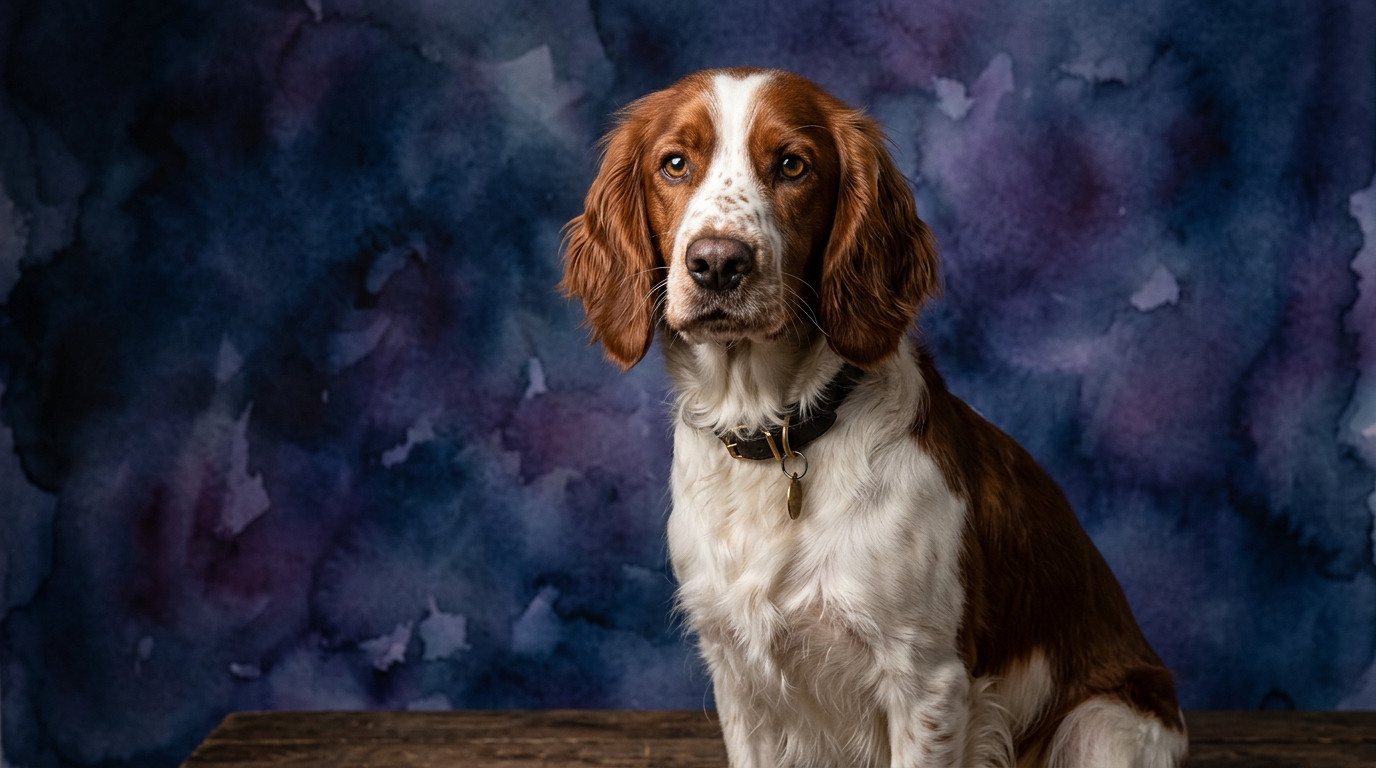
The Cosmic Pet Pet IQ Lab employs a five-dimensional framework to assess canine intelligence, offering a nuanced view beyond simple obedience. For the Welsh Springer Spaniel, a Sporting Group dog, we observe a robust cognitive makeup tailored for field work. Their Problem Solving is rated 4/5, indicating an adeptness at navigating complex environments and figuring out solutions to retrieve tasks. Training Speed also scores 4/5, reflecting their eager-to-please nature and quick grasp of new commands, essential for a cooperative hunting partner. Social Intelligence stands at 3/5, suggesting they are generally affable but may require structured socialization to adapt to novel situations or strangers. Instinctive Drive is 3/5, representing their inherent bird-dog instincts which, while present, are typically manageable. Finally, Memory is strong at 4/5, enabling them to recall complex sequences of commands and retrieve locations.
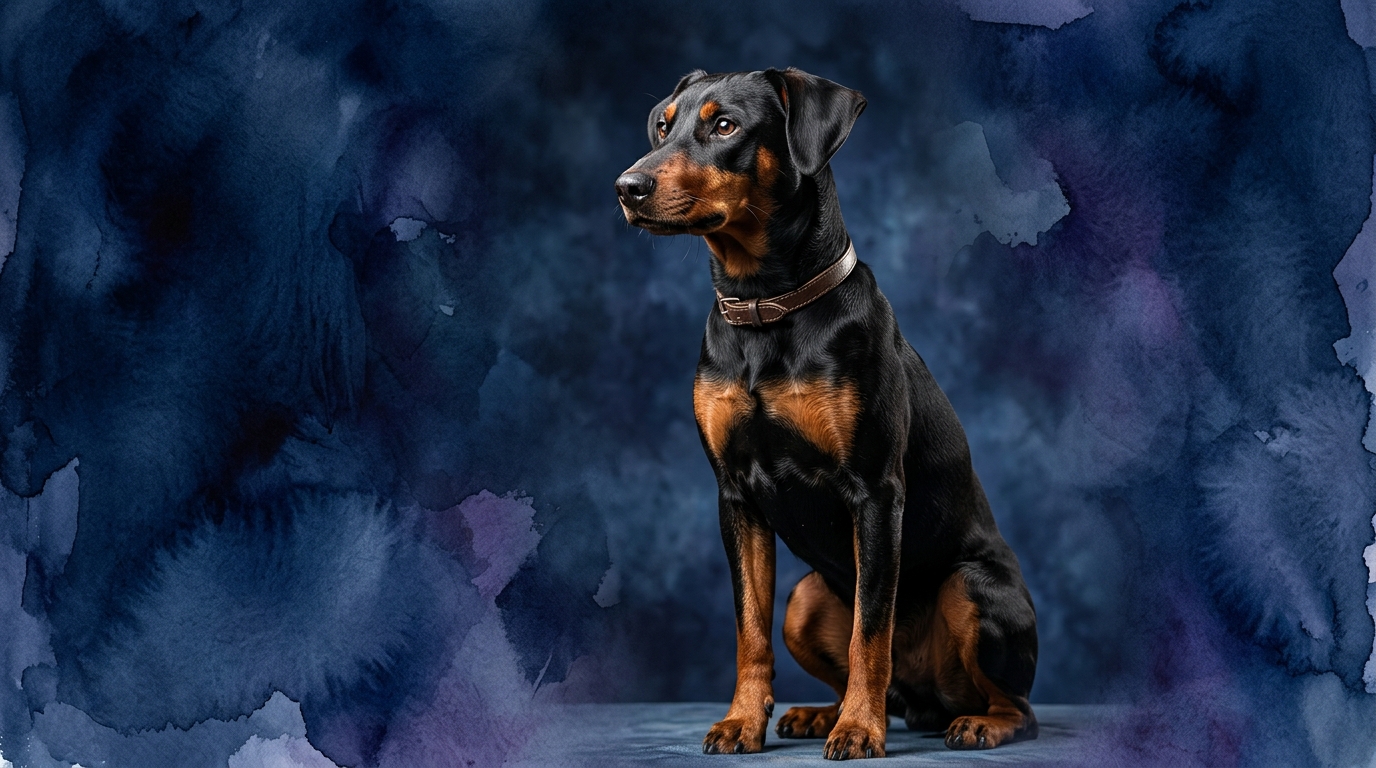
In contrast, the German Pinscher, a Working Group dog, presents a more uniformly balanced, albeit slightly lower, cognitive profile across our metrics. While not Coren-ranked, their scores reflect a distinct type of working intelligence. Their Problem Solving is 3/5, meaning they can effectively assess situations and find solutions, particularly those related to vigilance or territory, though perhaps with less fluid adaptability than a spaniel in a field scenario. Training Speed is 3/5, indicating they learn steadily with consistent, clear instruction, rather than rapid compliance. Social Intelligence is 3/5, often manifesting as loyalty to their family and a discerning, watchful nature towards outsiders. Instinctive Drive is also 3/5, encompassing their historical roles in vermin control and guarding, which translates to a persistent, protective streak. Memory is rated 3/5, showing they retain learned behaviors and routines, though occasional refreshers might be beneficial.
Where the Welsh Springer Spaniel Wins Cognitively
The Welsh Springer Spaniel's cognitive strengths shine particularly in areas demanding quick learning, adaptive problem-solving, and reliable recall, directly aligning with their heritage as a gundog. Their 4/5 scores in both Problem Solving and Training Speed mean they excel at deciphering new commands rapidly and applying them effectively in varied contexts, such as navigating dense cover to flush game or execute complex retrieve patterns. This quick processing allows them to adapt on the fly during training sessions or in dynamic field environments.
Furthermore, their 4/5 Memory score gives them a distinct advantage in retaining a vast repertoire of commands and remembering specific locations or cues over time. This cognitive trait is invaluable for advanced obedience, agility, or field trial work where precise execution and long-term retention of sequences are paramount. A Welsh Springer Spaniel is more likely to pick up a new trick or a multi-step routine with fewer repetitions and recall it accurately after a break, making them highly responsive partners for an engaged owner.
Where the German Pinscher Wins Cognitively
While the German Pinscher's individual scores might be a notch below the Welsh Springer Spaniel in some areas, their unique blend of balanced cognitive traits (all 3/5) offers a distinct advantage in specific contexts, particularly those demanding discernment, persistence, and independent judgment. Their 3/5 Problem Solving, combined with a robust Instinctive Drive, means they are particularly adept at assessing and responding to environmental changes related to security or unfamiliar presences. They excel at identifying potential threats and acting with appropriate caution or assertiveness, a hallmark of their working dog heritage.
The German Pinscher's strength lies in the application of their balanced intelligence for roles requiring vigilance and a strong sense of territory. Their Social Intelligence, while rated 3/5, translates to a deep loyalty and protective instinct toward their family, making them discerning judges of character rather than universally friendly. This cognitive setup allows them to make independent decisions based on their assessment of a situation, rather than constantly seeking handler direction, which is a valuable trait for a dedicated guardian.
Which is Easier to Train and Why
Based on The Cosmic Pet Pet IQ Lab's metrics, the Welsh Springer Spaniel (Training Speed 4/5) is generally easier to train than the German Pinscher (Training Speed 3/5). The Welsh Springer's higher score reflects their inherent eagerness to please and their natural inclination to work cooperatively with a handler, a trait honed over generations for effective field work. They tend to pick up new commands with fewer repetitions and are often highly motivated by praise and positive reinforcement, making training sessions engaging and productive.
The German Pinscher, while certainly trainable, requires a more consistent, patient, and firm approach. Their 3/5 Training Speed indicates they learn steadily, but their independent nature means they might not offer the same instantaneous compliance as a spaniel. They are intelligent and capable of learning complex tasks, but their discerning social intelligence and strong will mean they might question commands or require a clear understanding of the 'why' behind an instruction before fully committing. Successful training with a German Pinscher often involves establishing clear boundaries and a strong leadership role from the outset, appealing to their logical side rather than just relying on eagerness to please.
Which Suits Active Owners vs. Relaxed Owners
Both breeds require active engagement, but their ideal owners differ in the *type* of activity and consistency they can provide. The Welsh Springer Spaniel, with its Sporting group background and higher energy for field work, thrives with active owners who can provide daily vigorous exercise, such as long walks, runs, or engaging in dog sports like agility, obedience, or scent work. They are adaptable to various active pursuits and enjoy being included in family adventures, making them suitable for owners who lead a dynamic outdoor lifestyle and seek a highly participatory canine companion.
The German Pinscher also requires consistent exercise to manage their energy and maintain their balanced temperament. However, their Working group heritage means they benefit from owners who can provide not just physical activity but also structured mental stimulation that appeals to their discerning nature and protective instincts. This could include advanced obedience, protection sports, or consistent 'jobs' around the house. They are less suited for truly 'relaxed' owners who prefer minimal interaction, as their independent streak and need for clear leadership demand consistent engagement and training to prevent boredom or behavioral issues. Owners who appreciate a dog with purpose and are prepared to be consistent in training and leadership will find a rewarding companion in the German Pinscher.
The Verdict
Choose the Welsh Springer Spaniel if you seek an eager, cooperative companion for diverse dog sports and an active family life, valuing a quick learner with strong memory.
Opt for the German Pinscher if you desire a vigilant, loyal guardian with an independent spirit, prepared for consistent training and appreciative of a dog that takes its role seriously.
🧠 Find Your Pet's IQ Score
Our Pet IQ Lab assessment covers 25+ tests across 5 cognitive dimensions — personalized to your breed.
Take the Full IQ Test →Frequently Asked Questions
Are Welsh Springer Spaniels good for first-time dog owners?
Yes, their eager-to-please nature and high training speed can make them suitable for first-time owners willing to commit to consistent positive reinforcement training and ample exercise. Their cooperative temperament generally makes the learning process smoother.
Do German Pinschers get along with other pets?
German Pinschers can coexist with other pets, especially if raised with them from a young age and properly socialized. However, their instinctive drive and discerning nature mean introductions to new pets should be supervised and managed carefully, particularly with smaller animals.
What kind of mental stimulation do these breeds need?
Welsh Springer Spaniels thrive on puzzle toys, scent games, and learning new tricks or complex obedience routines to engage their problem-solving and memory. German Pinschers benefit from mental challenges like advanced obedience, agility, or tasks that allow them to utilize their discerning nature, such as 'guarding' a specific item or area under supervision.