Side-by-Side IQ Profile: A Remarkable Alignment
Delving into the cognitive blueprints of the Welsh Springer Spaniel and the German Wirehaired Pointer reveals a fascinating alignment across key intellectual dimensions. Both breeds register an impressive 4/5 in Problem Solving, indicating a robust capacity to navigate novel situations, strategize to overcome obstacles, and adapt their behaviors to achieve desired outcomes. This manifests in their ability to decipher complex tasks, whether it's locating hidden game in dense cover or figuring out how to open a child-proof gate.
Their Training Speed also stands at an identical 4/5, suggesting both are quick studies, capable of rapidly associating commands with actions and retaining new information efficiently. This swift learning curve makes them responsive partners in various disciplines, from obedience to specialized field work. Social Intelligence, rated at 3/5 for both, points to a moderate aptitude for understanding human cues, interpreting social dynamics within their pack, and forming strong, reciprocal bonds. While not the most emotionally intuitive compared to some companion breeds, they are certainly attuned to their handlers and family.
Instinctive Drive, scored 3/5 for both, reflects a balanced, yet potent, innate inclination towards their ancestral working roles – flushing and retrieving for the Welsh Springer, and versatile hunting (pointing, retrieving, tracking) for the GWP. This drive fuels their motivation and focus in relevant activities. Finally, both breeds share a 4/5 score in Memory, signifying an excellent ability to recall learned commands, remember locations, and retain experiences over extended periods. This strong memory underpins their reliability in complex sequences and their capacity for advanced training. On paper, their cognitive architecture presents as remarkably congruent, setting the stage for a nuanced exploration of how these identical scores translate into distinct real-world applications.
Where the Welsh Springer Spaniel Wins Cognitively
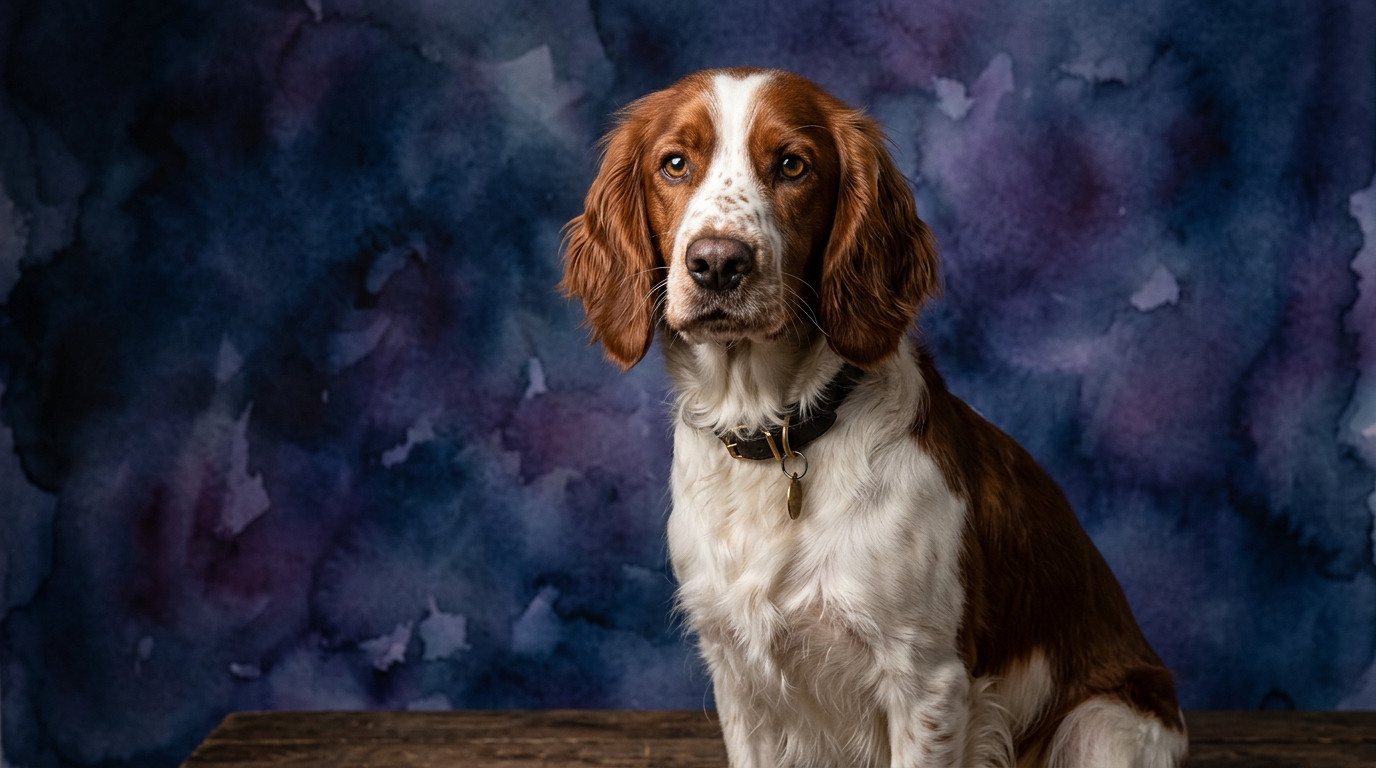
Despite their identical raw IQ scores, the Welsh Springer Spaniel often demonstrates a cognitive edge in scenarios demanding a particular blend of focused attention and empathetic responsiveness. Their strength lies in applying their 4/5 Problem Solving and 4/5 Memory within a more handler-centric framework. A Welsh Springer excels when the problem involves intricate work in close proximity to a human, such as meticulously flushing game from dense underbrush while consistently checking back for guidance.
Their social intelligence, while rated 3/5, often manifests as a keen desire to please and a sensitivity to their handler's mood, which can translate into a more cooperative problem-solving style. For instance, in an obedience trial or an agility course, a Welsh Springer might leverage its memory and problem-solving to quickly adjust to an unexpected sequence or a subtle body cue from its handler, prioritizing teamwork over independent exploration. This isn't to say they lack independence, but their problem-solving often integrates a strong 'what does my human want?' component, making them particularly adept at tasks requiring precise, collaborative execution and rapid adjustments based on human feedback.
Where the German Wirehaired Pointer Wins Cognitively
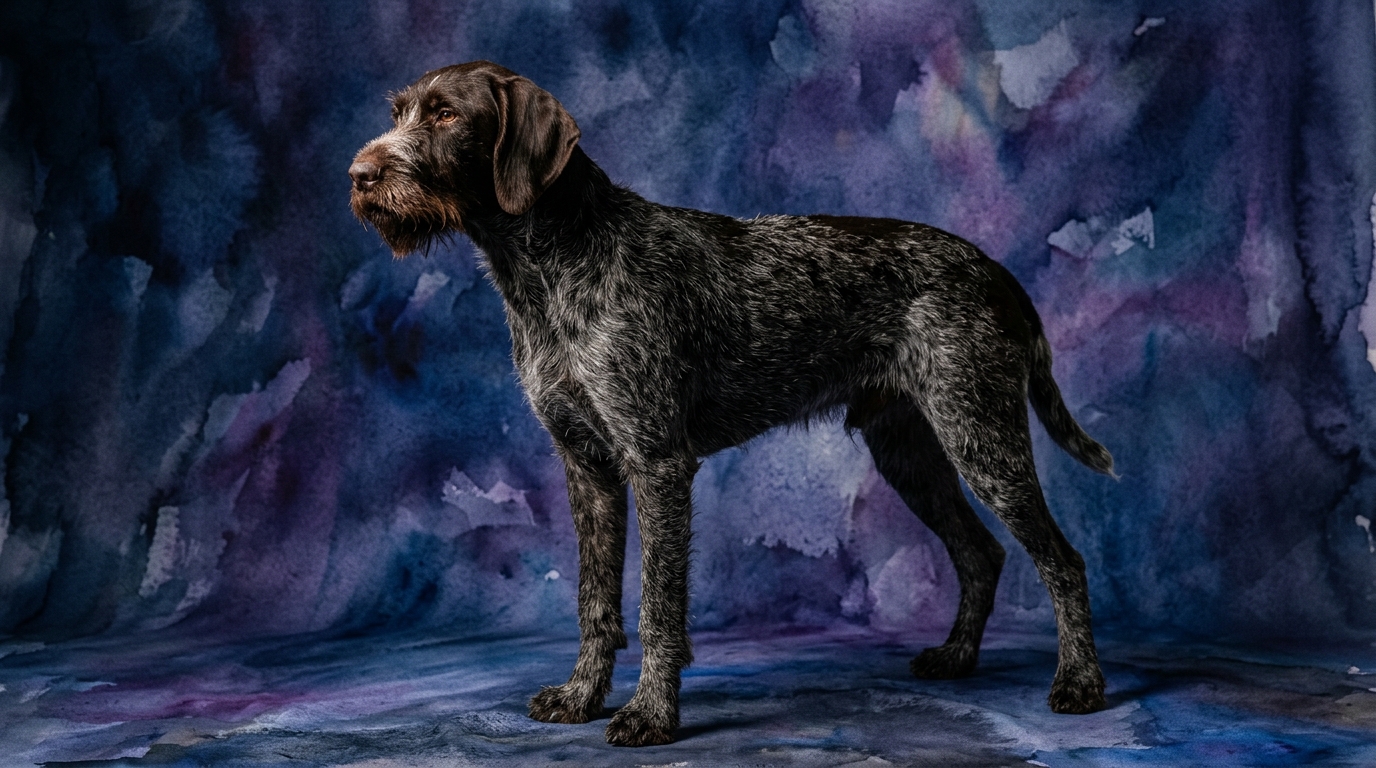
Conversely, the German Wirehaired Pointer's cognitive strengths shine brightest in tasks demanding independent decision-making, tenacity, and a broad application of their 4/5 Problem Solving and 3/5 Instinctive Drive across diverse environments. While sharing the same raw scores, the GWP typically applies its intellect with a greater emphasis on autonomous action and persistent pursuit. Their problem-solving capabilities are often geared towards overcoming environmental challenges – tracking a complex scent trail across varied terrain, strategizing how to navigate dense cover to retrieve downed game, or using their memory to retrace steps when a scent is lost.
Their 3/5 instinctive drive is profoundly channeled into their versatile hunting role, fostering a self-reliance that allows them to make critical judgments in the field without constant handler intervention. A GWP might utilize its memory to recall past successful hunting strategies or apply its problem-solving to work out a new approach to a particularly wily pheasant, showcasing a robust, self-directed form of cognitive application. This breed excels when the challenge requires sustained, independent effort and an unwavering focus on the task at hand, often in more expansive or unpredictable settings.
Which is Easier to Train, and Why?
While both the Welsh Springer Spaniel and the German Wirehaired Pointer boast an impressive 4/5 Training Speed, the practical experience of training each breed can differ due to underlying temperament and behavioral nuances. The Welsh Springer Spaniel often presents as 'easier' for many owners because of their generally more amenable and eager-to-please disposition. Their social intelligence, while rated 3/5, frequently translates into a strong desire to cooperate and avoid conflict, making them highly receptive to positive reinforcement and quick to respond to cues.
They tend to be more sensitive to correction and thrive on praise, which can accelerate the bonding and learning process, especially for novice trainers. Their willingness to work closely with their handler means they often prioritize human direction, making complex sequences or nuanced commands relatively straightforward to teach. In contrast, the German Wirehaired Pointer, despite its identical training speed, often brings a more independent and sometimes stubborn streak to the training arena. Their potent 3/5 instinctive drive, coupled with a history of making autonomous decisions in the field, can mean they might challenge commands if they perceive a more 'efficient' or interesting path. While they learn quickly, their strong will requires a trainer who is consistent, patient, and adept at channeling their natural drive into desired behaviors. Training a GWP often involves more strategic motivation and a deeper understanding of their independent working mindset, making it potentially more challenging for those seeking a purely compliant learner, even if the raw learning capacity is identical.
Active Owners vs. Relaxed Owners: Matching Energy Levels
Neither the Welsh Springer Spaniel nor the German Wirehaired Pointer are suitable companions for truly 'relaxed' owners, as both are Sporting breeds with substantial exercise and mental stimulation requirements. However, they cater to different styles of active ownership. The Welsh Springer Spaniel is an excellent fit for active owners who enjoy consistent, varied exercise that often involves family participation. They thrive on activities like hiking, jogging, retrieving games in the yard, or participating in dog sports such as agility or obedience. Their need for exercise is significant, but it often integrates well with a family-oriented lifestyle, requiring daily outings and mental engagement that can be shared. They appreciate companionship during their activities and tend to be more content with structured play and regular walks, coupled with indoor mental challenges.
The German Wirehaired Pointer, on the other hand, demands a more intense and often more specialized form of activity. They are ideal for owners who are deeply committed to outdoor pursuits, especially those involving hunting, extensive hiking, trail running, or competitive field events. Their high 3/5 instinctive drive requires outlets that tap into their natural pointing, tracking, and retrieving abilities. A GWP needs not just physical exercise but also significant mental stimulation that mimics their ancestral work, often involving scent work or long, challenging excursions in varied terrain. Owners who can provide consistent, vigorous, and purpose-driven activity will find the GWP to be an unparalleled partner, whereas those seeking a less demanding active companion might find their independent drive overwhelming.
The Verdict
Choose the Welsh Springer Spaniel if you seek a highly trainable, cooperative companion who thrives on collaborative problem-solving and family-integrated activities, offering a sensitive yet robust partner for varied active pursuits.
Choose the German Wirehaired Pointer if you are an experienced, dedicated owner prepared to channel a powerful, independent drive into rigorous, purpose-driven activities like hunting or competitive field work, appreciating a partner who applies its intellect with tenacious self-reliance.
🧠 Find Your Pet's IQ Score
Our Pet IQ Lab assessment covers 25+ tests across 5 cognitive dimensions — personalized to your breed.
Take the Full IQ Test →Frequently Asked Questions
Are Welsh Springer Spaniels good with children?
Yes, Welsh Springer Spaniels are generally known for their gentle and patient temperament with children, often forming strong bonds. Their social intelligence allows them to integrate well into family dynamics, provided they receive appropriate socialization and exercise.
Do German Wirehaired Pointers shed a lot?
German Wirehaired Pointers have a dense, wiry coat that sheds moderately. Regular brushing, especially during shedding seasons, helps manage loose hair and maintain coat health, but they are not considered heavy shedder.
Which breed is more vocal?
Both breeds can be vocal, but the German Wirehaired Pointer might be more prone to baying or barking, especially when engaged in scent work or if under-exercised, due to their strong instinctive drive. Welsh Springers tend to be more moderate, barking as an alert or when excited.