
Side-by-Side Cognitive Profiles
The Cosmic Pet Pet IQ Lab assesses canine intelligence across five critical dimensions, revealing distinct strengths in each breed. For the Welsh Springer Spaniel, a Coren rank of #31 places them among the more adept learners, reflecting a strong capacity for understanding and executing human commands. Their Problem Solving is rated at 4/5, indicating a solid ability to navigate novel situations and figure out solutions, often with an eye towards human collaboration. Training Speed also scores 4/5, suggesting they grasp new cues and routines with relative swiftness, eager to engage in structured learning. Social Intelligence sits at 3/5, meaning they are generally attuned to human emotional states and social dynamics, though perhaps not as acutely as some other breeds. Their Instinctive Drive is 3/5, reflecting a moderate prey drive and strong retrieving instincts typical of a flushing spaniel, but manageable within a domestic setting. Memory is a robust 4/5, allowing them to retain learned behaviors and recall complex sequences over time, crucial for field work and obedience.
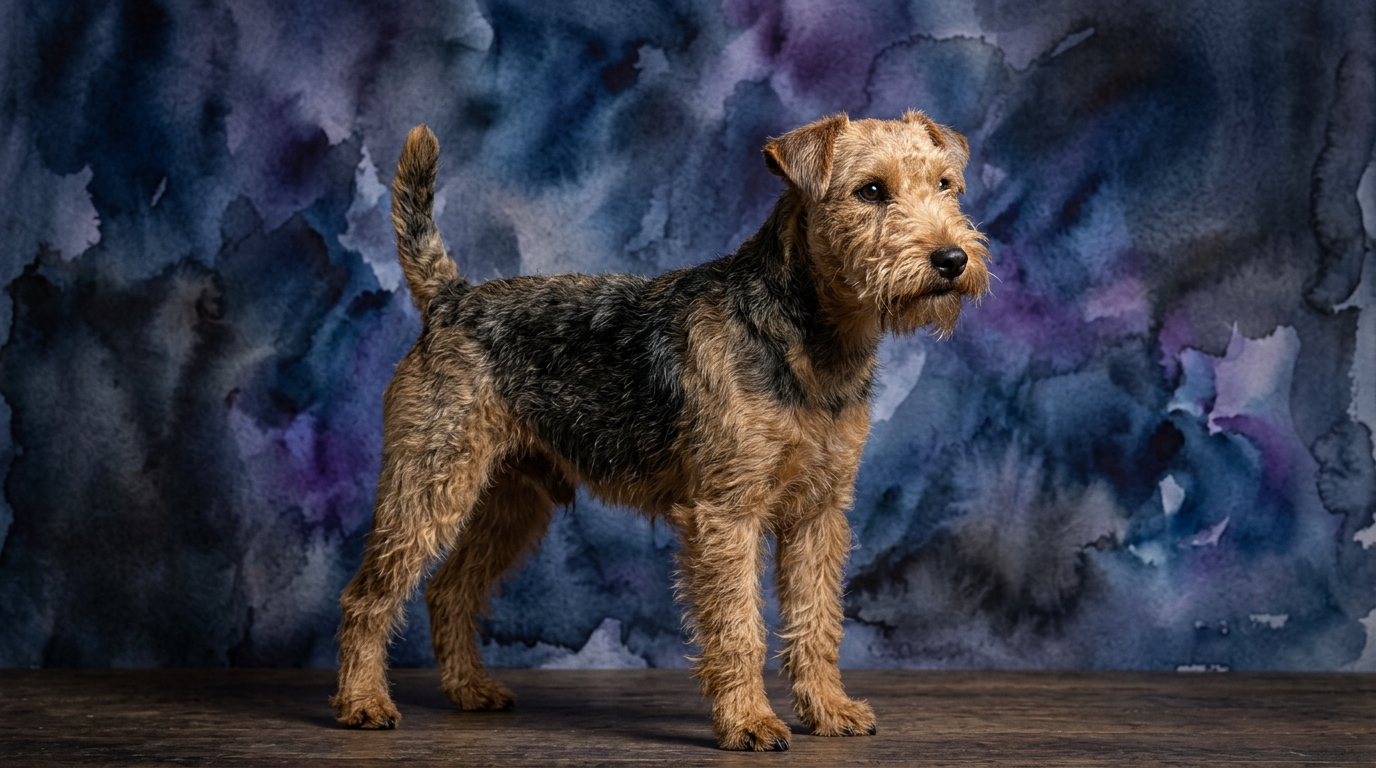
The Lakeland Terrier, while not holding a specific Coren rank, presents a different cognitive blueprint, shaped by its history as a fearless vermin hunter. Their Problem Solving is rated 3/5; while they are certainly resourceful and capable of independent thought, their solutions might be more self-serving or instinct-driven rather than aimed at pleasing a handler. Training Speed also scores 3/5, indicating that while they can learn, it often requires more patience and repetition due to their independent streak and occasional stubbornness. Social Intelligence is 3/5, similar to the Welsh Springer, meaning they can read human cues but are often more focused on their own agenda or the immediate environment. Instinctive Drive is 3/5, which for a terrier translates to a strong, persistent drive to chase, dig, and hunt, often overriding other considerations. Memory is 3/5, suggesting they retain information adequately, but their independent nature might sometimes make it seem like they've 'forgotten' a command if a more compelling instinct takes over.
Where the Welsh Springer Spaniel Excels Cognitively
The Welsh Springer Spaniel clearly demonstrates an advantage in areas requiring cooperative engagement and structured learning. Their Problem Solving score of 4/5, coupled with a 4/5 in Training Speed, means they are often quicker to understand complex tasks and more willing to work alongside their human partners to achieve a goal. For instance, a Welsh Springer is more likely to methodically figure out how to open a puzzle feeder or retrieve a specific item on command, driven by a desire for positive interaction. This cognitive profile makes them particularly adept at activities like competitive obedience, agility, and scent work, where precise execution and rapid learning are paramount. Their 4/5 Memory ensures that once a concept is learned, it tends to stick, minimizing the need for constant reteaching and allowing for the progressive accumulation of skills. This capacity for consistent recall is invaluable for maintaining a well-mannered household companion or a reliable working dog.
Where the Lakeland Terrier's Cognition Shines
While the Lakeland Terrier's scores are generally lower in human-centric metrics, their cognitive strengths lie in their tenacity and self-directed problem-solving, particularly when it comes to their instinctive drives. Their 3/5 Problem Solving score, though lower than the Spaniel's, reflects a resourceful independence that is highly effective in tasks requiring self-reliance rather than handler instruction. A Lakeland might not be as quick to solve a puzzle for a treat from a human, but they will exhibit remarkable ingenuity in figuring out how to pursue a scent trail or navigate an obstacle course to reach a perceived 'prey.' Their 3/5 Instinctive Drive is not just a score; it's a powerful cognitive engine that fuels persistent focus on a task, like digging out a burrow or navigating dense undergrowth. This single-minded determination, while sometimes challenging in a domestic setting, is a testament to their specialized intelligence for their original purpose. They excel in scenarios demanding grit, independent decision-making, and an unwavering commitment to a self-assigned mission, making them formidable in earthdog trials or real-world pest control.
Ease of Training: A Tale of Two Temperaments
When it comes to training, the Welsh Springer Spaniel generally presents a more straightforward experience due to their higher scores in Training Speed (4/5) and Memory (4/5). Their cooperative nature and desire to please their handler mean they are often eager to learn and respond well to positive reinforcement. They pick up new commands quickly and are typically consistent in their responses, making them a joy to train in disciplines like obedience or field work. A Welsh Springer's focus is usually directed towards their human, making them more amenable to instruction and less prone to distraction.
In contrast, the Lakeland Terrier's training journey can be more demanding, influenced by their 3/5 scores in both Training Speed and Memory, combined with their strong independent streak. While capable of learning, they require greater patience and consistency. A Lakeland might understand a command perfectly well but choose not to comply if something more interesting (like a squirrel) captures their attention. Their inherent tenacity, while a strength in the field, can translate into stubbornness during training sessions. Effective training for a Lakeland often involves making lessons highly engaging, short, and varied, leveraging their prey drive in a controlled manner, and accepting that perfect, instant obedience might not always be their priority.
Matching Breeds to Lifestyles: Active vs. Relaxed Owners
Both breeds are active dogs, but the *nature* of their activity requirements differs, making them suitable for different kinds of energetic owners. The Welsh Springer Spaniel thrives with owners who enjoy structured activities and outdoor adventures. Their background as flushing and retrieving dogs means they need consistent exercise that engages both their bodies and minds, such as long hikes, retrieving games, or participation in dog sports like agility or flyball. They are generally happy to participate in family activities, enjoying companionship while expending energy. Owners who are active and enjoy having a canine partner for their pursuits will find the Welsh Springer Spaniel a willing and enthusiastic companion, but their energy needs are not overwhelming to the point of being destructive if adequately met.
The Lakeland Terrier also requires an active owner, but one who understands and can manage a terrier's unique drives. Their energy is often expressed through bursts of intense activity, digging, chasing, and exploring. They need outlets for their instinctive drives, which might involve earthdog trials, extensive walks exploring varied terrains, or robust play sessions that mimic hunting scenarios. While they enjoy human company, their independent nature means they might be more inclined to 'do their own thing' on a walk rather than staying strictly by an owner's side. Relaxed owners, or those seeking a purely sedentary companion, would likely find either breed challenging, but the Lakeland Terrier’s intense, self-directed energy and strong prey drive demand an owner who is not only active but also committed to consistent training and management of their specific terrier instincts.
The Verdict: When to Choose Each Breed
The Verdict
Choose the Welsh Springer Spaniel if you desire a cooperative, biddable companion eager to learn and participate in structured activities, valuing a strong recall and consistent obedience. They are ideal for active individuals or families who enjoy training and want a dog that thrives on collaborative engagement.
Opt for the Lakeland Terrier if you appreciate an independent, tenacious spirit and are prepared to channel their strong instincts into appropriate outlets, valuing grit and self-reliance over unwavering obedience. They suit experienced, active owners who understand terrier temperament and can provide consistent, engaging training and mental stimulation.
🧠 Find Your Pet's IQ Score
Our Pet IQ Lab assessment covers 25+ tests across 5 cognitive dimensions — personalized to your breed.
Take the Full IQ Test →Frequently Asked Questions
Which breed is easier to train for a first-time dog owner?
The Welsh Springer Spaniel is generally a better choice for first-time dog owners due to their higher training speed and desire to please. Their cooperative nature makes them more forgiving of novice training mistakes and quicker to respond to cues, offering a more encouraging training experience.
Do both breeds require a lot of exercise?
Yes, both breeds are active and require substantial daily exercise to remain happy and well-adjusted. The Welsh Springer Spaniel benefits from structured activities like retrieving or hiking, while the Lakeland Terrier needs outlets for chasing, digging, and exploring to satisfy their terrier instincts.
Are these breeds good with children?
Both breeds can be good with children, but proper socialization and supervision are key. Welsh Springer Spaniels are typically gentle and playful, fitting well into active family life. Lakeland Terriers, with their independent and sometimes boisterous nature, require careful introduction and boundary setting to ensure harmonious interactions with kids.