Side-by-Side IQ Profile
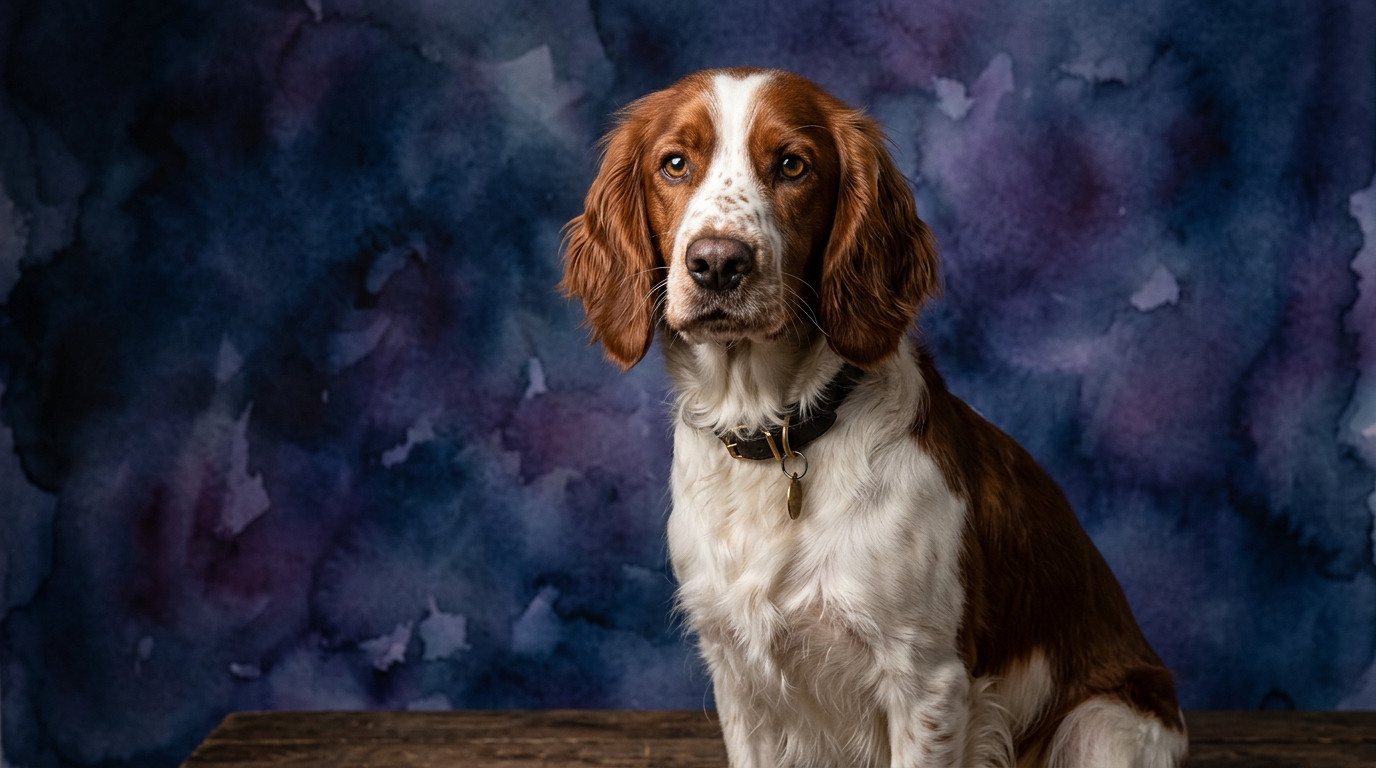
The Welsh Springer Spaniel, a member of the Sporting group and notably Coren rank #31, presents a cognitive profile geared towards collaborative work. Its Problem Solving is rated 4/5, indicating a strong capacity for figuring out novel situations and adapting strategies, reflecting its history of independent yet collaborative field work. Training Speed, also 4/5, signifies that it picks up new commands and routines with impressive swiftness, often requiring fewer repetitions than many other breeds. Social Intelligence is 3/5, meaning it is adept at reading human intentions and emotional states, fostering a responsive partnership, though perhaps less universally outgoing than some breeds. Its Instinctive Drive at 3/5 points to a balanced drive for scent work and retrieving, a measured persistence in its original duties without being overwhelming. Finally, Memory, at 4/5, demonstrates excellent retention of learned behaviors, commands, and environmental cues, contributing to its reliability in various tasks.
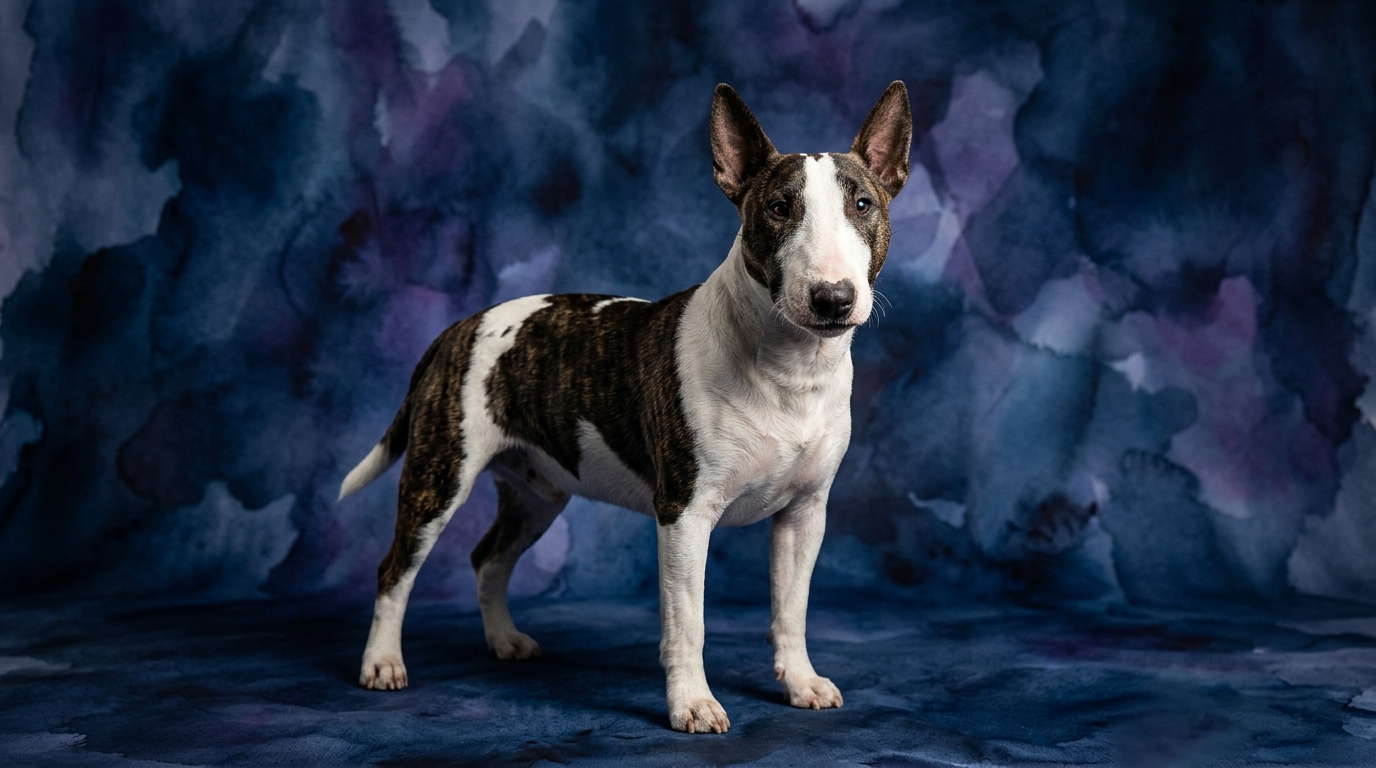
In contrast, the Miniature Bull Terrier, a Terrier breed not specifically Coren-ranked, showcases a distinct set of mental attributes. Its Problem Solving is rated 3/5, meaning it approaches challenges with a tenacious spirit, often employing persistence and a degree of trial-and-error to reach solutions, reflecting its independent hunting heritage. Training Speed is 3/5, indicating it learns at a moderate pace, capable of mastering commands but sometimes requiring more consistent motivation and creative approaches to maintain focus. Social Intelligence is also 3/5; while capable of understanding human signals, their strong-willed nature means they often choose whether to comply based on their own assessment of the situation, leading to a sometimes selective responsiveness. Instinctive Drive, 3/5, characterizes a robust terrier drive, including strong prey instincts and a determined focus on tasks that engage their natural urges like digging or chasing. Memory, at 3/5, retains information adequately, remembering commands and past experiences, but may require refreshers or consistent reinforcement to ensure long-term, reliable recall.
Where Welsh Springer Spaniel Wins Cognitively
The Welsh Springer Spaniel consistently demonstrates cognitive strengths that position it favorably in structured learning environments and collaborative tasks. Its 4/5 rating in Problem Solving signifies an innate ability to analyze new situations and devise effective strategies, whether navigating complex agility courses or figuring out how to retrieve an item from a tricky spot; this isn't just brute force, but often an elegant, efficient solution.
Coupled with its 4/5 Training Speed, the Welsh Springer Spaniel absorbs new commands and sequences with remarkable alacrity, making it a joy to teach advanced obedience or intricate field work; owners often report a 'lightbulb moment' where the dog grasps a concept quickly, requiring fewer repetitions than many other breeds.
Furthermore, its 4/5 Memory ensures that these learned behaviors are not fleeting; once a Welsh Springer Spaniel understands a command or routine, it tends to stick, leading to consistent performance over time, which is invaluable in maintaining reliable performance in any discipline.
This combination of quick learning, effective problem-solving, and robust memory makes the Welsh Springer Spaniel particularly adept at pursuits requiring sustained mental engagement and precise execution, reflecting its heritage as a cooperative hunting companion.
Where Miniature Bull Terrier Wins Cognitively
While the Miniature Bull Terrier’s IQ profile doesn't boast higher numerical scores in comparison, its cognitive strengths lie in their unique application and intensity, particularly within their instinctive drives. Their 3/5 in Problem Solving, while numerically lower, manifests as a distinct brand of tenacity; they might not find the most elegant solution first, but they are incredibly persistent, often wearing down a challenge through sheer will and determination rather than giving up.
This unwavering focus, especially when engaged in an activity that genuinely captures their interest, can be a profound cognitive asset; for instance, in scent work or 'find it' games, their terrier drive (rated 3/5) propels them to pursue a goal with singular purpose, ignoring distractions that might deter a more biddable breed.
Their 3/5 Social Intelligence, combined with this tenacity, means they form incredibly deep, albeit sometimes selective, bonds with their chosen humans; they are adept at reading the nuances of their owner's mood, and while they might not always comply immediately, their understanding is present, leading to a profound connection built on mutual respect and a shared adventurous spirit.
This breed’s unique cognitive 'win' is in its independent spirit and resilience; they are not easily discouraged and possess an internal drive that allows them to excel in tasks requiring perseverance and a certain level of self-directed motivation, making them formidable partners for those who appreciate a dog with strong character.
Which is Easier to Train and Why
When assessing ease of training, the Welsh Springer Spaniel clearly holds an advantage, primarily due to its higher Training Speed (4/5) and Problem Solving (4/5) ratings. This breed was developed to work closely with hunters, requiring them to be highly responsive to commands, quick to learn complex sequences, and eager to please their human companions. Their inherent biddability means they generally approach training sessions with enthusiasm and a desire to cooperate, often picking up new cues after just a few repetitions.
In contrast, the Miniature Bull Terrier, with 3/5 ratings in both Training Speed and Problem Solving, presents a more significant training challenge. Their terrier heritage instilled a strong sense of independence and self-reliance; they were bred to think for themselves, often making their own decisions in the field rather than constantly deferring to human direction. This manifests as a potential for stubbornness during training; while they are certainly capable of learning, they require an owner who can make training engaging, consistent, and creatively motivating to overcome their independent streak.
Real behavioral differences highlight this disparity: a Welsh Springer might quickly learn a multi-step retrieve, while a Miniature Bull Terrier might decide that 'sit' is optional if a more interesting scent or squirrel presents itself. Success with a Miniature Bull Terrier often hinges on building a strong, trust-based relationship and using positive reinforcement techniques that tap into their innate drives, rather than relying on rote obedience.
Which Suits Active Owners vs Relaxed Owners
Determining which breed suits an active versus a relaxed owner depends not just on energy levels, but on the type of mental and physical engagement each dog requires. The Welsh Springer Spaniel, with its sporting background, thrives with owners who can provide consistent, structured activity that engages both body and mind. This includes daily vigorous exercise like long runs or hikes, coupled with mental challenges such as obedience training, agility, scent work, or even field trials. They are partners in activity, eager to participate in shared adventures and benefit immensely from owners who appreciate their cooperative spirit and provide outlets for their intelligent drive.
The Miniature Bull Terrier also requires a substantial amount of activity, but their needs are often channeled differently. Their 3/5 Instinctive Drive points to a desire for vigorous play, opportunities to dig (if allowed), and games that tap into their prey drive, like flirt poles or chasing balls. They might be less interested in repetitive obedience drills and more in spontaneous, engaging play. A truly relaxed owner, one who prefers minimal interaction and expects a dog to entertain itself, would likely struggle with both breeds, but perhaps more so with the Miniature Bull Terrier, whose independent spirit and determination can lead to destructive behaviors if not adequately stimulated and managed.
For owners leaning towards 'relaxed,' neither breed is a couch potato. However, the Welsh Springer Spaniel's biddable nature means its energy is often easier to direct into constructive activities, making it a slightly more manageable choice for an owner who is active but perhaps less experienced with strong-willed breeds. The Miniature Bull Terrier demands an owner who is not only active but also firm, consistent, and creative in channeling their unique terrier energy and mental tenacity.
The Verdict
Choose the Welsh Springer Spaniel if you value a highly trainable, cooperative companion eager to engage in structured activities and partnership, appreciating a dog that learns quickly and remembers reliably.
Opt for the Miniature Bull Terrier if you admire a tenacious, independent spirit and are prepared for a consistent, creative training approach, valuing a dog with deep loyalty and a unique, persistent approach to life.
🧠 Find Your Pet's IQ Score
Our Pet IQ Lab assessment covers 25+ tests across 5 cognitive dimensions — personalized to your breed.
Take the Full IQ Test →Frequently Asked Questions
Is the Welsh Springer Spaniel good for first-time dog owners?
Yes, their biddable nature, eagerness to please, and relatively high training speed make them a suitable choice for first-time owners willing to dedicate time to consistent training and exercise. They are generally forgiving of minor mistakes and keen to learn.
Do Miniature Bull Terriers get along with other pets?
Miniature Bull Terriers possess a strong prey drive and can be selective with other dogs, making early and continuous socialization crucial. Introductions to other pets should always be supervised and managed carefully, especially with smaller animals.
How much exercise does a Welsh Springer Spaniel need daily?
A Welsh Springer Spaniel typically requires at least one to two hours of vigorous exercise daily, ideally incorporating mental stimulation like training, retrieving games, or long walks/runs in varied environments. They thrive on having a 'job' to do.