
Side-by-Side Cognitive Profile
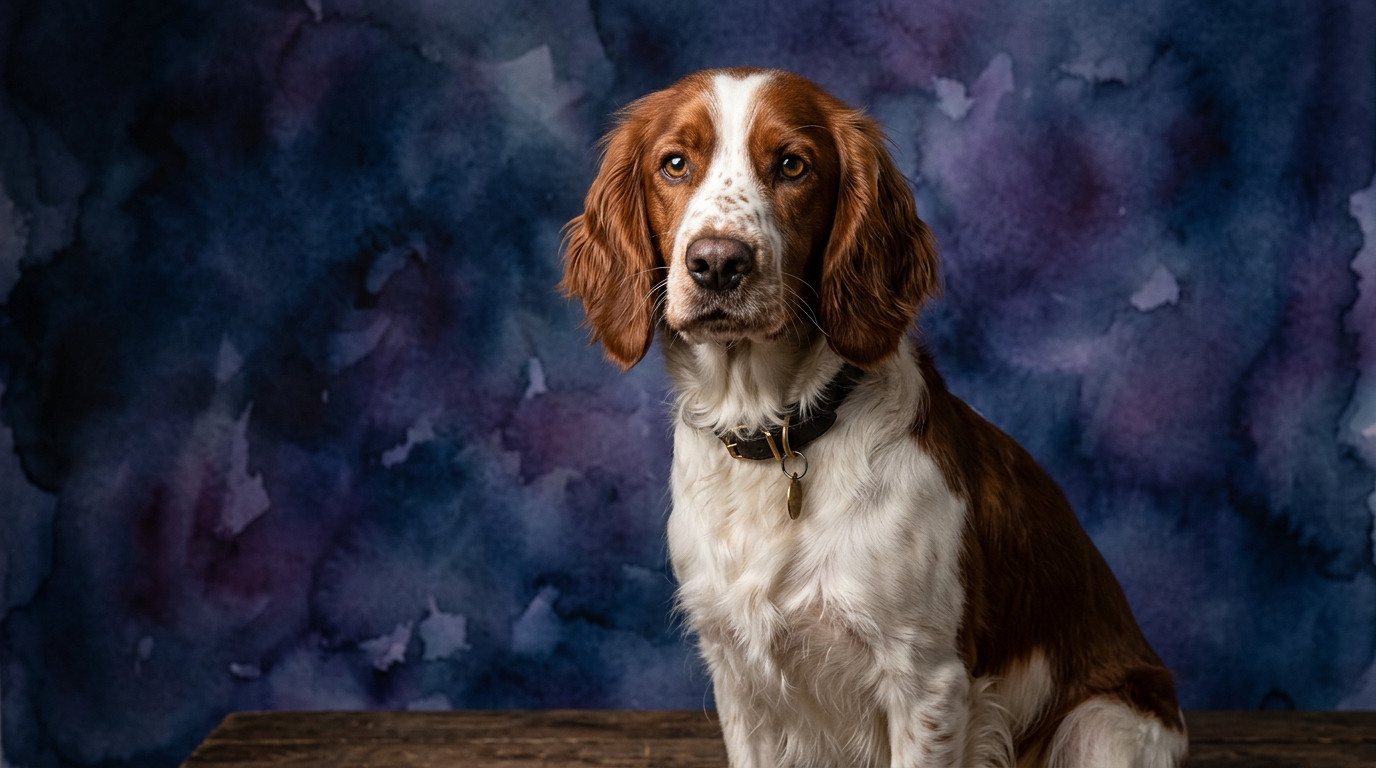
The Cosmic Pet Pet IQ Lab offers a detailed breakdown of each breed's cognitive strengths, using a 1-5 scale across five key dimensions. For the Welsh Springer Spaniel, a Coren-ranked breed at #31, their profile is robust: Problem Solving 4/5, Training Speed 4/5, Social Intelligence 3/5, Instinctive Drive 3/5, and Memory 4/5. This indicates a dog with strong analytical capabilities and a quick learning curve.
In contrast, the Rat Terrier, currently unranked by Coren, presents a different cognitive signature. Their scores are consistently 3/5 across the board: Problem Solving 3/5, Training Speed 3/5, Social Intelligence 3/5, Instinctive Drive 3/5, and Memory 3/5. This suggests a breed with solid, consistent cognitive abilities, perhaps less specialized but still capable across various mental tasks. Understanding these nuances helps us appreciate the distinct ways each breed perceives and interacts with their world.
Where the Welsh Springer Spaniel Excels Cognitively
The Welsh Springer Spaniel demonstrates a clear cognitive advantage in the realm of structured learning and retention. Their superior problem-solving score of 4/5 indicates a breed that excels at dissecting complex tasks and applying learned principles to new scenarios, often figuring out intricate puzzle toys or navigating multi-stage obedience drills with a purposeful approach. This analytical capability is complemented by a training speed rating of 4/5, meaning they typically absorb new commands and routines with impressive efficiency, requiring fewer repetitions to solidify a behavior.
Furthermore, their memory score of 4/5 ensures that once a skill is acquired, it tends to stick, making retraining or refreshing commands a less demanding endeavor over time. This combination allows them to build a broad repertoire of learned behaviors and confidently execute them, a hallmark of their Coren ranking. Their social intelligence, rated 3/5, ensures they are generally receptive to human guidance, further enhancing their capacity for collaborative learning and performance in diverse environments.
Where the Rat Terrier Shines Cognitively
While the Rat Terrier might not achieve the same high scores in structured cognitive tests, their true strengths lie in a different kind of intelligence – a tenacious, practical, and often independent wit. Their problem-solving score of 3/5, while numerically lower, reflects an ability to quickly assess and adapt to immediate environmental challenges, particularly those related to their terrier instincts. This often manifests as clever strategies to access forbidden areas, outsmart small prey, or manipulate objects to their advantage.
Their instinctive drive, also rated 3/5, is a powerful cognitive engine, fueling a persistent focus on tasks they deem important, even if it means employing unconventional tactics. This persistence, combined with their social intelligence score of 3/5, allows them to observe and learn from their environment with a focused intensity, developing unique solutions rooted in their immediate needs and motivations rather than abstract reasoning. They excel at figuring out practical 'how-to' problems within their world, often showcasing a resourceful ingenuity that can be both charming and challenging.
Trainability: Welsh Springer Spaniel vs. Rat Terrier
When evaluating ease of training, the Welsh Springer Spaniel generally presents a more straightforward experience due to their higher training speed and memory scores. Their inherent desire to work collaboratively and their quick grasp of new concepts (4/5 training speed) mean they typically learn commands rapidly and retain them well (4/5 memory). They tend to be more eager to please and less prone to independent decision-making during training sessions, making them responsive to positive reinforcement and consistent guidance. Their moderate instinctive drive (3/5) is manageable, allowing them to focus on tasks without being excessively distracted by environmental stimuli.
In contrast, the Rat Terrier, with a 3/5 in both training speed and memory, requires a more patient and nuanced approach. While capable of learning, their independent terrier spirit and strong instinctive drive (3/5) can sometimes lead to selective hearing or a preference for pursuing their own interests. Training a Rat Terrier often involves finding ways to channel their natural tenacity and prey drive into desired behaviors, rather than relying solely on compliance. Their problem-solving (3/5) often manifests in finding ways around commands if not consistently reinforced, requiring trainers to be one step ahead and to make training engaging and rewarding to overcome their occasional stubborn streak.
Suitability for Active vs. Relaxed Owners
For active owners seeking a canine partner for extensive outdoor pursuits or structured activities, the Welsh Springer Spaniel is an exceptional match. Their sporting background demands significant physical exercise, but equally important is their cognitive need for engagement, thriving on tasks that utilize their problem-solving and training speed. They excel in activities like agility, obedience, and field work, requiring owners who can provide consistent mental stimulation alongside vigorous exercise. A relaxed owner, however, might find their energy and cognitive demands overwhelming, potentially leading to boredom-induced behaviors.
The Rat Terrier also possesses substantial energy and an active mind, largely driven by their terrier instincts. While they can adapt to smaller living spaces more readily than a Spaniel, they still require consistent physical outlets and mental challenges to prevent boredom and destructive behaviors. Their problem-solving skills and instinctive drive mean they need tasks that satisfy their innate curiosity and hunting urges, whether it's vigorous play, digging opportunities, or scent games. Therefore, neither breed is truly suited for a 'relaxed' owner who prefers minimal engagement; both thrive with active, involved individuals, though the Rat Terrier's activity might be more focused on independent exploration and shorter, intense bursts of play rather than sustained endurance.
The Verdict
Opt for the Welsh Springer Spaniel if you desire a highly trainable, eager-to-please companion for structured activities, field work, or advanced obedience, appreciating their quick learning and reliable memory.
Select the Rat Terrier if you are drawn to a tenacious, witty, and independent companion, prepared to engage their practical problem-solving and strong terrier instincts with consistent, creative training.
🧠 Find Your Pet's IQ Score
Our Pet IQ Lab assessment covers 25+ tests across 5 cognitive dimensions — personalized to your breed.
Take the Full IQ Test →Frequently Asked Questions
Is the Welsh Springer Spaniel difficult to live with?
No, their high trainability and social intelligence make them generally adaptable family companions, provided their significant needs for physical exercise and mental engagement are consistently met. Without proper outlets, their energy and cognitive drive can lead to boredom-related behaviors.
Do Rat Terriers need a lot of exercise?
Absolutely, despite their smaller size, Rat Terriers are energetic and require daily vigorous exercise, including walks, playtime, and opportunities for mental stimulation. Their strong instinctive drive means they benefit from activities that engage their hunting instincts, like scent work or puzzle toys.
Which breed is better for first-time dog owners?
The Welsh Springer Spaniel, with its higher training speed and eagerness to please, might be a more forgiving choice for a dedicated first-time owner willing to commit to their exercise and training needs. The Rat Terrier's independent nature and strong instincts can be more challenging for an inexperienced handler.