Side-by-Side Cognitive Profiles
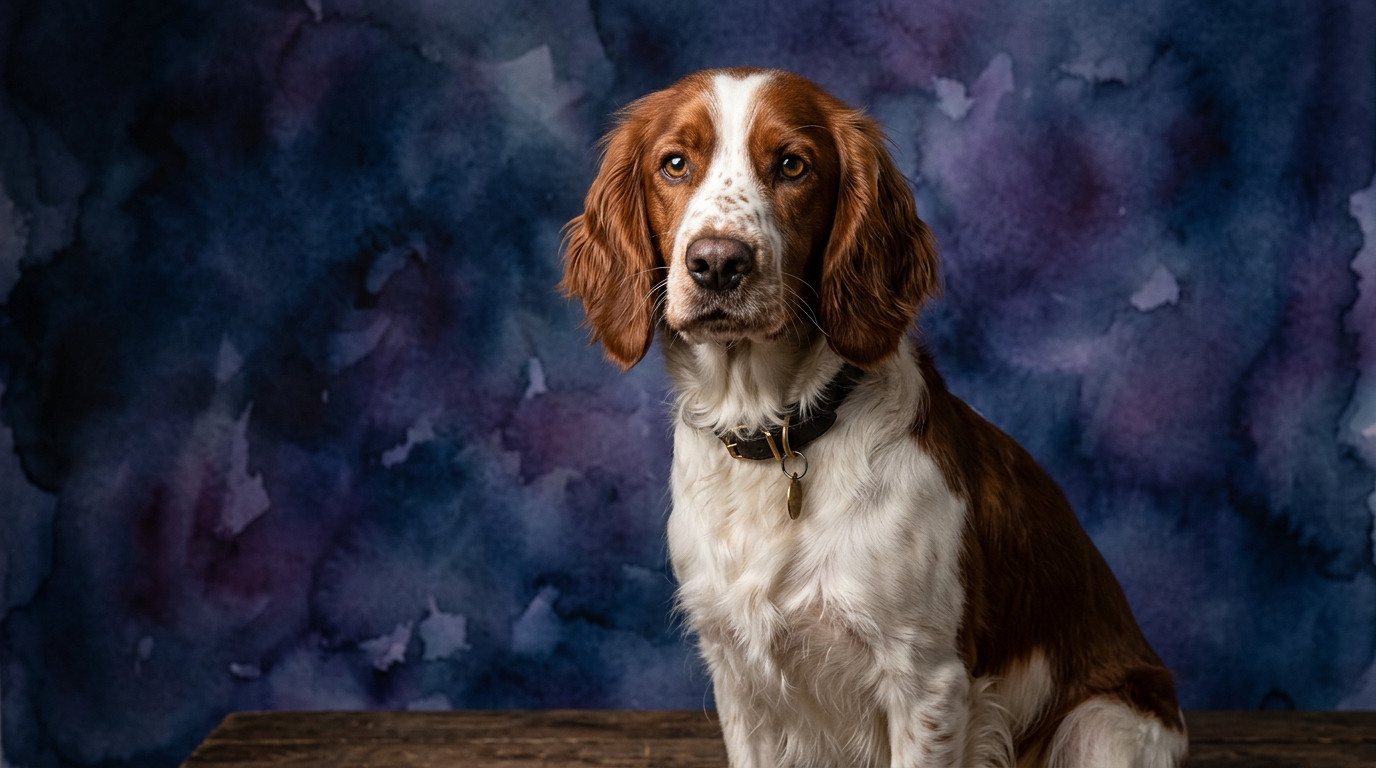
The Welsh Springer Spaniel, a vibrant member of the Sporting Group, demonstrates a cognitive profile optimized for partnership and purpose. Its Problem Solving ability stands at a robust 4/5, indicating an aptitude for navigating complex situations, often in pursuit of a goal like retrieving. This breed's Training Speed also rates 4/5, reflecting a keenness to learn and a responsiveness to instruction, making it a generally cooperative pupil. Social Intelligence scores 3/5, suggesting a strong capacity for bonding and understanding human cues, though perhaps with a focus on its primary handlers rather than universal friendliness. Its Instinctive Drive, at 3/5, is channeled towards traditional spaniel tasks such as flushing and retrieving game, displaying a focused persistence. Finally, a Memory score of 4/5 underpins its ability to retain commands, routines, and environmental details, contributing to its reliability in the field and at home.
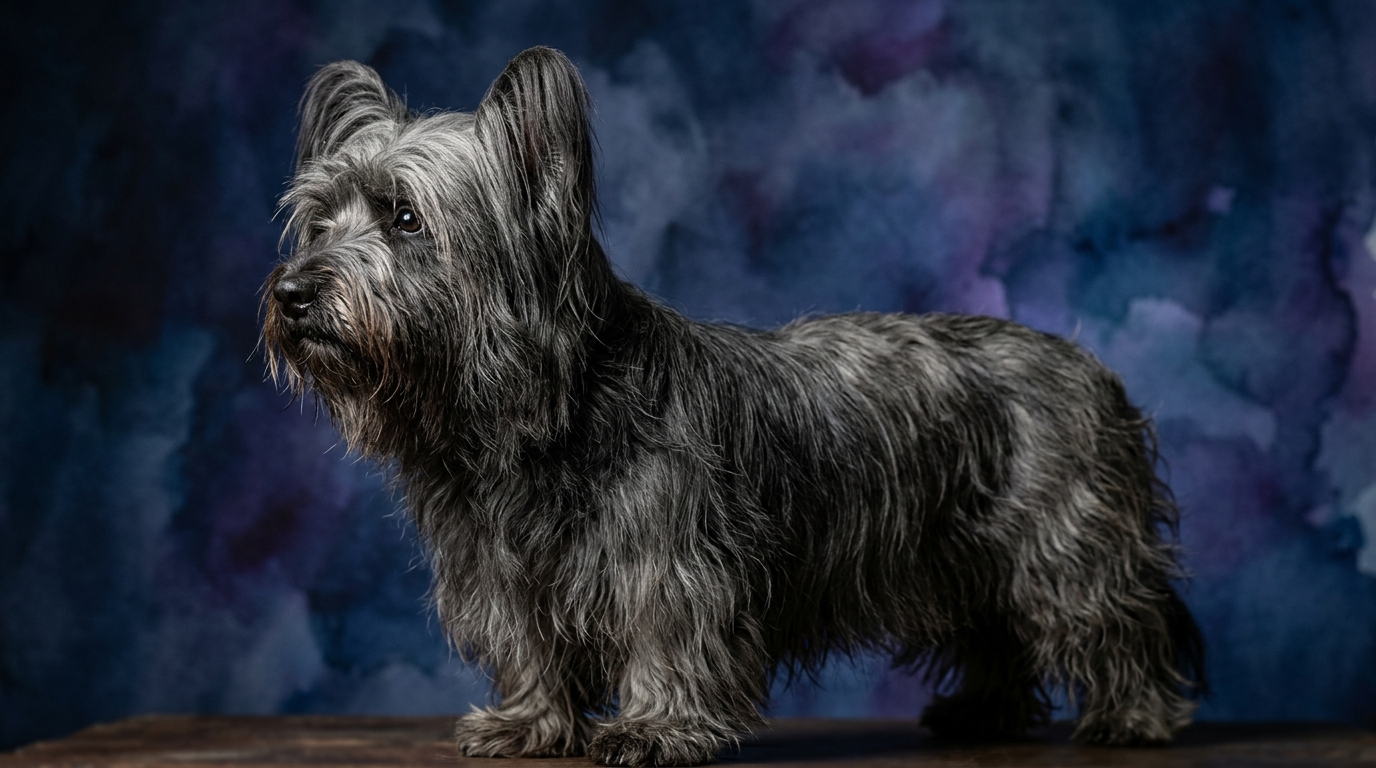
In contrast, the Skye Terrier, hailing from the Terrier Group, presents a cognitive makeup shaped by its independent, tenacious heritage. Its Problem Solving capability is rated 3/5, indicating it can navigate challenges, but often with a characteristic terrier determination that might prioritize its own agenda over a handler's. Training Speed also sits at 3/5, meaning the Skye Terrier is capable of learning, but typically requires more patience and consistency due to its inherent independence and less pronounced eagerness to please. Social Intelligence, matching the Welsh Springer Spaniel at 3/5, points to deep, loyal bonds with its chosen family, though it is often reserved and discerning with strangers. The Instinctive Drive, also 3/5, manifests as a strong, inherent motivation for digging, chasing small prey, and asserting its will, a hallmark of the terrier temperament. Its Memory score of 3/5 suggests it retains information adequately, but might require more consistent reinforcement for complex behaviors, or perhaps remembers specific experiences with its own unique interpretation.
Where the Welsh Springer Spaniel Excels Cognitively
The Welsh Springer Spaniel clearly outpaces the Skye Terrier in areas demanding rapid assimilation of information and flexible problem-solving, particularly when a human-directed goal is involved. Its 4/5 Problem Solving capacity means it's quicker to adapt to new tasks, figure out how to access a desired object, or navigate a novel environment with less trial and error than its terrier counterpart. This makes it a more fluid and less rigid problem-solver, benefiting from its cooperative nature. This breed's superior Training Speed (4/5) is a direct reflection of its eager-to-please disposition and inherent desire to work alongside its human. It grasps new commands with fewer repetitions and maintains a higher level of focus during training sessions, translating into faster skill acquisition and more nuanced responses to complex sequences of commands. This cognitive advantage makes the Welsh Springer Spaniel an excellent candidate for activities requiring precision and responsiveness, such as competitive obedience, agility, or advanced field work, where quick, accurate decisions are paramount.
Where the Skye Terrier Shows Unique Cognitive Strengths
While the Skye Terrier's scores are generally lower, its cognitive profile isn't without its own particular strengths, especially when viewed through the lens of its original purpose and independent spirit. The Skye Terrier's 3/5 in Problem Solving, combined with its tenacious Instinctive Drive (3/5), translates into a distinctive brand of persistence. Unlike the Welsh Springer Spaniel, which might seek a quicker, more efficient solution, the Skye Terrier is less likely to give up on a self-assigned task, such as investigating a scent or digging to reach a perceived target, demonstrating unwavering resolve. This tenacity, while sometimes challenging in training, means the Skye Terrier possesses an internal drive that doesn't solely rely on human direction or reward, but is fueled by its own deep-seated motivations. Its Social Intelligence, also 3/5, often manifests as a profoundly deep and singular bond with its chosen family, suggesting a capacity for selective, intense emotional connections rather than broad sociability. This focused devotion, combined with its independent problem-solving approach, means the Skye Terrier, while not always seeking to please, forms an incredibly loyal and discerning companion, whose affection is earned and deeply cherished.
Ease of Training: Welsh Springer Spaniel vs. Skye Terrier
When it comes to ease of training, the Welsh Springer Spaniel generally offers a smoother, more straightforward experience. Its 4/5 Training Speed and 4/5 Memory mean it absorbs new commands quickly and retains them effectively. Behavioral differences highlight this; Welsh Springers typically exhibit a strong desire to please their owners, making them highly motivated by positive reinforcement and praise. They are often more focused on handler cues and less prone to independent decision-making during training sessions. Their natural retrieving instincts and biddable nature translate into a willingness to work collaboratively, simplifying the process of teaching complex tasks or reliable recalls. They tend to be less easily distracted by environmental stimuli once engaged in training, maintaining attention for longer periods.
The Skye Terrier, with its 3/5 Training Speed and 3/5 Memory, presents a different training dynamic. This breed possesses a strong independent streak, a hallmark of its terrier heritage, which means it may question commands or decide if a given instruction aligns with its current objectives. While capable of learning, the Skye Terrier requires more patience, consistency, and creative motivational techniques to overcome its inherent self-reliance. They are less likely to perform solely to please and more likely to respond when they perceive a clear benefit to themselves. Their instinctive drive to dig or chase can be a powerful distraction, necessitating a focused and engaging training approach to maintain their interest. Owners must understand that a Skye Terrier might learn a command but choose not to execute it if it conflicts with a more pressing terrier impulse, demanding a nuanced approach that respects their unique will.
Suitability for Active vs. Relaxed Owners
For active owners seeking a dynamic and engaged canine partner, the Welsh Springer Spaniel is an excellent match. Its robust Problem Solving, quick Training Speed, and moderate Instinctive Drive mean it thrives on consistent physical activity and mental stimulation. This breed requires regular, vigorous exercise, such as long walks, runs, or retrieving games, to satisfy its sporting heritage and prevent boredom. Owners who enjoy dog sports like agility, obedience, or scent work will find the Welsh Springer Spaniel's cognitive agility and cooperative nature make it an enthusiastic and capable participant. Its adaptability and desire to be involved in family activities make it a joyful companion for those with an outdoorsy lifestyle, always ready for the next adventure.
The Skye Terrier, while not a sedentary dog, is generally better suited for owners who appreciate a more relaxed pace and a dog with a strong, independent personality. Its lower scores in Problem Solving and Training Speed, combined with its distinct instinctive drives, mean it doesn't necessarily require constant high-impact physical exertion in the same way a spaniel does. While daily walks and opportunities to explore are essential, the Skye Terrier often enjoys quiet companionship and independent exploration more than structured, high-energy activities. Owners who value a dog that is deeply devoted but also capable of entertaining itself, and who are content with a companion that is more reserved with strangers, will find the Skye Terrier's temperament appealing. Its social intelligence, focused on its inner circle, makes it a wonderful, albeit discerning, home companion for those seeking a loyal presence without the constant demand for external stimulation.
The Verdict
Choose the Welsh Springer Spaniel if you seek a highly trainable, adaptable, and cooperative companion for an active lifestyle, excelling in dog sports and outdoor adventures.
Opt for the Skye Terrier if you appreciate a deeply loyal, discerning, and independent companion who thrives on focused companionship and a more relaxed, but still engaging, home environment.
🧠 Find Your Pet's IQ Score
Our Pet IQ Lab assessment covers 25+ tests across 5 cognitive dimensions — personalized to your breed.
Take the Full IQ Test →Frequently Asked Questions
Which breed is generally easier for a first-time dog owner?
The Welsh Springer Spaniel is generally more forgiving for a first-time owner due to its higher training speed and eagerness to please, making it easier to manage and train without extensive prior experience. The Skye Terrier's independent nature can be more challenging for novices.
Do Welsh Springer Spaniels or Skye Terriers require more mental stimulation?
Both breeds benefit from mental stimulation, but the Welsh Springer Spaniel, with its higher problem-solving and memory scores, often requires more structured mental challenges like puzzle toys or training exercises to prevent boredom. The Skye Terrier's stimulation can be met through more independent exploration and scent work.
How do their social intelligence scores impact family life?
Both breeds score 3/5 in social intelligence, meaning they form strong bonds. The Welsh Springer Spaniel typically integrates well into an active family, being friendly and engaging. The Skye Terrier forms deep, often singular bonds with its primary people and can be more reserved with children or strangers, requiring careful socialization.