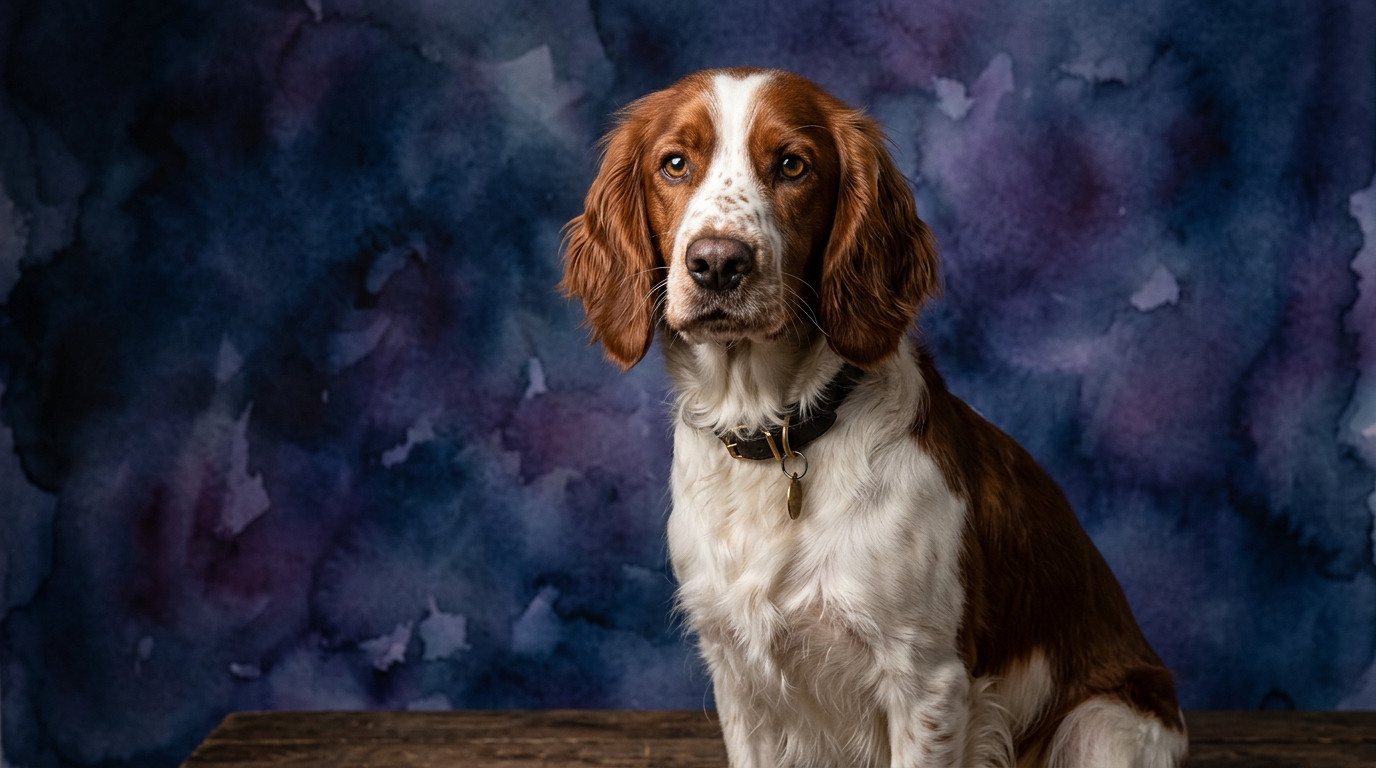
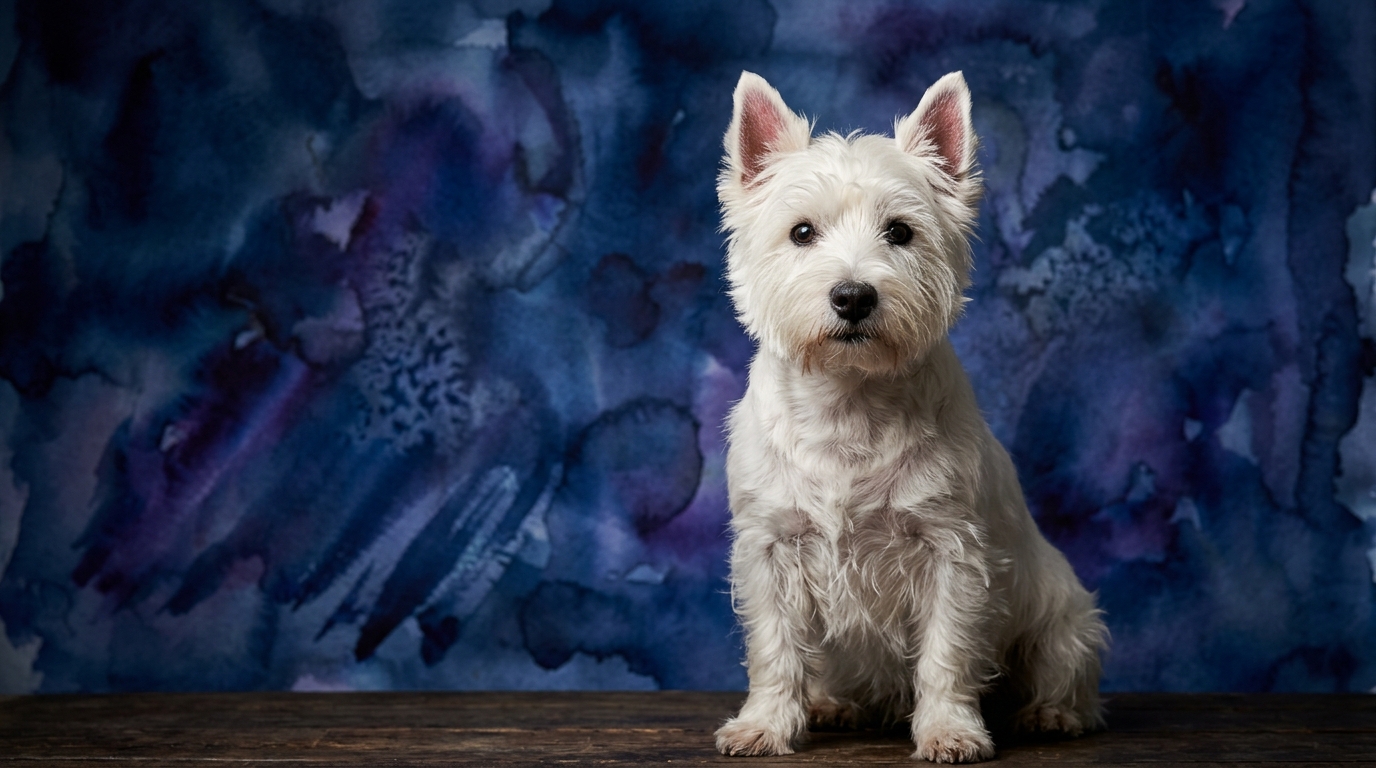
Side-by-Side Cognitive Profiles: Welsh Springer Spaniel vs. West Highland White Terrier
To truly appreciate the mental makeup of these two distinct breeds, we turn to a multi-dimensional approach to intelligence, moving beyond simple obedience rankings. While Stanley Coren's widely referenced work places the Welsh Springer Spaniel at a respectable #31 and the West Highland White Terrier at #47 in terms of working and obedience intelligence, our Pet IQ Lab framework delves deeper into five specific cognitive dimensions: problem-solving, training speed, social intelligence, instinctive drive, and memory.
The Welsh Springer Spaniel, a dog of the Sporting Group, exhibits a cognitive profile tailored for collaborative field work. Their problem-solving ability scores 4/5, indicative of a capacity for navigating complex scenarios and adapting strategies under direction. Their training speed is also 4/5, meaning they grasp new commands and routines with impressive alacrity. Social intelligence sits at 3/5, reflecting a solid understanding of human cues, often in a task-oriented context. Instinctive drive, rated 3/5, represents a balanced yet present urge for scenting and flushing. Finally, their memory is a robust 4/5, essential for recalling learned behaviors and specific locations.
In contrast, the West Highland White Terrier, a member of the Terrier Group, presents a profile geared towards independent, tenacious action. Their problem-solving ability scores 3/5, suggesting a practical, often self-directed approach to overcoming obstacles rather than a collaborative one. Training speed is also 3/5, indicating a moderate pace influenced by their independent streak. Social intelligence matches the Springer at 3/5, but often manifests as a keen observation of their environment and people, interpreted through their own assertive lens. Instinctive drive is 3/5, characterized by a strong, vocal prey drive and a propensity for digging. Notably, their memory also stands strong at 4/5, allowing them to retain successful strategies and experiences.
Where the Welsh Springer Spaniel Excels Cognitively
The Welsh Springer Spaniel truly shines in cognitive areas demanding rapid learning and collaborative problem-solving. Their 4/5 rating in both problem-solving and training speed is a direct reflection of their heritage as a flushing and retrieving gun dog, where quickly understanding and executing complex sequences of commands in dynamic environments is paramount. A Springer needs to process a handler's whistle signals, hand gestures, and verbal cues instantly, then apply that understanding to navigate dense cover, locate game, and retrieve it without damage.
This breed's cognitive strengths translate into a remarkable aptitude for learning multi-step tasks and generalizing learned behaviors to new situations with fewer repetitions. For instance, a Welsh Springer Spaniel can quickly master an intricate agility course, learning the sequence of obstacles and adapting their approach based on the handler's guidance. They excel at advanced obedience routines, rally, or scent work, where their ability to focus, interpret direction, and recall a series of actions gives them a distinct advantage. Their problem-solving isn't about figuring things out alone, but rather figuring them out *with* their human partner, making them highly adept at cooperative challenges like navigating a complex search pattern or untangling a puzzle toy that requires handler interaction.
Where the West Highland White Terrier Excels Cognitively
The West Highland White Terrier's cognitive strengths lie in a different domain: independent, tenacious problem-solving and an excellent memory for self-initiated strategies. While their problem-solving scores 3/5, this rating reflects a distinct type of intelligence—one focused on autonomous action and persistent effort, rather than eager compliance. Bred to hunt vermin alone underground, Westies developed a robust capacity for making their own decisions, often without human direction, to achieve a goal. This means they are masters at finding creative, often persistent, solutions to environmental challenges.
A Westie's problem-solving might manifest as figuring out how to open a cabinet door to access treats, or persistently digging under a fence to explore a compelling scent. Their tenacity is a cognitive asset, driving them to sustain effort towards a goal they deem worthwhile, even when faced with obstacles. Coupled with a strong 4/5 memory, once a Westie discovers a successful method for achieving something, whether it's outsmarting a baby gate or remembering where a favorite toy was hidden months ago, they retain that knowledge firmly. This memory also plays a role in their ability to learn and adapt, even if their initial training speed is moderate; once a behavior is truly ingrained, it's there to stay, whether it's a desired command or a clever bit of mischief.
Training Ease: Unpacking Behavioral Differences
When it comes to training, the core behavioral differences between these breeds become particularly evident. The Welsh Springer Spaniel, with its 4/5 training speed and a natural inclination towards cooperation, is generally considered easier to train. Their sporting heritage ingrained a desire to work in tandem with a handler, making them more attentive and eager to please. They respond well to positive reinforcement and consistency, quickly understanding what is expected of them and generalizing commands to new environments. A Springer will typically look to their owner for guidance when faced with a novel situation, making them highly receptive to instruction.
The West Highland White Terrier, however, presents a unique training dynamic. Their 3/5 training speed is often influenced by their independent nature and strong will. A Westie's problem-solving (3/5) is frequently self-directed; they are less inclined to simply obey for obedience's sake and more likely to weigh whether a command aligns with their own agenda. Training a Westie requires immense patience, consistency, and making the learning process highly rewarding from *their* perspective. While their 4/5 memory means they *can* learn and retain commands, their independent streak means they might choose to ignore a command if a more compelling "terrier task"—like chasing a leaf or investigating a strange smell—presents itself. Their obedience often stems from a mutual understanding and respect, rather than an inherent desire to comply.
Matching Breeds to Lifestyles: Active vs. Relaxed Owners
The cognitive and behavioral profiles of these breeds also dictate their suitability for different owner lifestyles. The Welsh Springer Spaniel is an ideal companion for active owners who relish structured engagement and outdoor adventures. Their high problem-solving and training speed mean they thrive on learning new skills, participating in dog sports like agility, obedience, or rally, or accompanying owners on long hikes and field excursions. They require significant physical exercise and consistent mental stimulation to prevent boredom and channel their collaborative energy constructively. A relaxed owner who cannot meet these needs might find a Springer becomes restless, potentially developing undesirable behaviors stemming from understimulation.
The West Highland White Terrier, while also requiring activity, suits a moderately active owner who appreciates a dog with a strong, independent personality. Their needs are less about sustained high-impact exercise and more about outlets for their intrinsic terrier drives: digging, chasing, and vigilant patrolling. They enjoy walks but can also be content with shorter, more intense bursts of activity and engaging mental challenges around the home, such as puzzle toys or scent work that caters to their independent problem-solving. Owners must be prepared for their tenacity and provide consistent boundaries, understanding that a Westie's contentment comes from having their instincts managed and respected, rather than constantly being on the go.
The Verdict
Opt for a Welsh Springer Spaniel if you desire a responsive, collaborative partner for dog sports, advanced obedience, or a consistently active lifestyle that involves shared learning and outdoor adventures.
Select a West Highland White Terrier if you appreciate an independent, spirited companion with a robust memory, and are prepared to engage their natural terrier instincts with consistent, patient guidance.
🧠 Find Your Pet's IQ Score
Our Pet IQ Lab assessment covers 25+ tests across 5 cognitive dimensions — personalized to your breed.
Take the Full IQ Test →Frequently Asked Questions
Do Welsh Springer Spaniels get bored easily?
Yes, Welsh Springer Spaniels, with their high problem-solving and training speed, require consistent mental engagement. Without sufficient mental stimulation and physical activity, they can develop boredom-related behaviors like excessive chewing, barking, or destructive tendencies.
Are West Highland White Terriers difficult to train?
West Highland White Terriers present a unique training challenge due to their independent nature and strong instinctive drives. While they possess good memory, consistency and making training rewarding are key to success, as they are less inherently inclined to simply please and more likely to follow their own agenda.
Which breed is better with children, based on social intelligence?
Both breeds score 3/5 in social intelligence, suggesting moderate understanding of social cues. The Welsh Springer Spaniel's cooperative nature might make them slightly more adaptable to family dynamics, while the Westie's independent streak means respectful interactions are crucial from both sides, with supervision always recommended.