Side-by-side IQ profile
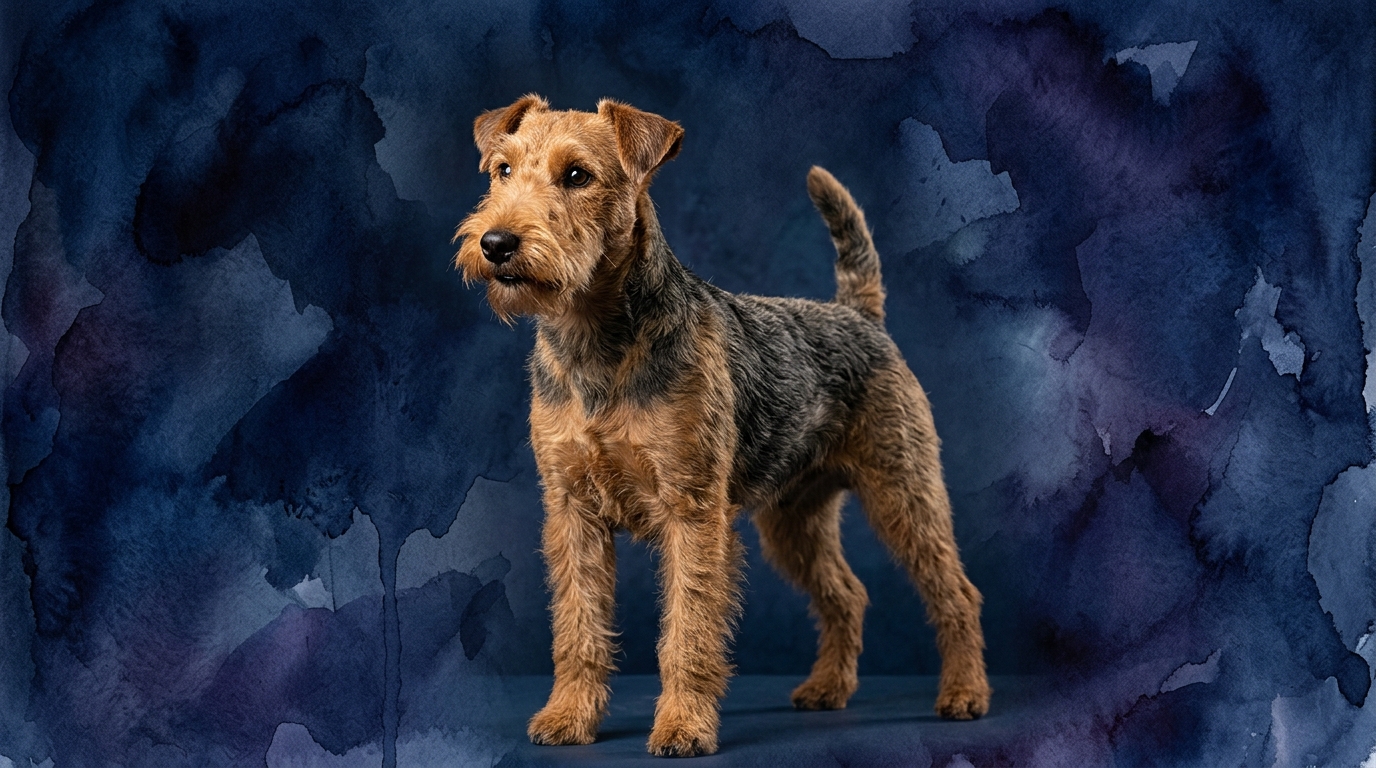
**Welsh Terrier**:
**Problem Solving (3/5)**: This terrier excels at independent, quick-witted solutions, particularly when faced with a perceived "prey" or an obstacle to exploration. Their problem-solving often involves figuring out how to get *into* or *under* things, demonstrating a persistent, self-directed approach rather than seeking human guidance.
**Training Speed (3/5)**: Welsh Terriers learn new commands and routines at a moderate pace, but their independent streak means they require engaging, varied training sessions to maintain focus. Repetitive drills can quickly bore them, leading to a perceived slowdown in acquisition.
**Social Intelligence (3/5)**: They form deep bonds with their immediate family, often displaying a discerning social intelligence that allows them to read household dynamics effectively. While generally amiable, their social interactions with unfamiliar dogs or people can be measured, reflecting a confident self-possession.
**Instinctive Drive (3/5)**: The Welsh Terrier possesses a pronounced terrier drive, manifesting as a keen interest in chasing small animals, digging, and patrolling their territory. This instinctual wiring is a core component of their behavioral repertoire, requiring appropriate outlets.
**Memory (3/5)**: They possess a solid memory for routines, commands, and the layout of their environment. A Welsh Terrier will remember past training successes and failures, as well as the locations of interesting smells or potential "prey" spots.
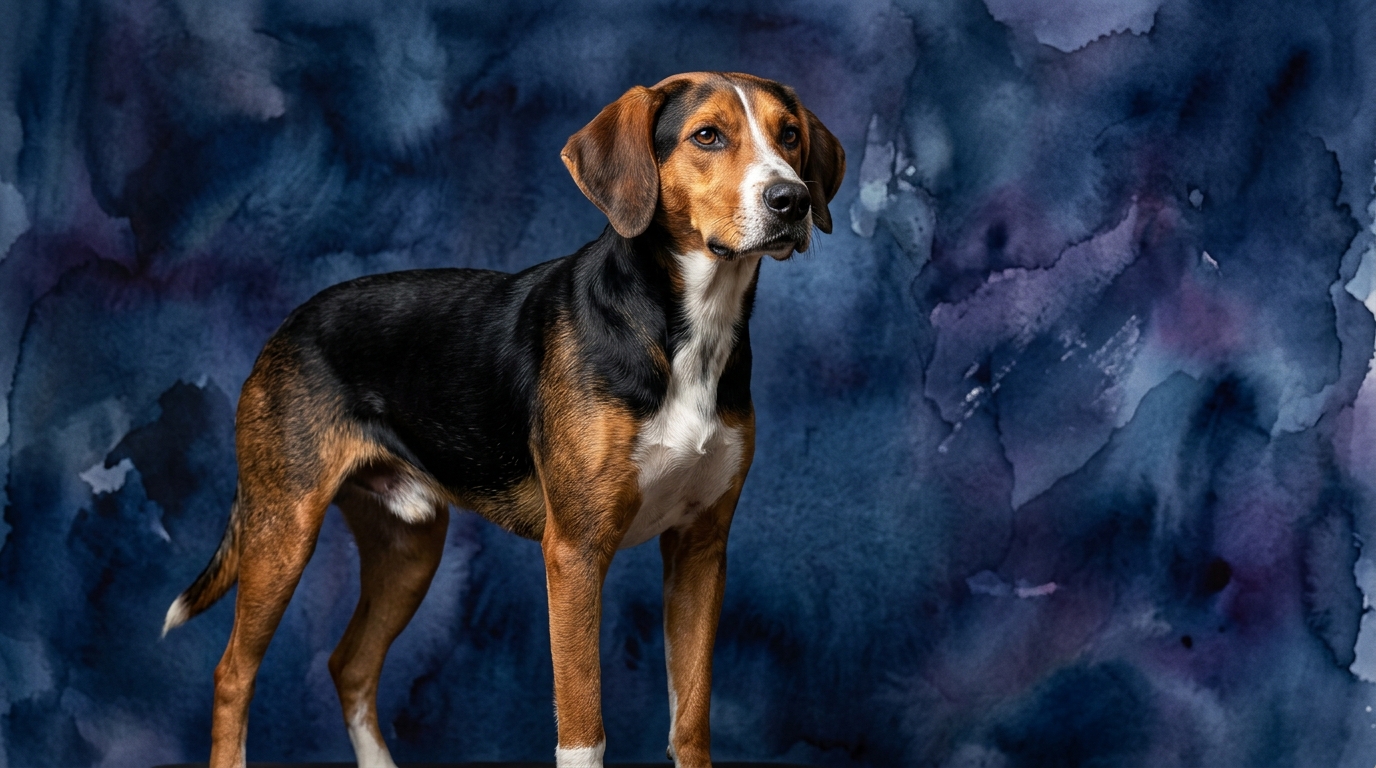
**American Foxhound**:
**Problem Solving (3/5)**: The American Foxhound's problem-solving prowess is most evident in its ability to follow complex scent trails, navigate varied terrain, and work cooperatively within a "pack" structure to achieve a shared goal. Their solutions are often persistent and endurance-based rather than quick, individualistic bursts.
**Training Speed (3/5)**: These hounds absorb new information at a moderate rate, but their primary challenge in training is often focus, particularly when compelling outdoor scents are present. They respond well to positive reinforcement and clear, consistent direction, viewing their owner as a pack leader.
**Social Intelligence (3/5)**: As a breed developed for pack hunting, American Foxhounds exhibit a strong social intelligence directed towards other canines and their human "pack." They are generally amiable and tolerant, understanding social hierarchies and cooperative dynamics well, though they can be reserved with strangers initially.
**Instinctive Drive (3/5)**: The American Foxhound's instinctive drive is overwhelmingly centered on scenting, tracking, and the pursuit of quarry. This drive is powerful and enduring, expressed through their characteristic baying and their relentless focus once on a trail.
**Memory (3/5)**: Their memory is highly tuned to retaining scent information and spatial awareness related to trails and hunting grounds. They also remember routines and the people within their immediate social circle, often forming strong, lasting attachments.
Where Welsh Terrier wins cognitively
The Welsh Terrier's cognitive strengths often shine in scenarios demanding independent thought and adaptability in varied, often confined, environments. Their terrier tenacity means they are adept at "figuring things out" on their own, whether it's navigating a complex puzzle toy or devising a strategy to reach a hidden treat. This breed demonstrates a particular aptitude for quick shifts in focus when engaged in playful "hunting" games, rapidly assessing new situations and adjusting their approach. Their problem-solving isn't about endurance over miles but rather about agile, immediate solutions to perceived challenges, often involving dexterity and cunning. This independent streak allows them to make decisions without constant human prompting, a trait valuable in situations requiring self-reliance.
Where American Foxhound wins cognitively
The American Foxhound's cognitive advantages are deeply rooted in its heritage as a scent hound, excelling in tasks requiring sustained focus on olfactory information and long-term persistence. Their ability to discriminate subtle scent variations over vast distances and varied terrain is a testament to a specialized form of problem-solving that few other breeds can match. This involves complex cognitive mapping and retention of scent trails, often for hours. Furthermore, their pack mentality fosters a cooperative intelligence, allowing them to work harmoniously with other dogs and respond to the nuanced cues of a human leader during a shared pursuit. Their memory for specific scents and routes is exceptional, making them superb at tasks that demand methodical, enduring investigation rather than quick, individualistic action.
Which is easier to train and why
When considering ease of training, the inherent motivations and potential distractions of each breed play a significant role, even with identical 3/5 scores for training speed. The Welsh Terrier's independent and sometimes stubborn "terrier tenacity" means they learn effectively when training is engaging, varied, and framed as a game they can "win." They appreciate a challenge but can become bored or defiant with repetitive drills, requiring a trainer who can consistently make learning novel and rewarding. Their quick wit means they grasp concepts, but their self-assured nature means they might choose *not* to comply if they don't see the immediate benefit. In contrast, the American Foxhound, while generally eager to please its human pack, presents a different training challenge: overwhelming scent distraction. Once a compelling scent is detected, their powerful instinctive drive can override all other commands, making off-leash reliability particularly difficult without extensive, specialized training. Their focus is singular on the trail, which means training must be highly consistent, patient, and often conducted in low-distraction environments initially to build a strong foundation. Therefore, while both require commitment, the *nature* of the training challenge differs significantly: the Welsh Terrier demands mental engagement and handling of stubbornness, while the American Foxhound necessitates overcoming a potent, innate sensory focus.
Which suits active owners vs relaxed owners
For owners leading an active lifestyle that includes varied outdoor pursuits and mental challenges, the Welsh Terrier can be an excellent match. They thrive on activities that engage their quick minds and physical agility, such as agility courses, earthdog trials, or intricate puzzle toys. Their need for regular, stimulating exercise is significant, but it doesn't necessarily have to involve hours of continuous running; rather, it benefits from diverse activities that tap into their problem-solving and instinctive drives. A relaxed owner, however, might find the Welsh Terrier's inherent energy and need for engagement overwhelming without sufficient outlets, potentially leading to undesirable behaviors. The American Foxhound, on the other hand, is ideally suited for owners who embrace sustained, vigorous outdoor activity, particularly long-distance running, hiking, or dedicated scent work. Their endurance and powerful drive mean they require extensive daily exercise that allows them to stretch their legs and engage their olfactory senses over long periods. A truly relaxed owner, one who prefers minimal physical activity, would struggle immensely to meet the American Foxhound's profound need for continuous movement and sensory exploration, making them a less suitable companion in such a setting.
The Verdict
Choose the Welsh Terrier if you appreciate a clever, independent companion who thrives on varied mental challenges and active, albeit not necessarily marathon, physical engagement.
Opt for the American Foxhound if you are an owner dedicated to long, consistent outdoor adventures, particularly those involving scent work, and value a persistent, amiable pack member.
🧠 Find Your Pet's IQ Score
Our Pet IQ Lab assessment covers 25+ tests across 5 cognitive dimensions — personalized to your breed.
Take the Full IQ Test →Frequently Asked Questions
Do Welsh Terriers and American Foxhounds have similar energy levels?
While both are active breeds, their energy manifests differently. Welsh Terriers have bursts of energetic play and require mental stimulation, whereas American Foxhounds possess incredible stamina, needing long, sustained periods of physical activity, often focused on scenting and running.
How do their social behaviors differ, given their similar social intelligence scores?
Welsh Terriers tend to be more discerning, forming strong family bonds but often being reserved or bold with strangers. American Foxhounds, being pack animals, are generally more amiable with other dogs and can be friendly with people, though their focus on scent can sometimes make them seem aloof.
Are either of these breeds good for first-time dog owners?
Both breeds present unique challenges that might be demanding for first-time owners. Welsh Terriers require consistent training to manage their independent nature, while American Foxhounds demand significant exercise and dedicated management of their powerful scent drive. Experienced owners who understand breed-specific needs often fare better.