Side-by-Side Cognitive Profile: Welsh Terrier vs. American Staffordshire Terrier
At The Cosmic Pet Pet IQ Lab, we delve beyond superficial observations to understand the specific cognitive strengths of each breed. While both the Welsh Terrier and the American Staffordshire Terrier fall under the Terrier group, their individual IQ dimensions reveal nuanced differences that impact their learning, adaptability, and interaction.
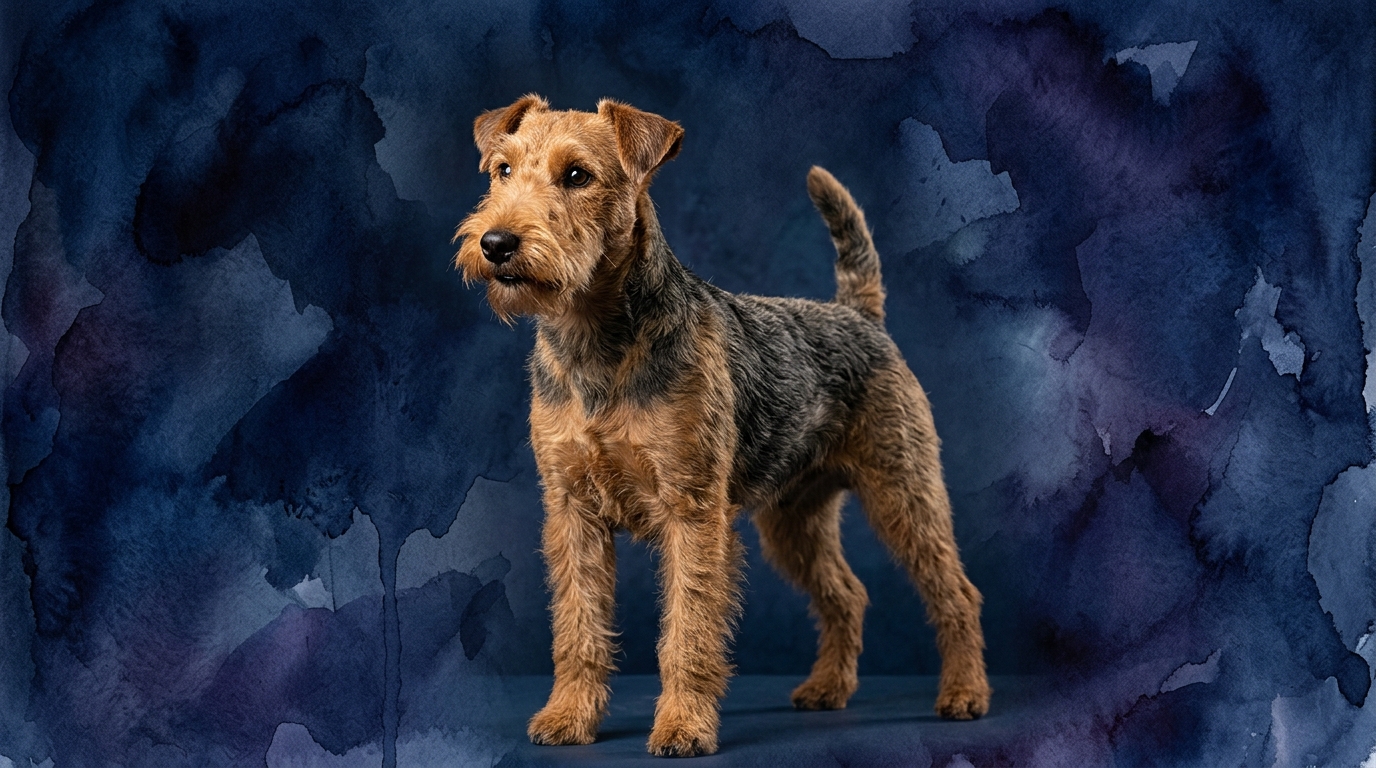
The **Welsh Terrier** presents a balanced cognitive profile, scoring 3/5 across all five dimensions. Their Problem Solving (3/5) indicates a moderate capacity for independent thought, often employing a tenacious, trial-and-error approach to novel situations, like figuring out how to retrieve a hidden toy. Training Speed (3/5) suggests they grasp new commands at a moderate pace, requiring consistent, engaging methods to maintain focus and enthusiasm, often responding best to positive reinforcement. Social Intelligence (3/5) reflects a moderate understanding of human cues; they form strong bonds but often prioritize their own agenda over immediate social conformity. Their Instinctive Drive (3/5) is moderately expressed, manifesting as typical terrier behaviors like digging or chasing, requiring appropriate outlets. Finally, their Memory (3/5) shows a moderate ability to recall learned commands and experiences, necessitating regular refreshers for less frequently practiced behaviors.
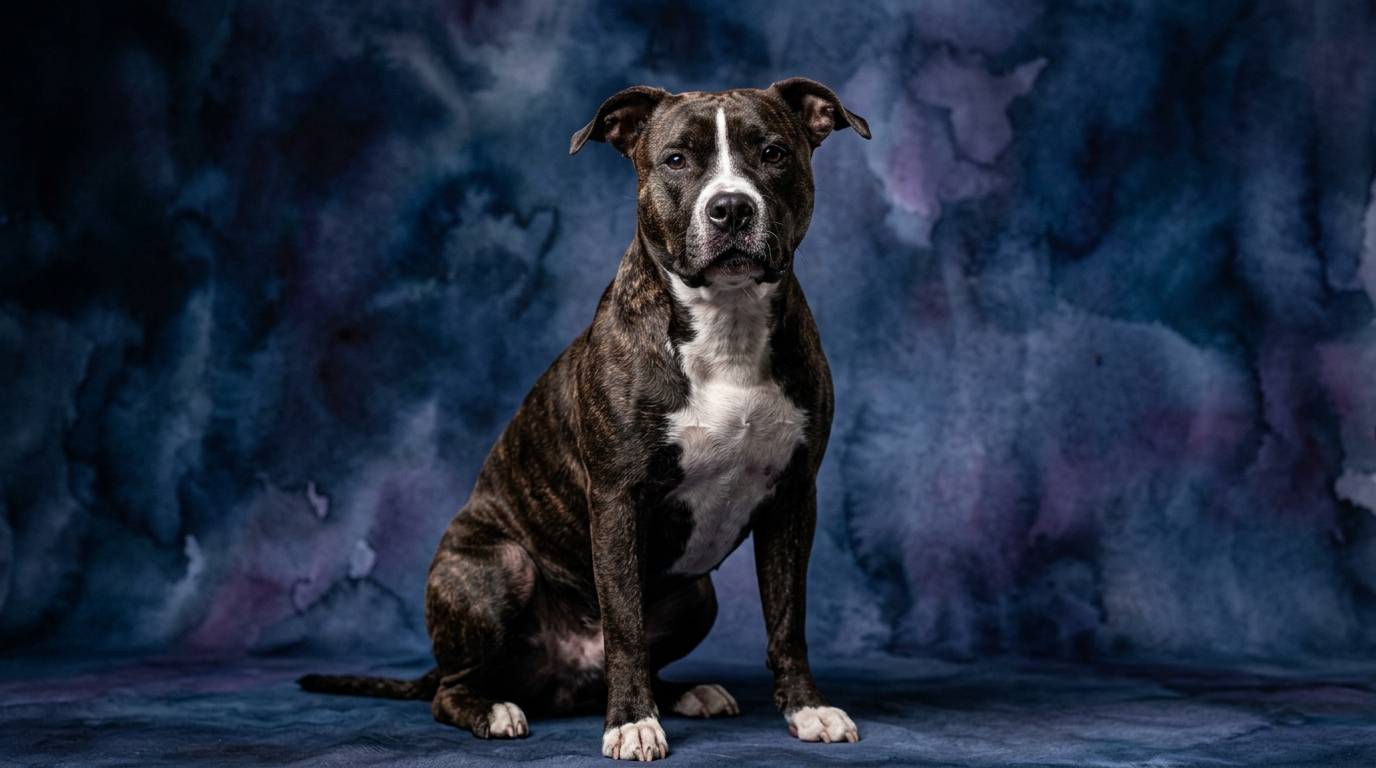
The **American Staffordshire Terrier** shares many cognitive similarities with the Welsh Terrier but exhibits a key differentiator. They also score 3/5 in Problem Solving, demonstrating a moderate ability to navigate challenges, often combining physical prowess with a thoughtful approach to open gates or retrieve objects. Their Training Speed (3/5) indicates a moderate pace in learning new commands, often eager to engage with their handler and responsive to structured training. Social Intelligence (3/5) points to a moderate capacity for interpreting human emotions and social cues, typically connecting well with their families and seeking interaction. Instinctive Drive (3/5) is also moderately present, including prey drive and protective instincts, manageable with proper socialization. Where the AmStaff truly distinguishes itself is in Memory, scoring 4/5, indicating a strong ability to recall learned commands, routines, and past experiences, contributing to their consistency in performance and capacity to retain complex sequences over time.
Where the Welsh Terrier Excels Cognitively
While the Welsh Terrier doesn't numerically outscore the American Staffordshire Terrier in any single IQ dimension, its consistent 3/5 across the board fosters a unique cognitive advantage: a balanced, independent intellect thriving on self-directed exploration and tenacious problem-solving. Their Problem Solving (3/5), coupled with their Instinctive Drive (3/5), translates into a distinct ingenuity in navigating environments and pursuing objectives. This means a Welsh Terrier is often adept at finding creative, often independent, solutions to challenges, such as figuring out how to bypass an obstacle in the yard or persistently working to extract a toy from a tight spot, relying more on their own initiative than on direct human instruction. Their balanced Social Intelligence (3/5) allows them to engage meaningfully without being overly reliant on constant human feedback, making them capable of entertaining themselves and demonstrating a self-sufficient cognitive processing style that can be particularly rewarding for owners who appreciate a dog with a mind of its own.
Where the American Staffordshire Terrier Shows Cognitive Strengths
The American Staffordshire Terrier’s cognitive advantage becomes clear in its superior memory score of 4/5, differentiating it from the Welsh Terrier’s 3/5. This enhanced recall means AmStaffs are generally more adept at retaining complex commands and intricate routines over longer periods. For instance, an AmStaff is more likely to remember a series of agility obstacles or a multi-step obedience sequence even after a hiatus, often requiring fewer refreshers. This robust memory complements their moderate Training Speed (3/5) and Social Intelligence (3/5), allowing them to build upon learned behaviors more effectively and respond consistently to established cues. Their capacity to consolidate and retrieve information efficiently translates into a more stable and predictable behavioral repertoire, making them reliable partners in various activities once a behavior is ingrained. This consistent recall can contribute significantly to their perceived trainability and the overall ease of managing their learned behaviors.
Training Dynamics: Which Breed is Easier and Why?
Both breeds share a 3/5 rating for Training Speed, indicating a moderate pace of learning new commands. However, the practical experience of training each breed, and therefore the perceived ease, differs due to their other cognitive dimensions. The American Staffordshire Terrier's superior Memory (4/5) gives it a tangible edge in retaining learned behaviors and responding consistently over time. Once an AmStaff grasps a command, it is likely to stick, making subsequent training sessions more about refinement than re-teaching. Their Social Intelligence (3/5) often translates into a desire to engage with their handler, which can be a powerful motivator in structured training environments. They tend to thrive on positive reinforcement and consistent methods, building a strong working relationship where they are eager participants.
The Welsh Terrier, while equally capable of learning at a moderate pace (3/5), often presents a different training dynamic. Their Instinctive Drive (3/5), coupled with their balanced but independent Social Intelligence (3/5), means they can be more prone to following their own impulses. This "terrier tenacity" might manifest as a stubborn streak or a tendency to prioritize an interesting scent over a recall command, demanding a more engaging approach. Training a Welsh Terrier requires more creativity, patience, and a deep understanding of their independent spirit. While they learn, maintaining their engagement and ensuring compliance often demands more varied techniques to prevent boredom and leverage their intrinsic motivation rather than relying solely on a strong desire to please. Consistency is paramount for both, but the AmStaff's stronger memory and potential for handler focus can make the overall training journey feel more straightforward for many owners, especially those seeking a highly compliant companion.
Matching Cognitive Profiles to Owner Lifestyles
For active owners seeking a canine partner for adventures and consistent engagement, both breeds offer viable options, but with different nuances. The American Staffordshire Terrier, with its balanced Instinctive Drive (3/5) and strong Memory (4/5), is well-suited for owners who enjoy structured activities like obedience, agility, or hiking. Their capacity to remember complex sequences makes them excellent candidates for progressive training and sports, and their desire to engage with their handler means they thrive on shared activities that provide mental and physical stimulation. They enjoy a good challenge and are generally eager participants in an active lifestyle, provided their social needs are met and their energy is appropriately channeled.
The Welsh Terrier, while also possessing a moderate Instinctive Drive (3/5) that demands regular exercise, might appeal to active owners who appreciate a more independent companion. Their Problem Solving (3/5) and balanced Social Intelligence (3/5) mean they enjoy exploring and engaging with their environment on their own terms. They are excellent companions for long walks, exploring new trails, or engaging in scent work, where their terrier instincts can be appropriately channeled. However, their independent streak means they might not always be as focused on their owner during activities as an AmStaff, requiring an owner who values a dog's self-directed pursuits. For more relaxed owners, neither breed is truly a 'couch potato.' Both require regular mental and physical exercise to prevent boredom and undesirable behaviors. However, the AmStaff's potential for a more focused and handler-oriented engagement might make it slightly more adaptable to a relaxed owner who is still committed to daily walks and interactive play, but perhaps less inclined towards highly independent canine activities. A relaxed owner considering a Welsh Terrier must be prepared to manage their independent nature and provide stimulating outlets for their inherent curiosity and drive.
The Verdict
If you appreciate an independent, resourceful companion who approaches challenges with tenacity and self-reliance, and you are prepared to engage a curious mind with varied, stimulating activities, the Welsh Terrier is an excellent match.
Opt for the American Staffordshire Terrier if you desire a devoted, consistent companion who excels at retaining learned behaviors and thrives on structured engagement and a strong partnership in training and activities.
🧠 Find Your Pet's IQ Score
Our Pet IQ Lab assessment covers 25+ tests across 5 cognitive dimensions — personalized to your breed.
Take the Full IQ Test →Frequently Asked Questions
Does Coren's ranking matter when comparing these two breeds?
Coren's ranking, which places the American Staffordshire Terrier at #48 and does not rank the Welsh Terrier, primarily assesses working and obedience intelligence based on how quickly breeds learn new commands. While it suggests the AmStaff might pick up new instructions slightly faster on average, it doesn't encompass the full spectrum of cognitive abilities, such as independent problem-solving or social nuance, which are equally important.
How do their instinctive drives compare for a household environment?
Both breeds score 3/5 in instinctive drive, meaning they possess moderate levels of inherent behaviors like chasing, digging, or vocalizing. For a household, this means both require consistent training and appropriate outlets for these drives. The Welsh Terrier's drive often manifests as persistent pursuit of small prey, while the AmStaff’s might include a strong desire for focused activity or guarding, both manageable with early socialization and consistent guidance.
Which breed is better for first-time dog owners based on IQ?
Based purely on their IQ profiles, the American Staffordshire Terrier might be slightly more forgiving for a first-time owner due to its stronger memory and potential for handler focus, making consistency in training more rewarding. The Welsh Terrier's independent nature and strong terrier drive require a confident, patient owner who understands how to channel their curiosity and self-reliance effectively, which can be challenging for novices.