
Side-by-Side IQ Profile: Unpacking the 3/5 Score
A 3/5 rating from The Cosmic Pet Pet IQ Lab signifies a solid, capable level of cognitive function across the board. Dogs scoring 3/5 are generally competent learners, possess a good memory for routines and commands, and display a moderate drive for natural instincts. They are typically responsive to training and can navigate common household challenges, though they might not independently innovate complex solutions or master intricate tasks with minimal repetition.
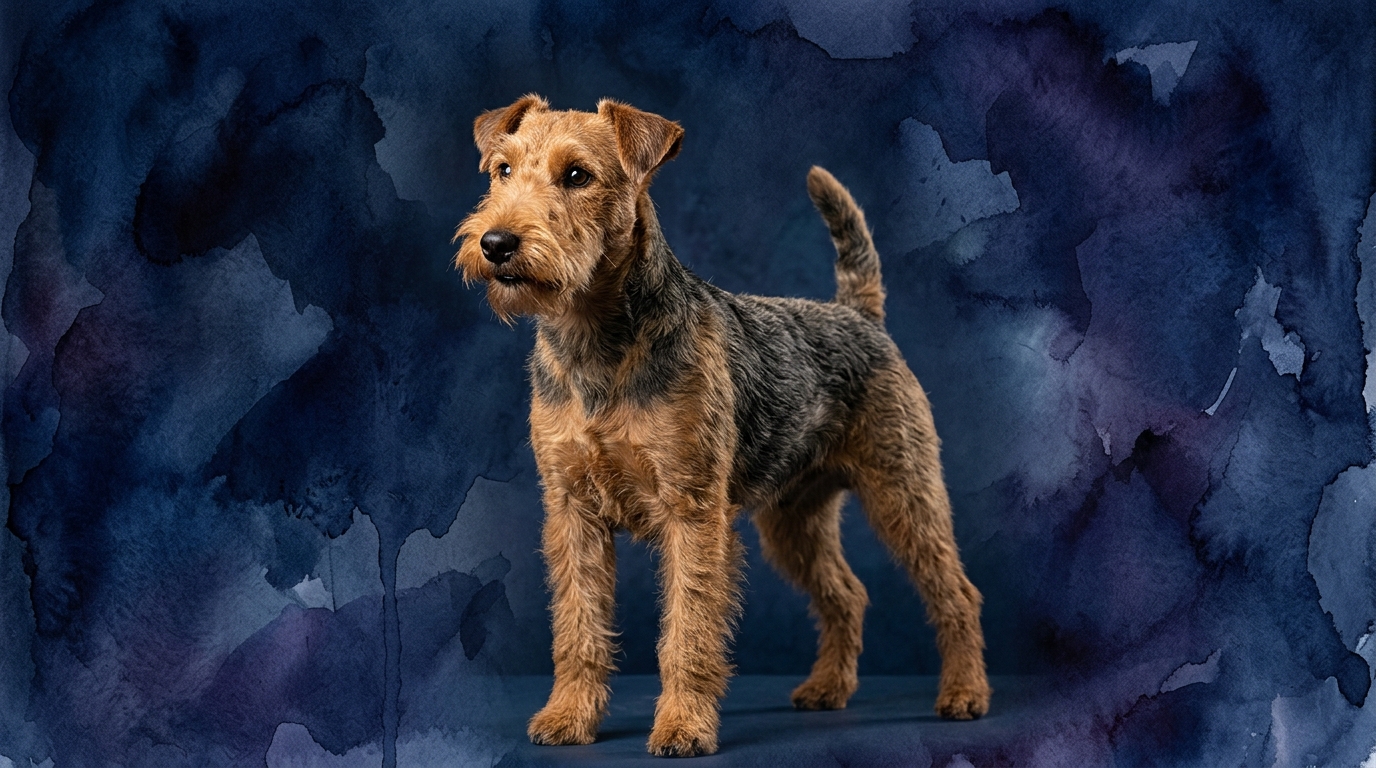
For the Welsh Terrier, a 3/5 in Problem Solving means they adeptly figure out practical challenges, like locating a hidden toy or navigating obstacles in their environment, often with a tenacious terrier persistence. Their 3/5 Training Speed indicates they are receptive to learning new commands with consistent, engaging methods, though their independent spirit means lessons need to be stimulating. Social Intelligence at 3/5 shows they are observant of their family's routines and moods, forming strong bonds, while their Instinctive Drive of 3/5 points to a moderate prey drive and curiosity, typical of their working lineage. Memory at 3/5 ensures they retain learned behaviors and household rules reliably over time.
The Bull Terrier's 3/5 in Problem Solving reflects an ability to creatively tackle tasks, sometimes using their unique blend of determination and charm to achieve their goals, such as manipulating puzzle toys or getting attention. Their 3/5 Training Speed suggests they are trainable with patience and positive reinforcement, often eager to please their beloved people, though they can have a stubborn streak. Social Intelligence at 3/5 highlights their capacity for deep bonding and understanding family dynamics, often expressed through their playful and sometimes boisterous interactions. An Instinctive Drive of 3/5 indicates a moderate drive for chasing and play, consistent with their energetic nature, and their 3/5 Memory ensures they remember learned commands and routines effectively. Notably, the Bull Terrier holds a Coren rank of #66, placing them in the average working/obedience intelligence category, which speaks to their capacity for structured learning within that framework.
Where the Welsh Terrier Shines Cognitively
Despite identical IQ scores, the Welsh Terrier often demonstrates a particular cognitive strength rooted in its historical role as a small game hunter. Their Problem Solving at 3/5, while numerically matching the Bull Terrier, tends to manifest as a more focused, persistent approach to tasks involving pursuit or investigation. This means they are often adept at figuring out how to get to something they deem interesting, whether it's a scent in the garden or a toy hidden under furniture, exhibiting a methodical tenacity rather than a broad, creative problem-solving style.
Their 3/5 Instinctive Drive, specifically, is finely tuned for independent work, allowing them to make quick, self-reliant decisions in pursuit of a 'goal' without constant human direction. This cognitive independence, while sometimes perceived as stubbornness in training, is actually a strength in scenarios requiring quick, unassisted action. Furthermore, their Social Intelligence, also 3/5, often presents as a discerning loyalty, where they keenly observe and respond to the nuances of their primary caregiver's moods and expectations, often with a more reserved yet deeply attentive understanding compared to the Bull Terrier's more overt social expressions.
Where the Bull Terrier Excels Cognitively
The Bull Terrier, while sharing the same 3/5 cognitive ratings, often displays its cognitive strengths in different ways, particularly in areas involving social dynamics and adapting to varied family life. Their 3/5 Social Intelligence often translates into a remarkable ability to integrate seamlessly into diverse household structures, showing a broad understanding of social cues from multiple family members. This adaptability, combined with their unique playful spirit, allows them to engage with humans in a variety of contexts, making them exceptionally good at discerning who is open to play and who needs a moment of calm.
Furthermore, the Bull Terrier's 3/5 Problem Solving can manifest with a creative flair, often finding novel, sometimes amusing, ways to achieve their objectives, be it getting attention or accessing a favored spot. This isn't always about logical deduction but often involves a charming persistence or a clever manipulation of their environment. Their Coren ranking of #66, while not top-tier, does indicate a recognized capacity for obedience and learning specific tasks from human instruction, suggesting a cognitive framework that, when properly motivated, can excel in structured training environments more readily than some non-ranked terrier counterparts. This implies a specific kind of 'working intelligence' that is geared towards human partnership in tasks.
Trainability: Nuances Beyond the Score
Despite both breeds scoring 3/5 for Training Speed, their inherent temperaments dictate different approaches and expectations for success. The Welsh Terrier, with its classic terrier independence and strong prey drive, often requires training that is highly engaging, varied, and rewards-based to maintain focus. Their problem-solving tenacity can sometimes translate into stubbornness if they perceive a task as uninteresting or if there’s a more compelling distraction. Owners must be patient, consistent, and creative, making training feel like a game or a puzzle rather than a chore, to overcome their "what's in it for me?" attitude.
The Bull Terrier, while also possessing a strong will and playful exuberance, often responds well to training rooted in positive reinforcement and a strong bond with their owner. Their 3/5 Social Intelligence means they value interaction and approval, which can be leveraged in training. However, their physical strength and occasional single-mindedness mean that consistency and clear communication are paramount. They can be sensitive, so harsh corrections are counterproductive; instead, firm yet gentle guidance, coupled with plenty of praise and treats, will yield the best results, transforming their desire for interaction into a willingness to learn.
Cognitive Profiles and Lifestyle Suitability
For active owners seeking a canine companion for structured activities, the Bull Terrier's cognitive profile, particularly its recognized capacity for obedience training (Coren #66) and its social adaptability, can be a good fit. While energetic, their desire for human interaction and their capacity for sustained focus in engaging tasks make them suitable for activities like obedience trials, agility, or long, interactive walks. Their 3/5 Problem Solving, when channeled, can make them creative partners in learning new tricks or navigating varied environments. They thrive on being an integral part of an active family's adventures, often displaying a spirited enthusiasm that matches their owners' energy.
The Welsh Terrier, with its independent spirit and focused instinctive drives, might be a better match for owners who appreciate a dog with a strong sense of self, even if it means a slightly less "team player" approach to daily life. While they need regular exercise and mental stimulation to prevent boredom, their 3/5 Instinctive Drive means they might be content exploring their immediate surroundings or engaging in independent play rather than constantly seeking human-led activities. Owners who understand and respect the terrier's inherent drive for investigation and who can provide structured outlets for this energy—like scent work or secure yard exploration—will find their cognitive profile rewarding, offering companionship that is observant and discerning rather than overtly effusive.
The Verdict
Choose the Welsh Terrier if you appreciate a discerning, tenacious companion who excels at independent problem-solving and offers a loyal, observant presence, and you are prepared for consistent, engaging training to channel their spirited independence.
Opt for the Bull Terrier if you desire a devoted, playful, and socially adaptable companion who thrives on being an active part of family life and responds well to positive, consistent training that leverages their eagerness to please.
🧠 Find Your Pet's IQ Score
Our Pet IQ Lab assessment covers 25+ tests across 5 cognitive dimensions — personalized to your breed.
Take the Full IQ Test →Frequently Asked Questions
Are Welsh Terriers or Bull Terriers better at learning new tricks?
Both breeds score 3/5 in Training Speed, indicating they are capable learners. The Welsh Terrier may require more varied and stimulating methods due to its independent nature, while the Bull Terrier often excels with positive reinforcement and a strong desire to please its owner.
Which breed is more likely to figure out how to open gates or cabinets?
Both breeds have a 3/5 Problem Solving score. Welsh Terriers might approach such tasks with a tenacious, focused persistence if a reward is perceived. Bull Terriers could use a more creative or charming persistence, sometimes involving playful manipulation to achieve their goal.
How does the Coren ranking for the Bull Terrier influence its intelligence compared to the Welsh Terrier?
The Bull Terrier's Coren rank of #66 places it in the average working/obedience intelligence category, meaning it is generally capable of understanding and executing commands after 25-40 repetitions. While the Welsh Terrier isn't Coren-ranked, its 3/5 scores indicate a similar capacity for learning, though its independent terrier nature might require a more tailored training approach.