Side-by-Side IQ Profile: Unpacking the 3/5 Scores
While both breeds score a consistent 3 out of 5 across our cognitive dimensions, the application and manifestation of these traits are profoundly different, reflecting their distinct working histories and breed groups. Understanding these nuances is key to appreciating their individual cognitive landscapes.
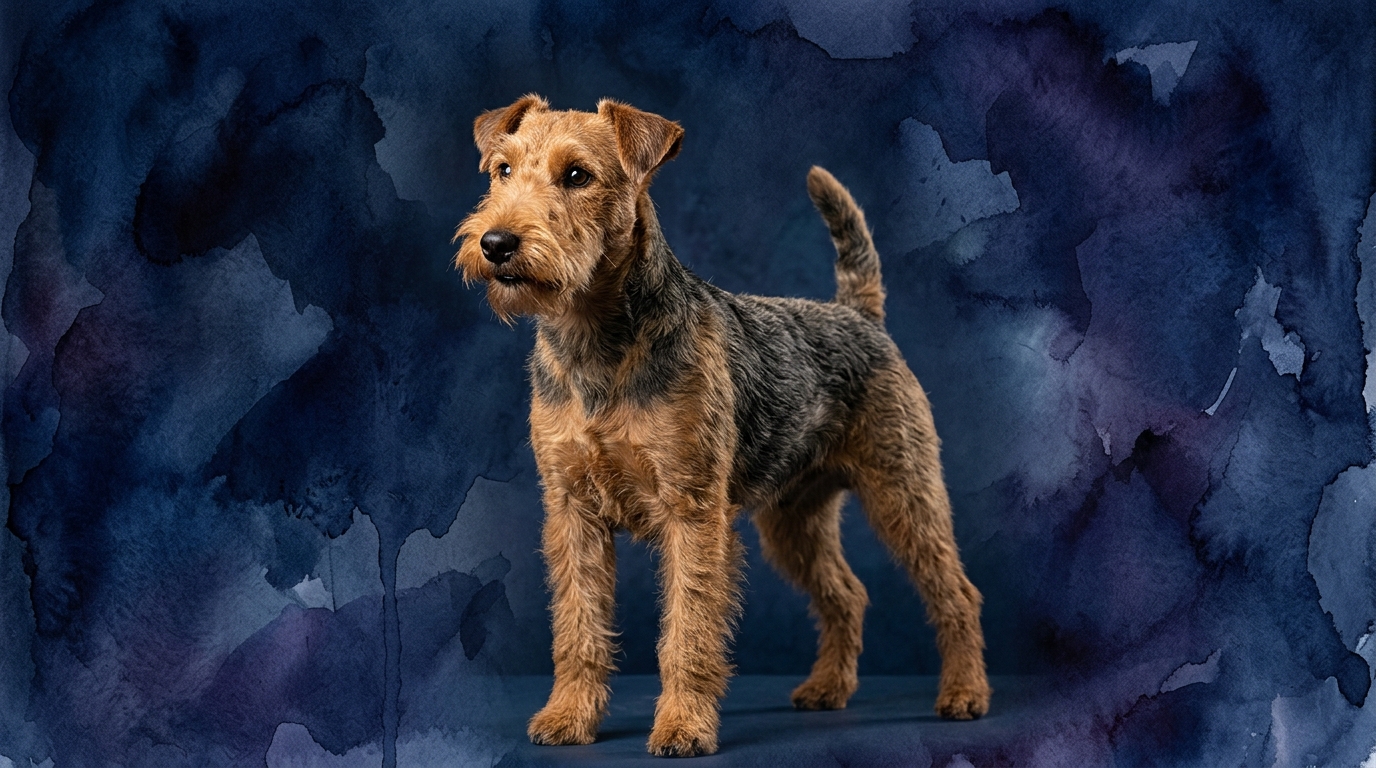
The Welsh Terrier, a spirited member of the Terrier group, approaches cognitive tasks with a characteristic tenacity. Their Problem Solving at 3/5 involves a robust, direct method, often employing persistence and a degree of cunning to achieve an objective, such as figuring out how to retrieve a buried toy or outmaneuver a small critter. Their Training Speed, also 3/5, indicates they are quick to grasp new commands, but their independent spirit means compliance can be a choice rather than an automatic response, requiring consistent motivation. In terms of Social Intelligence (3/5), Welsh Terriers are adept at reading human emotions, forming strong, often boisterous bonds, and understanding household dynamics, though they might be more reserved with strangers. Their Instinctive Drive (3/5) is powerfully geared towards hunting vermin, manifesting as a keen prey drive, a propensity for digging, and alert vocalization. Finally, their Memory (3/5) is reliable for commands, routines, and the layout of their territory, recalling specific individuals and experiences effectively.
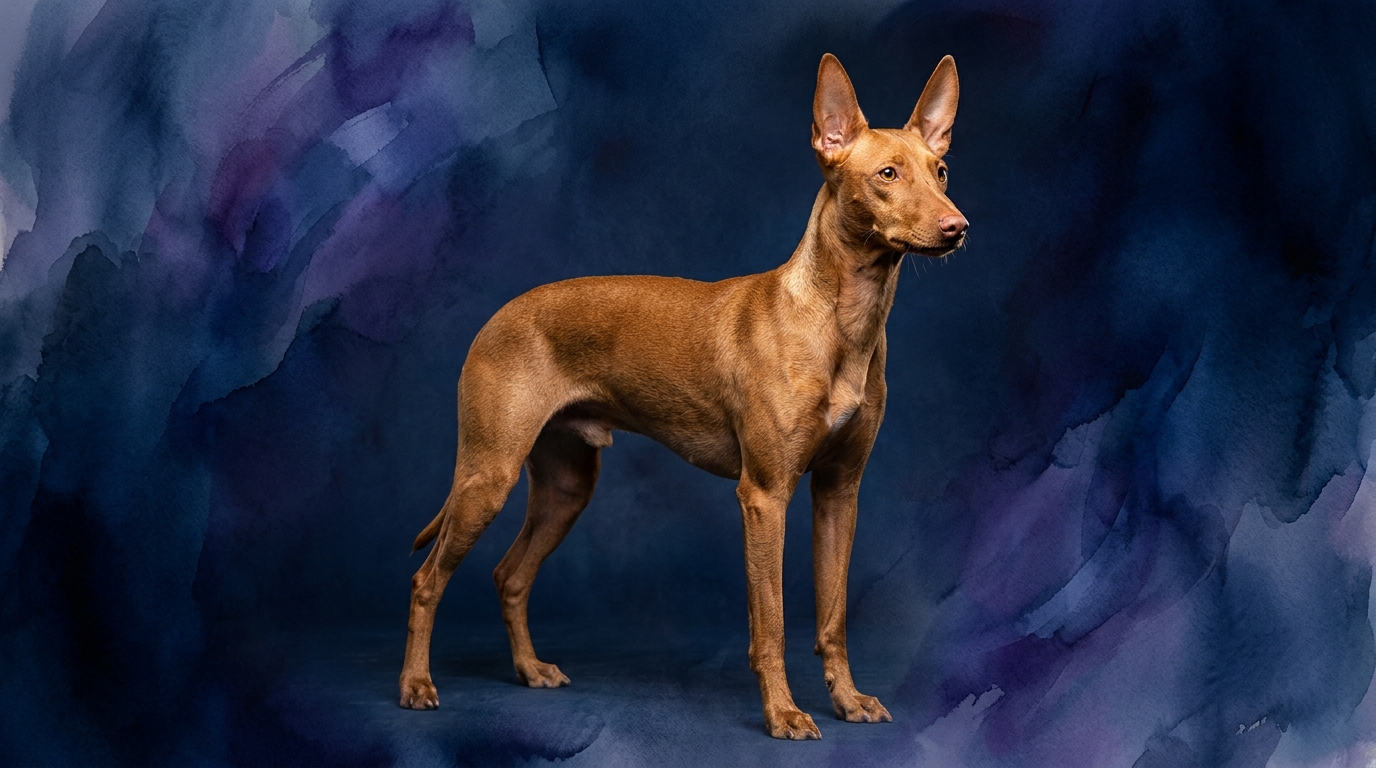
The Cirneco dell'Etna, an elegant sighthound, brings a different cognitive flavor to its 3/5 scores. Their Problem Solving (3/5) often involves keen observation and agile execution, particularly in scenarios requiring spatial awareness or tracking. They tend to analyze situations, using speed and senses to navigate challenges, such as finding a hidden object through scent or sight, rather than brute force. Their Training Speed (3/5) shows they absorb information readily, but their hound nature means they can be easily diverted by compelling environmental stimuli, demanding highly engaging sessions. Social Intelligence (3/5) in a Cirneco is often expressed through a sensitive empathy, forming deep, affectionate bonds with family while maintaining a dignified reserve with unfamiliar individuals. Their Instinctive Drive (3/5) centers on their sighthound heritage, with a powerful prey drive for fast-moving objects, an inclination for running, and acute visual awareness. Their Memory (3/5) is strong for learned commands, routines, and topography, particularly good at recalling locations of prey or interesting scents.
Where the Welsh Terrier Excels Cognitively
The Welsh Terrier's cognitive strengths often lie in their unwavering persistence and directness when faced with a challenge. While both breeds score 3/5 in problem-solving, the Welsh Terrier's terrier grit means they are more likely to double down on effort, trying various physical approaches until they succeed. This manifests as superior tenacity in overcoming physical barriers or retrieving items from tight spaces, leveraging their compact, muscular build alongside their mental resolve, where a Cirneco might opt for a more evasive or sensory-driven solution.
Furthermore, their inherent feistiness and assertive personality can translate into a more proactive form of social problem-solving within a household. They might more readily 'negotiate' for attention or resources, using a blend of vocalizations and persistent nudging to communicate their desires, demonstrating a direct and effective application of their social understanding to influence their environment.
Where the Cirneco dell'Etna Excels Cognitively
The Cirneco dell'Etna often demonstrates a distinct cognitive advantage in tasks requiring heightened sensory acuity and elegant spatial reasoning. Their sighthound heritage endows them with exceptional visual tracking capabilities, allowing them to process fast-moving stimuli and predict trajectories with remarkable precision. This translates into superior performance in activities demanding quick, precise movements and an understanding of dynamic environments, such as lure coursing or navigating complex outdoor spaces with graceful efficiency.
Their sensitive nature also contributes to a nuanced form of social intelligence, where they excel at reading subtle shifts in human mood or energy. While perhaps less overtly boisterous than the Welsh, their capacity for quiet observation and empathetic response suggests a deeper, more refined processing of social dynamics, allowing for a harmonious, understated companionship that anticipates needs without demanding attention.
Training Dynamics: A Tale of Two Temperaments
Despite identical 3/5 scores in training speed, the practical experience of training a Welsh Terrier versus a Cirneco dell'Etna presents different challenges. The Welsh Terrier's independence and occasional stubborn streak mean that while they learn quickly, their compliance often hinges on their perception of the reward and the trainer's ability to maintain engagement. Training them requires a firm yet fair approach, consistent boundaries, and a creative use of positive reinforcement to channel their spirited nature, as they are prone to 'selective hearing' if not sufficiently motivated by the task or reward.
In contrast, the Cirneco dell'Etna, while equally quick to learn, requires a trainer who understands and effectively manages their strong prey drive and sensitivity. Their attention can be easily captured by environmental distractions like a distant movement or a compelling scent, making outdoor training a particular challenge. Success with a Cirneco lies in short, highly engaging sessions, abundant positive reinforcement, and a patient understanding of their inherent desire to chase, ensuring the training environment minimizes competing stimuli.
Matching Canine Cognition to Lifestyle
For active owners seeking a canine partner with energy and a zest for adventure, both breeds offer compelling qualities, yet cater to different activity styles. The Welsh Terrier thrives with owners who enjoy structured play, agility, and regular, varied outdoor excursions that tap into their terrier drive for exploration and 'work.' They are well-suited to individuals who appreciate a dog with a strong, interactive personality and can provide consistent mental stimulation to prevent boredom-induced mischief, channeling their problem-solving into constructive outlets.
The Cirneco dell'Etna also requires an active lifestyle, but one that often leans towards opportunities for safe, off-leash running in securely fenced areas where they can stretch their legs and indulge their sighthound instincts. Owners who appreciate a more graceful, independent companion for long walks, hikes, or even competitive lure coursing will find a perfect match. They are less suited for truly 'relaxed' owners, as their need for physical exertion is significant, though they are generally calm and composed indoors after sufficient exercise.
The Verdict
Choose the Welsh Terrier if you value a tenacious, spirited companion who thrives on interactive challenges and a direct approach to life, and you are prepared for their independent streak. Their cognitive profile suits an owner who enjoys an assertive, problem-solving partner.
Opt for the Cirneco dell'Etna if you appreciate an elegant, sensitive dog with keen senses, a love for open spaces, and a more understated yet deeply affectionate bond. Their cognitive strengths align with owners who value grace, sensory perception, and a less demanding social presence.
🧠 Find Your Pet's IQ Score
Our Pet IQ Lab assessment covers 25+ tests across 5 cognitive dimensions — personalized to your breed.
Take the Full IQ Test →Frequently Asked Questions
Are Welsh Terriers good with other pets?
Welsh Terriers can coexist with other pets, especially if socialized from a young age. However, their strong prey drive means small, fast-moving animals like hamsters or cats might trigger their instincts, requiring careful introductions and supervision to ensure harmony.
Do Cirneco dell'Etna dogs bark a lot?
Cirnechi are generally not excessive barkers, but they are alert and will vocalize to signal strangers or unusual occurrences, using their social intelligence to communicate. Their barks are typically sharp and purposeful rather than continuous, serving as an effective warning system.
What kind of exercise do these breeds need?
Both breeds require significant daily exercise. Welsh Terriers benefit from varied activities like brisk walks, vigorous play, and structured training sessions to engage their problem-solving. Cirnechi need opportunities for safe, off-leash running in secure areas to satisfy their sighthound need for speed, in addition to regular walks.