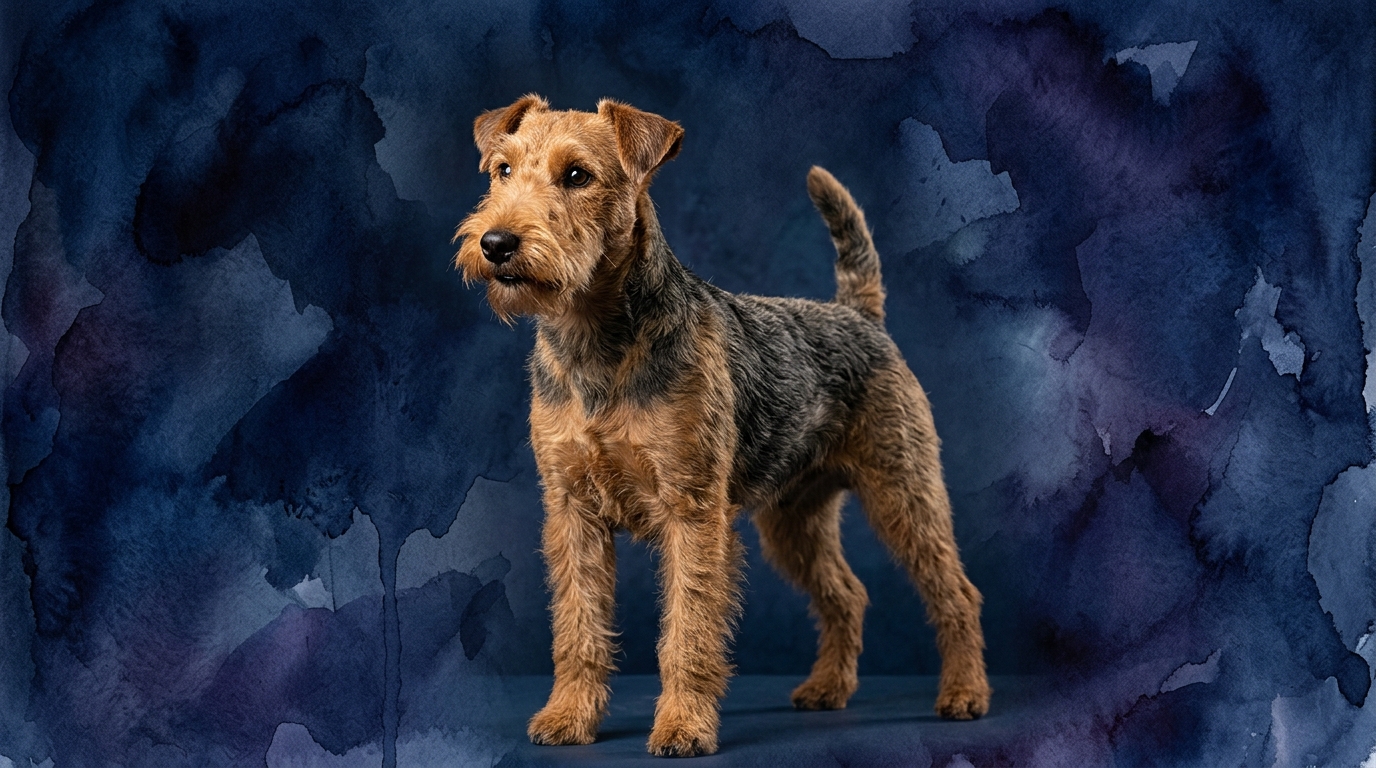
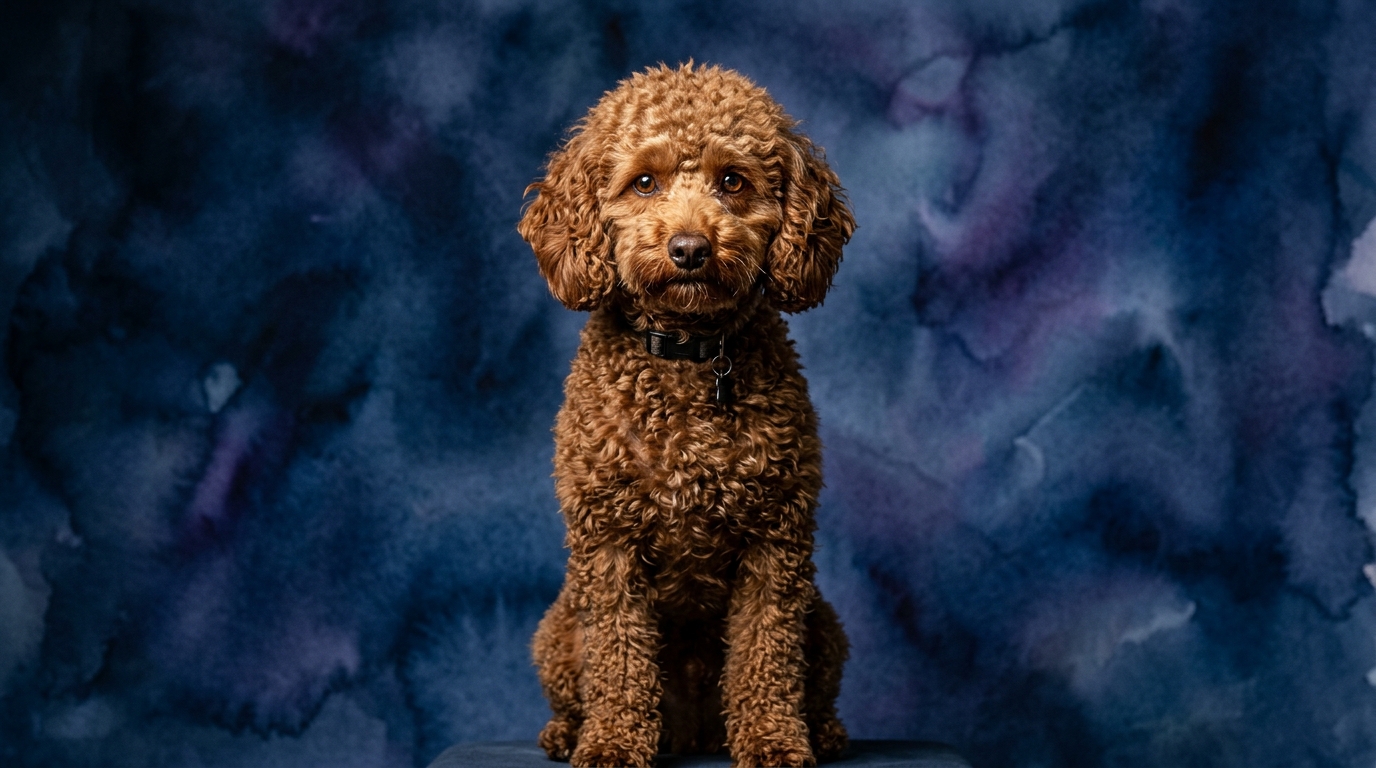
Side-by-Side Cognitive Profile: Welsh Terrier vs. Miniature Poodle
The Cosmic Pet Pet IQ Lab employs a five-dimensional framework to assess canine cognitive abilities, providing a nuanced understanding beyond simple rankings. Let's examine how the Welsh Terrier and Miniature Poodle measure up across these vital aspects.
The **Welsh Terrier**, a robust member of the Terrier group, registers a balanced 3/5 across all five IQ dimensions. This indicates a consistent, functional level of cognitive ability: Problem Solving 3/5, Training Speed 3/5, Social Intelligence 3/5, Instinctive Drive 3/5, and Memory 3/5. They are not listed on Dr. Stanley Coren's intelligence rankings, suggesting a less specialized but generally capable cognitive profile.
In contrast, the **Miniature Poodle**, from the Non-Sporting group, presents a profile marked by significant strengths, earning a Coren rank of #2, signifying exceptional working and obedience intelligence. Their scores are notably higher in key areas: Problem Solving 5/5, Training Speed 5/5, Social Intelligence 3/5, Instinctive Drive 3/5, and Memory 5/5. This suggests a breed adept at rapid learning and retention, with a strong capacity for abstract thought.
Where the Welsh Terrier's Cognition Shines
While the Welsh Terrier's scores are consistently 3/5, this balanced profile points to a specific type of cognitive strength: independent, tenacious problem-solving rooted in their terrier heritage. Their 3/5 in Problem Solving often manifests as a determined, self-reliant approach to environmental challenges, such as figuring out how to access a forbidden area or persistently working on a scent trail. They might not devise the quickest, most elegant solution a Poodle would, but their strength lies in sheer perseverance and a willingness to explore various strategies until success is achieved.
The Welsh Terrier's 3/5 Instinctive Drive, combined with their moderate problem-solving and memory, means they are well-equipped for tasks requiring sustained focus on a specific goal without constant human intervention. They excel in situations where their natural instincts, like digging or chasing, can be channeled into structured activities, demonstrating a functional intelligence geared towards their original working purpose. Their cognitive framework supports a dog that can make decisions and operate effectively in less structured environments, relying on their own wits and drive.
The Miniature Poodle's Cognitive Prowess
The Miniature Poodle's cognitive strengths are clearly evident in their 5/5 scores for Problem Solving, Training Speed, and Memory. Their Problem Solving ability allows them to quickly grasp complex concepts, generalize learned behaviors to new situations, and devise effective solutions to novel challenges with remarkable speed. This isn't just about following commands; it's about understanding the underlying principles and adapting.
A 5/5 in Training Speed means Miniature Poodles acquire new commands and routines with very few repetitions, often showing an eagerness to learn and a keen attention to their handler. This rapid acquisition is supported by their exceptional 5/5 Memory, enabling them to retain vast amounts of information and recall commands flawlessly, even after long periods. Their capacity for long-term retention makes them highly reliable in obedience and performance settings, demonstrating a deep capacity for learning and application that underpins their high Coren ranking.
Training Aptitude: Which Breed Offers an Easier Path?
When it comes to ease of training, the **Miniature Poodle** generally offers a more straightforward experience due to their exceptional 5/5 Training Speed and Memory. They tend to be highly attentive to their handlers, eager to please, and quickly form associations between commands and actions. This means fewer repetitions are needed for a Poodle to master a new trick or obedience command, and they are adept at generalizing learned behaviors to different environments or contexts. Their strong recall means commands stick, making consistent, reliable performance achievable with positive reinforcement.
The **Welsh Terrier**, with 3/5 in both Training Speed and Memory, presents a different training dynamic. While capable of learning, their independent Terrier spirit means they might require more patience, consistency, and creative motivation. A Welsh Terrier might understand a command but choose to prioritize a captivating scent or the thrill of a chase over immediate compliance, a real behavioral difference stemming from their instinctive drive. Training often involves making the desired behavior more rewarding than any environmental distraction, and sessions need to be engaging to hold their attention against their innate desire for self-directed exploration.
Matching Minds to Lifestyles: Active vs. Engaged Owners
Both the Welsh Terrier and Miniature Poodle are energetic breeds that thrive on engagement, so neither is truly suited for a purely 'relaxed' owner seeking a low-maintenance companion. However, the *type* of activity and engagement they require differs significantly.
For the truly **active owner** who enjoys structured dog sports, advanced obedience, or competitive events, the **Miniature Poodle** is an exceptional partner. Their quick learning, memory, and problem-solving skills make them brilliant at agility, rally, and retrieving, thriving on complex mental and physical challenges. They need an owner who can provide consistent training, puzzle toys, and varied activities to keep their sharp minds stimulated and prevent boredom.
The **Welsh Terrier** also suits an **active owner**, but one who appreciates a more independent, robust companion for outdoor adventures. They excel in activities like earthdog trials, long hikes, or vigorous play sessions that allow them to use their natural instincts for digging, chasing, and exploring. Their tenacity and stamina make them excellent companions for owners who enjoy consistent, vigorous exercise and are prepared to channel their determined terrier drive into constructive outlets rather than expecting perfect, instant obedience. They need an owner who understands and respects their spirited, self-directed nature.
The Verdict: When to Choose Each Spirited Companion
The Verdict
Choose the Welsh Terrier if you appreciate an independent, spirited companion with a determined approach to life, enjoy engaging with a dog that thinks for itself, and are prepared for consistent, patient training tailored to a terrier's unique motivations.
Opt for the Miniature Poodle if you seek a highly trainable, quick-to-learn partner eager for mental challenges, who thrives on structure and complex tasks, and excels in obedience and dog sports.
🧠 Find Your Pet's IQ Score
Our Pet IQ Lab assessment covers 25+ tests across 5 cognitive dimensions — personalized to your breed.
Take the Full IQ Test →Frequently Asked Questions
Are Welsh Terriers difficult to train?
Welsh Terriers can be more challenging to train than some breeds due to their independent nature and strong terrier instincts. They learn at their own pace and require consistent, positive reinforcement and engaging training methods to maintain their interest and compliance.
Do Miniature Poodles need a lot of mental stimulation?
Yes, Miniature Poodles require significant mental stimulation to thrive. Their high problem-solving ability and quick learning mean they get bored easily without consistent training, puzzle toys, and varied activities to challenge their minds.
Which breed is better for first-time dog owners?
For first-time dog owners seeking a more predictable and responsive training experience, the Miniature Poodle is often a better fit due to their high trainability and eagerness to please. Welsh Terriers, while wonderful companions, may prove more challenging for inexperienced owners due to their independent streak.