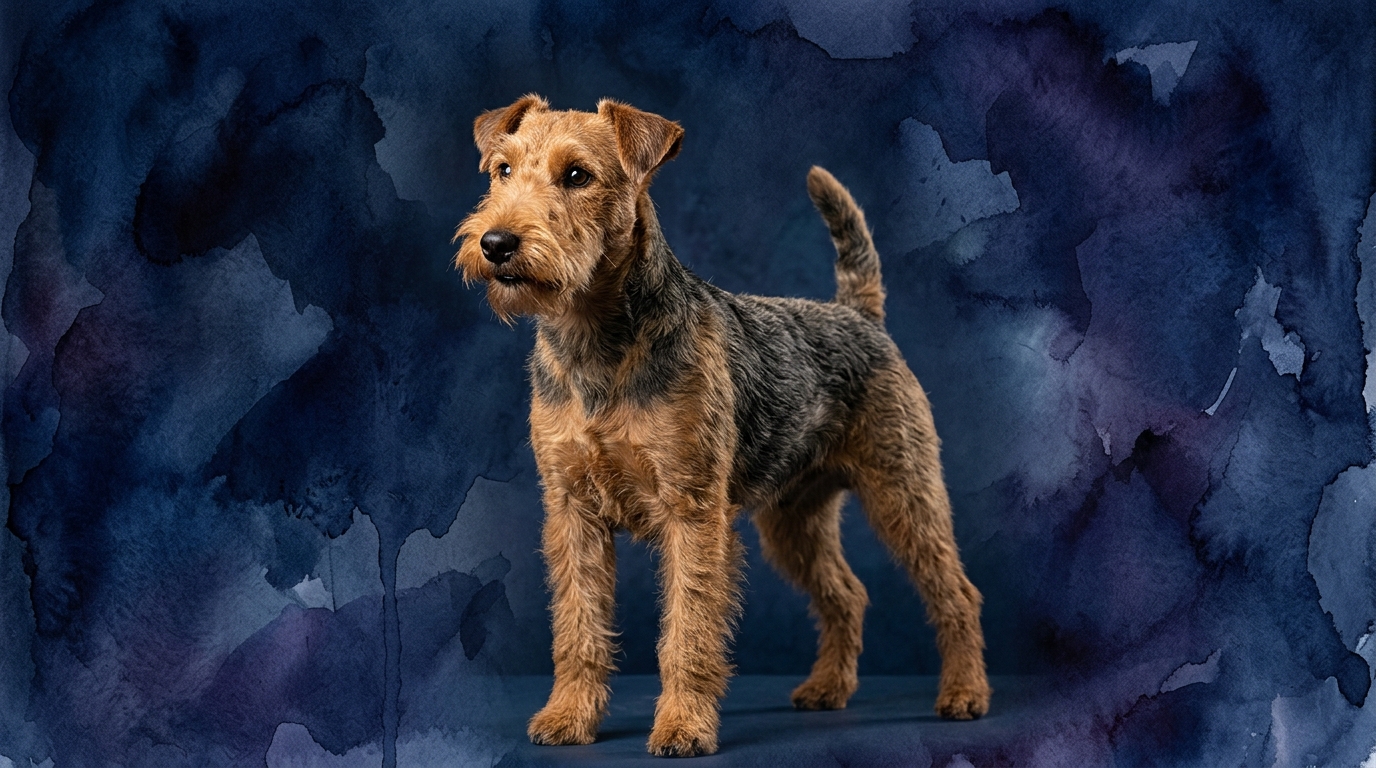

Side-by-Side IQ Profile: Welsh Terrier vs. Norfolk Terrier
At The Cosmic Pet Pet IQ Lab, we evaluate canine intelligence across five key dimensions. Both the Welsh Terrier and the Norfolk Terrier consistently score a 3/5 in each category, indicating a solid, capable cognitive baseline. However, the manifestation of these scores differs in their unique temperaments and behavioral tendencies.
**Welsh Terrier:**
**Problem Solving (3/5):** Welsh Terriers demonstrate a moderate capacity for navigating challenges, often relying on their independent spirit to find solutions. They might tackle a puzzle toy with determined persistence, experimenting with different approaches rather than immediately seeking human assistance. Their self-reliant nature means they are often willing to try unconventional methods, which can be both effective and amusing to observe.
**Training Speed (3/5):** Learning new commands at a moderate pace, Welsh Terriers thrive on engaging, varied training sessions. Repetitive drills can quickly lead to boredom, requiring owners to employ creativity and positive reinforcement to maintain their focus. Consistency is crucial, as their spirited disposition means they can test boundaries if not clearly established.
**Social Intelligence (3/5):** These terriers possess a discerning social intelligence, forming deep bonds with their immediate family and adeptly reading their household's moods and routines. While friendly with familiar faces, they can be reserved or cautious with strangers, observing new individuals before offering their full trust. They understand the social hierarchy within their home and respond accordingly to their family members.
**Instinctive Drive (3/5):** With a moderate but palpable instinctive drive, Welsh Terriers exhibit a keen interest in chasing and digging, rooted in their working terrier heritage. This drive is often expressed through vigorous outdoor exploration, a strong desire to pursue small, moving objects, and a propensity for excavating interesting scents. Providing appropriate outlets for these instincts is vital for their well-being.
**Memory (3/5):** Welsh Terriers retain learned behaviors, commands, and past experiences with reasonable accuracy. They remember training cues, household rules, and the people they've encountered, which contributes to their consistent companionship. Both positive and negative associations are stored, influencing their future responses to similar situations.
**Norfolk Terrier:**
**Problem Solving (3/5):** Norfolk Terriers display a moderate ability to solve problems, often combining their determination with cleverness to achieve desired outcomes. Despite their smaller size, they are persistent in figuring out how to reach a favorite toy or navigate a new environment, often using their wits to overcome minor obstacles. They might try several approaches to a challenge before finding success.
**Training Speed (3/5):** These terriers absorb new information at a moderate rate, responding well to training methods that are fun, positive, and consistent. Their generally more eager-to-please nature can make them feel more responsive in early training stages compared to some other terriers, though they still benefit from short, engaging sessions to prevent their attention from waning.
**Social Intelligence (3/5):** Possessing a robust social intelligence, Norfolk Terriers are typically outgoing and highly attuned to their human family's emotions and activities. They thrive on being involved in household life, often greeting new people with enthusiasm and adapting well to various social situations. Their ability to read and respond to social cues makes them charming companions.
**Instinctive Drive (3/5):** Norfolk Terriers exhibit a moderate instinctive drive, manifesting as a lively interest in exploring, chasing small animals, and occasional digging. They can be vocal when expressing their excitement or alerting to novel sights and sounds, a characteristic tied to their historical role as vermin hunters. Providing safe opportunities to satisfy these instincts is important.
**Memory (3/5):** Norfolks demonstrate a good memory for commands, routines, and the individuals they interact with regularly. They recall past training and social experiences effectively, which facilitates consistent behavior and reinforces their role as reliable family members. This strong recall contributes to their adaptability and steady temperament.
Where the Welsh Terrier Excels Cognitively
While both breeds are rated similarly across the board, the Welsh Terrier's independent problem-solving approach gives them a subtle cognitive advantage in situations requiring self-reliance. They are more inclined to experiment and devise their own solutions without immediate human prompting, showcasing a distinct self-sufficiency when faced with novel challenges. Furthermore, their discerning social intelligence can lead to a more nuanced understanding of their immediate family's needs and boundaries, often translating into a protective awareness of their home environment.
Where the Norfolk Terrier Excels Cognitively
The Norfolk Terrier's cognitive strengths often manifest in their adaptability and social engagement. Their generally more outgoing social intelligence allows them to process new social inputs with less apprehension, making them more versatile companions in varied environments and with new people. This inherent openness, combined with their strong desire to please, can make the initial stages of training feel more fluid, as they are often more receptive to human guidance and positive reinforcement.
Training Experience: Which is Easier and Why?
Despite both breeds sharing a 3/5 rating for training speed, the practical experience of training can differ significantly. Norfolk Terriers, with their slightly more compliant nature and pronounced eagerness to please, might present a smoother training journey for novice owners, often being more motivated by praise and treats. Welsh Terriers, while equally capable, require a more creative and engaging approach due to their independent streak and potential for stubbornness, often testing boundaries or seeking 'loopholes' in commands.
Matching Terriers to Lifestyles: Active vs. Relaxed Owners
When considering lifestyle fit, both terriers require regular activity, but with subtle differences. The Welsh Terrier, with its robust build and pronounced instinctive drive for exploration and digging, often thrives with truly active owners who enjoy long hikes, earthdog trials, or agility sports, enjoying varied and mentally stimulating outdoor adventures. Conversely, the Norfolk Terrier, while still needing daily exercise, might be a slightly better fit for owners who prefer shorter, more frequent walks and substantial indoor companionship, often content being involved in family life after their exercise needs are met.
The Verdict
If you appreciate a dog with a strong, independent spirit, enjoy engaging in varied outdoor activities, and are prepared for a dog that will contribute its own ideas to problem-solving, the Welsh Terrier could be your match.
Opt for a Norfolk Terrier if you desire a highly social companion eager to be involved in family life, appreciate a dog that is generally more amenable to training, and prefer a slightly less intense outdoor activity regimen.
🧠 Find Your Pet's IQ Score
Our Pet IQ Lab assessment covers 25+ tests across 5 cognitive dimensions — personalized to your breed.
Take the Full IQ Test →Frequently Asked Questions
Are Welsh Terriers good with children?
Welsh Terriers can be excellent family dogs, especially with older, respectful children who understand how to interact with a spirited terrier. Early socialization is crucial to ensure they are comfortable and tolerant in a busy household environment.
Do Norfolk Terriers bark a lot?
Norfolk Terriers can be quite vocal, particularly when expressing their excitement, alerting to perceived threats, or engaging their prey drive. Consistent training from a young age can help manage their barking tendencies, but their alert nature means some vocalization is inherent.
How much exercise do these terriers need daily?
Both breeds require daily exercise to remain happy and well-adjusted. A Welsh Terrier typically needs 45-60 minutes of vigorous activity, while a Norfolk Terrier can be content with 30-45 minutes of brisk walking and playtime.