Side-by-Side IQ Profile: Welsh vs. Norwich Terrier
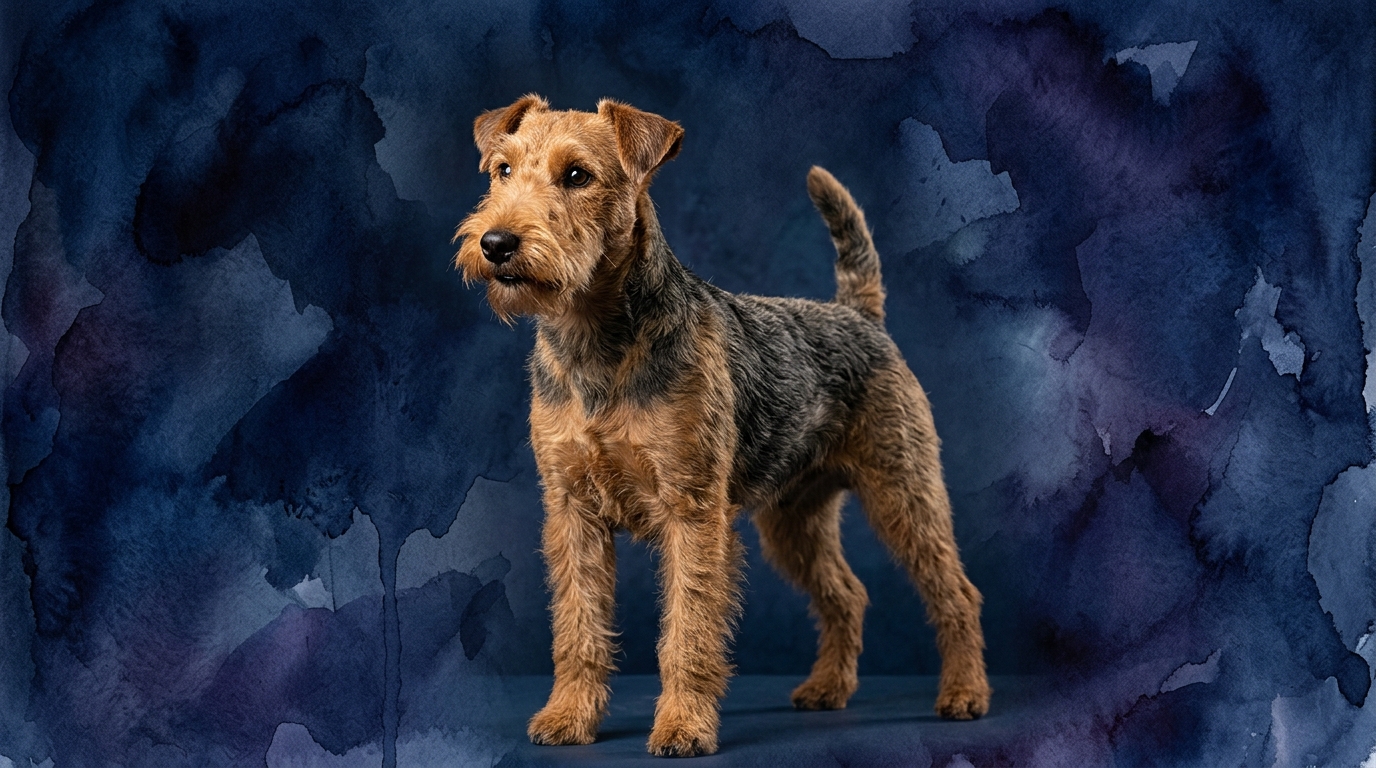
**Welsh Terrier (IQ: Problem Solving 3/5, Training Speed 3/5, Social Intelligence 3/5, Instinctive Drive 3/5, Memory 3/5)**: The Welsh Terrier approaches challenges with a determined independence, often devising their own solutions to obstacles like securing a coveted toy or navigating a tricky gate. While capable, their motivation to solve a problem often hinges on its personal relevance or appeal, sometimes leading to creative but not always owner-approved strategies. Learning new commands comes steadily, provided the training is engaging and consistent; their terrier tenacity means they grasp concepts, but their independent streak might lead them to evaluate if a command is truly worth obeying in the moment. Welsh Terriers are observant of their human companions, understanding routines and emotional states with a discerning eye, forming deep bonds though expressing affection with a certain reserved dignity. Rooted deeply in their working heritage, they exhibit a moderate but present instinctive drive for chasing and exploring, leading to persistent curiosity. Possessing a good memory, the Welsh Terrier retains learned commands and routines effectively, especially those associated with positive experiences, and remembers past interactions.
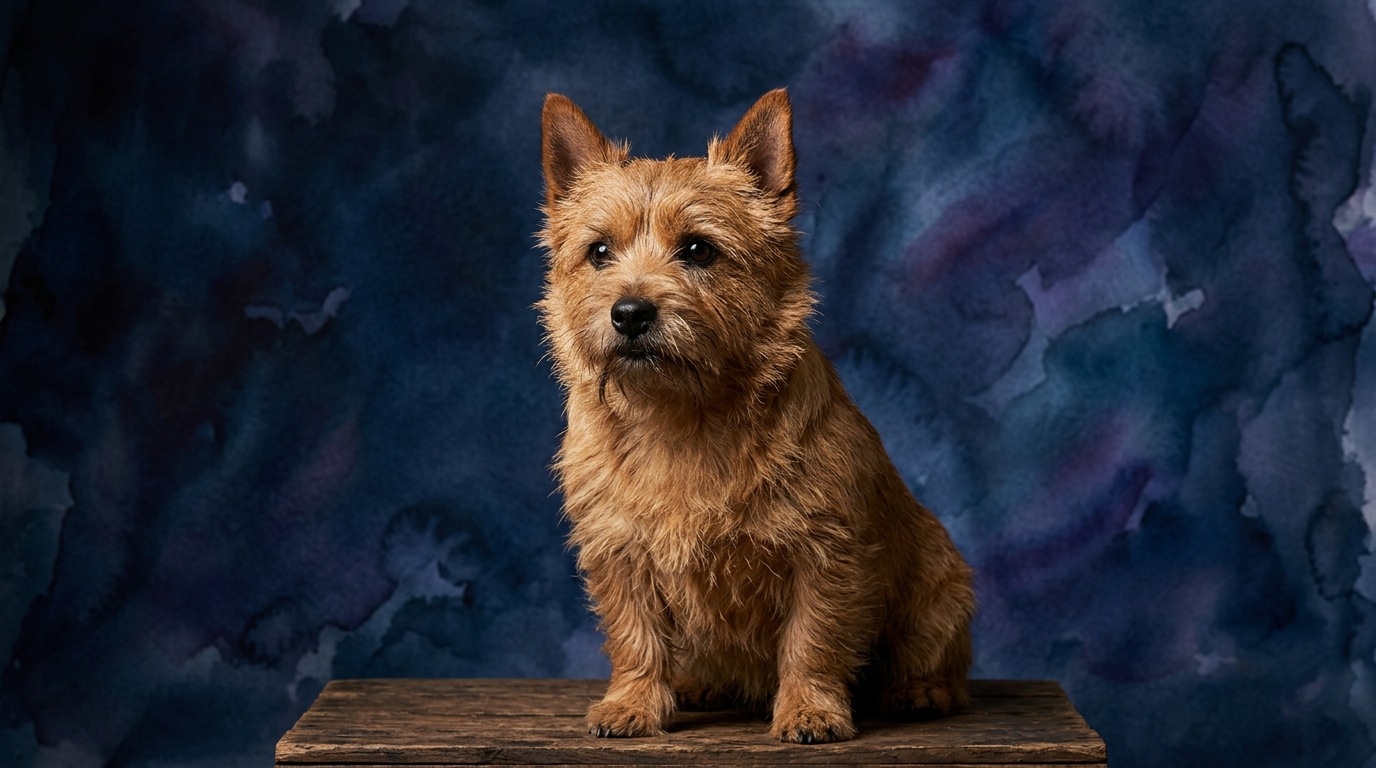
**Norwich Terrier (IQ: Problem Solving 3/5, Training Speed 3/5, Social Intelligence 3/5, Instinctive Drive 3/5, Memory 3/5)**: The Norwich Terrier demonstrates a practical approach to problem-solving, often using their cleverness to achieve immediate goals, such as finding a way to join the family on the couch or retrieve a dropped treat. Their solutions tend to be direct and efficient, driven by a desire for comfort or interaction. Norwich Terriers generally pick up new tasks at a steady pace, often eager to please their owners and enjoy the reward; their biddable nature, combined with a lively spirit, makes them receptive to positive reinforcement, though their attention can sometimes wander if lessons become repetitive. Exceptionally attuned to their family, Norwich Terriers excel at reading human emotions and intentions, often acting as cheerful companions who readily engage in social play and thrive on interaction. While possessing the inherent terrier drive for chasing and digging, their instinctive behaviors are often channeled into playful exploration rather than relentless hunting, making them enthusiastic participants in games. The Norwich Terrier has a reliable memory for commands, routines, and the people they encounter, quickly learning what behaviors lead to positive outcomes.
Where the Welsh Terrier Wins Cognitively
The Welsh Terrier's independent problem-solving often shines in novel situations requiring self-reliance. While a Norwich might look to their owner for guidance, a Welsh Terrier is more likely to assess a situation and devise an individualistic solution, even if it’s not the most conventional or immediately obvious to a human observer. This translates to a robust capacity for adapting to varied environments or figuring out how to achieve a goal when direct instruction isn’t available, demonstrating a strong inner drive to conquer challenges on their own terms. Their cognitive strength lies in this self-directed ingenuity, allowing them to navigate complex scenarios with a unique, often surprising, resourcefulness.
Where the Norwich Terrier Wins Cognitively
The Norwich Terrier excels in applying their problem-solving skills within a social context, often leveraging their understanding of human behavior to achieve their desires. Their biddability and desire to please, combined with their sharp social intelligence, allow them to quickly learn which actions elicit positive responses from their owners. This makes them particularly adept at navigating complex household dynamics and learning intricate routines that involve human interaction, demonstrating a strong capacity for social learning and emotional responsiveness. They are skilled at observing and adapting their behavior based on human cues, making them highly perceptive companions in a family setting.
Which is Easier to Train and Why
The Norwich Terrier generally presents as easier to train due to their more pronounced biddability and inherent desire to engage with and please their human companions. Their social intelligence helps them grasp what is expected, and they often respond well to positive reinforcement, showing a quicker uptake in formal training sessions. In contrast, the Welsh Terrier, while equally capable of learning, possesses a stronger independent streak and a "what's in it for me?" attitude. Training a Welsh Terrier requires more patience, consistency, and creative motivation to convince them that obeying a command aligns with their own interests, making the process potentially more challenging for novice owners. The Norwich's eagerness to participate often streamlines the learning process significantly, making them a more straightforward student.
Suitability for Active vs. Relaxed Owners
Both breeds benefit from active owners, but the Welsh Terrier particularly thrives with individuals who enjoy engaging in consistent training, puzzle games, and varied outdoor activities. Their independent spirit means they require mental stimulation to prevent boredom and channeling their cognitive energies into productive outlets. Owners who appreciate a dog with a strong personality and are prepared for consistent, engaging interaction will find a rewarding companion in the Welsh Terrier, as they demand a thoughtful approach to their care.
The Norwich Terrier, while still energetic, can adapt more readily to a slightly less intense daily routine, provided they receive regular exercise and ample social interaction. Their affectionate nature means they are often content to be close to their family, making them suitable for owners who enjoy a more laid-back companionship but are still committed to daily walks and playtime. They are often more forgiving of slight variations in routine, thriving on consistent companionship and a stable environment rather than constant new challenges, making them a good fit for active but not necessarily high-intensity households.
The Verdict
Opt for a Welsh Terrier if you appreciate a dog with a strong, independent mind and are prepared to invest consistent effort into engaging their intelligent, sometimes stubborn, personality with varied challenges and mental stimulation.
Select a Norwich Terrier if you seek a cheerful, socially astute companion who is eager to participate in family life and responds readily to positive training methods, thriving on close interaction and a stable routine.
🧠 Find Your Pet's IQ Score
Our Pet IQ Lab assessment covers 25+ tests across 5 cognitive dimensions — personalized to your breed.
Take the Full IQ Test →Frequently Asked Questions
Do Welsh Terriers and Norwich Terriers have similar energy levels?
Both breeds are energetic terriers requiring daily exercise to stay content and healthy. While the Welsh Terrier might exhibit slightly more independent drive in their play, both will thrive with regular walks, playtime, and mental stimulation to burn off their lively energy and prevent boredom.
Are these breeds good with children and other pets?
Both can be good with respectful children and other pets when properly socialized from a young age. Norwich Terriers often adapt more readily to varied household dynamics due to their outgoing nature, while Welsh Terriers might require more careful introductions and supervision with smaller, prey-like pets due to their stronger independent hunting instincts.
What kind of mental stimulation do these terriers need?
Both benefit from puzzle toys, scent work, and consistent training to engage their problem-solving abilities and prevent boredom. Welsh Terriers particularly enjoy tasks that allow them to work independently, while Norwich Terriers often thrive on learning new tricks and participating in interactive games that involve their owners.