
Side-by-Side Cognitive Profile
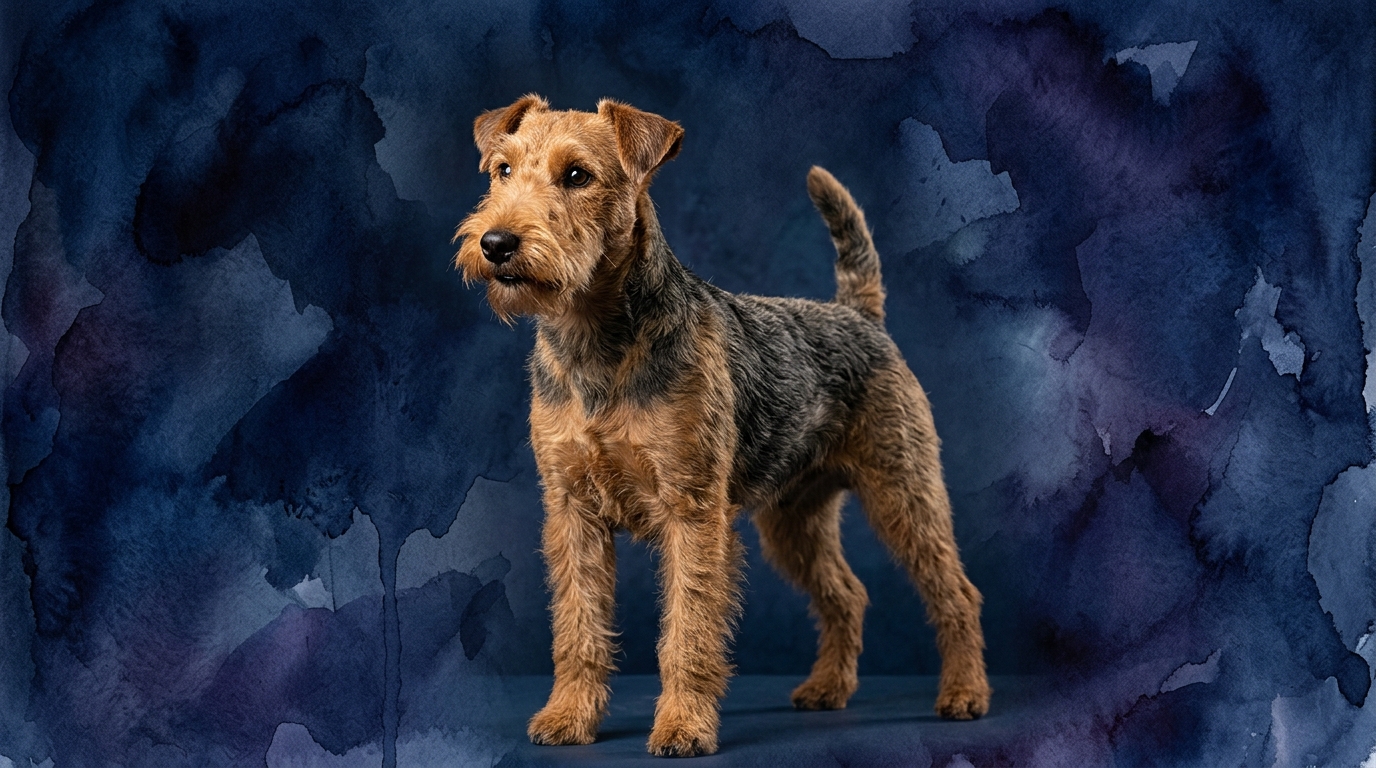
The Welsh Terrier consistently scores 3/5 across all five cognitive dimensions, reflecting a balanced yet distinct intellectual makeup. Their Problem Solving (3/5) is characterized by a practical, persistent approach to navigating their environment, often driven by instinct. They display moderate ingenuity in figuring out how to access desired objects or explore intriguing spaces, employing physical manipulation rather than complex strategizing. Training Speed (3/5) suggests they learn new commands at a moderate pace, but their inherent terrier independence means they often require engaging, consistent, and positive reinforcement methods to maintain focus and compliance. Their Social Intelligence (3/5) allows them to understand and adapt to family dynamics, yet they retain a characteristic terrier self-reliance, observing social cues within their trusted circle while maintaining a degree of reservedness with strangers. The Instinctive Drive (3/5) is notably strong, rooted in their hunting heritage, manifesting as a moderate but persistent urge to chase, dig, and investigate, which demands appropriate outlets. Finally, their Memory (3/5) is reliable for routines, learned behaviors, and associations, allowing them to recall commands and adapt to household expectations, though complex sequences benefit from regular practice.
The Russian Toy also registers a consistent 3/5 across the cognitive spectrum, but their expression of these abilities is finely tuned to companionship. Their Problem Solving (3/5) often revolves around social navigation and comfort-seeking; they are moderately adept at figuring out how to secure a warm lap, gain attention, or locate a favorite toy. This ingenuity is more about strategic interaction than physical conquest. Training Speed (3/5) indicates a moderate learning pace, with motivation largely stemming from a desire to please their beloved human. Their sensitive nature means gentle, positive-reinforcement-based training is most effective, as harsh methods can hinder their progress. Social Intelligence (3/5) is a prominent feature, enabling them to keenly perceive human emotions, moods, and household routines, making them exceptionally empathetic companions who often anticipate their owner's needs. The Instinctive Drive (3/5), while present, is primarily focused on companionship and alertness, manifesting as a moderate tendency to bark at perceived threats or engage in playful, interactive pursuits rather than strong prey drive. Their Memory (3/5) is robust for routines, commands, and especially for the people and positive experiences they cherish, fostering deep bonds and consistent responses within their familiar environment.
Cognitive Strengths of the Welsh Terrier
The Welsh Terrier's cognitive strengths are particularly evident in their practical application of problem-solving and instinctive drive. Their 3/5 problem-solving ability, while not groundbreaking, is finely tuned for environmental navigation and overcoming physical challenges, often in pursuit of a perceived goal like a hidden toy or a scent. This manifests as a persistent, hands-on approach to figuring things out, rather than abstract thought. They possess a robust memory for spatial layouts and successful past strategies related to these physical pursuits. Their social intelligence, at 3/5, enables them to effectively gauge the boundaries and expectations within their human family, allowing them to operate with a degree of charming independence while still understanding their place in the household structure. This blend of practical intellect and self-assured social awareness makes them capable of navigating a diverse range of situations with a characteristic terrier tenacity.
Cognitive Strengths of the Russian Toy
The Russian Toy's cognitive strengths shine brightest in their nuanced social understanding and adaptability within a human-centric world. Their 3/5 social intelligence allows them to be remarkably perceptive of human emotions, moods, and routines, making them excellent companions who can anticipate needs or offer comfort. This keen observational skill, combined with their 3/5 memory, means they quickly learn household rhythms and preferred interactions, creating a strong, predictable bond with their owners. Their problem-solving, also a 3/5, often manifests in subtle ways, such as strategically positioning themselves for maximum attention or comfort, or skillfully communicating their desires through vocalizations or body language. Their moderate instinctive drive focuses more on alert companionship than physical pursuit, making them watchful guardians of their immediate domain and highly attuned to their human family's presence.
Training Dynamics: Welsh Terrier vs. Russian Toy
Determining which breed is "easier" to train between the Welsh Terrier and the Russian Toy, both with a 3/5 training speed, comes down to understanding their primary motivations and inherent temperaments. The Welsh Terrier's independent and tenacious Terrier nature means that while they are capable learners, their willingness to comply can be selective. They often require training to be framed as a collaborative game, appealing to their problem-solving skills and moderate instinctive drive, rather than rote obedience. Their strong-willed disposition can make them test boundaries, meaning consistency and clear, positive leadership are paramount to prevent them from developing their own "rules." In contrast, the Russian Toy, while equally capable of learning at a moderate pace, is typically motivated by a strong desire to please their cherished human and receive affection. Their sensitive nature means they respond best to gentle, positive reinforcement methods, and can shut down or become anxious if training is harsh or inconsistent. While they might be prone to distraction or possess a shorter attention span in novel environments, their inherent biddability and focus on their owner can make them appear more amenable to structured training, provided the environment is calm and rewarding. Therefore, neither is inherently "easier," but the *approach* required for successful training differs significantly, with the Russian Toy potentially being more responsive to a gentle, bond-focused methodology, whereas the Welsh Terrier demands a more resilient and creative trainer.
Lifestyle Compatibility: Active vs. Relaxed Owners
When considering lifestyle compatibility, the Welsh Terrier generally aligns better with active owners, while the Russian Toy is more suited for relaxed owners, though both can adapt. The Welsh Terrier's 3/5 instinctive drive and moderate problem-solving skills mean they thrive with regular physical and mental engagement. They need consistent opportunities for exercise, whether it's brisk walks, structured play, or engaging in dog sports like agility or earthdog trials. Their independent nature and moderate energy levels require an owner who can provide stimulating activities and consistent training to channel their cognitive and physical energy productively. A relaxed owner might find their spirited nature and desire for activity overwhelming. The Russian Toy, with its similar 3/5 scores but a different application, typically prefers a more relaxed, indoor-centric lifestyle. While they enjoy short walks and playful interactions, their primary need is companionship and close proximity to their human family. Their moderate social intelligence and memory make them excellent lap dogs and attentive observers of household life. They are content with less strenuous activity, making them ideal for individuals or families who prefer a quiet home life and can offer abundant affection and gentle interaction.
The Verdict
Choose the Welsh Terrier if you're an active, experienced owner who appreciates an independent, spirited companion capable of engaging in stimulating activities and can provide consistent, firm-but-fair training. Their tenacious approach to problem-solving and moderate instinctive drive make them rewarding for those seeking a dog with character and purpose.
Opt for the Russian Toy if you desire a devoted, perceptive companion who thrives on close human interaction and a gentler, more relaxed home environment. Their keen social intelligence and moderate memory make them wonderfully attuned to their owners, suitable for those who prioritize companionship and can offer consistent, positive reinforcement.
🧠 Find Your Pet's IQ Score
Our Pet IQ Lab assessment covers 25+ tests across 5 cognitive dimensions — personalized to your breed.
Take the Full IQ Test →Frequently Asked Questions
Do Welsh Terriers and Russian Toys have similar learning capabilities?
While both breeds score 3/5 in training speed, their learning styles differ significantly. Welsh Terriers learn well with engaging, game-based methods that appeal to their independence, whereas Russian Toys respond best to gentle, positive reinforcement due to their sensitive nature and strong desire to please their owner.
How does their problem-solving ability manifest differently despite similar scores?
The Welsh Terrier's 3/5 problem-solving often involves practical, physical challenges like navigating obstacles or pursuing scents, driven by their terrier instincts. The Russian Toy's 3/5 problem-solving tends to be more socially oriented, such as finding ways to gain human attention or comfort, leveraging their perceptiveness and bond with their owners.
Is one breed more prone to separation anxiety based on their social intelligence?
The Russian Toy, with its strong emphasis on human companionship and keen social intelligence (3/5), can be more prone to separation anxiety if not properly acclimated to alone time due to their deep attachment. Welsh Terriers (also 3/5 social intelligence) are more independent but can still develop anxiety if their social needs aren't met or if they lack sufficient mental and physical stimulation.