Side-by-Side Cognitive Profiles: Decoding Identical Scores
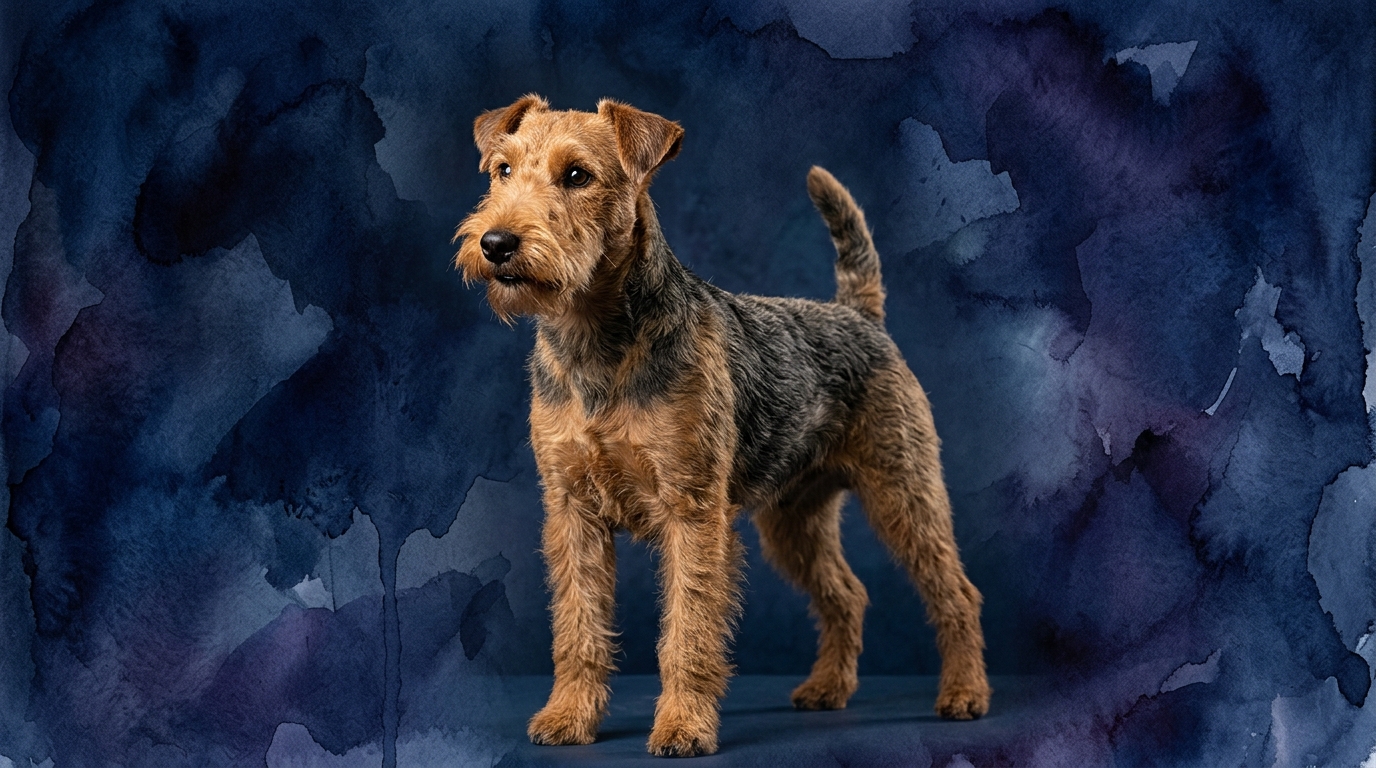
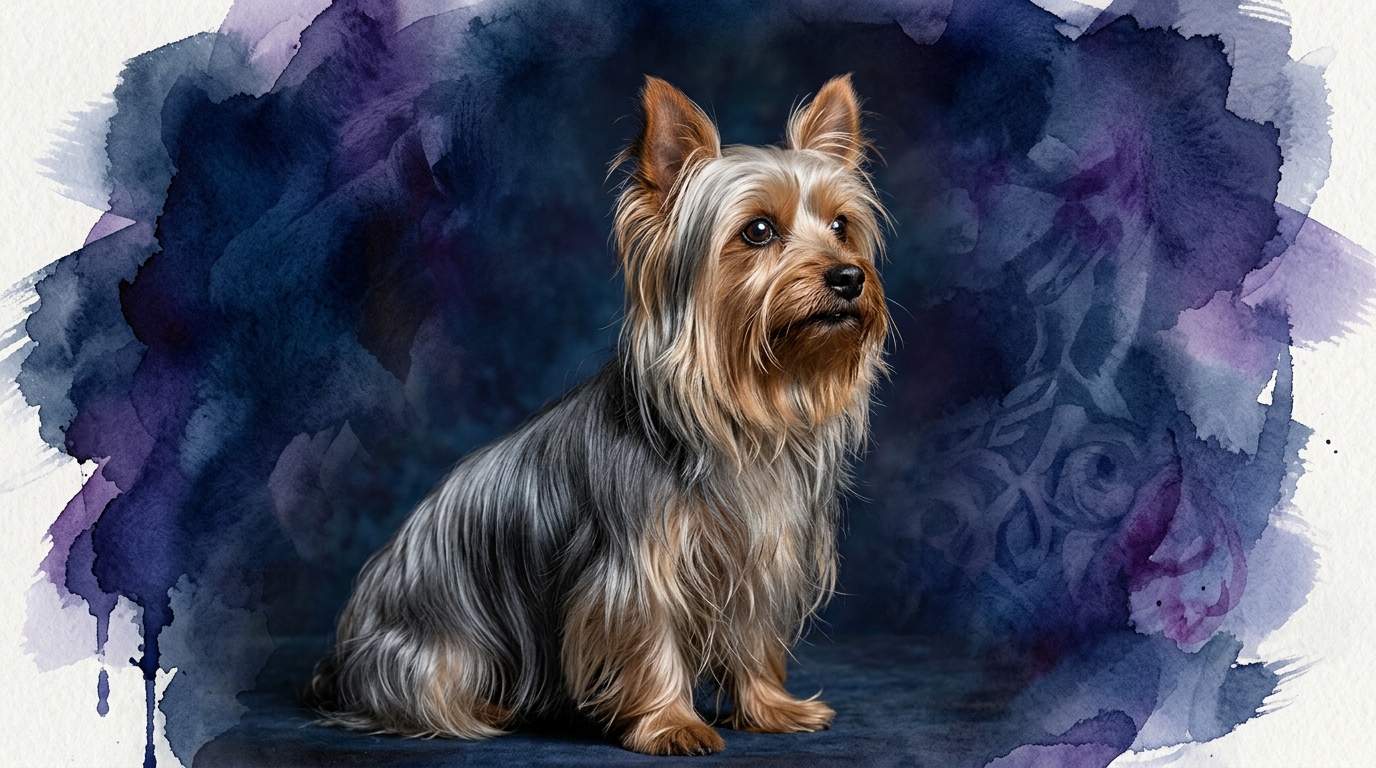
Both the Welsh Terrier and the Silky Terrier register a consistent 3 out of 5 across all five cognitive dimensions: Problem Solving, Training Speed, Social Intelligence, Instinctive Drive, and Memory. This parity is intriguing, suggesting that while their foundational cognitive abilities are similar, the *application* and *expression* of these abilities are shaped significantly by their breed group heritage—Terrier versus Toy.
For Problem Solving (3/5), the Welsh Terrier typically applies this capacity to navigating complex environments, often in pursuit of a perceived 'quarry,' demonstrating a tenacious, independent streak in figuring out how to get what it wants, be it through digging under a fence or outsmarting a puzzle toy. The Silky Terrier, conversely, might direct its problem-solving acumen towards more domestic challenges, such as strategically positioning itself for maximum human attention, figuring out how to open a treat cupboard, or manipulating social situations to its advantage, often with a charming persistence.
Training Speed (3/5) indicates that both breeds possess an average capacity for learning new commands and routines. However, the Welsh Terrier's terrier independence means it might learn quickly but choose to comply selectively, often requiring more engaging and varied training methods to maintain its interest. The Silky Terrier, while also at a 3/5, often exhibits a strong desire to please its primary caregivers, which can sometimes translate into a quicker initial uptake of commands, though it can also be easily distracted by its surroundings or its own vocalizations.
Social Intelligence (3/5) in the Welsh Terrier often manifests as a keen observation of its human family, understanding routines and emotional states, though they might not always seek to actively participate in social interactions in the same way a more overtly companion-focused breed might. They are discerning and capable of forming strong bonds but often on their own terms. The Silky Terrier, as a member of the Toy group, typically demonstrates its social intelligence through a deep attunement to human moods, often seeking to comfort or engage, and adept at reading subtle cues to anticipate interactions, making them highly responsive companions within their social circle.
Instinctive Drive (3/5) is where the breed groups truly diverge in expression despite the identical score. For the Welsh Terrier, this score underpins its robust prey drive, an urge to chase, dig, and explore, rooted in its history as a working terrier. This drive is a powerful motivator and shapes much of its natural behavior. The Silky Terrier's 3/5 instinctive drive is often channeled into a more scaled-down, yet still present, 'terrier-like' feistiness towards small moving objects or perceived intruders, coupled with a strong companion drive, expressing itself through vocalization, vigilance, and a persistent need for closeness and interaction. Their 'work' is often to be a vigilant, engaging companion.
Memory (3/5) in both breeds suggests a reliable capacity to recall learned behaviors, routines, and experiences. A Welsh Terrier might have a precise memory for the location of buried toys, the best routes through a park, or past interactions with other animals. A Silky Terrier's memory is often focused on the details of daily routines, the specific commands associated with rewards, and the habits of its human family, remembering which family member is most likely to share a treat or offer a lap.
Where the Welsh Terrier Excels Cognitively
The Welsh Terrier's cognitive strengths lie in its independent problem-solving and tenacious application of its instinctive drives within a physical environment. Their 3/5 problem-solving score is often fueled by a robust, self-directed curiosity, making them adept at navigating complex outdoor spaces or figuring out how to access things they desire without direct human intervention. This breed excels when given a 'job' that requires some level of autonomous thought, such as scent work or agility challenges where they can apply their physical prowess and mental determination to overcome obstacles. Their memory, also at 3/5, supports their ability to learn and recall intricate sequences for tasks, making them reliable in activities that demand precision over time, provided they are sufficiently motivated.
Where the Silky Terrier Excels Cognitively
The Silky Terrier's cognitive advantages are most apparent in its social adaptability and nuanced understanding of human-centric environments. Their 3/5 social intelligence allows them to be exceptionally perceptive of human emotions and social dynamics, making them highly responsive and emotionally attuned companions. They often demonstrate a sophisticated understanding of routines and expectations within a household, leveraging their problem-solving skills to fit seamlessly into family life or even gently steer it. Their memory, while average, is often applied to remembering social cues and the specific preferences of their family members, enhancing their role as an engaging and interactive housemate. They thrive in environments where their social intellect is acknowledged and engaged.
Training Dynamics: Which is Easier and Why?
Despite identical 3/5 training speed scores, the ease of training can differ significantly between these two breeds due to their underlying temperaments. The Welsh Terrier, with its strong terrier independence and instinctive drive, often requires a trainer with patience, consistency, and a creative approach to motivation. They are not inherently eager to please in the same way some breeds are; instead, they need to be convinced that training is a rewarding and engaging activity. Their problem-solving abilities might lead them to test boundaries, requiring firm yet positive reinforcement to establish clear expectations. Training a Welsh Terrier often becomes a partnership where the dog's intelligence is respected, and its drive is channeled productively rather than suppressed.
The Silky Terrier, while equally capable of learning, can be perceived as 'easier' to train for owners who value a dog that is highly responsive to social cues and attention. Their desire to be involved with their humans, coupled with their social intelligence, can make them more amenable to positive reinforcement methods, especially when treats and praise are used. However, their smaller size and potential for vocalization mean that consistency is paramount to prevent unwanted behaviors like excessive barking or selective hearing. They can be sensitive to harsh corrections, responding best to gentle guidance and clear, consistent communication. Their training success often hinges on the owner's ability to provide engaging, positive experiences that reinforce their bond.
Matching Lifestyles: Active Owners vs. Relaxed Owners
For active owners seeking a canine partner for outdoor adventures and structured activities, the Welsh Terrier is often the more suitable choice. Their 3/5 instinctive drive, combined with their problem-solving acumen, makes them excellent candidates for agility, earthdog trials, hiking, or long walks where they can explore and engage their senses. They require consistent mental and physical stimulation to prevent boredom and ensure their energetic nature is channeled constructively. An owner who enjoys training challenges and can provide varied experiences will find a fulfilling companion in the Welsh Terrier, one who appreciates a dynamic lifestyle.
Conversely, for owners who prefer a more relaxed yet still interactive home life, the Silky Terrier often fits better. While they are not couch potatoes and do enjoy walks and playtime, their primary needs revolve around companionship and intellectual engagement within the home environment. Their social intelligence thrives on interaction with their family, and they are generally content with moderate daily exercise complemented by indoor games, puzzle toys, and training sessions that strengthen their bond. They are well-suited for owners who appreciate a dog's presence and enjoy consistent, affectionate interaction, making them ideal for apartment living or homes where the focus is on shared domestic activities.
The Verdict
Choose the Welsh Terrier if you're an active owner seeking an independent, tenacious partner for outdoor pursuits and engaging training challenges, valuing their robust, self-directed intelligence.
Opt for the Silky Terrier if you desire a socially astute, affectionate companion who thrives on close interaction and can adapt seamlessly to a home-centric lifestyle, appreciating their nuanced social intelligence.
🧠 Find Your Pet's IQ Score
Our Pet IQ Lab assessment covers 25+ tests across 5 cognitive dimensions — personalized to your breed.
Take the Full IQ Test →Frequently Asked Questions
Do Welsh Terriers and Silky Terriers really have the same intelligence level?
Based on The Cosmic Pet Pet IQ Lab's five dimensions, both breeds score identically at 3/5 across the board. However, their breed origins mean these identical scores manifest in distinct behaviors and preferred types of mental engagement, making their practical intelligence expression quite different.
Which breed is better for first-time dog owners?
Neither breed is typically recommended as a 'beginner' dog without proper research, but the Silky Terrier's desire to please and social nature might be marginally easier for a first-time owner willing to be consistent with training and socialization. The Welsh Terrier's independence can be more challenging for those new to dog ownership.
How can I best stimulate a Welsh Terrier's mind compared to a Silky Terrier's?
For a Welsh Terrier, focus on activities that engage their prey drive and problem-solving, such as scent work, agility, or interactive puzzle toys that require determination. For a Silky Terrier, mental stimulation often comes from interactive play with their owner, learning new tricks, and puzzle toys that reward their social attentiveness and cleverness within the home.