Side-by-Side IQ Profile: West Highland White Terrier vs. Chow Chow
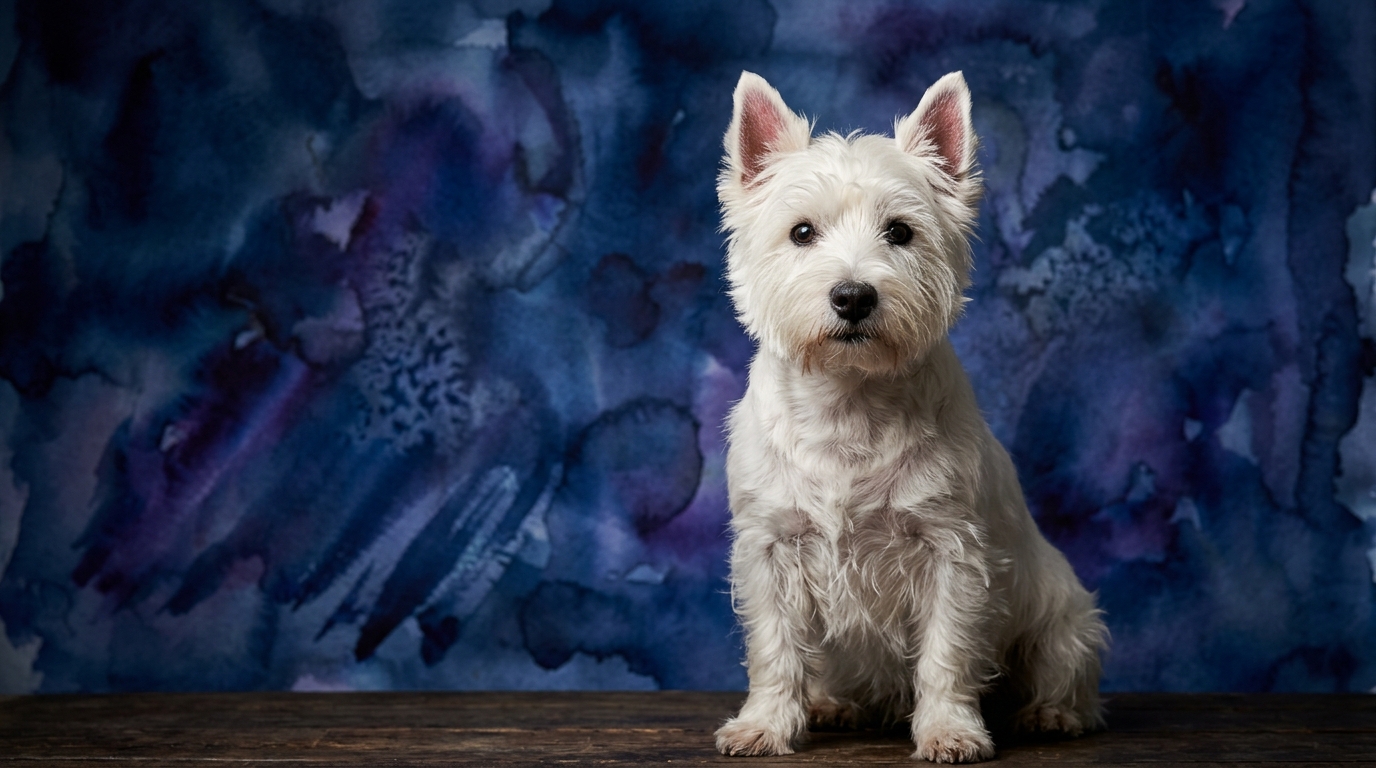
The West Highland White Terrier, ranking #47 on the Coren scale, presents a distinct cognitive makeup. Their problem-solving at 3/5 reflects a resourceful and often persistent nature, enabling them to navigate complex environments or figure out how to access desired items, often using their keen senses. Training speed at 3/5 indicates they grasp concepts at a moderate pace, but their independent streak might influence consistency, requiring engaging methods to maintain their focus. Social intelligence at 3/5 suggests they are capable of understanding human cues and social dynamics within their family unit, but they may prioritize their own agenda or terrier instincts over constant human validation. Instinctive drive at 3/5 is deeply rooted in their heritage as earth dogs, manifesting as a strong prey drive, a persistent desire to dig, and an insatiable curiosity for exploration. A standout memory score of 4/5 means they retain learned commands, routines, and experiences effectively, aiding significantly in long-term behavioral patterns and making them quite reliable once a lesson is solidified.
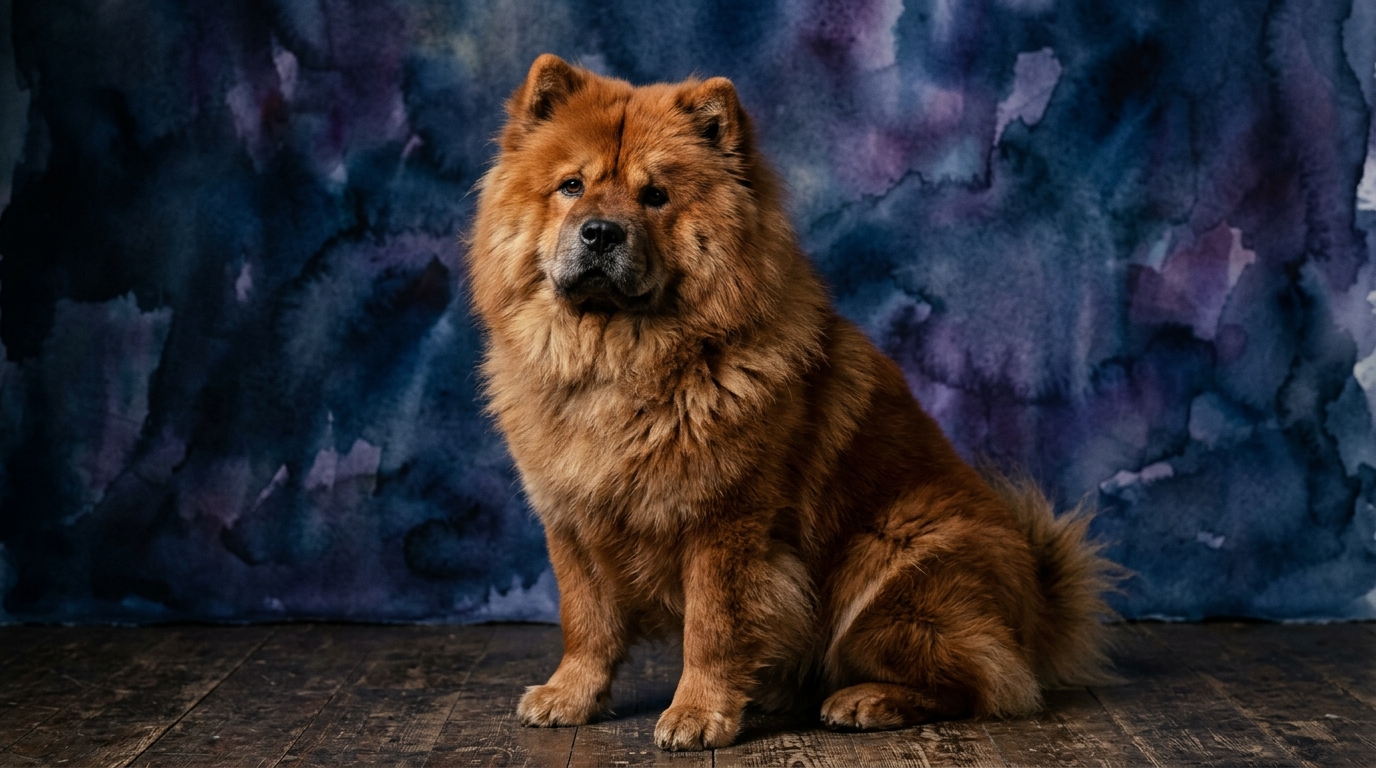
In contrast, the Chow Chow, positioned at #76 on the Coren scale, offers a different intellectual approach. Their problem-solving also scores 3/5, but this often manifests as a deliberate, independent assessment of situations rather than a quick, reactive approach. They ponder and decide, rather than acting impulsively, which can be an asset in situations requiring calm judgment. Their training speed at 3/5 means they learn at a similar pace to the Westie, yet their inherent independence and dignified nature can make them less inclined to perform repetitive tasks or commands without clear motivation that aligns with their personal values. Social intelligence at 3/5 suggests they observe and understand their environment and social hierarchies well, but their famously reserved nature means they may not always choose to engage or respond in outwardly expressive ways typical of more social breeds, often preferring a quiet, watchful presence. An instinctive drive of 3/5 primarily reflects their historical roles as guardians and companions, manifesting as a strong sense of territory and loyalty to their chosen few, rather than a high-energy prey drive. Their memory score of 3/5 indicates they remember commands and experiences, but perhaps with less precision or retention for tasks they deem trivial, potentially requiring more consistent and patient reinforcement over time compared to the Westie.
Where the West Highland White Terrier Wins Cognitively
The West Highland White Terrier exhibits a cognitive edge primarily in its memory and the application of learned behaviors within its driven framework. With a memory score of 4/5, they demonstrate a superior capacity for retaining commands, routines, and past experiences compared to the Chow Chow's 3/5. This robust memory means a Westie can reliably recall a wider range of cues and adapt their behavior based on prior outcomes, making them consistent in established training. Their terrier instincts, while sometimes challenging, contribute to a resourceful problem-solving style (3/5) where they use their memory of successful past actions to navigate new situations, particularly those involving scent work or object retrieval. This often translates into a dog that, once taught, remembers the rules of the house or the sequence of a trick with impressive accuracy, facilitating smoother daily interactions. Their slightly higher Coren rank (47 vs 76) also hints at a greater adaptability to novel situations and a more eager engagement with human-directed tasks, leveraging their memory to connect actions with rewards efficiently.
Where the Chow Chow Wins Cognitively
The Chow Chow’s cognitive strengths lie in its profound independence and discerning nature, which, while often perceived as aloofness, is a sophisticated form of self-reliance. Scoring 3/5 in problem-solving, their approach is less about quick reactions and more about deliberate, often solitary assessment. This breed excels in situations requiring autonomous decision-making, where they are not relying on constant human direction but rather on their own judgment, a trait honed by centuries as guardians and companions requiring minimal fuss. Their social intelligence, also 3/5, manifests as a keen observation of their environment and household dynamics without necessarily seeking constant interaction or validation. This allows them to maintain a calm, self-possessed demeanor, processing information internally before deciding on a response. While their memory scores 3/5, their retention is often tied to what they deem important for their role as a family member or guardian, remembering who belongs and who doesn't with unwavering clarity. This independent thought process, while making them less eager to please in traditional training, allows them to operate effectively as solitary protectors or dignified companions, making their own intelligent choices when left to their own devices.
Which is Easier to Train and Why
When it comes to ease of training, the West Highland White Terrier generally presents a more straightforward path than the Chow Chow. Both breeds share a 3/5 score in training speed, indicating they can grasp new concepts at a moderate pace. However, the Westie's overall cognitive profile, particularly its superior memory (4/5) and typical terrier drive for engagement, makes the actual application of training more fluid. Westies often display a spirited eagerness to participate in activities with their people, even if they possess an independent streak; they are typically more motivated by praise, treats, and the sheer joy of working alongside their owner. Their memory allows them to consistently recall commands and sequences, minimizing the need for constant re-teaching.
In contrast, the Chow Chow’s profound independence and reserved nature can make training a test of patience and understanding. While they are capable of learning, their 3/5 social intelligence means they may not always see the immediate benefit in complying with every command, preferring to evaluate its necessity or their own inclination. Training a Chow Chow requires immense consistency, positive reinforcement, and a deep respect for their self-possessed character, often feeling more like a negotiation than a directive. Their loyalty is earned, not given freely, and this impacts their willingness to perform on command, making the Westie, with its comparatively more eager-to-please disposition, the easier student for most owners.
Which Suits Active Owners vs. Relaxed Owners
The choice between a West Highland White Terrier and a Chow Chow also hinges significantly on an owner's lifestyle and activity level. The West Highland White Terrier, with its instinctive drive of 3/5, is a small but mighty bundle of energy, bred for active pursuit and exploration. They thrive with owners who can provide consistent daily exercise, engaging play sessions, and mental stimulation to satisfy their curious minds and tenacious spirit. An active owner who enjoys walks, games of fetch, or even introductory agility would find the Westie a delightful and enthusiastic companion. Their social intelligence of 3/5 means they are generally keen to interact and participate in family activities, making them suitable for dynamic households.
Conversely, the Chow Chow, while a large and imposing breed, often possesses a more reserved and less overtly energetic demeanor. Their 3/5 instinctive drive is typically channeled into guarding and watchful observation rather than relentless physical exertion. They are content with moderate daily walks and appreciate a calm, predictable environment. A relaxed owner who values a dignified, self-sufficient companion and is prepared to offer gentle, consistent interaction without demanding constant boisterous play would find the Chow Chow a suitable match. While they still require mental engagement and physical activity to stay healthy, their requirements are generally lower-impact than the Westie's, aligning better with a more tranquil household pace.
The Verdict
Choose a West Highland White Terrier if you seek an engaging, spirited companion eager to participate in daily activities, valuing their sharp memory and tenacious problem-solving in a smaller, active package.
Opt for a Chow Chow if you appreciate a dignified, independent companion who offers a profound, self-possessed presence, valuing their calm observation and deliberate decision-making over constant interaction.
🧠 Find Your Pet's IQ Score
Our Pet IQ Lab assessment covers 25+ tests across 5 cognitive dimensions — personalized to your breed.
Take the Full IQ Test →Frequently Asked Questions
Are Westies truly smarter than Chow Chows, given their Coren rank?
While the Westie's Coren rank of 47 is significantly higher than the Chow Chow's 76, this primarily reflects their "working and obedience intelligence" – their ability to learn and comply with human commands. It doesn't necessarily mean one breed possesses a universally "superior" intellect, but rather different cognitive strengths and motivations, with Westies generally being more responsive to training directives.
What training methods work best for a Chow Chow's independent nature?
Training a Chow Chow requires immense patience, positive reinforcement, and an understanding of their self-reliant personality. Focus on short, engaging sessions, use high-value rewards, and maintain consistency, respecting their deliberate decision-making rather than trying to force compliance, fostering a bond of mutual respect.
How does a Westie's superior memory impact daily life and training?
A Westie's 4/5 memory score means they quickly retain routines, commands, and past experiences, making them highly consistent once a behavior is learned. This aids in faster skill acquisition and more reliable recall, but also means they will remember negative experiences or inconsistencies, emphasizing the importance of positive, clear training from the start.