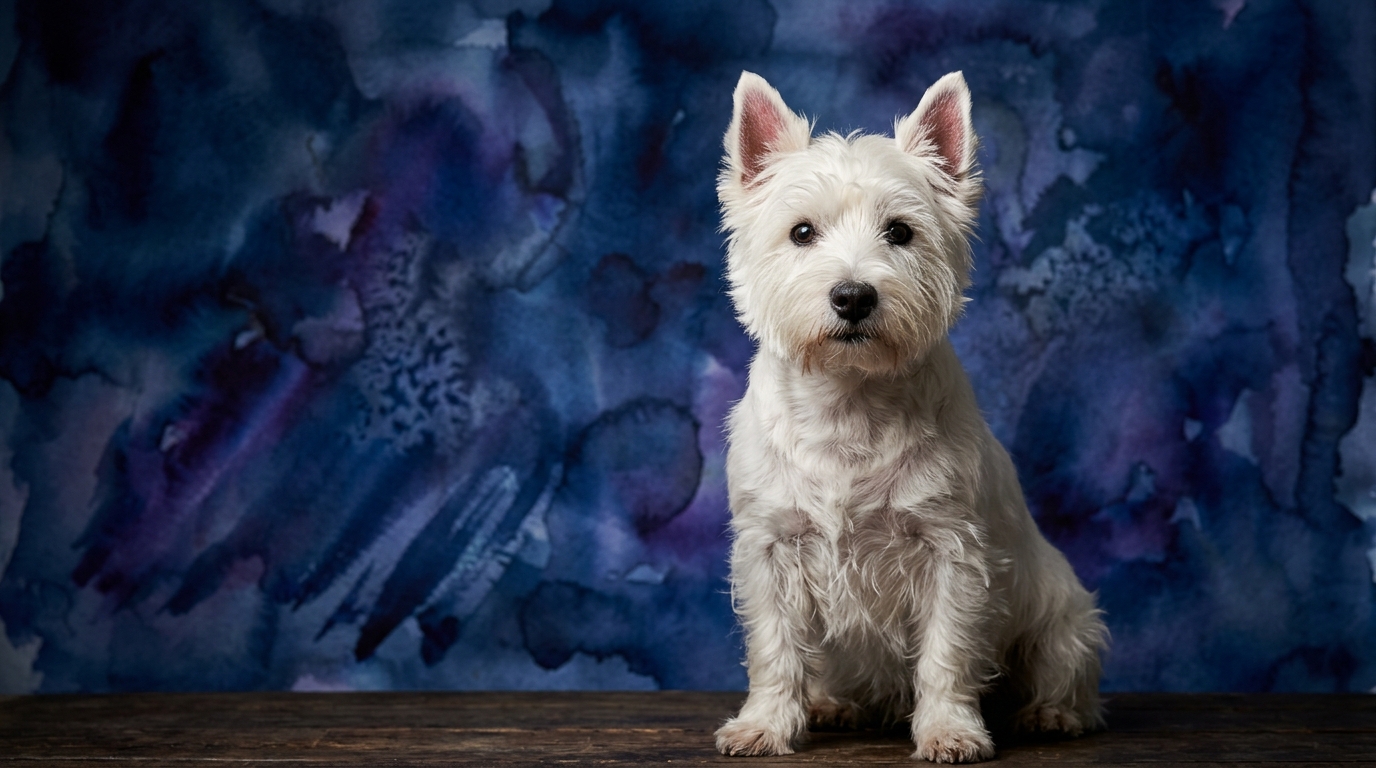
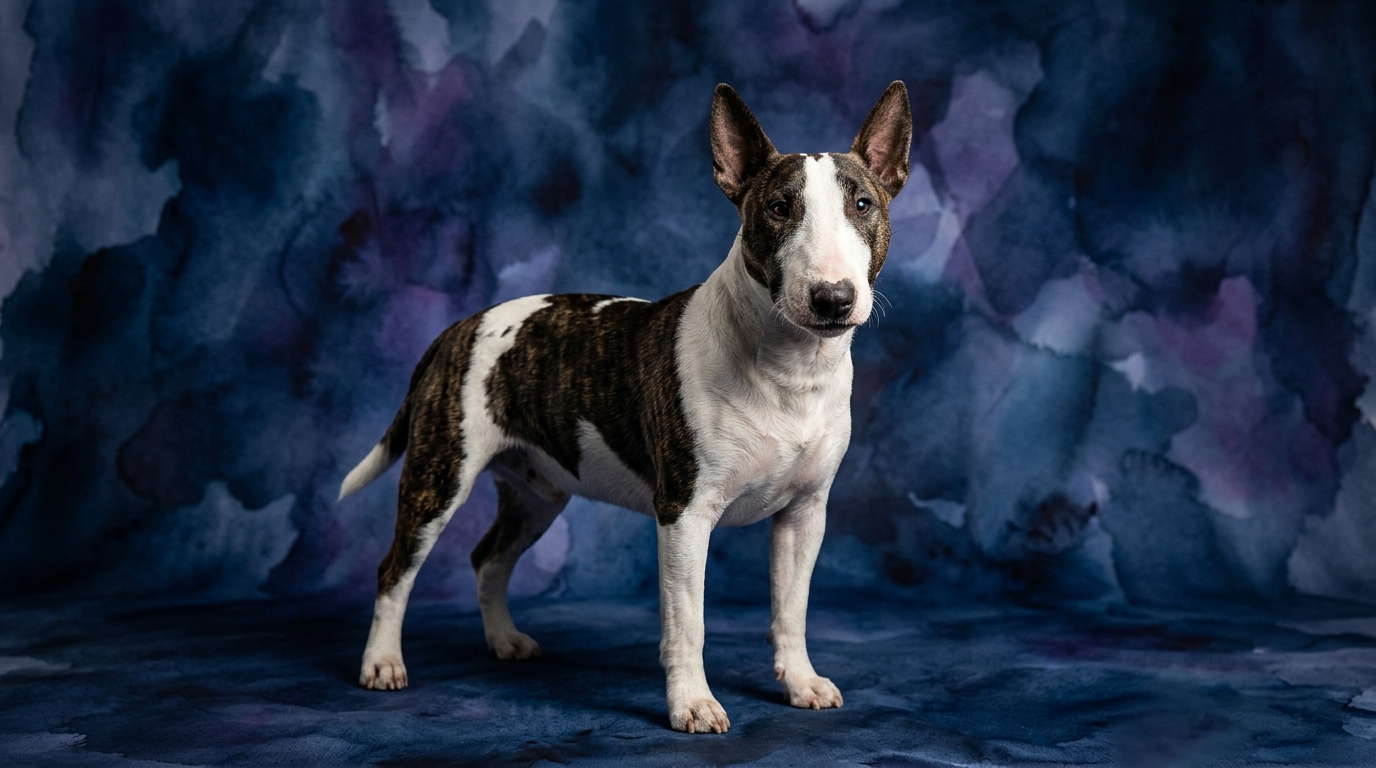
Side-by-Side Cognitive Profiles: Decoding Their Minds
At The Cosmic Pet Pet IQ Lab, we evaluate canine intelligence across five key dimensions. For both the West Highland White Terrier and the Miniature Bull Terrier, there's a strong foundation of shared terrier traits, yet a crucial divergence surfaces.
Both breeds score a 3/5 in Problem Solving, indicating they possess a moderate capacity to navigate novel situations and figure out solutions independently. This means neither is a master strategist, but they are capable of working through challenges like opening a treat-dispensing toy or finding their way around an obstacle. Their Training Speed also stands at 3/5 for both, suggesting they learn new commands at a consistent, moderate pace, requiring dedication and patience from their trainers rather than instant comprehension.
In Social Intelligence, both breeds register a 3/5. This score points to an ability to understand and respond to human cues and social dynamics, but often with a typical terrier independence rather than an overwhelming desire to please. Their Instinctive Drive is also identical at 3/5, reflecting a moderate inclination towards behaviors like chasing, digging, and vocalizing, remnants of their working heritage. The most significant cognitive distinction emerges in Memory: the West Highland White Terrier scores a 4/5, demonstrating a superior ability to retain information over time, while the Miniature Bull Terrier holds a 3/5, indicating a more moderate recall of past experiences and learned behaviors. This memory difference, alongside the Westie's Coren ranking of #47 for Working & Obedience Intelligence, paints a clearer picture of their individual cognitive strengths.
Where the West Highland White Terrier Shines Cognitively
The West Highland White Terrier's cognitive advantage primarily stems from its superior Memory, scoring a notable 4/5. This enhanced recall means a Westie is generally quicker to solidify learned commands, routines, and even the names of family members or favorite toys. They are more likely to remember where they buried a prized bone or the sequence of events leading to a walk, which contributes significantly to their overall trainability and adaptability within a structured home environment. This robust memory helps them build on previous experiences more effectively, making subsequent learning easier and reducing the need for constant re-teaching.
Furthermore, the Westie's Coren ranking of #47 in Working & Obedience Intelligence, unlike the unranked Miniature Bull Terrier, underscores a cognitive predisposition for cooperative tasks. While their Training Speed is a shared 3/5, the Westie's higher memory and a greater inclination towards working alongside a handler mean they often demonstrate better focus and retention during obedience sessions. This combination allows them to not just learn commands, but to reliably execute them in varied contexts, making them more predictable and responsive companions in a structured setting. Their cognitive profile fosters a dog that learns from experience and is more inclined to apply that learning in a way that aligns with human expectations.
Where the Miniature Bull Terrier Offers Unique Cognitive Strengths
While the Miniature Bull Terrier doesn't boast higher numerical scores in any single cognitive dimension compared to the Westie, their unique blend of traits fosters a distinct cognitive strength that some owners find incredibly appealing. Their 3/5 Problem Solving and 3/5 Instinctive Drive, coupled with a 3/5 Memory and an unranked Coren status, cultivate an independent and tenacious approach to the world. A Minibull might not remember a learned solution as readily as a Westie, but their problem-solving ability is often applied with a determined, self-reliant spirit, sometimes leading to highly creative, if occasionally mischievous, outcomes.
This independent cognitive style translates into a dog that is less reliant on rote learning or constant guidance, thriving on figuring things out for themselves. Their tenacity means they will often persist with a task they deem worthwhile, whether it's dismantling a puzzle toy or finding a way to access a forbidden treat, demonstrating a unique resilience. This cognitive makeup contributes to their often-described clownish personality and unwavering spirit, which can be a "win" for owners who appreciate a dog with strong character, a quirky sense of humor, and a mind that constantly seeks its own stimulation and entertainment rather than solely seeking to please. They excel in situations demanding self-directed engagement and a robust, spirited approach to life's challenges.
Training Dynamics: Which Breed is Easier to Shape?
When it comes to ease of training, the West Highland White Terrier generally holds an advantage, primarily due to its superior memory and established Coren ranking. A Westie's 4/5 Memory means they retain commands and routines with greater efficiency, requiring fewer repetitions to master new skills and demonstrating better recall over time. This cognitive trait makes consistent training efforts more rewarding, as the Westie is more likely to remember what was taught yesterday. Their #47 Coren rank further indicates a higher aptitude for cooperative learning and obedience work, suggesting they are more attuned to working with their handler and focusing on tasks presented to them. This makes them more amenable to formal obedience training and quicker to integrate into household rules and expectations.
The Miniature Bull Terrier, with its 3/5 Memory and unranked Coren status, presents a different training journey. While their Training Speed is a comparable 3/5, their moderate memory means that more consistent repetition is often needed to solidify commands. Furthermore, the Minibull's pronounced independent streak, a hallmark of many terriers, can mean they are less inclined to simply comply if a task doesn't immediately interest them. Training a Minibull often requires more creativity, patience, and engaging methods to capture their attention and motivate them to cooperate. They might understand a command but choose not to execute it if their independent mind has other plans, making them a fascinating challenge for an owner who appreciates a dog with a strong will and unique personality.
Matching Owners: Active Lifestyle vs. Relaxed Companionship
Both the West Highland White Terrier and the Miniature Bull Terrier are terriers at heart, meaning neither is truly suited for a "relaxed" owner seeking a perpetually sedentary companion. Both breeds possess a 3/5 Instinctive Drive, requiring regular mental and physical stimulation to prevent boredom and channeling their natural terrier behaviors. However, their cognitive profiles and typical temperaments lend them to slightly different owner types.
The Westie, with its lively curiosity and balanced cognitive scores, is well-suited for active owners who enjoy varied engagement. They thrive on regular walks, interactive play, and puzzle toys that stimulate their problem-solving (3/5) and leverage their better memory (4/5) for learning new games. They are adaptable to different family dynamics and generally enjoy being involved in daily activities, making them a good fit for families or individuals who can provide consistent, moderately active companionship and mental enrichment. The Miniature Bull Terrier, while equally energetic, often exhibits a more intense and focused play style. Their unique personality, combined with their 3/5 Problem Solving and Instinctive Drive, means they require robust physical outlets and structured mental challenges to channel their determination. They are an excellent match for active owners who appreciate a dog with a strong, often boisterous, personality and are willing to engage in consistent, often playful, training and activities that respect their independent and tenacious spirit. Their cognitive makeup fosters a dog that needs purposeful engagement to thrive, making them ideal for owners who enjoy a dynamic relationship with their canine companion.
The Verdict
Choose the West Highland White Terrier if you desire a companion who will learn routines and commands with comparative ease, thriving on cooperative engagement and offering reliable companionship.
Opt for the Miniature Bull Terrier if you seek a resilient, independent spirit with a unique sense of humor, willing to invest in consistent, engaging training that respects their tenacious and sometimes unconventional nature.
🧠 Find Your Pet's IQ Score
Our Pet IQ Lab assessment covers 25+ tests across 5 cognitive dimensions — personalized to your breed.
Take the Full IQ Test →Frequently Asked Questions
Are Miniature Bull Terriers stubborn?
Yes, their independent problem-solving (3/5) and instinctive drive (3/5), combined with moderate memory (3/5), mean they can be quite determined when pursuing their own interests, requiring consistent and engaging training to guide their strong will.
Do Westies bark a lot?
Their instinctive drive (3/5) includes a tendency towards vocalization, often used to alert or express excitement, which is a common terrier trait. Consistent training and early socialization can help manage this behavior effectively.
Which breed is better with children?
Both breeds, with their 3/5 social intelligence, can be good with children when properly socialized and supervised. The Westie's better memory might make them quicker to learn household rules, while the Minibull's boisterous play style requires careful management around very young children.