Side-by-Side Cognitive Profiles
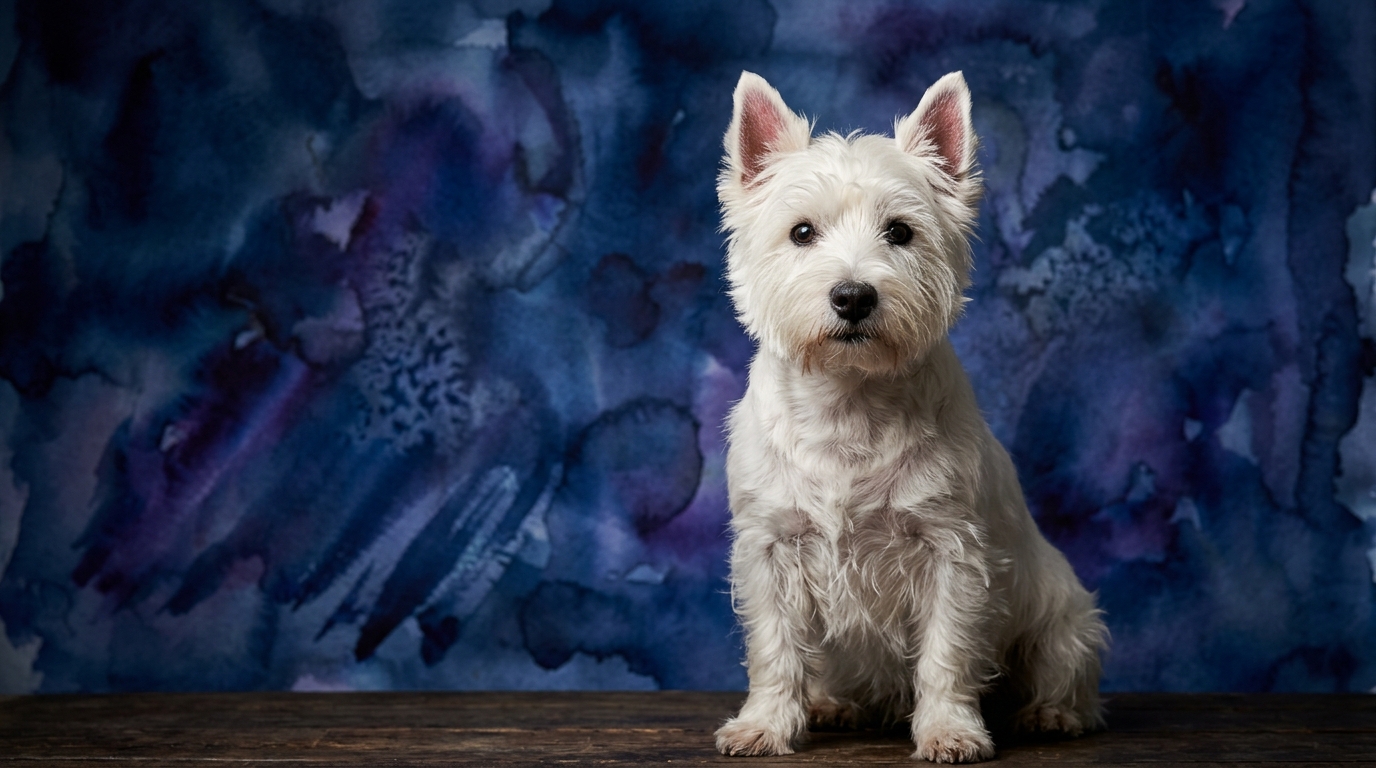
The West Highland White Terrier, holding a respectable Coren rank of #47, presents a balanced and capable cognitive profile. Their Problem Solving is rated 3/5, indicating an ability to navigate moderate challenges, often with a characteristic terrier tenacity, figuring out how to get to a desired object or overcome a minor obstacle. Training Speed also sits at 3/5; while capable of learning quickly, their independent spirit and strong instinctive drive can sometimes make them selective learners, requiring consistency and engaging methods. Social Intelligence is 3/5, meaning they are adept at reading human cues and interacting within a family unit, though they may also express opinions clearly. Their Instinctive Drive is a solid 3/5, reflecting their heritage as vermin hunters – a persistent, focused energy for chasing and digging. A standout trait for the Westie is their Memory, scoring 4/5, suggesting a strong capacity for retaining commands, routines, and experiences, making them reliable in recalling learned behaviors over time.
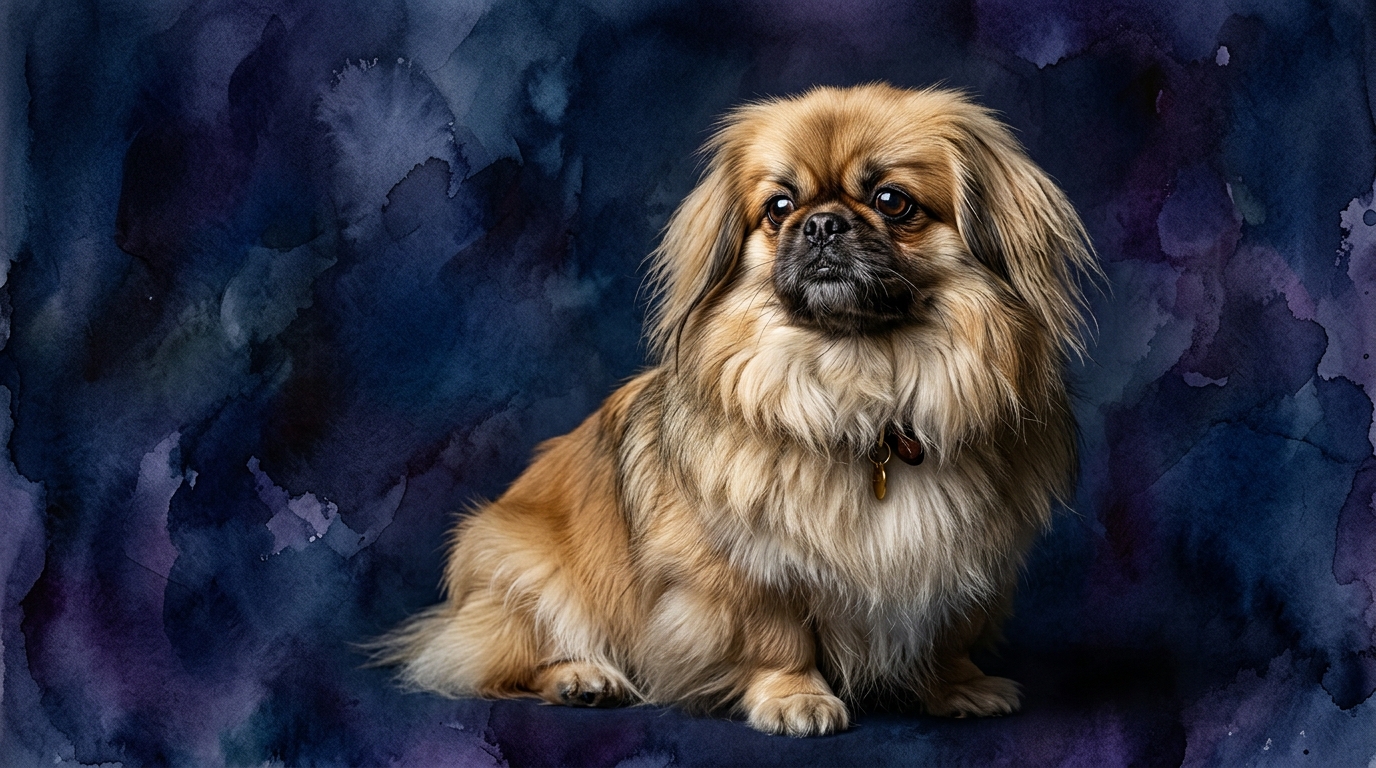
In contrast, the Pekingese, with a Coren rank of #77, offers a cognitive profile highly specialized for companionship and comfort. Their Problem Solving is 3/5, often manifested in clever ways to achieve personal comfort or attention rather than complex physical tasks; they might 'solve' the problem of an uncomfortable spot by subtly nudging an owner. Training Speed is 3/5; while they can learn, their regal and independent nature often means they require motivation that appeals to their self-interest or desire for comfort, rather than a strong drive to please. Their Social Intelligence is 3/5, finely tuned for human interaction within their immediate circle, allowing them to communicate their desires and preferences with remarkable clarity, often appearing to 'manage' their human companions. Instinctive Drive is 3/5, present but typically less focused on traditional working tasks, instead channeling into guarding their territory or favorite people. The Pekingese's Memory is 3/5, sufficient for daily routines and recognizing familiar faces, but perhaps not as robust for extensive command repertoires or complex sequences as some other breeds.
Where the West Highland White Terrier Wins Cognitively
The West Highland White Terrier's cognitive edge primarily lies in its superior memory and overall working intelligence, as indicated by its higher Coren rank and specific Memory score of 4/5 compared to the Pekingese's 3/5. This enhanced memory means Westies are generally more consistent in recalling previously learned commands and routines, making the reinforcement of good behaviors more efficient. An owner might find a Westie remembers a specific trick or house rule even after a period of infrequent practice, whereas a Pekingese might require more frequent refreshers.
Furthermore, the Westie's balanced 3/5 scores across Problem Solving, Training Speed, Social Intelligence, and Instinctive Drive, coupled with their strong memory, suggests a dog more inclined and equipped for diverse learning experiences. Their terrier heritage imbues them with a curious and persistent approach to challenges. While both breeds show a 3/5 in problem-solving, the Westie's application often leans towards actively engaging with and manipulating their physical environment to achieve a goal, such as figuring out how to retrieve a toy from under furniture, a manifestation of their innate drive to explore and 'work' through obstacles.
Where the Pekingese Wins Cognitively
While the Pekingese doesn't boast higher numerical scores in individual cognitive dimensions compared to the Westie, their specific application of social intelligence and problem-solving is where they truly excel for their intended role. Their 3/5 Social Intelligence is exquisitely refined for a discerning companion, enabling them to master the art of subtle communication with their human family. A Pekingese often demonstrates an uncanny ability to read an owner's mood or anticipate a desire for comfort, strategically positioning themselves for affection or expressing a need with a particular look or a soft nudge. This isn't about complex obedience, but about nuanced relational intelligence.
The Pekingese's 3/5 Problem Solving manifests less in physical tasks and more in navigating their social environment to ensure their comfort and preferences are met. They are adept at 'training' their humans through charming persistence or selective hearing, figuring out the most effective way to secure a prime spot on the sofa or delay an unwanted activity. Their cognitive strengths are centered on understanding the dynamics of their human household and leveraging them for their own well-being, showcasing a unique form of 'personal management' intelligence that is highly effective for a companion breed.
Training: Westie vs. Pekingese
Training a West Highland White Terrier typically benefits from their 4/5 memory and inherent drive, but also requires a firm, consistent, and engaging approach to manage their 3/5 instinctive drive and independent terrier spirit. Westies learn commands and routines efficiently due to their memory, but their problem-solving nature and tenacity mean they will test boundaries. Training sessions should be structured, positive, and varied to keep their interest, channeling their natural curiosity and energy into desired behaviors. They respond well to task-oriented training that gives them a 'job' to do, even if it's just a complex trick.
The Pekingese, with a 3/5 in both Training Speed and Memory, and a strong sense of self-importance, presents a different training challenge. They can learn, but often require more repetition and motivation that directly appeals to their comfort or desire for attention. They may view training as optional if it doesn't immediately benefit them, leading to an endearing stubbornness. Patience, positive reinforcement with high-value treats, and short, frequent sessions are key. Understanding their subtle communication and respecting their independent streak can turn training into a collaborative effort rather than a battle of wills, recognizing that their intelligence is geared more towards elegant living than rote obedience.
Which Suits Active vs. Relaxed Owners
The West Highland White Terrier is undeniably better suited for active owners who can provide consistent mental and physical engagement. Their 3/5 Instinctive Drive and Problem Solving mean they thrive on activities like walks, puzzle toys, and even dog sports that challenge their minds and bodies. An owner who enjoys outdoor adventures, consistent training, and can manage a dog with a persistent terrier spirit will find a fulfilling companion in a Westie. They need an outlet for their energy and curiosity to prevent boredom and potential destructive behaviors.
Conversely, the Pekingese is an ideal match for more relaxed owners who appreciate a calm, dignified companion. While they enjoy short, leisurely strolls, their physical demands are minimal. Their social intelligence is best appreciated in a home environment where they can be a central, cherished member of the family, enjoying quiet companionship on a lap or beside their owner. An owner who values a serene presence, is comfortable with a dog that has a strong personality, and can provide a comfortable, predictable routine will find the Pekingese a delightful and loyal friend.
The Verdict
Choose the West Highland White Terrier if you're an active owner seeking a curious, tenacious companion eager for engagement and capable of retaining diverse learned behaviors.
Opt for the Pekingese if you're a relaxed owner desiring a dignified, independent companion whose intelligence excels at nuanced social interaction and securing a life of comfort.
🧠 Find Your Pet's IQ Score
Our Pet IQ Lab assessment covers 25+ tests across 5 cognitive dimensions — personalized to your breed.
Take the Full IQ Test →Frequently Asked Questions
Is a West Highland White Terrier easy to house train?
Westies, with their 4/5 memory, can be house trained efficiently with consistency and positive reinforcement. However, their 3/5 instinctive drive may lead to digging or marking if not properly managed, so a structured routine is crucial.
Are Pekingese good at learning tricks?
Pekingese can learn tricks, but their 3/5 training speed and independent nature mean they require patient, highly motivating training methods. They may choose to learn only what appeals to their comfort or self-interest rather than performing for mere novelty.
Which breed is more independent?
Both breeds exhibit independence, but in different ways. Westies show independence through their terrier tenacity and problem-solving drive, while Pekingese express it through a regal self-possession and a tendency to prioritize their own comfort and preferences.