
Side-by-Side IQ Profile: Unpacking Cognitive Dimensions
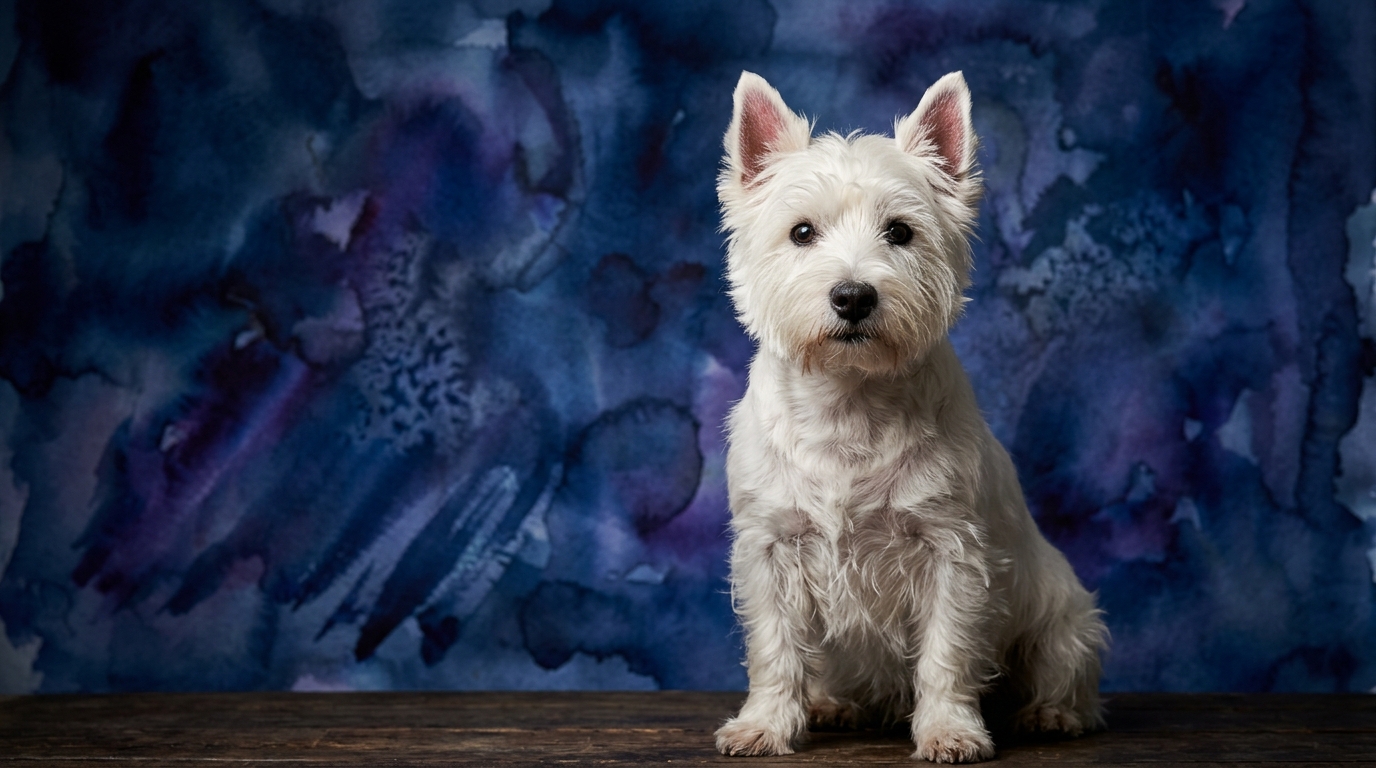
The West Highland White Terrier presents a balanced cognitive profile, scoring 3 out of 5 in problem-solving, training speed, social intelligence, and instinctive drive. A notable strength lies in their memory, where they achieve a 4 out of 5. This suggests a dog capable of moderate independent thought, reasonable learning pace, good interaction with humans, and a solid instinctual foundation, all supported by a strong ability to retain information.
In contrast, the Rat Terrier exhibits a consistent score of 3 out of 5 across all five dimensions: problem-solving, training speed, social intelligence, instinctive drive, and memory. This uniform scoring implies a well-rounded and practical intellect, where no single cognitive area dramatically overshadows another, making them generally competent in various mental tasks.
The primary distinction between these two terrier breeds, based on our IQ metrics, is the West Highland White Terrier's superior memory. While both breeds share similar capabilities in problem-solving, training speed, social understanding, and drive, the Westie's enhanced recall could manifest in tangible differences in learning retention and consistency over time.
Where the West Highland White Terrier Edges Ahead Cognitively
The West Highland White Terrier's clear advantage lies in its memory, scoring a 4/5 compared to the Rat Terrier's 3/5. This enhanced memory capacity means a Westie is more likely to retain learned commands, complex sequences of tricks, and house rules over longer periods with fewer refreshers. For an owner, this translates into a dog that can master a broader repertoire of behaviors and perform them consistently, making advanced obedience or intricate canine sports more accessible.
Furthermore, the Westie's Coren rank of #47, while not directly tied to our specific IQ dimensions, often correlates with a dog's ability to consistently perform learned tasks and respond to human commands. A strong memory is a foundational component of this 'working and obedience intelligence,' allowing Westies to internalize and execute instructions reliably. Their historical role, often involving remembering specific tasks and locations, would have naturally selected for this cognitive strength, making them adept at remembering routines and expected behaviors within a household.
Where the Rat Terrier Demonstrates Unique Cognitive Strengths
While the Rat Terrier's individual scores are consistently 3/5, this balanced profile itself represents a significant cognitive strength. Instead of excelling in one specific area, the Rat Terrier possesses a robust, all-around intellect that allows for highly adaptable and efficient functioning in dynamic environments. Their 3/5 in problem-solving, combined with a 3/5 in instinctive drive, suggests a dog that can quickly assess and respond to real-world challenges, particularly those related to their prey drive and agility, without overthinking or becoming distracted.
The Rat Terrier's lack of a Coren rank doesn't diminish its cognitive effectiveness; rather, it highlights a different focus in its intelligence. Their keen perception and balanced cognitive functions are perfectly suited for tasks requiring quick reflexes and sustained focus, such as vermin control or agility courses. This breed’s cognitive strength lies in its practical, integrated application of its moderate scores, allowing it to be a highly effective and tenacious worker, capable of making swift, independent decisions when faced with a task, rather than relying on extensive memory for complex human-initiated commands.
Training Ease: Unpacking Behavioral Differences
Both the West Highland White Terrier and the Rat Terrier score 3/5 in training speed, implying they learn new commands at a moderate pace. However, the Westie's superior memory (4/5) is a critical differentiator. While both might grasp a new trick in a similar number of repetitions, the Westie is likely to remember that trick more reliably and for a longer duration, reducing the need for frequent review sessions. This makes the overall training process for complex behaviors potentially more efficient and rewarding with a Westie.
Both breeds, as terriers, possess a 3/5 instinctive drive, which often translates into an independent streak and a strong prey drive. This shared trait means that neither breed is inherently a 'pushover' in training; both require consistent, positive reinforcement and clear boundaries. The Rat Terrier, with its balanced 3/5 memory, might require more consistent reinforcement over time to solidify commands, but its focus can be harnessed effectively with high-value rewards. The Westie's better memory, while an advantage, doesn't negate the need for engaging training; they might remember what you want, but their terrier nature still requires convincing them it's worth their effort.
Lifestyle Fit: Matching Cognitive Traits to Owners
For active owners seeking a dog for sports or outdoor adventures, the Rat Terrier's robust and balanced cognitive profile, coupled with its strong instinctive drive (3/5), makes it an excellent match. These dogs thrive on engaging tasks that tap into their problem-solving and focus, such as agility, flyball, or earthdog trials. Their balanced 3/5 in all cognitive dimensions means they are consistently competent and tenacious, making them reliable partners for owners who enjoy challenging their dogs mentally and physically in a hands-on, dynamic way.
Owners with a more relaxed lifestyle, or those looking for a companion that can adapt well to a structured home environment, might find the West Highland White Terrier a slightly better fit. While still energetic, their superior memory (4/5) allows them to quickly internalize house rules, routines, and a wider array of commands, making them potentially more predictable and easier to manage in a less demanding daily schedule. Provided their needs for mental stimulation are met through puzzle toys or consistent, engaging training, their ability to remember complex instructions can make them excellent companions for calmer, indoor-focused activities or simply being a well-behaved family member.
The Verdict
Choose the West Highland White Terrier if you prioritize a dog with a stronger memory, capable of retaining a wider range of commands and routines with greater consistency, and a slightly higher Coren rank for obedience potential. They are well-suited for owners who appreciate a dog that can master complex behaviors and adapt to structured home environments.
Opt for the Rat Terrier if you are an active owner seeking a tenacious, well-rounded companion for dynamic activities and sports, valuing a balanced, practical intellect over superior memory in a single area. Their consistent cognitive scores make them reliable and adaptable partners for engaging, task-oriented lifestyles.
🧠 Find Your Pet's IQ Score
Our Pet IQ Lab assessment covers 25+ tests across 5 cognitive dimensions — personalized to your breed.
Take the Full IQ Test →Frequently Asked Questions
Are Westies harder to train than Rat Terriers?
Neither breed is inherently 'harder' to train, as both score 3/5 in training speed, indicating moderate learning. However, the Westie's superior memory (4/5) means they might retain commands more effectively over time, potentially leading to more consistent performance after initial training. Both require patience and positive reinforcement due to their terrier independence.
Which breed is better for first-time dog owners?
For a first-time owner, the West Highland White Terrier might offer a slightly smoother experience due to its better memory, which can aid in solidifying house training and basic obedience more quickly. However, both breeds require dedicated socialization and consistent training, and a Rat Terrier's balanced intellect also makes it a capable first dog for an owner committed to an active lifestyle.
How important is a Coren rank for a dog's intelligence?
A Coren rank primarily reflects 'working and obedience intelligence,' indicating a breed's ability to learn and perform human-given commands consistently. While useful, it doesn't encompass all forms of canine intelligence, such as problem-solving in novel situations or adaptive intelligence. A breed without a Coren rank, like the Rat Terrier, can still possess highly effective and practical cognitive abilities perfectly suited for its specific historical roles and modern activities.