Unpacking Their Cognitive Blueprints: A Side-by-Side IQ Profile
At The Cosmic Pet Pet IQ Lab, we assess canine cognition across five distinct dimensions, offering a granular view of how breeds process information and engage with their environment. While the West Highland White Terrier holds a respectable position at #47 in Stanley Coren's intelligence ranking, the Sealyham Terrier remains unranked, a factor that often sparks curiosity about its cognitive standing and highlights the varied ways canine intellect can manifest.
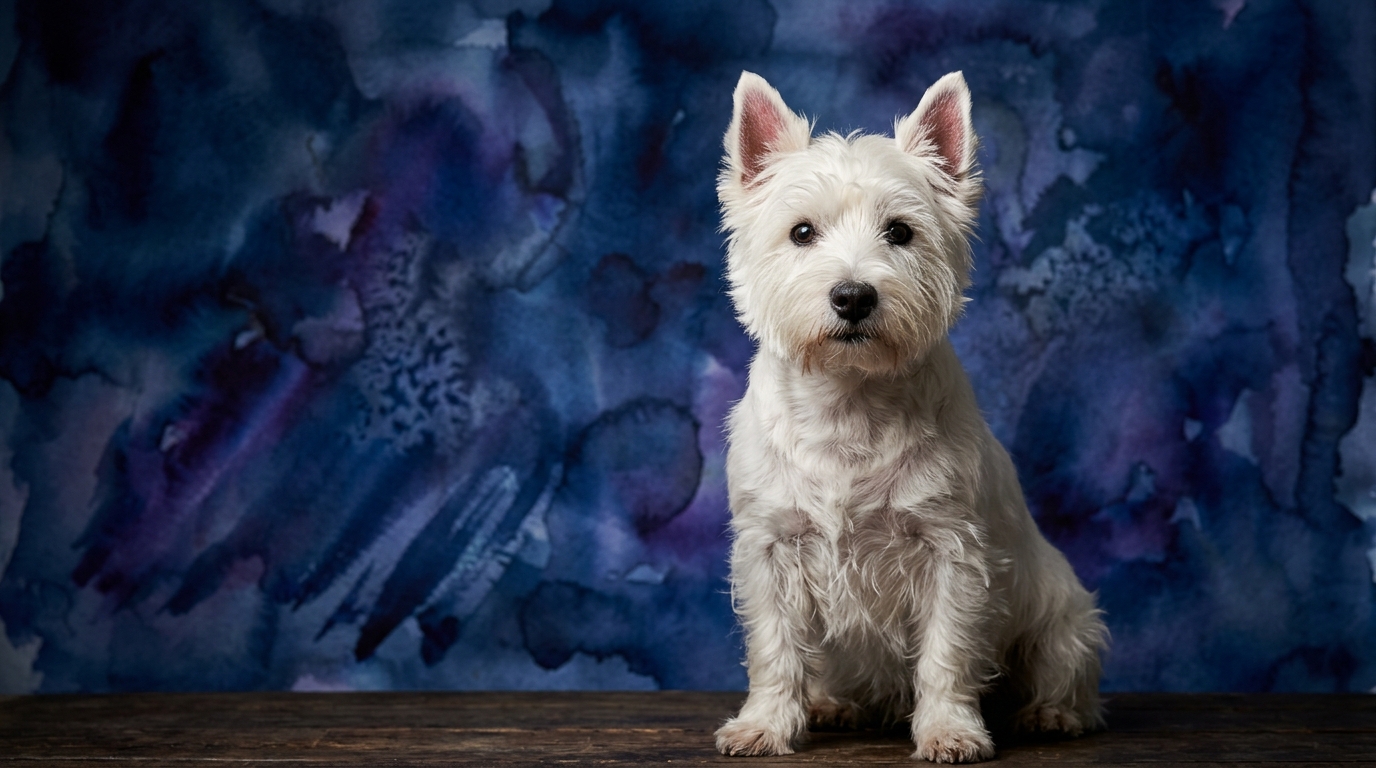
The West Highland White Terrier presents a balanced cognitive profile: a Problem Solving score of 3/5, indicating a moderate ability to figure out novel challenges; a Training Speed of 3/5, suggesting they grasp new commands at a steady pace; and Social Intelligence at 3/5, meaning they are moderately adept at reading and responding to human cues. Their Instinctive Drive also sits at 3/5, reflecting a moderate prey drive and independence, while their Memory is a notable 4/5, indicating a strong capacity for retaining learned information and experiences.
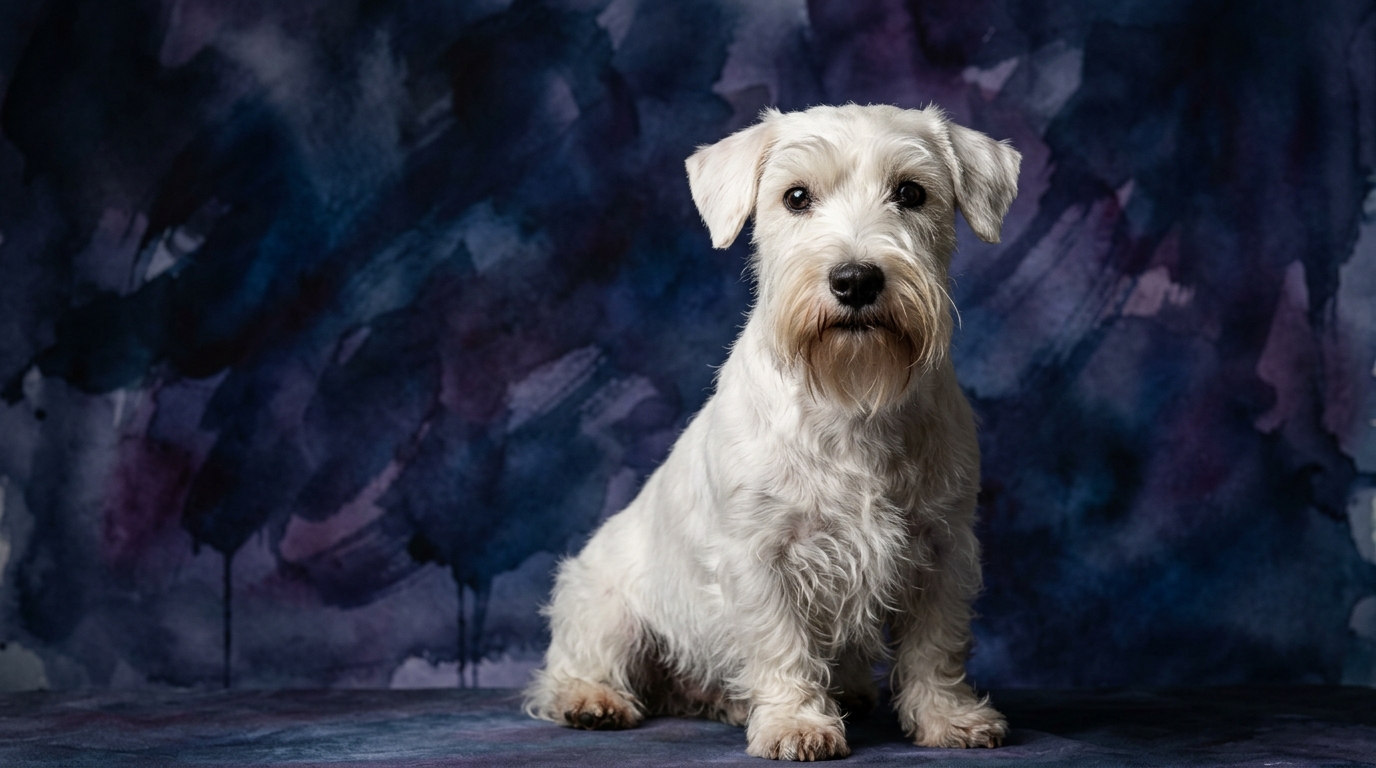
The Sealyham Terrier, in comparison, mirrors many of the Westie's scores, with Problem Solving at 3/5, Training Speed at 3/5, Social Intelligence at 3/5, and Instinctive Drive also at 3/5. The primary distinction lies in their Memory score, which registers at 3/5. This suggests a slightly less pronounced capacity for long-term retention of complex sequences compared to the Westie, but still a solid ability to remember key interactions and training cues. Both breeds, as terriers, share a foundational tenacity and an independent streak that colors their cognitive approach.
Where the West Highland White Terrier Shows Its Cognitive Edge
The West Highland White Terrier's primary cognitive advantage lies in its superior Memory, scoring a 4 out of 5. This enhanced retention capacity means Westies are often quicker to solidify complex chains of commands and remember solutions to problems they've encountered previously, even after a significant lapse in time. Owners might observe this as a Westie mastering multi-step tricks with fewer repetitions or recalling the location of a hidden toy days after the initial game.
This robust memory also contributes to their performance in structured learning environments. While their Training Speed is similar to the Sealyham's, the Westie's ability to hold onto learned information for longer can make progressive training, where new skills build upon old ones, a smoother process. They are more likely to pick up on subtle cues and patterns in their environment, leveraging past experiences to navigate new situations with a degree of learned foresight. Their Coren ranking, while not a direct measure of raw intellect, often correlates with a breed's adaptability to formal obedience tasks, where memory plays a crucial role.
Where the Sealyham Terrier's Cognition Shines Differently
While the Sealyham Terrier's individual cognitive scores are largely similar to the Westie's, its strength often lies in a distinctive application of its innate terrier traits, particularly its Instinctive Drive (3/5) and Problem Solving (3/5), within its original working context. Unlike the Westie's memory-driven learning, the Sealyham's cognitive prowess is often characterized by a tenacious, independent problem-solving approach born from generations of working underground.
Their cognitive profile suggests a dog that, while perhaps requiring more repetition for formal obedience due to a 3/5 memory, will exhibit immense persistence and ingenuity when faced with a task that taps into its natural instincts. This might manifest as a relentless pursuit of a scent, an unyielding effort to retrieve a buried item, or a clever, albeit sometimes stubborn, way of circumventing an obstacle. Their intelligence is less about rapid formal learning and more about practical, determined application in real-world scenarios, making them adept at tasks requiring grit and independent thought rather than rote memorization.
Training Aptitude: Which Breed Offers a Smoother Journey?
When it comes to ease of training, the West Highland White Terrier generally offers a marginally smoother journey, primarily due to its superior Memory score of 4/5 compared to the Sealyham's 3/5. Both breeds share a Training Speed of 3/5, meaning they learn new commands at a moderate pace, but the Westie's ability to retain those commands for longer periods translates into less need for constant refreshers and a greater capacity for building a diverse repertoire of skills.
For instance, teaching a Westie a complex agility course or a sequence of tricks might progress more steadily, as they are more likely to recall previous steps. The Sealyham, while equally capable of learning, might require more consistent repetition to embed new information deeply, particularly for tasks that don't directly align with their strong instinctive drives. Both breeds, however, share an Instinctive Drive of 3/5, which means they possess a moderate level of independence and prey drive that owners will need to manage with consistent, positive reinforcement to keep them engaged and focused on the task at hand rather than external distractions.
Matching Lifestyles: Active vs. Relaxed Owners
Neither the West Highland White Terrier nor the Sealyham Terrier are suited for truly relaxed, sedentary owners; both are terriers through and through, meaning they possess an inherent energy and curiosity that demands engagement. However, the *type* of activity they thrive on can vary subtly, aligning them with different owner preferences. Owners who enjoy structured activities, progressive learning, and interactive games that challenge memory and problem-solving might find the Westie a more natural fit.
The Westie's 4/5 memory and 3/5 problem-solving make them excellent candidates for activities like obedience trials, agility, or learning a wide array of tricks, where their ability to recall and apply learned sequences is a significant asset. They generally enjoy being involved in family activities and appreciate varied mental stimulation. For owners who are prepared for consistent, engaging training and enjoy a dog that visibly builds upon its knowledge base, the Westie offers a rewarding partnership.
The Sealyham Terrier, with its tenacious spirit and robust instinctive drive (3/5), often appeals to owners who appreciate a dog with a strong, independent streak and a love for purposeful exploration. While they need regular exercise, their cognitive satisfaction often comes from activities that tap into their natural hunting instincts, such as scent work, exploring varied terrains, or engaging in 'work-like' tasks that require determination. They might be less enthusiastic about repetitive 'show' tricks and more about practical, problem-solving adventures. Owners who enjoy rugged walks, 'hide and seek' games that utilize scent, and appreciate a dog that thinks for itself, even if it sometimes means a bit of stubbornness, will find a devoted companion in the Sealyham.
The Verdict
Choose the West Highland White Terrier if you appreciate a companion who excels in memory retention, enjoys varied and progressive training, and thrives on learning new skills and routines.
Opt for the Sealyham Terrier if you value a tenacious, independent thinker who finds satisfaction in purposeful activities, scent work, and practical problem-solving, even if it means a slightly more persistent approach to formal obedience.
🧠 Find Your Pet's IQ Score
Our Pet IQ Lab assessment covers 25+ tests across 5 cognitive dimensions — personalized to your breed.
Take the Full IQ Test →Frequently Asked Questions
Are West Highland White Terriers good for first-time dog owners?
Westies can be good for first-time owners who are committed to consistent training and socialization. Their moderate training speed and good memory can make learning a rewarding experience, but their terrier independence requires a firm yet gentle hand.
Do Sealyham Terriers require a lot of grooming?
Yes, Sealyham Terriers have a dense, wiry coat that requires regular grooming to prevent matting and maintain its condition. Weekly brushing and professional stripping or clipping every few months are typically needed.
What kind of exercise do these terrier breeds need daily?
Both Westies and Sealyhams require at least 30-60 minutes of vigorous exercise daily, which can include brisk walks, supervised off-leash play in a secure area, or engaging in interactive games. Mental stimulation through puzzle toys or training sessions is equally important for these curious breeds.