A Side-by-Side Look at Terrier Cognition
The Cosmic Pet Pet IQ Lab employs a five-dimensional framework to assess canine intelligence, offering a nuanced perspective beyond simple obedience. For the West Highland White Terrier (Westie) and the Soft Coated Wheaten Terrier (Wheaten), comparing their scores in Problem Solving, Training Speed, Social Intelligence, Instinctive Drive, and Memory reveals both shared terrier traits and unique cognitive leanings. It's important to remember that identical numerical scores in certain dimensions don't always translate to identical behavioral manifestations; breed temperament and historical roles often inflect how these cognitive abilities are expressed.
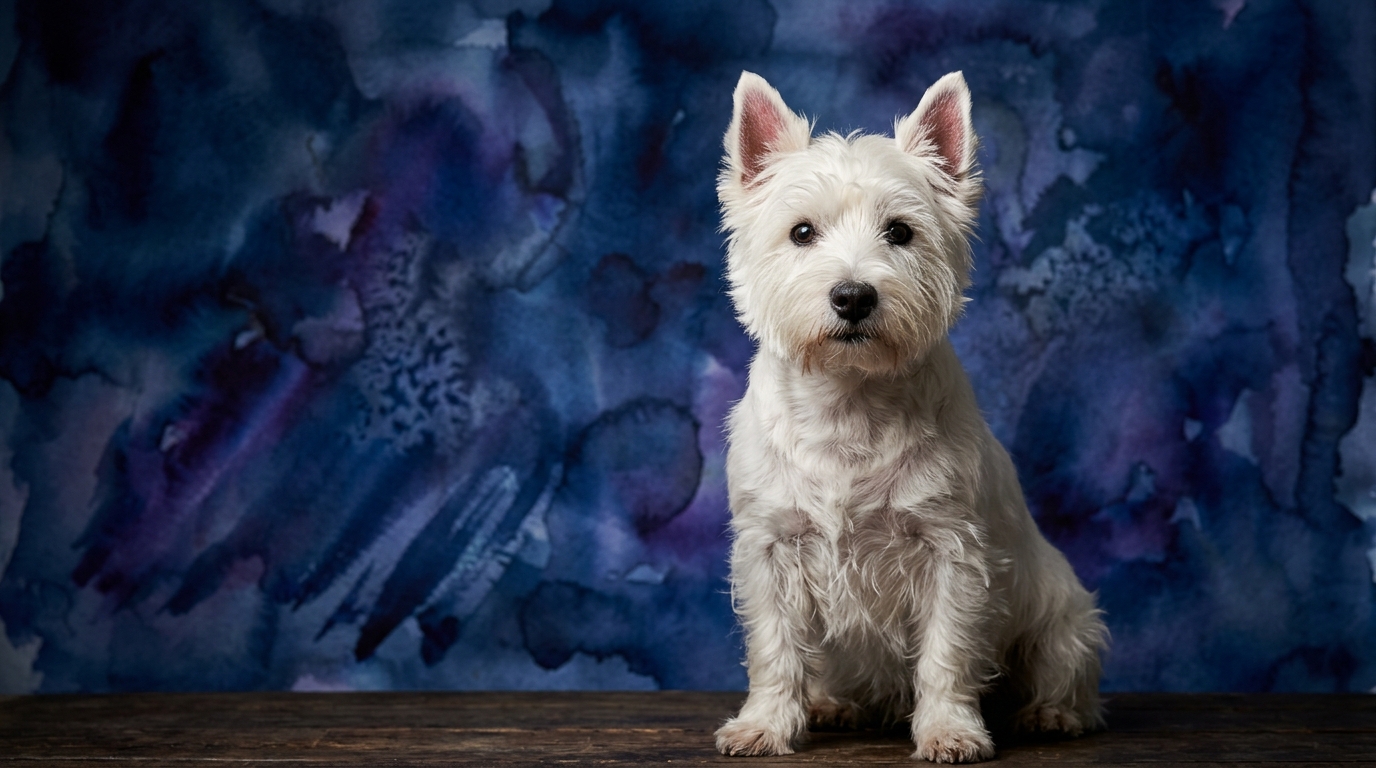
The West Highland White Terrier, a breed with a Coren rank of #47, presents a balanced cognitive profile with a notable strength in memory. Their Problem Solving is rated 3/5, reflecting a resourceful and independent approach to challenges, often relying on their own ingenuity to navigate their environment or achieve goals. Training Speed stands at 3/5, indicating they grasp new commands and concepts at a moderate pace, but their inherent terrier tenacity requires consistent and engaging methods. Social Intelligence, also 3/5, shows they are capable of reading cues and forming bonds, though their interactions can be discerning. Their Instinctive Drive, at 3/5, manifests as a strong prey drive, an inclination for digging, and a tendency to vocalize when alert. Critically, their Memory scores 4/5, signifying an excellent capacity for retaining learned behaviors, routines, and past experiences, both positive and negative.
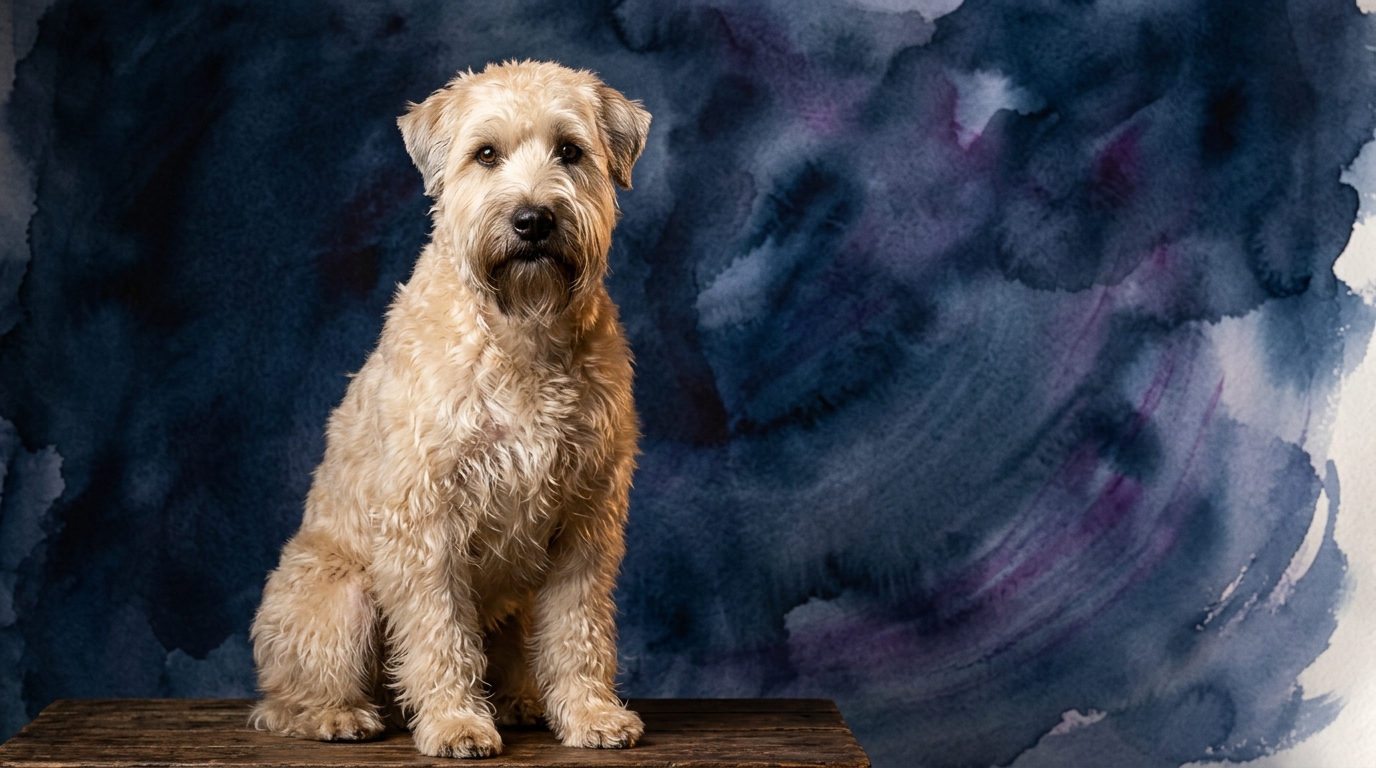
The Soft Coated Wheaten Terrier, though not Coren-ranked, shares several cognitive similarities with the Westie, yet expresses them through a distinct temperament. Their Problem Solving ability also scores 3/5, characterized by a more charming and persistent approach, often using their appealing nature to 'solve' problems involving human interaction. Training Speed is rated 3/5, suggesting they learn at a moderate pace, eager to please but sometimes distracted by their own boundless enthusiasm. Social Intelligence, at 3/5, is often expressed as extreme friendliness and an almost universal desire for interaction, making them highly people-oriented companions. Their Instinctive Drive, 3/5, is present but often less focused on digging than the Westie, manifesting more as playful chasing and their characteristic 'Wheaten Greetin' bounce. Their Memory, rated 3/5, is good for routines and familiar contexts, though it may require more consistent reinforcement for complex tasks compared to a breed with higher memory retention.
Where the West Highland White Terrier's Mind Shines
The most significant cognitive advantage for the West Highland White Terrier lies in its superior Memory, scoring 4/5 compared to the Wheaten's 3/5. This enhanced recall capacity means Westies are exceptionally adept at remembering training cues, routines, and spatial layouts. A Westie is likely to remember a hidden toy's location for longer or recall a specific command despite a period of disuse. This robust memory also extends to past experiences, meaning they remember both positive reinforcement techniques that worked well and any negative interactions they may have encountered, which necessitates a consistently positive and fair training approach.
This elevated memory also subtly impacts their Problem Solving (3/5). While both breeds are rated similarly, the Westie's stronger memory allows them to draw upon a wider library of past solutions and outcomes when faced with new challenges. They might more readily apply a previously learned method to a novel situation, demonstrating a practical application of their cognitive strengths. Their Coren ranking further supports their capacity for retaining and executing learned commands, placing them solidly in the 'above average' category for working and obedience intelligence, a testament to their ability to integrate and remember complex instructions.
The Soft Coated Wheaten Terrier's Cognitive Strengths
While not outscoring the Westie numerically in any dimension, the Soft Coated Wheaten Terrier's cognitive strengths are found in the unique manifestation of its 3/5 scores, particularly in its social context. Their Social Intelligence (3/5) is characterized by an almost irrepressible desire to engage and connect with humans, often using their charm and exuberance as a 'problem-solving' tool. A Wheaten might not independently figure out how to open a treat jar, but they are exceptionally good at persuading their human companion to open it for them, demonstrating a social manipulation that is a form of cognitive adaptation.
Their Problem Solving (3/5) and Training Speed (3/5) are heavily influenced by their amiable and eager-to-please nature. Wheatens often approach new tasks with enthusiasm, and their cognitive process for problem-solving is frequently collaborative, seeking human input or assistance rather than purely independent action. This makes them highly responsive to positive reinforcement in training, as their motivation often stems from the joy of interaction and pleasing their people, even if their memory requires more consistent reinforcement for long-term retention of complex sequences.
Training Dynamics: Westie vs. Wheaten
When it comes to training, both breeds present unique considerations stemming from their cognitive profiles. The West Highland White Terrier, with its 3/5 Training Speed and 4/5 Memory, learns commands at a moderate pace but retains them exceptionally well. This means once a Westie understands a cue, it's likely to stick. However, their independent Terrier spirit and 3/5 Instinctive Drive mean they require consistent, engaging, and positive reinforcement to prevent stubbornness. They are not dogs that will blindly obey; they need to understand the 'why' or be sufficiently motivated. Their robust memory also means they remember inconsistencies or harsh corrections, which can make future training more challenging.
The Soft Coated Wheaten Terrier, with 3/5 Training Speed and 3/5 Memory, is generally eager to please, which can make them initially receptive to training. However, their boundless exuberance and tendency towards distraction mean that training sessions need to be kept fun, varied, and relatively short to maintain focus. While they learn at a moderate pace, their memory score suggests that more consistent repetition might be necessary to solidify complex behaviors over time, especially compared to the Westie. Their high Social Intelligence (3/5) means they thrive on interactive training that strengthens their bond with their owner, making them excellent candidates for activities like agility or obedience when approached with patience and positivity.
Matching Minds to Lifestyles: Active vs. Relaxed Owners
Understanding these cognitive nuances helps match these breeds to appropriate lifestyles. The West Highland White Terrier, despite its moderate energy levels, requires significant mental engagement. Their 3/5 Problem Solving and 4/5 Memory mean they thrive on challenges, puzzle toys, and consistent training that keeps their minds active. While adaptable to apartment living, a truly 'relaxed' owner who neglects mental stimulation might find their Westie inventing their own, potentially undesirable, forms of entertainment. They benefit from owners who appreciate a clever, independent thinker and are prepared to provide thoughtful interaction and training.
The Soft Coated Wheaten Terrier, conversely, demands a more physically active and socially engaged owner. Their high exuberance and 3/5 Instinctive Drive mean they need ample daily exercise and consistent interaction to channel their energy constructively. A 'relaxed' owner who cannot commit to regular walks, playtime, and inclusion in family activities will likely find a Wheaten prone to boredom and potential mischief. Their strong Social Intelligence (3/5) means they genuinely thrive on being an integral part of family life, making them ideal for active individuals or families who want a highly interactive and affectionate companion ready for adventure.
The Verdict
Choose the West Highland White Terrier if you appreciate a clever companion with a lasting memory, capable of independent thought, and thrive on consistent, engaging training that respects their terrier spirit.
Opt for the Soft Coated Wheaten Terrier if you seek an exuberant, highly social companion who thrives on interaction, and you are prepared for an active lifestyle filled with affectionate, bouncy enthusiasm and consistent, positive guidance.
🧠 Find Your Pet's IQ Score
Our Pet IQ Lab assessment covers 25+ tests across 5 cognitive dimensions — personalized to your breed.
Take the Full IQ Test →Frequently Asked Questions
Do West Highland White Terriers forget training easily?
No, Westies possess a 4/5 memory score, indicating strong retention of learned behaviors and experiences. While their independent nature might make them seem to 'forget' commands if not consistently reinforced, their memory is quite robust, recalling both positive and negative lessons effectively.
Are Soft Coated Wheaten Terriers difficult to train due to their energy?
Soft Coated Wheaten Terriers, with a 3/5 training speed, learn at a moderate pace, and their energetic, enthusiastic nature can sometimes be a distraction. However, their strong social intelligence and desire to please mean they respond well to positive reinforcement and consistent training, often thriving when training is made into a fun, interactive game.
How does the Coren rank difference impact their intelligence comparison?
The Westie's Coren rank of #47 places them in the 'Above Average Working/Obedience Intelligence' category, suggesting a solid foundation for learning and command following. The Wheaten's absence from this specific ranking doesn't imply a lack of intelligence, but rather that Coren's methodology didn't categorize them, requiring a focus on their specific IQ dimensions to understand their cognitive profile.