Side-by-Side IQ Profile
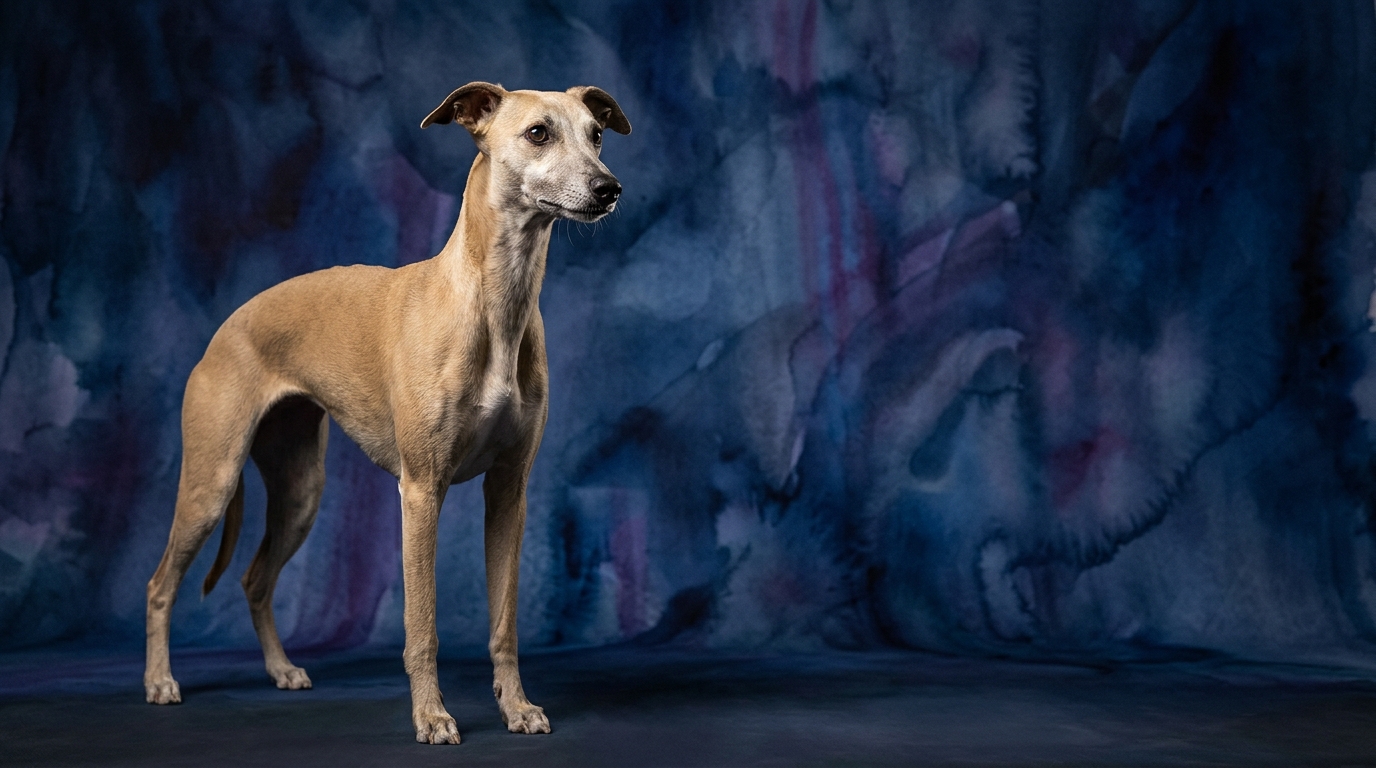
The Cosmic Pet Pet IQ Lab employs five core dimensions to map a breed's cognitive landscape. For the Whippet, a sighthound ranked #51 by Coren, problem-solving registers at 3/5, indicating an ability to navigate immediate physical obstacles rather than complex abstract challenges. Their training speed is 2/5, suggesting a need for patience and engaging methods. Social intelligence shines at 4/5, reflecting a deep attunement to human emotion and subtle cues, while an impressive instinctive drive of 5/5 highlights their potent chase instinct. Memory for the Whippet stands at 3/5, solid for routines and associations.
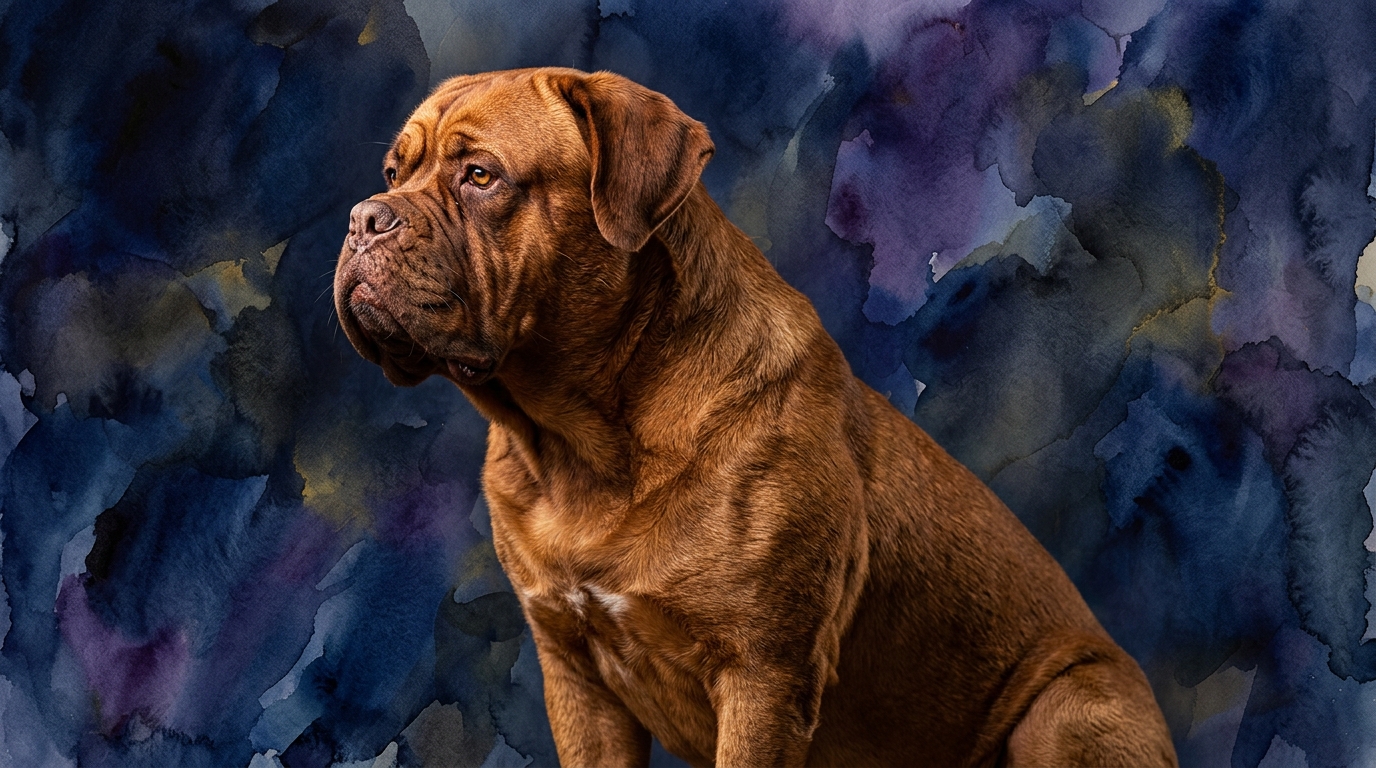
In contrast, the Dogue de Bordeaux, a robust working breed without a specific Coren ranking, presents a more uniformly balanced cognitive profile. Their problem-solving capability also measures 3/5, focusing on practical solutions within their environment. Training speed is a steady 3/5, indicating a more consistent learning pace. Social intelligence is rated 3/5; while affectionate, they might interpret human signals less subtly than a Whippet. Instinctive drive is 3/5, expressing a more moderate protective or guarding impulse rather than a strong prey drive. Finally, their memory also scores 3/5, reliable for commands and experiences.
Where Whippet Wins Cognitively
The Whippet's cognitive strengths distinctly emerge in two key areas: social intelligence and instinctive drive. With a 4/5 rating in social intelligence compared to the Dogue de Bordeaux's 3/5, Whippets often display a profound sensitivity to their human companions' moods and intentions. They might pick up on a subtle shift in tone or body language, adjusting their behavior accordingly, fostering a nuanced bond. This heightened awareness allows them to anticipate needs or offer comfort with intuitive understanding.
Furthermore, the Whippet's exceptional instinctive drive, rated 5/5 against the Dogue's 3/5, represents a cognitive specialization. While often perceived as a challenge in training, this powerful drive is a testament to their purpose-bred aptitude for speed and pursuit. In controlled environments like lure coursing, this drive transforms into focused determination and rapid decision-making, allowing them to excel in tasks that demand quick, instinctual reactions and sustained physical effort. This isn't just speed; it's the cognitive machinery dedicated to efficient, goal-oriented pursuit.
Where Dogue de Bordeaux Wins Cognitively
The Dogue de Bordeaux demonstrates a cognitive advantage in its training speed and a more balanced instinctive drive, particularly beneficial for a companion animal in typical home settings. With a training speed of 3/5 compared to the Whippet's 2/5, the Dogue often shows a more consistent and deliberate approach to learning new commands. They tend to process information steadily, responding well to clear, repetitive instruction without the quick boredom or distraction sometimes seen in breeds with lower training speed scores. This translates into a more predictable, less frustrating basic obedience journey for owners.
Moreover, the Dogue de Bordeaux's instinctive drive of 3/5, while lower than the Whippet's, can be considered a cognitive "win" for general companionship. Their more moderate drive means they are typically less prone to intense prey pursuit or sudden, overwhelming urges to chase small animals. This reduced distraction allows for greater focus in everyday environments and contributes to a calmer, more manageable presence in a variety of social settings. Their cognitive energy is less consumed by primal hunting instincts, freeing it for other forms of engagement.
Which is Easier to Train and Why
When evaluating ease of training for general obedience, the Dogue de Bordeaux generally presents a more straightforward path due to its higher training speed (3/5) and more moderate instinctive drive (3/5). Dogues respond well to consistent, positive reinforcement and a structured routine. Their steady learning pace means they often retain commands effectively with fewer repetitions, and their less intense prey drive makes them less prone to suddenly disengaging to pursue a squirrel or a blowing leaf. They are typically eager to please and value companionship, which serves as a powerful motivator in training.
Conversely, the Whippet, with a training speed of 2/5 and an instinctive drive of 5/5, can be more challenging for conventional obedience. Their independent nature and powerful chase instinct mean that while they are socially intelligent, their focus can be fleeting when a potential "prey" item appears. Training requires highly engaging, short sessions, high-value rewards, and a deep understanding of their sighthound motivations. While they learn, it often demands more creativity and patience from owners to maintain interest and override natural urges, especially in stimulating outdoor environments.
Which Suits Active Owners vs. Relaxed Owners
The Whippet is an ideal match for active owners who appreciate a dog with bursts of intense energy and a need for speed. Despite their reputation for being calm indoors, Whippets require regular, vigorous exercise to satisfy their powerful instinctive drive and physical capabilities. Owners who enjoy activities like lure coursing, long off-leash runs in secure areas, or even just brisk daily walks will find a Whippet a willing and enthusiastic partner. Their need to stretch their legs and engage their chase instinct is fundamental to wellbeing.
The Dogue de Bordeaux, while still requiring daily exercise, is generally better suited for owners seeking a more relaxed pace. Their substantial build means they are not built for endurance or sustained high-speed activity, preferring moderate walks and playtime. Their more balanced instinctive drive and desire for companionship make them content with a predictable routine that emphasizes quality time with their family. Owners who value a steadfast, affectionate presence and can provide consistent, moderate physical activity will find the Dogue de Bordeaux a harmonious fit.
The Verdict
Opt for a Whippet if you seek a socially astute companion who thrives on intense, short bursts of speed and activity, and you are prepared to manage their potent chase instincts with secure environments and engaging outlets.
Select a Dogue de Bordeaux if you desire a steady, loyal friend who learns consistently at a moderate pace, appreciating companionship and a more predictable routine with moderate daily exercise.
🧠 Find Your Pet's IQ Score
Our Pet IQ Lab assessment covers 25+ tests across 5 cognitive dimensions — personalized to your breed.
Take the Full IQ Test →Frequently Asked Questions
Are Whippets good family dogs?
Whippets are generally excellent family dogs, known for their affectionate and gentle nature indoors. Their high social intelligence means they bond deeply with family members, including children, though their strong prey drive means supervision around very small pets is always wise.
Is a Dogue de Bordeaux difficult to train?
The Dogue de Bordeaux is not inherently difficult to train, possessing a steady training speed and a desire to please. Consistency, positive reinforcement, and clear communication are key to success, as they respond best to patient, confident guidance rather than harsh methods.
Do Whippets need a lot of exercise?
Whippets require regular, vigorous exercise, but it often comes in bursts rather than sustained endurance. They need opportunities for full-speed running in secure areas to satisfy their strong instinctive drive, balanced with ample couch time as they are typically calm indoors.