Side-by-Side IQ Profile
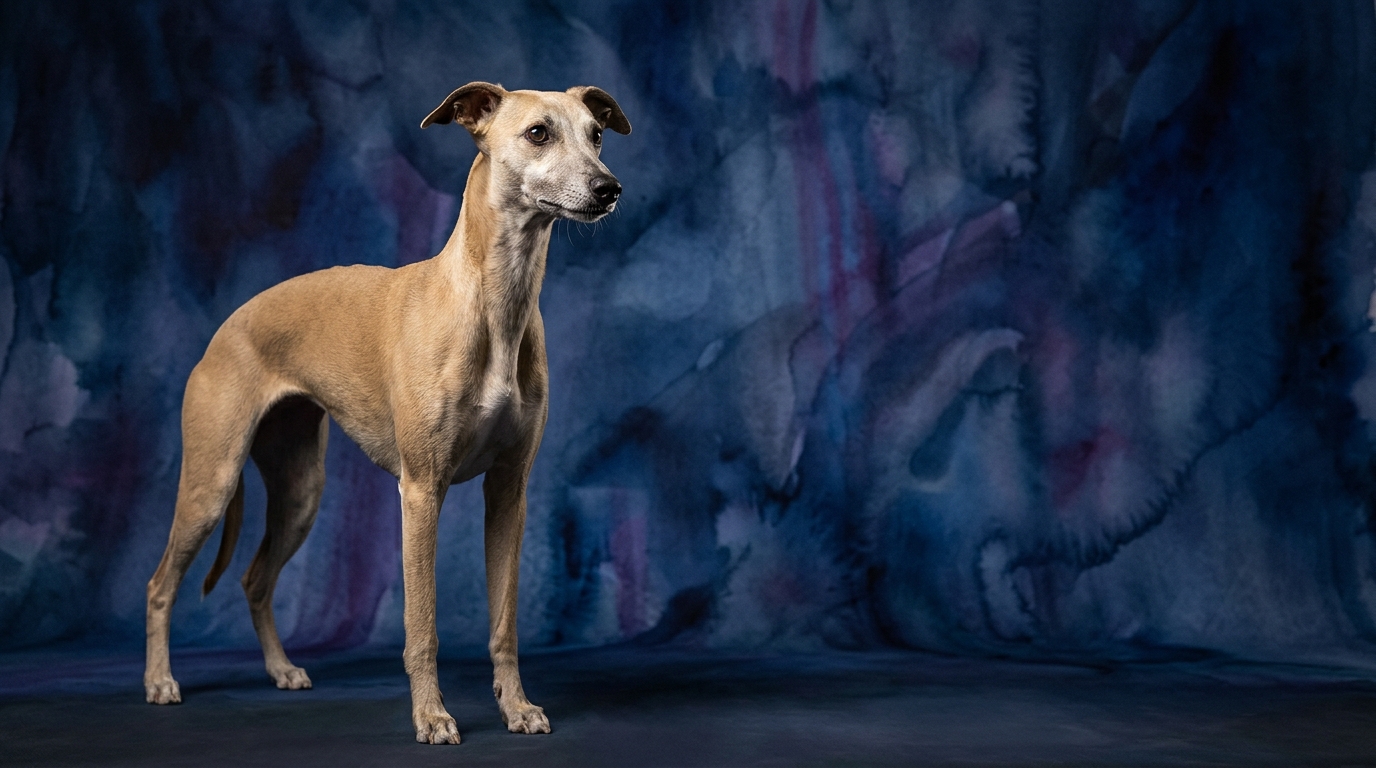
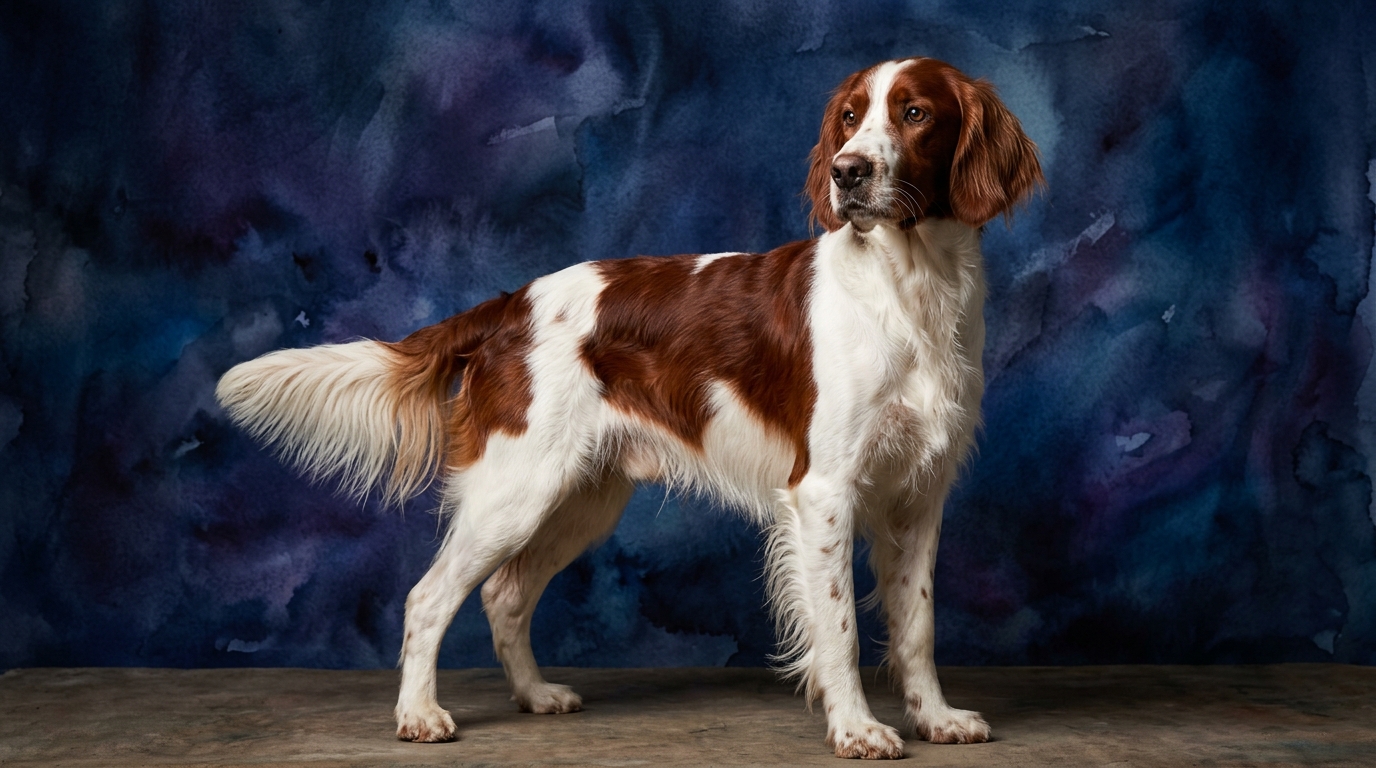
At The Cosmic Pet Pet IQ Lab, we analyze canine cognition across five key dimensions, offering a granular view beyond general perceptions. Comparing the Whippet, a sighthound with a Coren rank of #51, and the Irish Red and White Setter, a sporting breed not yet Coren-ranked, reveals fascinating distinctions rooted in their ancestral roles.
The Whippet’s profile shows Problem Solving at 3/5, indicating practical adaptability to routine challenges, but Training Speed sits at 2/5, suggesting patience is key to overcoming their independent streak. Their Social Intelligence shines at 4/5, reflecting deep attunement to human companionship and emotional states, while Instinctive Drive is a robust 5/5, a clear manifestation of their sighthound heritage and powerful chase instinct. Memory for the Whippet is a solid 3/5, enabling recall of familiar commands and environments.
In contrast, the Irish Red and White Setter presents a balanced cognitive toolkit. Problem Solving is also 3/5, indicating practical intelligence often tied to their working drive. Training Speed registers at 3/5, suggesting a more cooperative learning style, making them generally receptive to instruction. Social Intelligence is 3/5, signifying an affectionate nature, while Instinctive Drive is 3/5, manifesting as a focused scenting and pointing instinct. Their Memory matches the Whippet at 3/5, allowing reliable performance of learned tasks.
Where Whippet Wins Cognitively
The Whippet’s cognitive strengths are particularly evident in their superior Social Intelligence, scoring 4/5 compared to the Setter’s 3/5. This indicates a more finely tuned capacity to read and respond to human emotions and subtle social cues, often leading to a profound, intuitive bond with their family. Whippets frequently demonstrate an almost uncanny ability to sense a shift in mood, offering comfort or quiet companionship exactly when needed, translating into a deeply empathetic presence.
Furthermore, the Whippet's Instinctive Drive, a formidable 5/5, represents a highly specialized cognitive strength honed over centuries. While this powerful prey drive can pose management challenges, it reflects an extraordinary focus and efficiency when engaged in their primal pursuit of chasing. This involves rapid visual processing, immediate decision-making in pursuit, and an unwavering commitment to the chase, making them exceptionally adept at tasks requiring bursts of focused intensity.
Where Irish Red and White Setter Wins Cognitively
The Irish Red and White Setter shines in their Training Speed, achieving a 3/5 compared to the Whippet’s 2/5. This higher score suggests a greater inherent willingness and capacity to absorb new commands and behaviors, making them generally more straightforward to guide through obedience lessons. Their cooperative nature often translates into more enthusiastic engagement with training sessions, finding satisfaction in working alongside human companions, which can accelerate learning.
Additionally, while both breeds score 3/5 in Problem Solving, the Setter’s cognitive application often manifests differently, particularly with their more moderate Instinctive Drive (3/5). Their problem-solving is often geared towards environmental challenges within a working context, such as navigating varied terrain or locating scent. This demonstrates a practical intelligence highly adaptable to a range of activities beyond just chasing, allowing for broader application of their mental faculties in diverse situations.
Which Is Easier to Train and Why
When considering ease of training, the Irish Red and White Setter generally holds an advantage due to their 3/5 Training Speed and more cooperative nature. They possess an inherent desire to engage with their handler, often viewing training as a collaborative activity. Their working background means they thrive on purpose and direction, making them receptive to learning complex sequences and performing tasks with enthusiasm, particularly when positive reinforcement is consistently applied. This willingness translates into a more predictable acquisition of new skills.
The Whippet, with a Training Speed of 2/5, presents a different training landscape. Their independent sighthound spirit means they are not always motivated by the desire to please in the same way. While capable, their focus can be fleeting if a more compelling sensory input, like a perceived chase opportunity, presents itself. Training requires significant patience, creativity, and a deep understanding of their motivations. Mastering recall is paramount for a Whippet, demanding consistent, high-value rewards and early, persistent practice to counter their potent chase instinct.
Which Suits Active Owners vs. Relaxed Owners
The choice between these two breeds often comes down to an owner’s lifestyle and definition of 'active' or 'relaxed.' A Whippet’s activity needs are unique: they are sprinters, not marathon runners. They require regular, secure opportunities for intense, short bursts of running, where their 5/5 Instinctive Drive can be safely expressed. After these exhilarating sprints, however, they are remarkably calm and content indoors, often seeking out soft beds for extended naps. Their 4/5 Social Intelligence means they relish quiet companionship, making them surprisingly suitable for owners who appreciate a calm, affectionate presence for much of the day, provided those crucial running outlets are met.
The Irish Red and White Setter, conversely, aligns well with owners who lead a consistently active outdoor lifestyle. Their 3/5 Instinctive Drive manifests as a need for regular, sustained exercise, such as long hikes, extensive walks, or engaging games of fetch. They are built for endurance and mental engagement, thriving on activities that allow them to use their senses and work alongside their human. For an owner who enjoys daily, extended adventures and wants a companion to share in these pursuits, the Setter’s balanced energy and cooperative nature make them an excellent fit.
The Verdict
Choose the Whippet if you appreciate a deeply empathetic companion who is calm indoors but requires secure, explosive sprints outdoors, and you're prepared for patient, reward-based training to manage their chase instinct.
Opt for the Irish Red and White Setter if you seek a consistently active, cooperative partner for daily outdoor adventures, and you value a responsive, engaging training experience.
🧠 Find Your Pet's IQ Score
Our Pet IQ Lab assessment covers 25+ tests across 5 cognitive dimensions — personalized to your breed.
Take the Full IQ Test →Frequently Asked Questions
Are Whippets difficult to train because of their low Training Speed score?
Whippets aren't inherently difficult, but their 2/5 Training Speed means they require more patience and consistency than some breeds. Their independent sighthound nature responds best to positive reinforcement, engaging methods, and a deep understanding of their motivations, especially concerning their strong chase drive.
How does the Instinctive Drive difference impact daily life for these breeds?
The Whippet's 5/5 Instinctive Drive translates to a powerful urge to chase, requiring secure off-leash areas and vigilant management to prevent escapes. The Irish Red and White Setter's 3/5 drive is typically a focused hunting instinct, which can be channeled into activities like scent work or retrieving, making it generally more manageable in a pet home.
Is the Irish Red and White Setter a good choice for first-time dog owners?
With a 3/5 Training Speed and cooperative nature, the Irish Red and White Setter can be a good choice for dedicated first-time owners willing to commit to their significant exercise and mental stimulation needs. Their eagerness to please often makes the training process rewarding and less challenging than with more independent breeds.