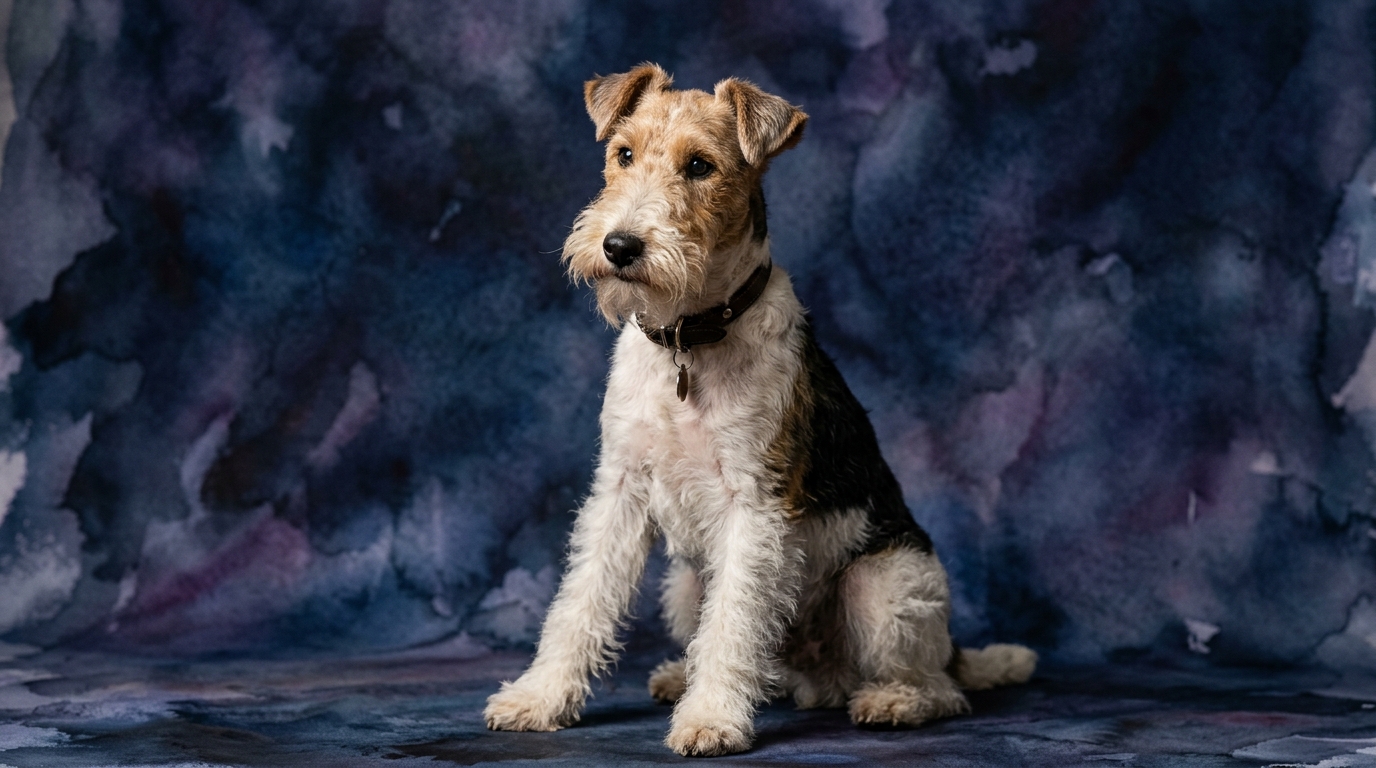
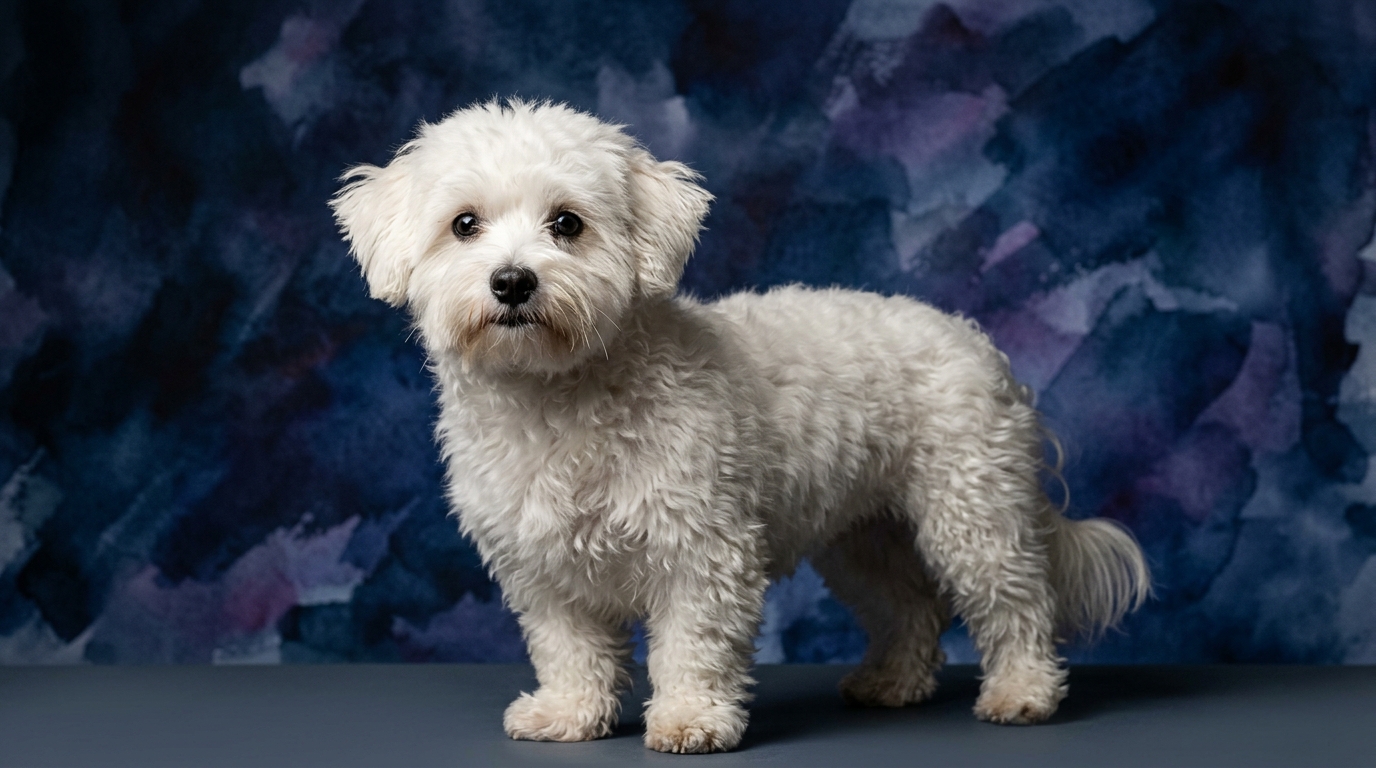
Side-by-Side Cognitive Profiles: A Deeper Look at Identical Scores
While both the Wire Fox Terrier and the Coton de Tuléar register a consistent 3/5 across the board in the Pet IQ Lab's assessment, these scores tell a nuanced story when interpreted through the lens of each breed's heritage and primary purpose. A 3/5 score indicates a solid, functional level of cognitive ability, but its expression is anything but uniform.
For the **Wire Fox Terrier**, a 3/5 in **Problem Solving** signifies a tenacious and independent approach. These dogs excel at figuring out how to overcome physical barriers to reach a perceived 'prey' or to navigate complex terrain. Their problem-solving is often self-directed and rooted in their drive to investigate and conquer. A 3/5 in **Training Speed** means they can grasp new commands efficiently, but their independent spirit and tendency to prioritize their own intriguing discoveries might occasionally lead to selective obedience. Their **Social Intelligence** at 3/5 reflects an ability to understand pack dynamics and human intentions, though they might not always be driven by a desire to please. They read situations and other animals well, often assessing for potential play or competition. Their **Instinctive Drive** at 3/5 is robust, manifesting as a pronounced urge to chase, dig, and explore, a direct echo of their fox-hunting lineage. Finally, a 3/5 in **Memory** allows them to retain complex sequences of actions, recall specific locations where interesting things occurred, and remember the outcomes of past interactions, both positive and negative.
The **Coton de Tuléar**, by contrast, expresses its identical 3/5 scores with a different emphasis. Their 3/5 in **Problem Solving** often manifests as an adeptness at navigating social situations, figuring out how to garner attention, or manipulating their environment for comfort and companionship. They are clever at understanding cause and effect within a domestic setting. A 3/5 in **Training Speed** indicates a quick uptake of commands, often bolstered by their eager-to-please nature. However, their sensitivity means that harsh methods can hinder progress, while positive reinforcement yields rapid results. Their **Social Intelligence** at 3/5 is particularly finely tuned to human emotions and household dynamics. They are often adept at reading subtle cues from their owners, adapting their behavior to maintain harmony and closeness. Their **Instinctive Drive** at 3/5 is present but generally less pronounced than a terrier's; it might involve playful chasing or a curiosity about small critters, but it is typically secondary to their desire for companionship. Lastly, their 3/5 in **Memory** enables them to recall routines, the preferences of their family members, and past experiences that brought them comfort or joy, fostering strong emotional bonds.
Where the Wire Fox Terrier Shows its Cognitive Edge
The Wire Fox Terrier's cognitive strengths truly shine in scenarios demanding independent thought, persistence, and a driven approach to physical challenges. Their 3/5 problem-solving ability, coupled with their robust instinctive drive, means they are exceptionally adept at tasks requiring sustained focus on a physical objective, such as navigating an agility course, scent work, or even figuring out how to open a child-proof cabinet. They possess a resourceful determination to overcome obstacles, often employing trial-and-error with impressive stamina. This breed's mind is wired for exploration and investigation, making them skilled at deciphering environmental puzzles that lead to a reward, whether it's a hidden toy or a perceived 'intruder' in the yard.
Their memory, rated at 3/5, serves this independent spirit well. A Wire Fox Terrier will recall the precise location of a squirrel's burrow from weeks ago or remember the specific technique that finally allowed them to squeeze under a fence. This capacity for spatial and procedural memory, combined with their instinctive drive, makes them formidable participants in activities that tap into their natural hunting instincts, allowing them to learn and refine complex sequences of actions related to their 'work' with impressive recall.
Where the Coton de Tuléar Demonstrates Cognitive Prowess
The Coton de Tuléar's cognitive strengths are most evident in their nuanced social engagement and their capacity for emotional attunement. Their 3/5 social intelligence allows them to excel at reading and responding to human emotional states, often anticipating needs or offering comfort without explicit prompting. They are adept at learning the subtle social rules of a household, understanding routines, and adapting their behavior to maintain a harmonious environment. This makes them particularly responsive to their family's moods and excellent at providing companionship.
Furthermore, their problem-solving, also rated 3/5, frequently manifests in social contexts. A Coton might cleverly figure out how to get their human's undivided attention, perhaps by nudging a hand or bringing a specific toy. Their memory (3/5) plays a crucial role here too, as they recall which actions elicit desired responses from their family members, reinforcing behaviors that strengthen their bond. This breed's cognitive architecture is finely tuned for interactive engagement, making them excellent at learning tricks that involve collaboration and delightful companions who thrive on mutual understanding.
Training Dynamics: Independence vs. Eagerness to Please
When it comes to training, the 3/5 training speed for both breeds plays out very differently due to their inherent temperaments. The Wire Fox Terrier, with its independent nature and strong instinctive drive, often learns commands quickly but may choose to execute them only when it aligns with their current interest or when the reward is compelling enough. Their independent streak means they are not inherently driven to please, and their focus can easily be diverted by environmental stimuli, particularly anything resembling prey. Consistency, patience, and making training feel like a stimulating game are crucial to harnessing their learning capacity. They require an owner who understands how to channel their boundless energy and investigative curiosity into constructive learning rather than battling their independent will.
The Coton de Tuléar, on the other hand, often appears easier to train for the average owner due to their eager-to-please disposition and high social intelligence. Their 3/5 training speed is often amplified by their desire for positive interaction and approval. They thrive on praise and gentle encouragement, making them responsive to reward-based methods. However, their sensitivity means that harsh corrections or frustrating training sessions can cause them to become withdrawn or resistant. While they might not possess the terrier's unwavering focus on an external 'task,' their focus on their human makes them highly receptive to learning commands and tricks that strengthen the bond and provide mental engagement. Their challenge often lies in maintaining engagement without overstimulating their sensitive nature.
Matching Lifestyles: Active Explorers vs. Adaptable Companions
The cognitive profiles of these two breeds, even with identical scores, clearly indicate different lifestyle compatibility. The Wire Fox Terrier, with its pronounced instinctive drive and independent problem-solving, is best suited for active owners who relish outdoor adventures and can provide consistent mental and physical stimulation. They thrive when given opportunities to explore, sniff, dig, and engage in activities like earthdog trials, agility, or extensive hikes. Their cognitive needs are met through varied experiences and challenges that allow them to exercise their natural curiosity and determination. Owners who prefer a more relaxed, sedentary lifestyle might find the WFT's energetic and investigative nature overwhelming, as a lack of outlets can lead to boredom-driven behaviors.
The Coton de Tuléar, with its strong social intelligence and adaptable nature, is an excellent match for owners seeking a devoted and interactive companion. While they enjoy walks and playtime, their primary cognitive need is often for close human interaction and participation in family life. They are content with a moderate amount of exercise and thrive in environments where they can be involved in daily activities, whether it's cuddling on the couch or accompanying their owner on errands. Their cognitive strengths make them wonderful therapy dogs or simply cherished family members who are attuned to the emotional rhythm of the home. They are more adaptable to apartment living than the WFT, provided they receive regular attention and companionship.
The Verdict
Choose a Wire Fox Terrier if you are an active, experienced owner who enjoys channeling a dog's independent spirit and tenacious drive into engaging activities and structured mental challenges.
Opt for a Coton de Tuléar if you seek a highly socially attuned, adaptable companion who thrives on close interaction and whose intelligence shines in their ability to connect and participate in family life.
🧠 Find Your Pet's IQ Score
Our Pet IQ Lab assessment covers 25+ tests across 5 cognitive dimensions — personalized to your breed.
Take the Full IQ Test →Frequently Asked Questions
Do Wire Fox Terriers and Cotons de Tuléar learn new tricks at the same rate?
While both breeds have a 3/5 training speed, the Coton de Tuléar often appears to learn quicker in a positive reinforcement setting due to their eagerness to please. Wire Fox Terriers learn effectively but might require more compelling motivation and consistent engagement to overcome their independent streak.
Which breed is better at solving puzzles or interactive toys?
The Wire Fox Terrier typically excels at physical puzzle toys, using their tenacious problem-solving and instinctive drive to manipulate objects to reach a reward. Cotons can enjoy puzzles, but their approach might be more geared towards human interaction to 'solve' it together or to gain attention.
How does social intelligence differ between these two breeds?
Both at 3/5, the Wire Fox Terrier's social intelligence often focuses on understanding pack hierarchy and navigating their environment with other animals. The Coton de Tuléar's social intelligence is more finely tuned to human emotions and family dynamics, making them highly empathetic and responsive companions.