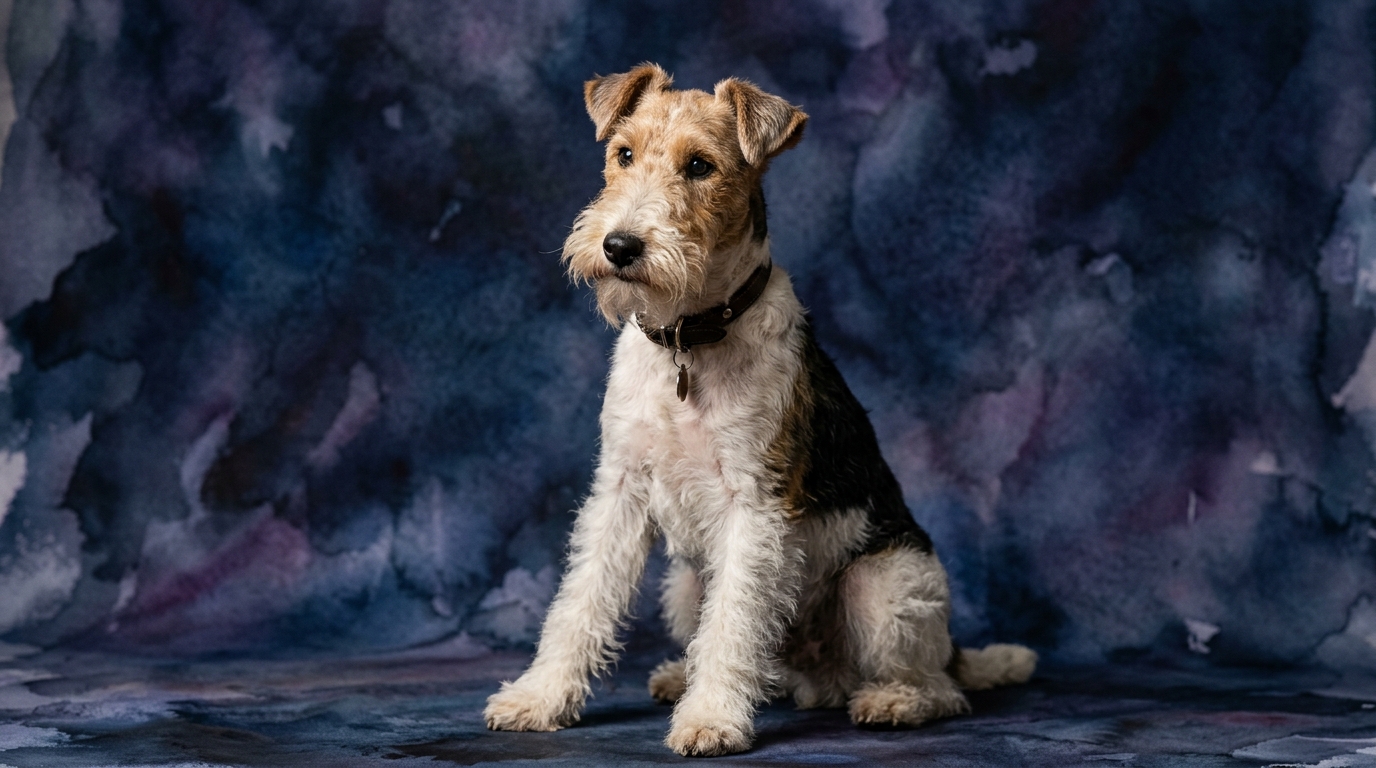
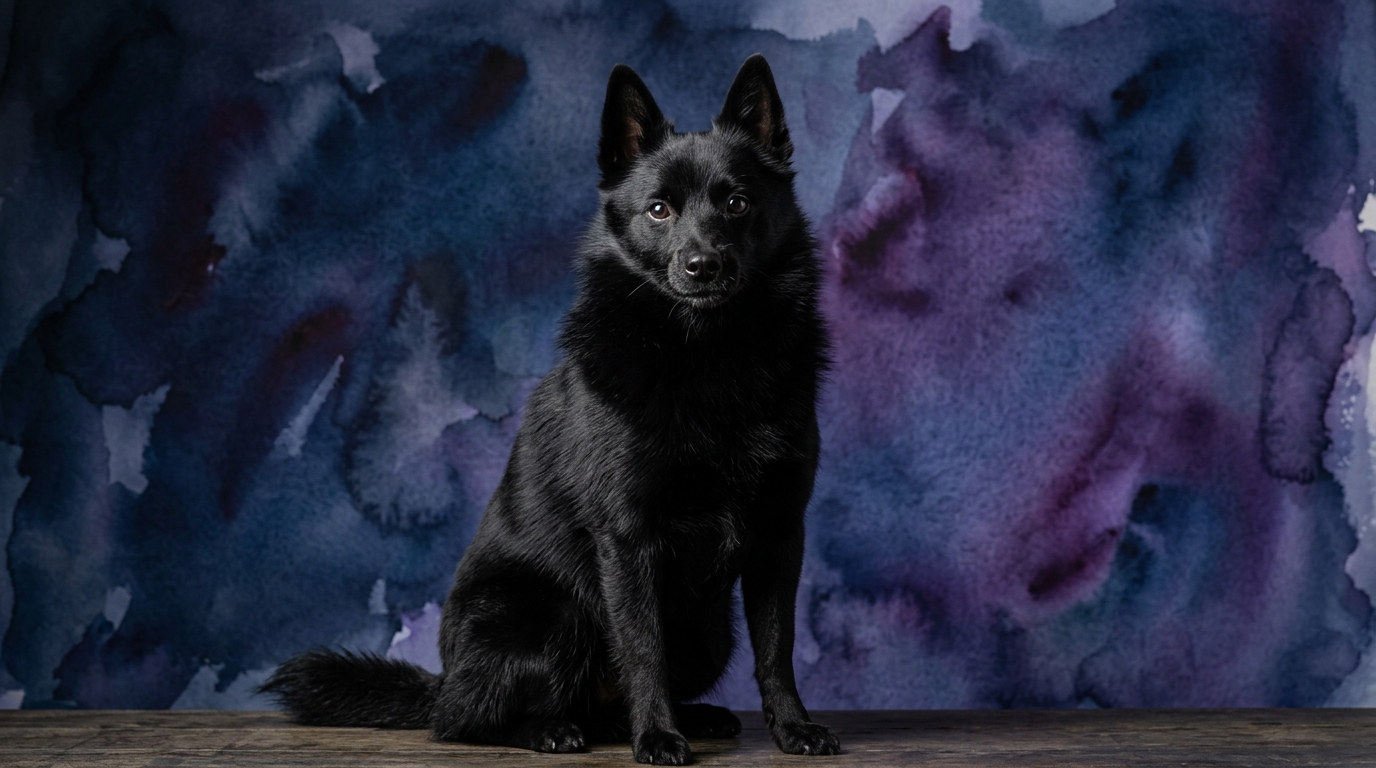
Side-by-Side IQ Profile: Wire Fox Terrier vs. Schipperke
The Wire Fox Terrier (WFT), a tenacious terrier, approaches challenges with a determined, often physical, grit. Their Problem Solving score of 3/5 indicates an aptitude for practical, action-oriented solutions, particularly in tasks requiring persistence or physical navigation rather than abstract thought. Training Speed, also at 3/5, suggests they learn at a moderate pace, often requiring consistent motivation to overcome their independent streak. Social Intelligence, rated 3/5, means they form bonds and understand dynamics but can be assertive, while their Instinctive Drive (3/5) is rooted in prey pursuit and exploration. Their Memory, at 3/5, is functional, aiding recall of routines and experiences without exceptional detail.
The Schipperke, a keen Non-Sporting breed, presents a distinct cognitive profile, notably recognized with a Coren rank of #15. Their Problem Solving score of 5/5 signifies an exceptional capacity for strategic thinking and devising clever, often multi-step, solutions to complex issues. This is complemented by a Training Speed of 5/5, indicating rapid assimilation of new commands and concepts, making them quick learners. Social Intelligence, at 3/5, shows they are observant and loyal to their family but can be reserved with strangers. Their Instinctive Drive (3/5) focuses on vigilance and ratting, reflecting their watchdog heritage. Crucially, their Memory, rated 5/5, underpins their rapid learning, allowing them to retain a vast repertoire of information and experiences over time.
Where the Wire Fox Terrier Wins Cognitively
The Wire Fox Terrier's cognitive strengths, while not always top-tier in abstract measures, shine brightest in contexts demanding resilience and independent action. Their 3/5 Problem Solving score, while lower than the Schipperke's, reflects a different kind of intelligence: one rooted in terrier grit and physical determination. A WFT will tirelessly dig under a fence or navigate a complex scent trail with singular focus, often employing trial-and-error without needing explicit instruction. This persistence in the face of physical obstacles, driven by their instinctive urge (3/5), gives them an edge in scenarios requiring sheer, unyielding effort to achieve a goal.
Furthermore, their moderate Social Intelligence (3/5), combined with their independent streak, means they are less likely to become overly dependent on human direction in novel situations. They are capable of making their own decisions and pursuing their own objectives, which can be a distinct advantage in situations where immediate human guidance isn't available or appropriate. While Schipperkes might excel at intricate puzzle-solving, the WFT's strength lies in their robust, self-reliant approach to practical, physical challenges, often leveraging their physical prowess and endurance to overcome obstacles.
Where the Schipperke Wins Cognitively
The Schipperke demonstrates a clear cognitive advantage in areas demanding rapid assimilation of information and sophisticated problem-solving. Their Problem Solving score of 5/5 indicates an exceptional capacity for strategic thinking and devising novel solutions, far surpassing the WFT's more direct approach. A Schipperke is more likely to analyze a situation, understand the cause-and-effect, and then execute a multi-step plan to achieve a desired outcome, such as manipulating latches or orchestrating a distraction. This analytical prowess allows them to navigate complex environments and outsmart perceived barriers with remarkable efficiency.
Moreover, the Schipperke's 5/5 Training Speed and 5/5 Memory scores are significant differentiators. They absorb new commands and routines with impressive speed, often needing fewer repetitions than the WFT, and retain that knowledge over extended periods. This allows for the rapid teaching of complex tricks, obedience routines, or even advanced tasks, making them highly adaptable to varied training protocols. Their ability to remember intricate sequences and past experiences enables them to build a comprehensive understanding of their world, allowing for consistent performance and quick adjustments to new rules or environments. The Schipperke's cognitive profile points to a dog that learns fast, remembers well, and thinks strategically.
Which is Easier to Train and Why
Based on their respective IQ profiles, the Schipperke (Training Speed 5/5) is demonstrably easier to train than the Wire Fox Terrier (Training Speed 3/5). The Schipperke's superior capacity for rapid learning means they grasp new commands and concepts with remarkable quickness, often picking up on cues after just a few repetitions. Their focus and eagerness to engage in mentally stimulating activities translate into highly efficient training sessions, where they process information and form associations swiftly. This makes them excellent candidates for advanced obedience, agility, and even specialized tasks, as they thrive on the mental challenge and quickly understand what is being asked of them.
In contrast, the Wire Fox Terrier, with a Training Speed of 3/5, requires a more patient and persistent approach. While capable of learning, their independent nature and strong instinctive drives can make them less inclined to follow directives immediately. They might understand a command but choose to prioritize a captivating scent or the thrill of a chase over compliance. Training a WFT often involves consistent, engaging sessions, utilizing positive reinforcement and high-value rewards to maintain their interest and overcome their inherent distractibility. While they can achieve a good level of obedience, it typically demands more effort and creativity from the handler compared to the Schipperke's eager cooperation.
Which Suits Active Owners vs. Relaxed Owners
Both breeds demand a certain level of engagement, but their energy profiles and cognitive needs differentiate their ideal owners. The Wire Fox Terrier, with its balanced instinctive drive (3/5) and practical problem-solving (3/5), thrives with active owners who enjoy outdoor adventures and can channel their terrier's zest for life. They need regular physical exercise, such as brisk walks, runs, or off-leash play in secure areas, to satisfy their urge to explore and expend energy. Owners who appreciate a dog with an independent spirit and can provide consistent, engaging mental and physical challenges will find a WFT a rewarding companion. They are not content to be couch potatoes and require an owner willing to embrace their spirited nature and provide outlets for their digging and chasing instincts.
The Schipperke, despite its smaller size, also suits active owners, but perhaps those who prioritize mental stimulation as much as physical activity. Their superior problem-solving (5/5) and memory (5/5) mean they demand regular mental challenges like puzzle toys, trick training, or dog sports that engage their strategic thinking. While they enjoy physical activity, a Schipperke can become bored and destructive without sufficient cognitive engagement, making them a good fit for owners who enjoy teaching complex tasks and providing varied enrichment. A 'relaxed' owner who prefers minimal interaction beyond basic care might find either breed challenging, but the Schipperke's need for intellectual stimulation is particularly pronounced, making them more suitable for owners who are actively involved in their dog's mental development.
The Verdict
Choose the Wire Fox Terrier if you appreciate a spirited, independent companion who excels at practical, physical challenges and possesses an unwavering tenacity. This breed thrives with owners who enjoy outdoor activity and are prepared for a dog with a strong, self-reliant personality.
Opt for the Schipperke if you seek a highly trainable, quick-witted partner who excels at complex problem-solving and retains information exceptionally well. This breed suits owners who are eager to engage in advanced training and provide consistent mental enrichment.
🧠 Find Your Pet's IQ Score
Our Pet IQ Lab assessment covers 25+ tests across 5 cognitive dimensions — personalized to your breed.
Take the Full IQ Test →Frequently Asked Questions
Do Wire Fox Terriers get along with other pets?
Their instinctive drive (3/5) and terrier nature mean Wire Fox Terriers can be assertive with other dogs and possess a strong prey drive towards smaller animals. Early socialization is crucial, and they may do best as the only dog or with well-matched companions.
Are Schipperkes good for first-time dog owners?
While Schipperkes are highly trainable (5/5 Training Speed), their sharp minds and independent streak require consistent, confident leadership. First-time owners willing to invest in early training and mental enrichment can succeed, but they are not a 'set it and forget it' breed.
Which breed is more vocal?
Both breeds can be quite vocal. Schipperkes, with their watchdog instincts, are prone to alert barking, while Wire Fox Terriers might bark due to excitement, frustration, or when pursuing prey. Training to manage barking is advisable for both.