Side-by-Side IQ Profile: Wire Fox Terrier vs. Treeing Walker Coonhound
At first glance, the cognitive profiles of the Wire Fox Terrier (WFT) and the Treeing Walker Coonhound (TWC) appear identical, with both breeds scoring 3/5 across all five dimensions of our Pet IQ Lab assessment: Problem Solving, Training Speed, Social Intelligence, Instinctive Drive, and Memory. However, these identical scores belie a fascinating divergence in how each breed manifests these cognitive traits, shaped by their distinct ancestral roles as a tenacious terrier and a relentless scent hound.
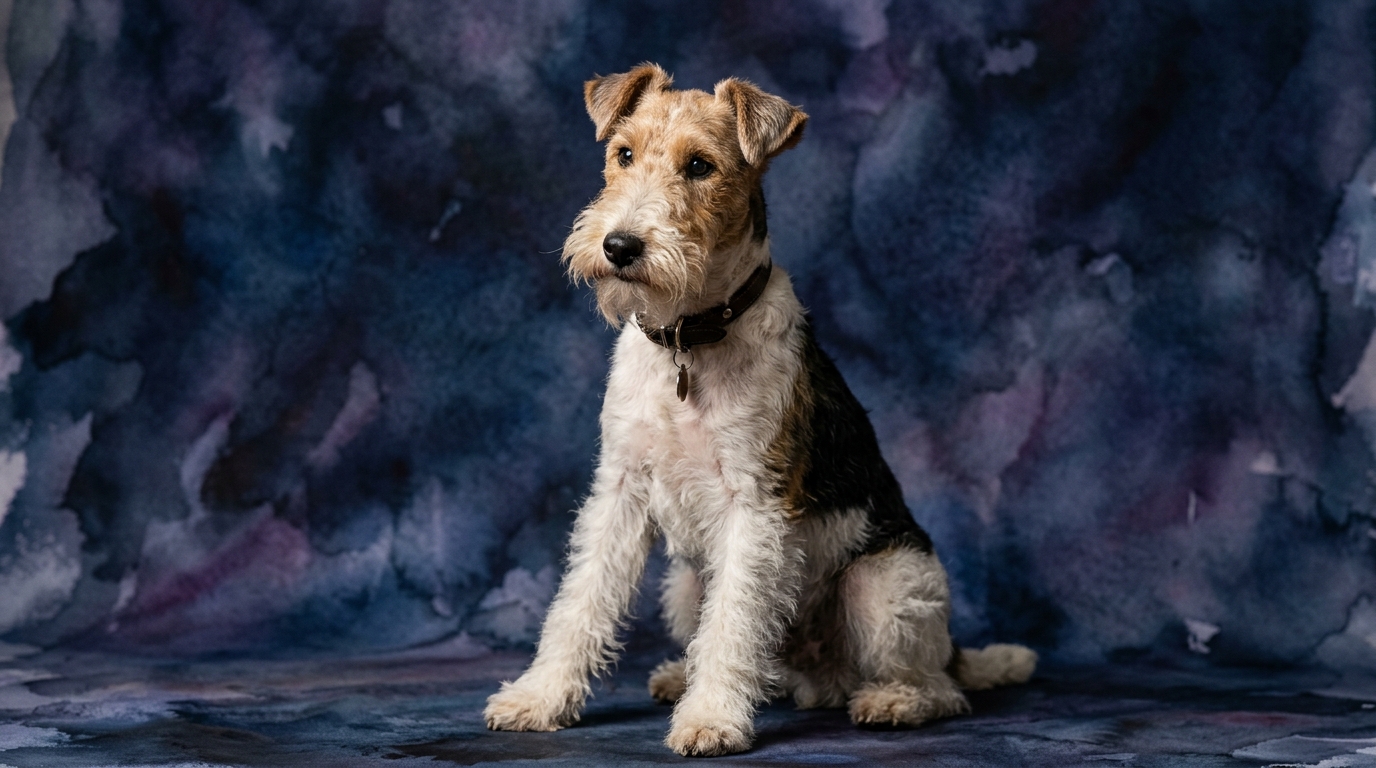
**Wire Fox Terrier IQ Profile:**
**Problem Solving (3/5):** WFTs tackle challenges with tenacious independence, often involving physical manipulation to access desired objects or areas. Their solutions are often persistent, sometimes inventive, and driven by a strong desire to overcome immediate, tangible obstacles, whether it's a hidden toy or a perceived burrow.
**Training Speed (3/5):** They grasp commands quickly, but their independent streak means compliance can be selective, especially with distractions. Consistent, engaging training is crucial to manage their tendency towards boredom or stubbornness, requiring a creative approach to maintain their interest.
**Social Intelligence (3/5):** WFTs are alert and responsive to family dynamics, reading human cues well. They possess a confident social style, capable of forming strong bonds while also asserting boundaries with both humans and other animals, appreciating clear communication.
**Instinctive Drive (3/5):** A defining trait, their drive is primarily predatory – chasing, digging, and flushing out small prey. This powerful instinct heavily influences their focus and daily activities, making them tireless in pursuit of perceived quarry.
**Memory (3/5):** They exhibit functional memory for routines, commands, and the location of favored items or areas. Their memory supports their pragmatic, goal-oriented approach to their environment, recalling past successes and challenges.
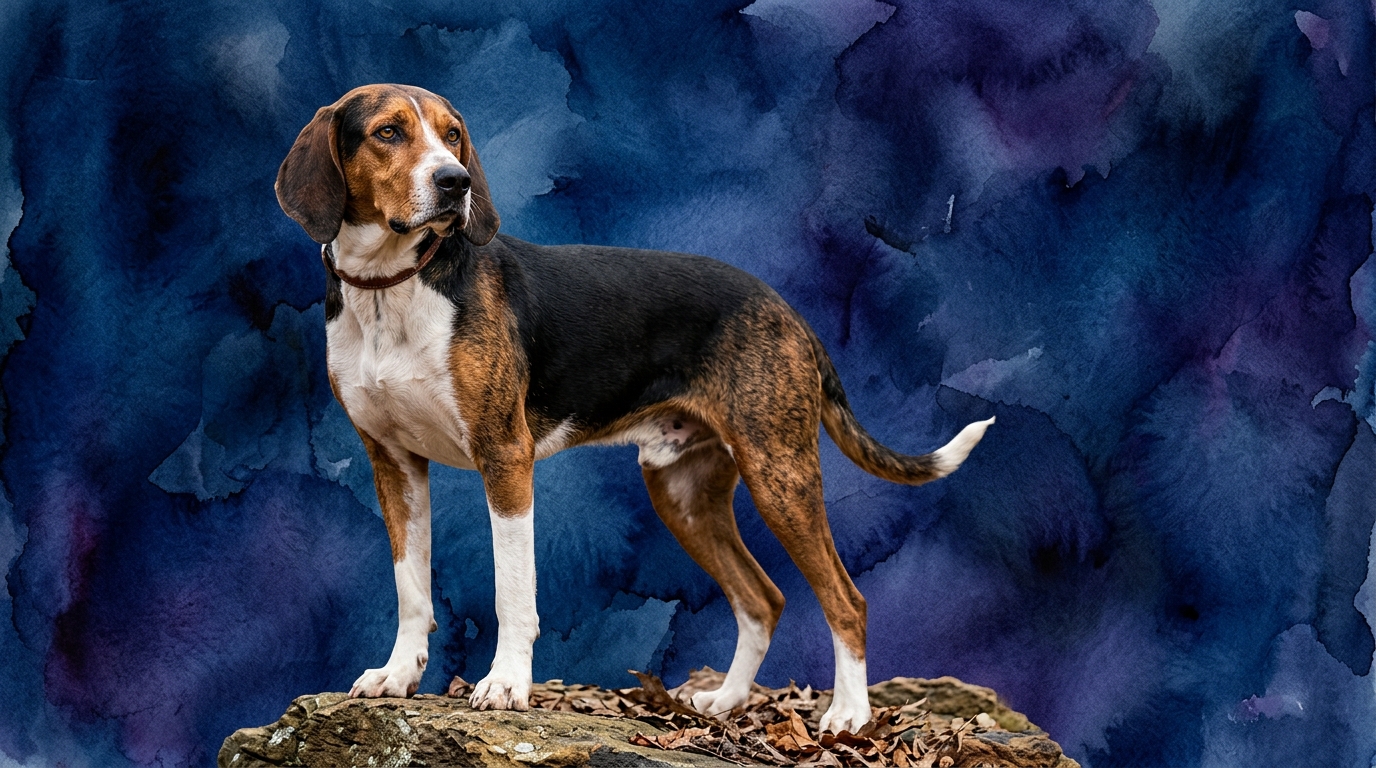
**Treeing Walker Coonhound IQ Profile:**
**Problem Solving (3/5):** TWC problem-solving is rooted in deciphering complex scent trails, navigating varied terrain, and persisting for hours. Their mind excels at interpreting environmental data – scent, sound, and visual cues – to achieve their tracking goal, often over great distances.
**Training Speed (3/5):** TWCs learn commands efficiently, particularly if training incorporates scent work or chasing. However, their independent "hound mind" means a compelling scent can easily override human commands, making redirection challenging once they are focused.
**Social Intelligence (3/5):** Generally affable and devoted, TWCs form deep attachments to their families. They are typically tolerant with other dogs and people, displaying a calm, observant demeanor indoors, integrating well into family life with a relaxed social style.
**Instinctive Drive (3/5):** Their drive is overwhelmingly focused on scent and pursuit, built to track and "tree" game. This powerful, ancient impulse means their nose is almost always active, often overriding other stimuli and dictating their movements outdoors.
**Memory (3/5):** TWCs possess excellent memory for scent trails, specific routes, and locations where game was found. Their memory is highly attuned to their environment, crucial for their role as a tracker, allowing them to recall complex sensory information.
Where the Wire Fox Terrier Wins Cognitively
The Wire Fox Terrier demonstrates a cognitive edge in tasks requiring independent thought and physical dexterity to manipulate their environment. Their terrier nature means they are adept at figuring out how to get into or out of confined spaces, or how to dislodge a toy from under a sofa. This isn't about following a long, complex sequence of commands, but rather applying persistent, often inventive, solutions to immediate, tangible problems. They excel at figuring out mechanical puzzles or opening latches, driven by a desire to access what's on the other side. This tenacious, 'figure-it-out-myself' approach often makes them surprisingly effective at overcoming physical barriers or finding hidden objects through sheer determination and cleverness, a manifestation of their problem-solving score.
Where the Treeing Walker Coonhound Wins Cognitively
Conversely, the Treeing Walker Coonhound's cognitive strengths lie in their unparalleled ability to process and follow intricate sensory information, particularly scent. While both breeds score 3/5 in problem-solving, the Coonhound's 'win' is in the realm of environmental interpretation. They can pick up and follow a cold scent trail that would be imperceptible to most other breeds, demonstrating an exceptional capacity for sustained focus and data processing related to their primary drive. Their memory for specific trails and the nuances of various animal scents is a testament to their specialized intelligence. This isn't about manipulating objects, but about navigating a complex, invisible world of olfactory cues, making them masters of environmental detective work and endurance tracking.
Which is Easier to Train and Why
Despite both breeds scoring 3/5 in training speed, the practicalities of training them diverge significantly due to their distinct motivations and inherent drives. The Wire Fox Terrier, while quick to grasp commands, often presents challenges with their independent, sometimes stubborn streak. They might understand a directive but choose to prioritize their own agenda, especially if a captivating scent or perceived 'prey' appears. Training a WFT demands creativity, consistent engagement, and a good sense of humor, as they thrive on variety and can quickly become bored. Their inherent feistiness requires clear boundaries and leadership without harshness, which can backfire. Motivation for a WFT often stems from interactive play and the satisfaction of 'winning' or figuring something out. The Treeing Walker Coonhound is generally more amenable to training when it leverages their natural instincts. They learn commands readily, but their formidable scent drive is the ultimate distraction. Once a Coonhound's nose locks onto a compelling trail, human commands can become secondary due to an overwhelming biological imperative. Therefore, TWC training necessitates early, consistent recall work, often in varied environments, and an understanding that off-leash exploration in unsecured areas carries risks. Their motivation often comes from praise, food rewards, and opportunities for productive scent work. In essence, while both learn at a similar pace, managing their respective distractions and motivations creates distinct training journeys.
Which Suits Active Owners vs. Relaxed Owners
Both the Wire Fox Terrier and the Treeing Walker Coonhound are breeds best suited for active owners, though their energy expenditure differs. The Wire Fox Terrier, with its lively and energetic disposition, requires daily vigorous exercise, including long walks, spirited play, and mental stimulation via puzzle toys or agility. They are not suited for a sedentary lifestyle and may develop destructive behaviors if their needs are unmet. Their alertness and inquisitive nature benefit from varied environments and new experiences. Owners who enjoy active sports, consistent training, and providing plenty of interactive playtime will find a WFT an excellent fit. The Treeing Walker Coonhound also requires extensive daily exercise, but their activity is geared towards sustained endurance and scent work. They need an hour or more of vigorous activity, ideally with opportunities to follow scent in a safe, fenced area or on a long lead. A quick walk is often insufficient; they need prolonged movement and engagement of their powerful noses. While calm and affectionate indoors after sufficient exercise, their innate drive means they will tirelessly seek scents, making them less suitable for purely relaxed owners. Their distinctive baying vocalizations also mean a quiet home might be disrupted. Both breeds require owners committed to substantial daily exercise and mental engagement, albeit with different focuses.
The Verdict
Choose a Wire Fox Terrier if you appreciate a clever, independent companion who thrives on interactive play, problem-solving challenges, and consistent, engaging training, and you are prepared for their tenacious spirit and need for vigorous daily activity.
Opt for a Treeing Walker Coonhound if you are an active individual or family who can provide extensive daily exercise, especially opportunities for scent work, and you appreciate a good-natured, devoted companion whose vocalizations and powerful nose are part of their charm.
🧠 Find Your Pet's IQ Score
Our Pet IQ Lab assessment covers 25+ tests across 5 cognitive dimensions — personalized to your breed.
Take the Full IQ Test →Frequently Asked Questions
Are Wire Fox Terriers difficult to train?
Wire Fox Terriers are quick learners, but their independent nature and strong prey drive can make training challenging without consistency and engaging methods. They respond best to varied routines and positive reinforcement that caters to their clever, sometimes stubborn, personality.
How much exercise does a Treeing Walker Coonhound need daily?
Treeing Walker Coonhounds require substantial daily exercise, typically an hour or more of vigorous activity, ideally including opportunities to follow scent trails. Their endurance and powerful nose mean short walks are often insufficient, and they thrive on sustained outdoor activity.
Can Wire Fox Terriers and Treeing Walker Coonhounds live together?
Yes, with proper introductions and socialization, a Wire Fox Terrier and a Treeing Walker Coonhound can coexist. Their differing play styles and energy outputs would need to be managed, but both can form strong bonds within a multi-dog household.