Side-by-Side IQ Profile: Nuances of a 3/5 Score
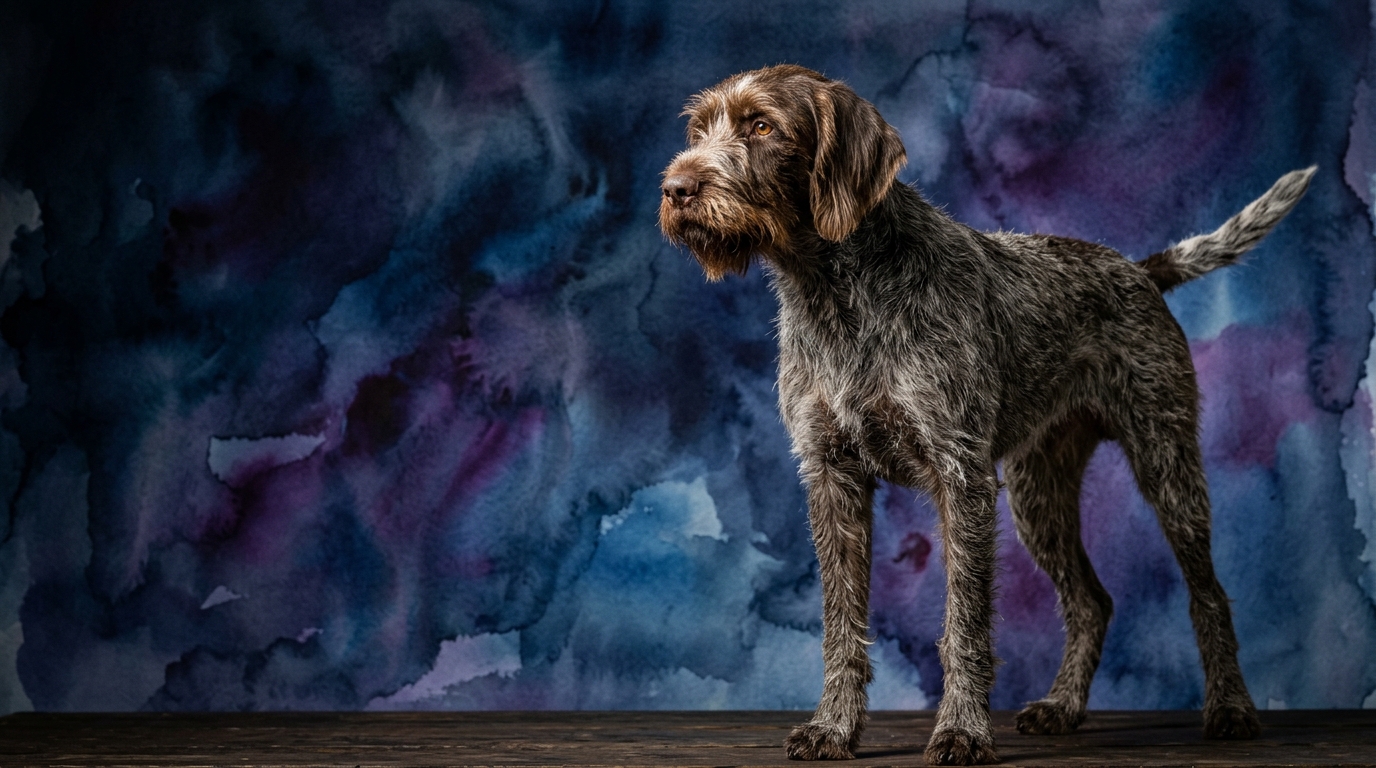
The Wirehaired Pointing Griffon, a dedicated Sporting dog, exhibits its Problem Solving ability (3/5) through its methodical approach to fieldwork. This breed is adept at figuring out how to navigate dense cover, pinpoint scent sources, and execute complex retrieves, often requiring a strategy to overcome environmental obstacles or retrieve from challenging locations. Their cognitive strength here lies in practical application within a dynamic, outdoor setting, where quick assessment and effective action are paramount.
For Training Speed (3/5), Griffons are generally responsive and eager to please their human companions, a trait invaluable in a working partnership. They absorb commands at a moderate pace, but their strong inherent hunting instincts can occasionally present a delightful challenge, requiring consistent, engaging training that harnesses rather than suppresses their drive. Their Social Intelligence (3/5) is finely tuned to their handler's cues and intentions during hunts, but also translates to a discerning yet generally affable demeanor within the family unit. They assess new social situations and individuals with a degree of thoughtful observation.
The Griffon's Instinctive Drive (3/5) is precisely what defines its breed: an innate compulsion to point, retrieve, and work in water. This isn't just general energy; it's a specific, hardwired set of behaviors that guide their actions and focus their cognitive efforts. Their Memory (3/5) is robust, allowing them to recall complex scent trails, remember specific retrieve locations, and retain extensive training sequences, which is crucial for efficient and reliable performance in the field.
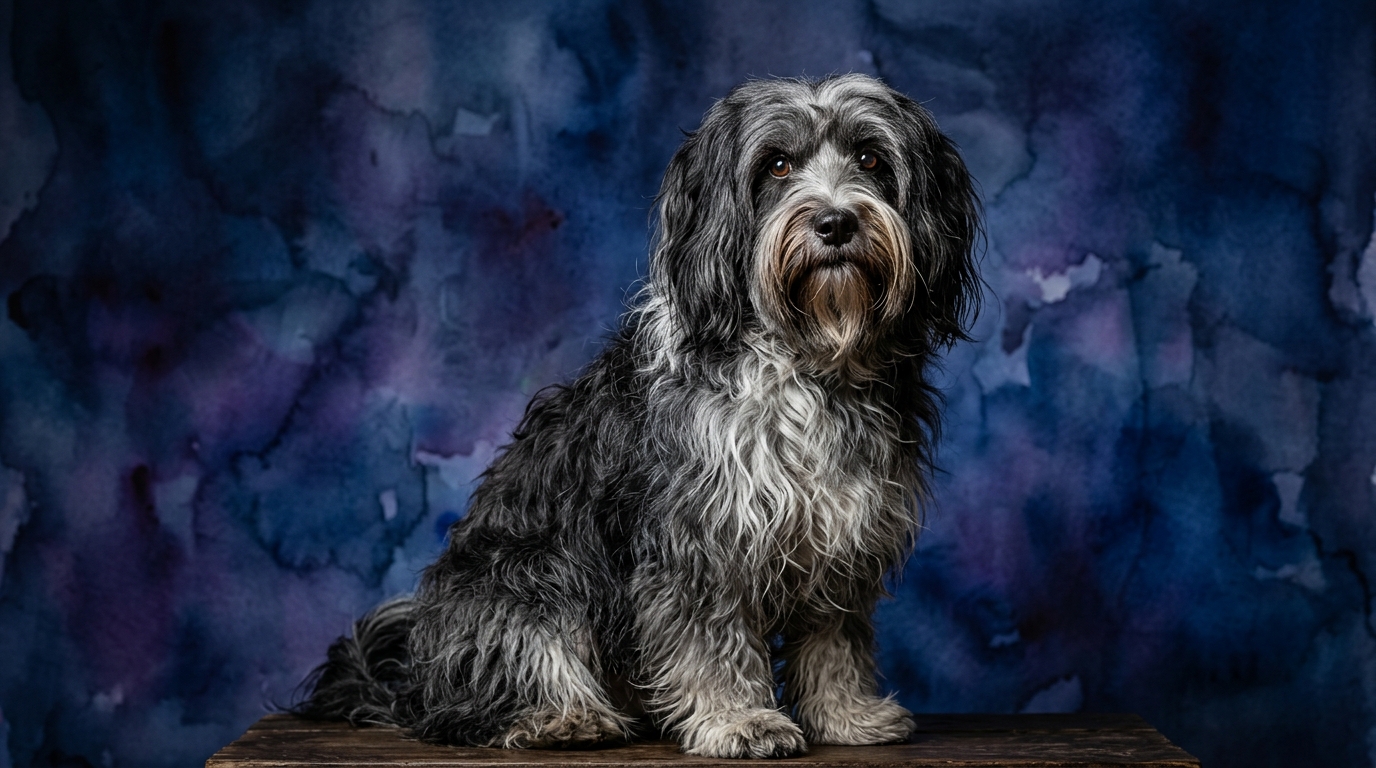
Conversely, the Tibetan Terrier, from the Non-Sporting group and ranked #63 by Coren, demonstrates its Problem Solving (3/5) in a different vein. These clever dogs excel at navigating intricate home environments, figuring out how to access desired objects, or even orchestrating situations to gain attention. Their historical role as herders and guardians on challenging Himalayan terrain also points to an inherent ability to assess and adapt to varied physical and social challenges within their immediate domain.
When it comes to Training Speed (3/5), Tibetan Terriers learn at a moderate pace, but their independent nature and historical role as a companion and watch dog mean they often require a more persuasive and patient approach than a highly biddable working dog. They might analyze a command before complying, reflecting their discerning intelligence. Their Social Intelligence (3/5) is highly refined within their family, observing subtle shifts in human mood and household dynamics. They form deep bonds and can be quite sensitive, yet they maintain a watchful, discerning attitude towards strangers, embodying their traditional guardian role.
The Tibetan Terrier's Instinctive Drive (3/5) manifests as a strong sense of watchfulness, a tendency to survey their surroundings, and a subtle herding instinct towards their family. This drive is less about pursuit and more about maintaining order and alerting to novelties. Their Memory (3/5) allows them to retain a vast array of household rules, remember routines, and recall specific individuals, which contributes to their discerning social behavior and their ability to integrate seamlessly into a family's established patterns.
Where the Wirehaired Pointing Griffon Wins Cognitively
The Wirehaired Pointing Griffon's cognitive strengths truly shine in dynamic, task-oriented environments that demand both independence and cooperative partnership. Their problem-solving (3/5) is particularly potent when applied to real-world challenges like tracking a scent through varied terrain, strategically flushing game, or executing a blind retrieve over obstacles. This breed excels at making on-the-spot decisions in the field, demonstrating an intuitive understanding of their objective and the most efficient path to achieve it, often without direct instruction once the task is initiated. Their memory (3/5) for complex patterns, such as multiple retrieve locations or specific scent signatures, gives them an edge in repetitive, goal-driven activities where consistency is key.
Where the Tibetan Terrier Wins Cognitively
The Tibetan Terrier's cognitive advantages lean towards a nuanced understanding of social dynamics and an adaptable, independent intelligence suited to a guardian and companion role. Their social intelligence (3/5) allows them to excel at reading subtle human cues and integrating into complex family structures, often acting as a sensitive barometer for household moods. Their problem-solving (3/5) is particularly effective in domestic settings, where they can cleverly manipulate situations to their advantage or figure out intricate routines. Unlike the Griffon's focus on external tasks, the Tibetan Terrier’s cognitive wins are often internal and observational, allowing them to make independent decisions based on their assessment of a situation, such as determining who is a welcome guest versus a potential intruder, a trait stemming from their historical role as 'holy dogs' and watchdogs.
Which Is Easier to Train and Why
Despite both breeds scoring 3/5 in Training Speed, the Wirehaired Pointing Griffon is generally perceived as easier to train for obedience and specific tasks due to its inherent desire to work in partnership with humans. Their strong instinctive drive (3/5) is largely channeled towards fulfilling their handler's directives in the context of hunting, making them highly motivated by praise and the opportunity to perform their bred purpose. While their scent drive can be a distraction, a Griffon's eagerness to please and focus on cooperative tasks means they often respond more readily to traditional training methods, provided those methods are consistent and engaging.
The Tibetan Terrier, while capable of learning at a moderate pace (3/5 Training Speed), often presents a different training dynamic due to its more independent and discerning nature. Their problem-solving (3/5) and social intelligence (3/5) mean they are intelligent enough to understand commands, but they might question the necessity of complying if it doesn't align with their own assessment of a situation or if they perceive a lack of persuasive motivation. This independence, a legacy of their roles as herders and guardians, means training requires significant patience, positive reinforcement, and a deep understanding of canine psychology, rather than relying solely on biddability. They learn best when they believe it's their idea or when the reward is compelling enough to outweigh their independent streak.
Which Suits Active Owners vs. Relaxed Owners
The Wirehaired Pointing Griffon is an ideal match for active owners who relish outdoor adventures and can provide consistent outlets for their breed-specific instincts. Their instinctive drive (3/5) demands regular, vigorous exercise, ideally involving opportunities for scent work, retrieving, or water activities. Owners who enjoy hiking, hunting, or dog sports will find the Griffon an eager and capable partner. Their cognitive profile thrives on mental stimulation tied to physical activity, making them less suited for a purely sedentary lifestyle. A relaxed owner who cannot fulfill these needs may find their Griffon invent its own, potentially destructive, forms of engagement.
The Tibetan Terrier, while possessing a moderate energy level that requires daily walks and playtime, is a better fit for owners seeking a clever and discerning companion without the intense physical demands of a dedicated sporting breed. Their problem-solving (3/5) and social intelligence (3/5) mean they thrive on mental engagement within the home and through interactive play, but they do not require hours of high-impact exercise. Relaxed owners who appreciate a dog capable of independent thought, subtle companionship, and a watchful presence will find the Tibetan Terrier a rewarding addition to their household, provided they can offer consistent mental enrichment and moderate physical activity.
The Verdict: When to Choose Each
The Verdict
Choose the Wirehaired Pointing Griffon if you lead an active, outdoor-centric lifestyle and seek a highly capable, cooperative partner for hunting, hiking, or dog sports, valuing their focused drive and practical intelligence. This breed thrives with owners who can channel their strong instincts into productive, shared activities.
Opt for the Tibetan Terrier if you desire a clever, independent, and sensitive companion who excels in social dynamics and domestic problem-solving, fitting well into a moderately active home environment. This breed suits owners who appreciate a discerning watch dog and are prepared for a training journey that respects their thoughtful nature.
🧠 Find Your Pet's IQ Score
Our Pet IQ Lab assessment covers 25+ tests across 5 cognitive dimensions — personalized to your breed.
Take the Full IQ Test →Frequently Asked Questions
Do Wirehaired Pointing Griffons need a lot of mental stimulation?
Yes, Griffons require significant mental stimulation, particularly those activities that engage their natural hunting instincts. Puzzle toys, scent work, and consistent training for new skills are vital to keep their problem-solving minds engaged and prevent boredom-related behaviors.
Are Tibetan Terriers good for first-time dog owners?
Tibetan Terriers can be suitable for first-time owners who are committed to consistent, positive reinforcement training and understand their independent nature. Their social intelligence helps them integrate, but their discerning personality means owners must be patient and clear in their expectations.
How do their grooming needs compare?
The Wirehaired Pointing Griffon has a harsh, wiry coat requiring weekly brushing and occasional hand-stripping to maintain its texture and protective qualities. The Tibetan Terrier possesses a long, double coat that needs daily brushing to prevent mats and tangles, a more intensive grooming commitment.